Chaos, gridlock a daily ordeal for Manila's long-suffering commuters
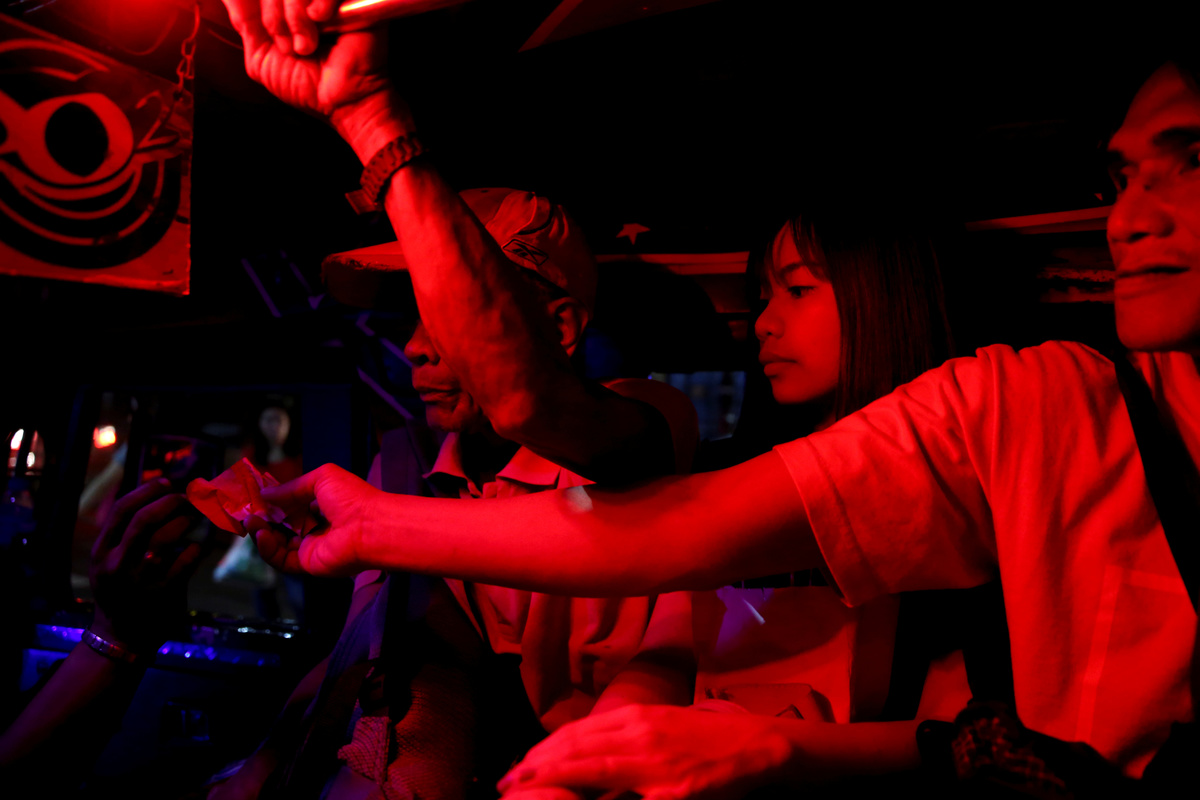
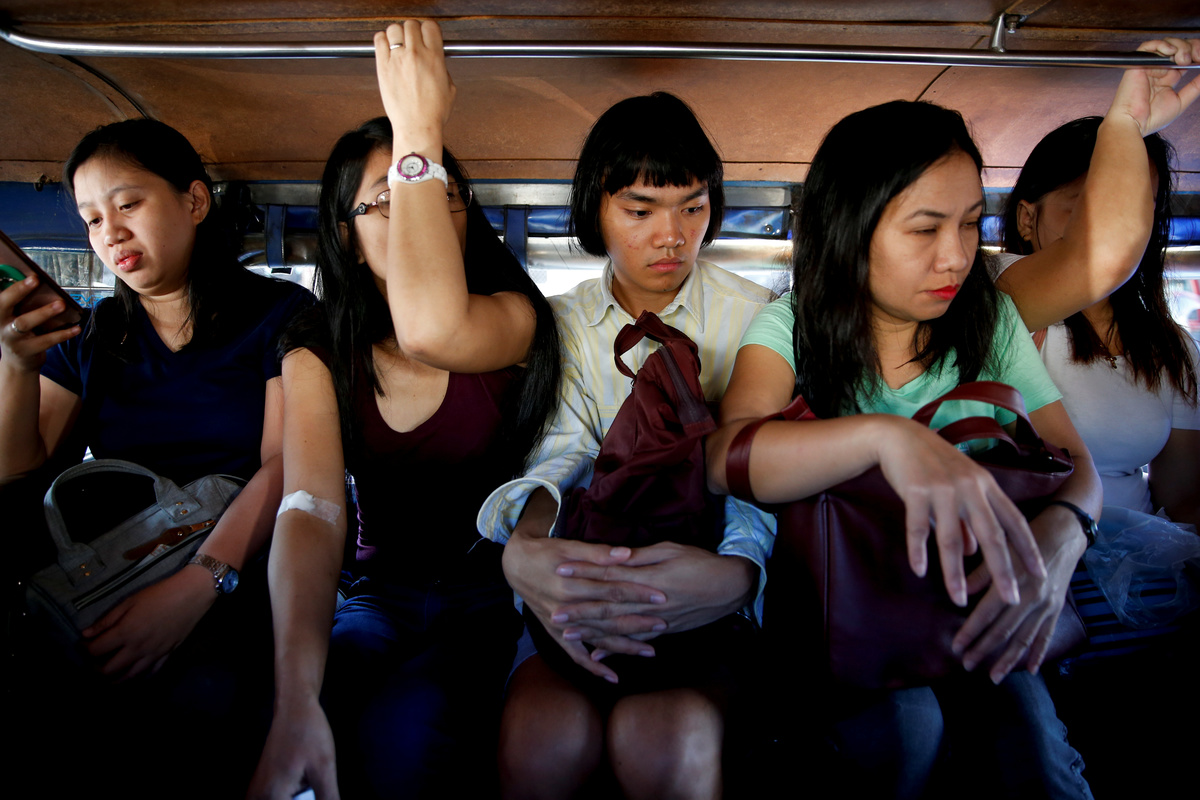
Janice Sarad, 22, who works for a bank, sits inside a jeepney in Pasig City, Metro Manila, in Philippines, December 3, 2018. Apart from getting stuck in traffic, Sarad often struggles to get a jeepney going to her neighbourhood as very few jeepneys cover this route. "You have to push, shove, and run because everyone's trying to get a seat. On the train, everyone tries to sneak on so they don't have to wait. On the bus, there are usually no seats so you stand up the whole ride," she said. REUTERS/Eloisa Lopez
MANILA (Reuters) - It's 3.30 a.m. in the Philippines and much of San Jose Del Monte is fast asleep.
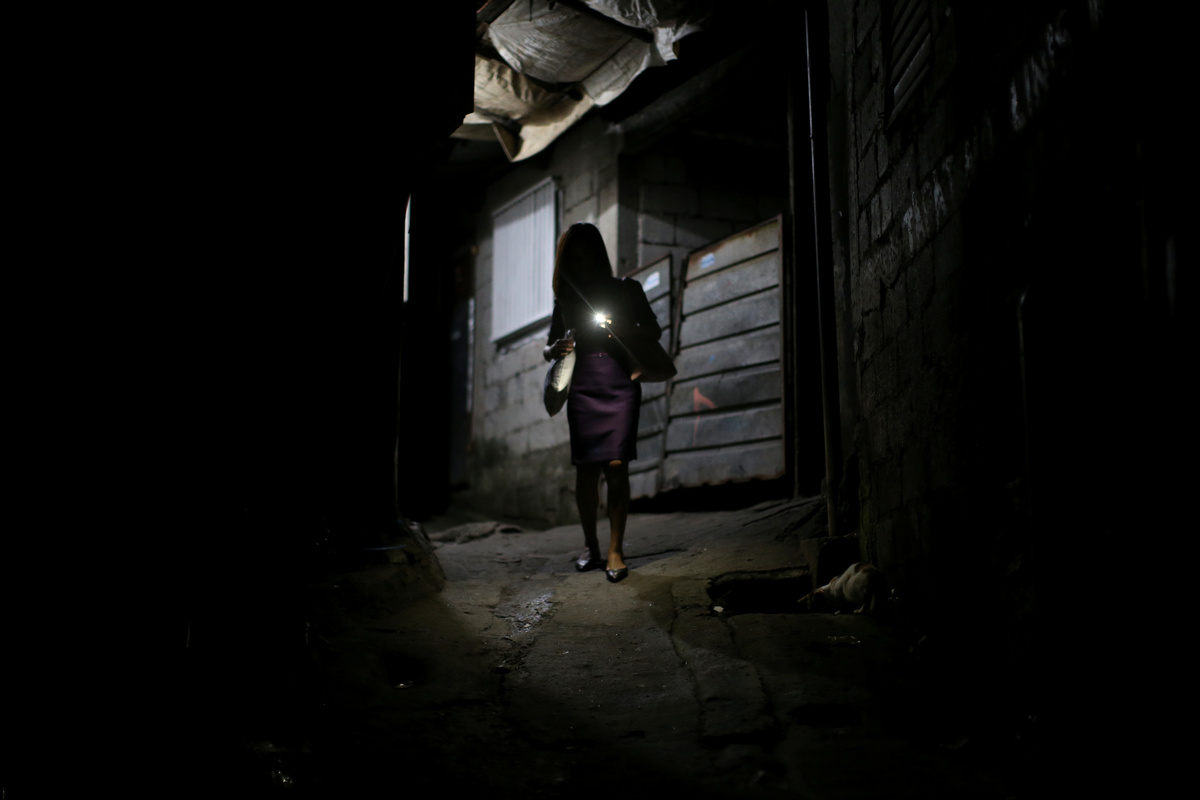
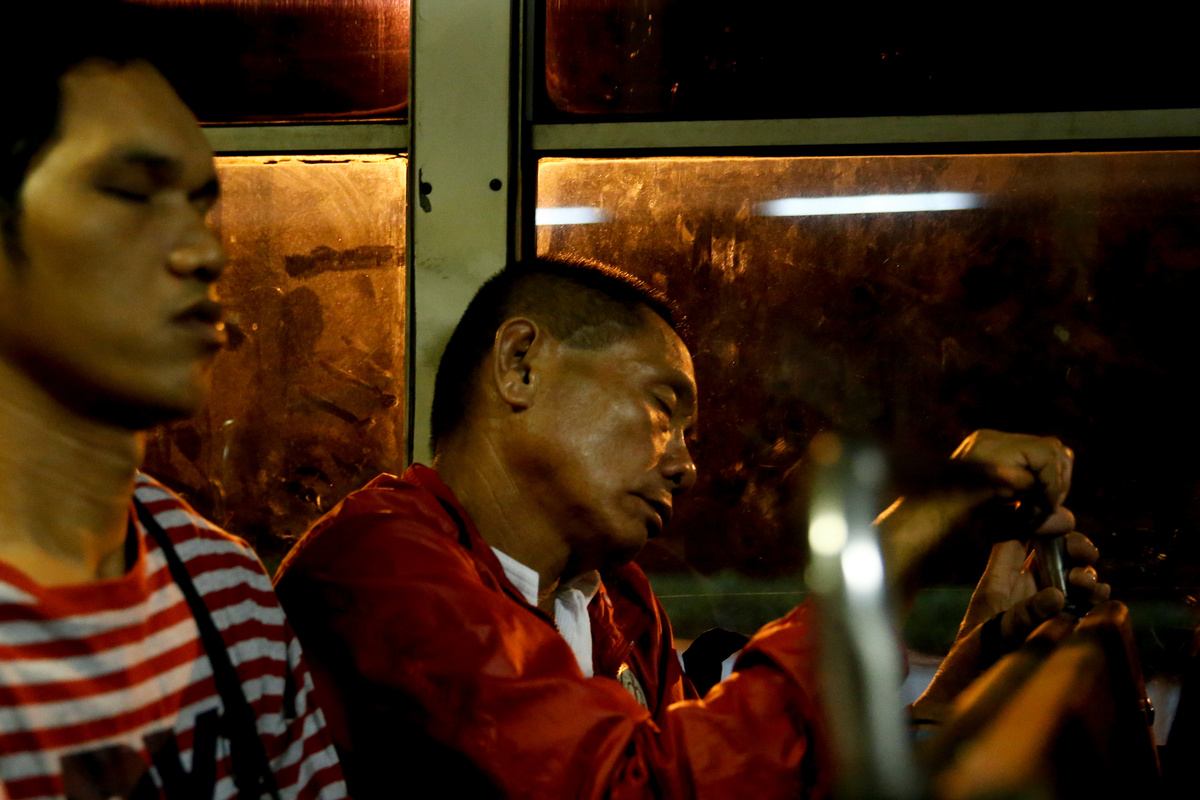
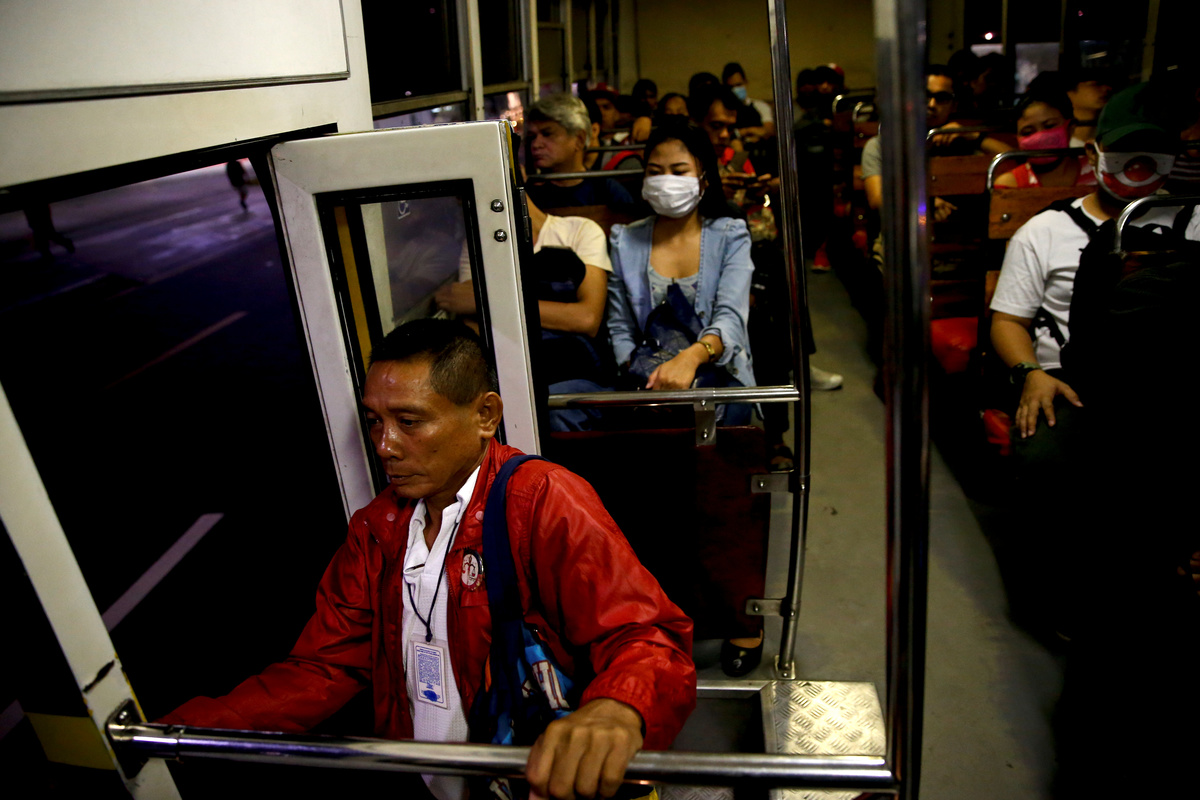
Flashlight in hand, street sweeper Alejandro Galasao, 58, navigates a labyrinth of alleys to a main road to catch a bus to the capital Manila 30 km (18.6 miles) away.
Oliver Emocling, 23, who works for a magazine, rides a jeepney to the train station in Caloocan City, Metro Manila, Philippines, November 29, 2018. Emocling said usually the issue with his commute is not the road traffic, but the crowds of commuters. "Sometimes I wonder if I'm just being whiny. Maybe I'm not really struggling in my commute. But I also wonder if I've just gotten used to the struggle," he said. REUTERS/Eloisa Lopez
He has to wake up in the middle of the night for a job that doesn't start until 6 a.m.
Traffic is so bad in Manila that if he leaves any later, there's no way he will clock in on time.
"If I go to work at rush hour, it would take me three hours," Galasao told Reuters. "This is the only job I know. Even if I find something else, I doubt I would earn any better".
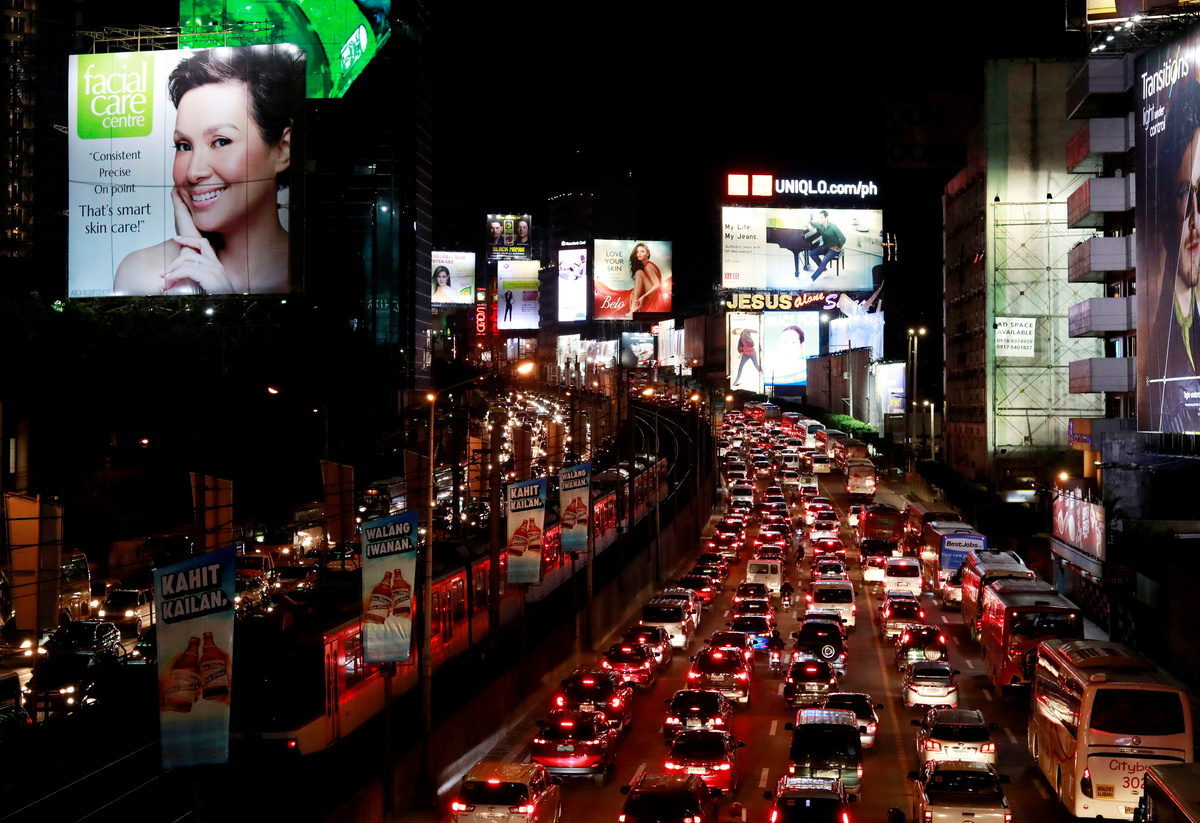
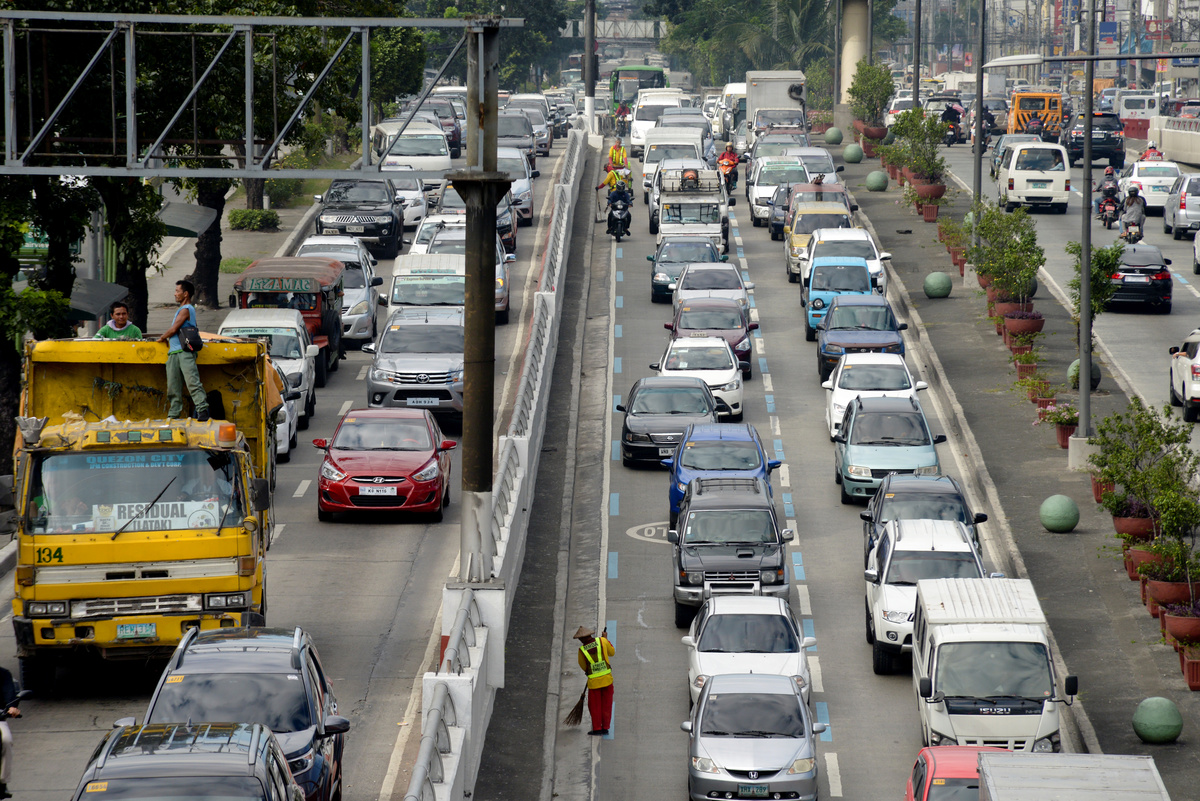
Vehicles queue in traffic along EDSA highway in Makati City, Philippines, February 11, 2019. REUTERS/Eloisa Lopez
Metro Manila, a sprawl of 16 cities fused together by outdated infrastructure, is creaking under the weight of millions of vehicles, owing largely to economic growth of more than six percent a year since 2012.
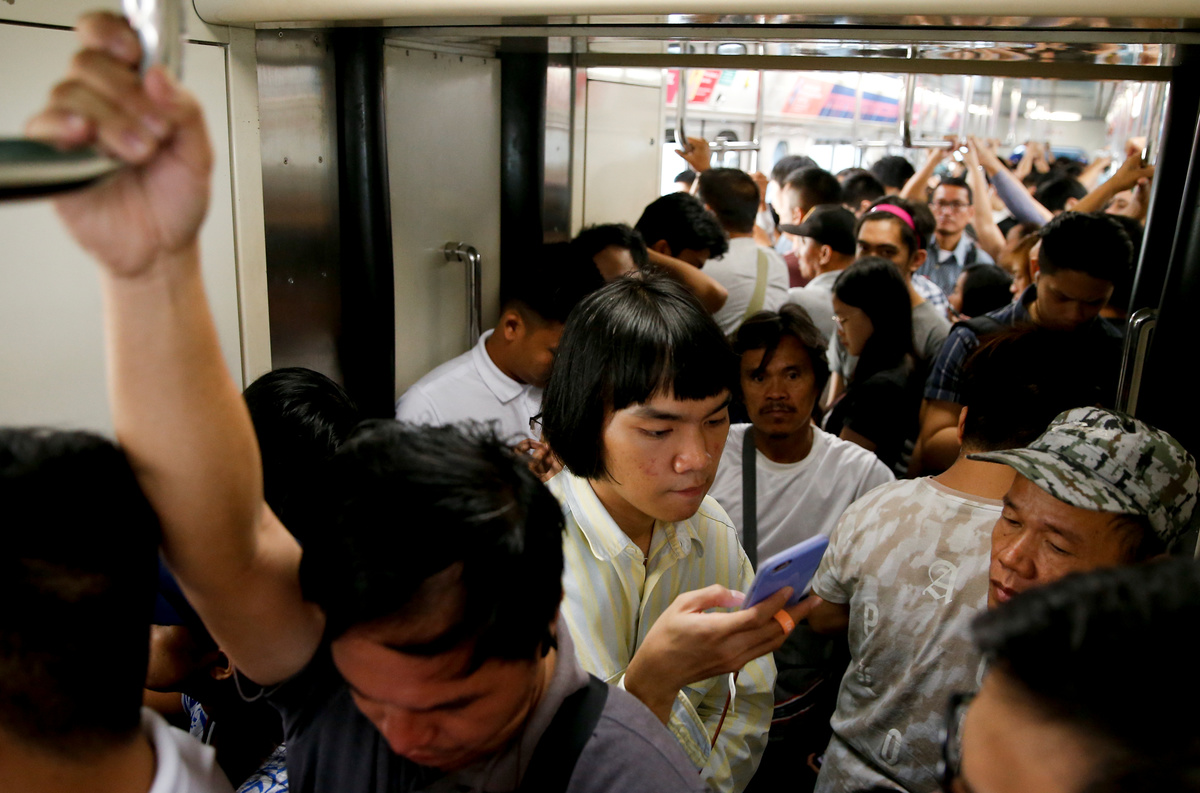
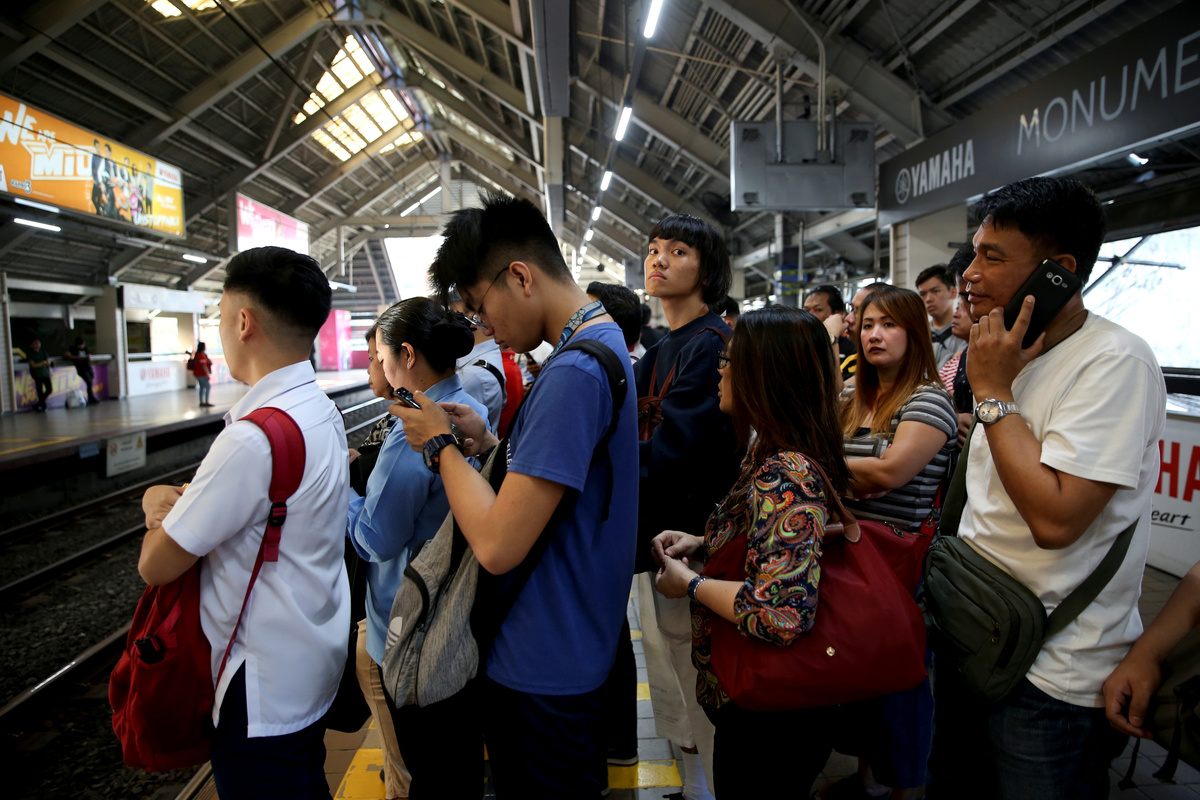
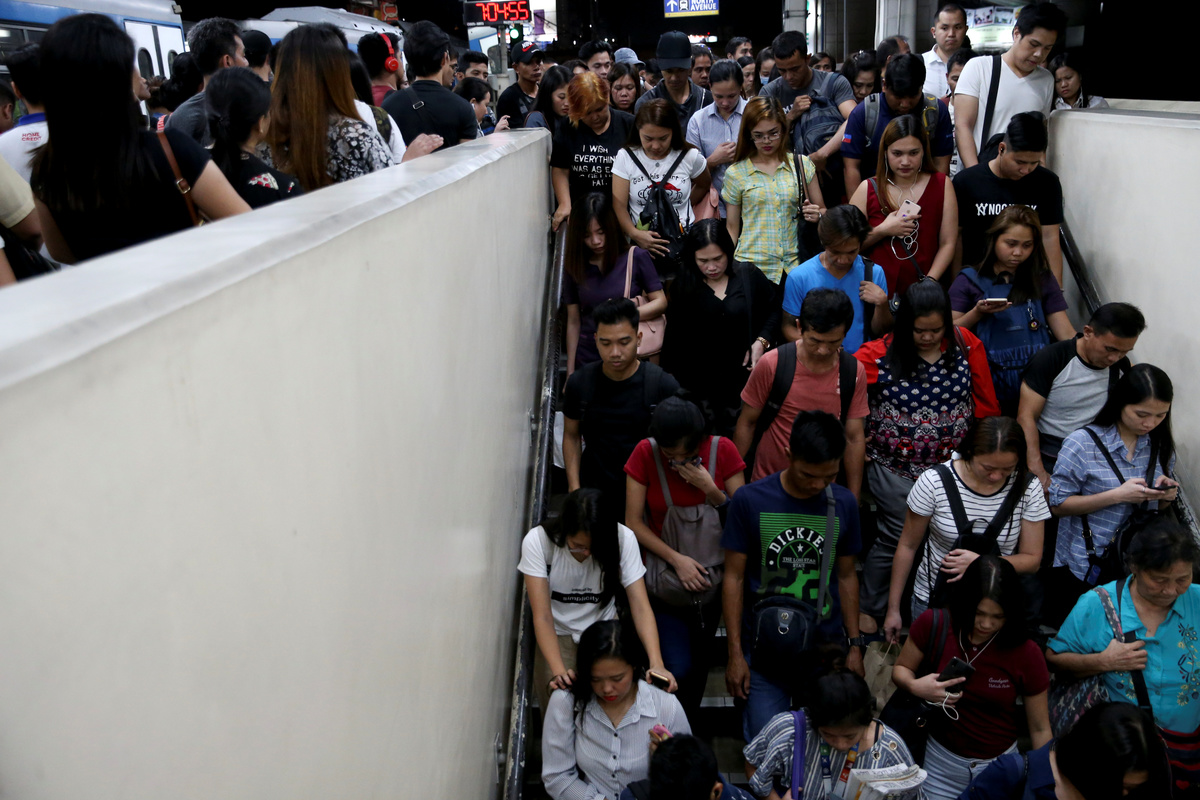
Urban rail coverage is limited, trains are prone to breakdowns and queues spill onto streets where exhaust fumes are intoxicating.
Quality of life is poor for many urban Filipinos, who spend a chunk of their day commuting.
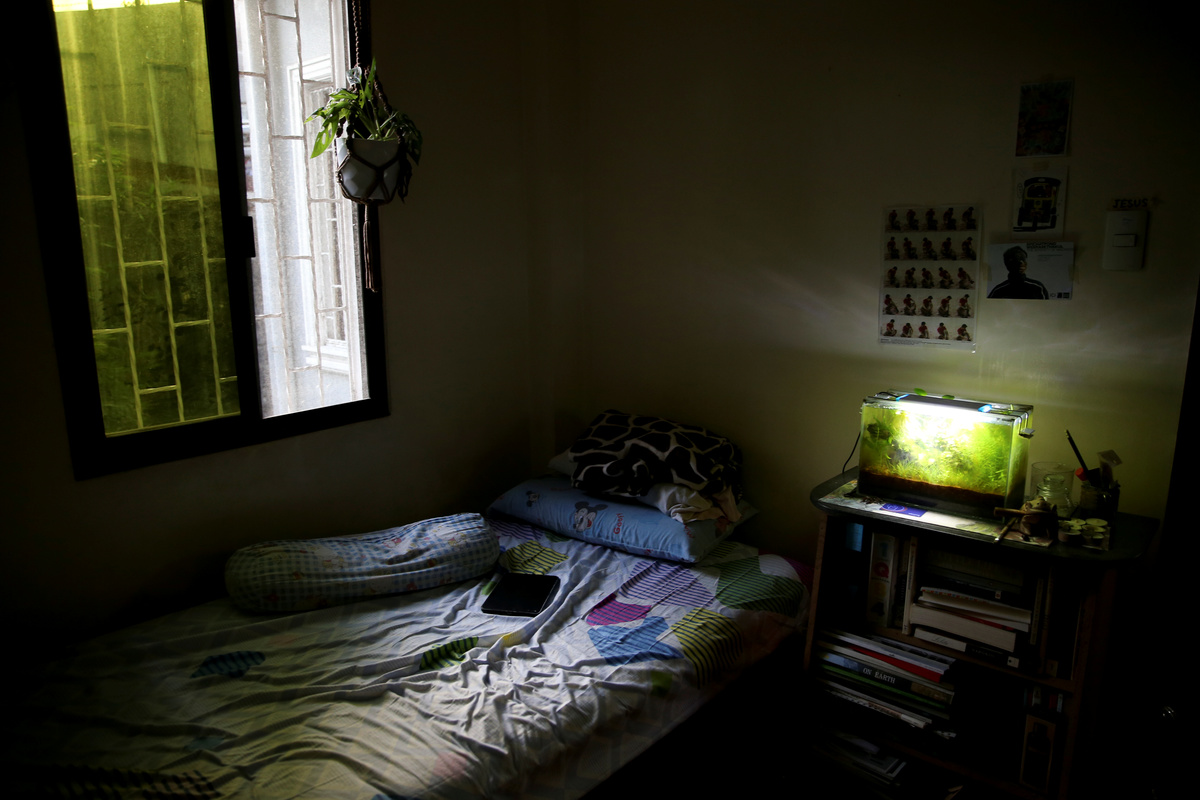
An aquarium glows in the bedroom of Oliver Emocling, 23, who works for a magazine, at his family home in Malabon City, Metro Manila, Philippines, October 15, 2018. REUTERS/Eloisa Lopez
Janice Sarad works at a bank head office and leaves home four hours before work starts in Bonifacio Global City, a Manila business hub.
On a typical day, Sarad, 22, takes a train, a bus and two passenger jeeps to get to work.
"In the morning, it's even more difficult to commute because the pressure not to be late is there. You really have to fight your way in," she said.
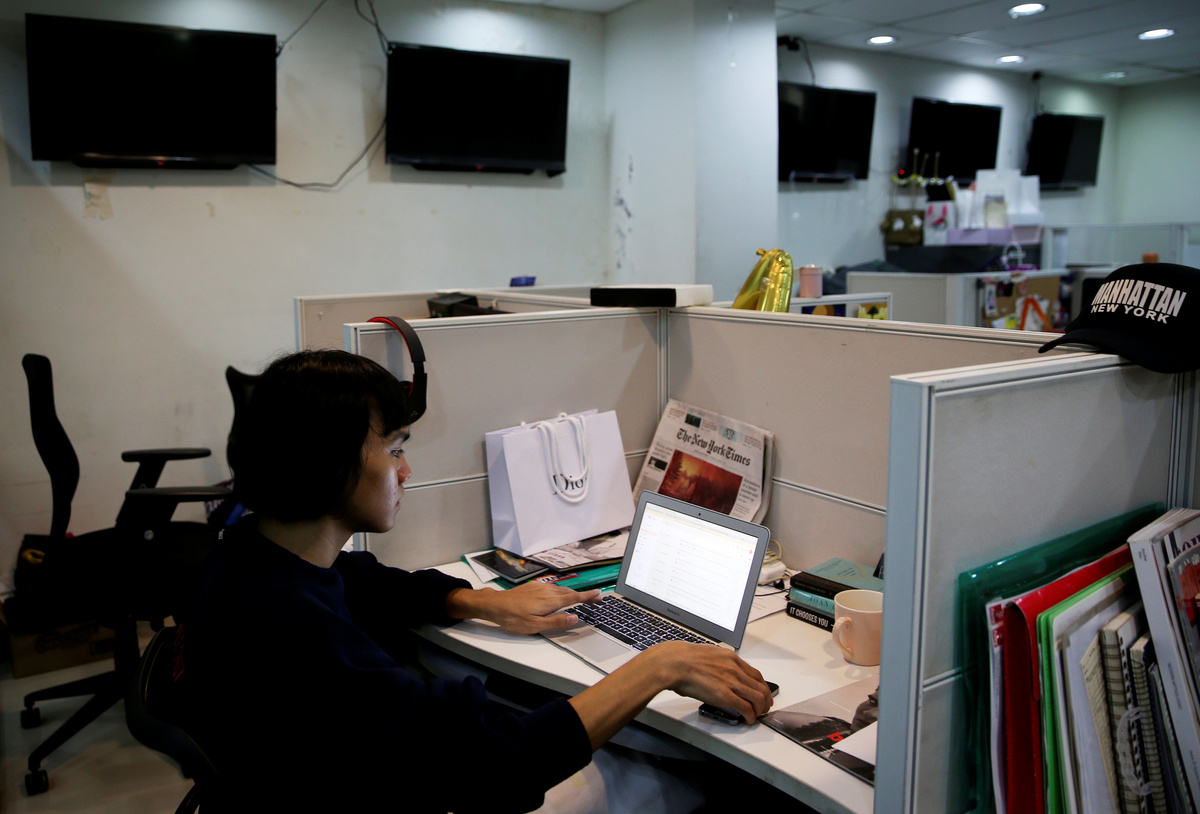
Oliver Emocling, 23, who works for a magazine, uses his phone on the train going to work in Manila, Philippines, November 29, 2018. Emocling often uses his travel time to read the news or draft his first article for the day. "Sometimes I really have to bring my work or my rest into my commute," he said. REUTERS/Eloisa Lopez
Click on https://reut.rs/2U956uA for a related photo essay.
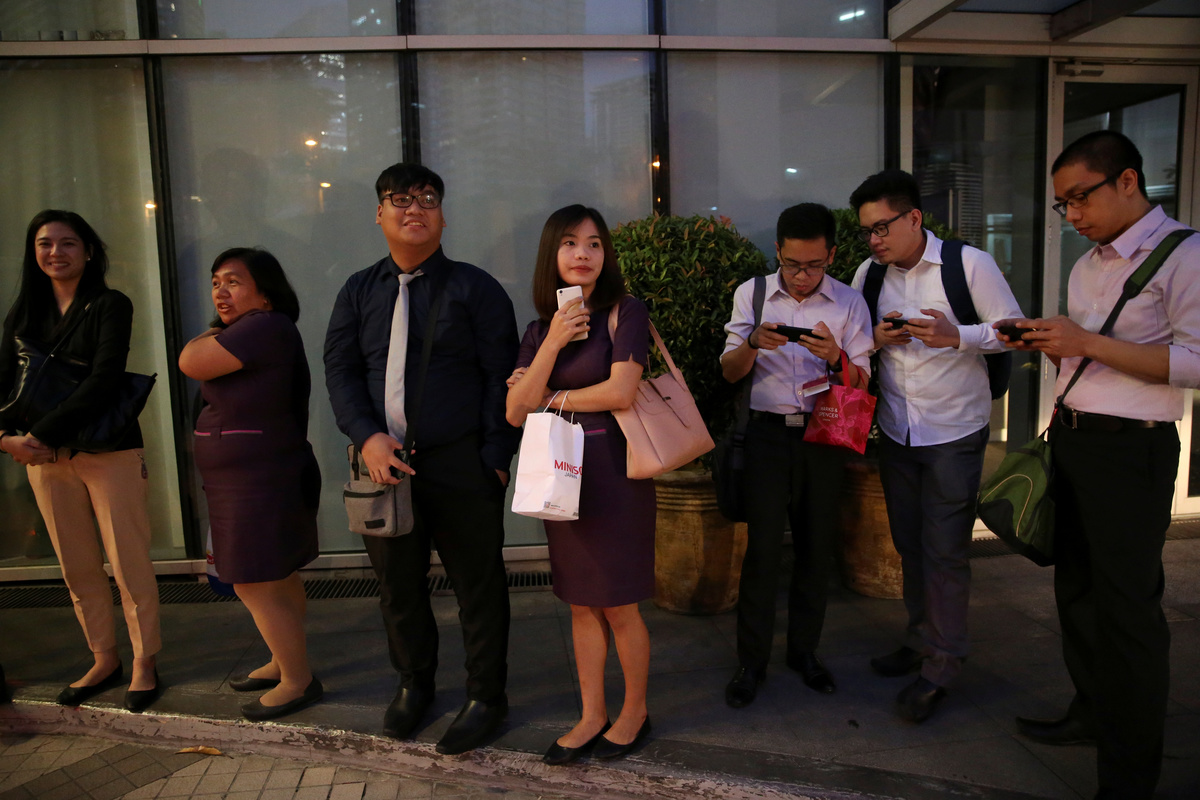
Oliver Emocling, 23, who works for a magazine, waits for the train with other passengers at a train station in Caloocan City, Metro Manila, Philippines, October 15, 2018. Queues are often an issue in Emocling's commute, which sometimes take as long as 30 minutes to an hour. When the queue is unreasonably long, he takes a roundtrip to another station where the crowd is not as deep. "Instead of waiting, I'd rather spend more money because if I'm late to work, I lose more." Emocling said he once received only half of his salary because of the number of times he arrived late due to long queues. REUTERS/Eloisa Lopez
HEAVY TOLL
A 2015 survey by GPS-based navigation app Waze found that Manila had the world's worst traffic congestion, partly due to a tripling of annual car sales from a decade ago.
Oliver Emocling, 23, rides the train, but queues are so long that he arrives late often, and has been docked wages as punishment.
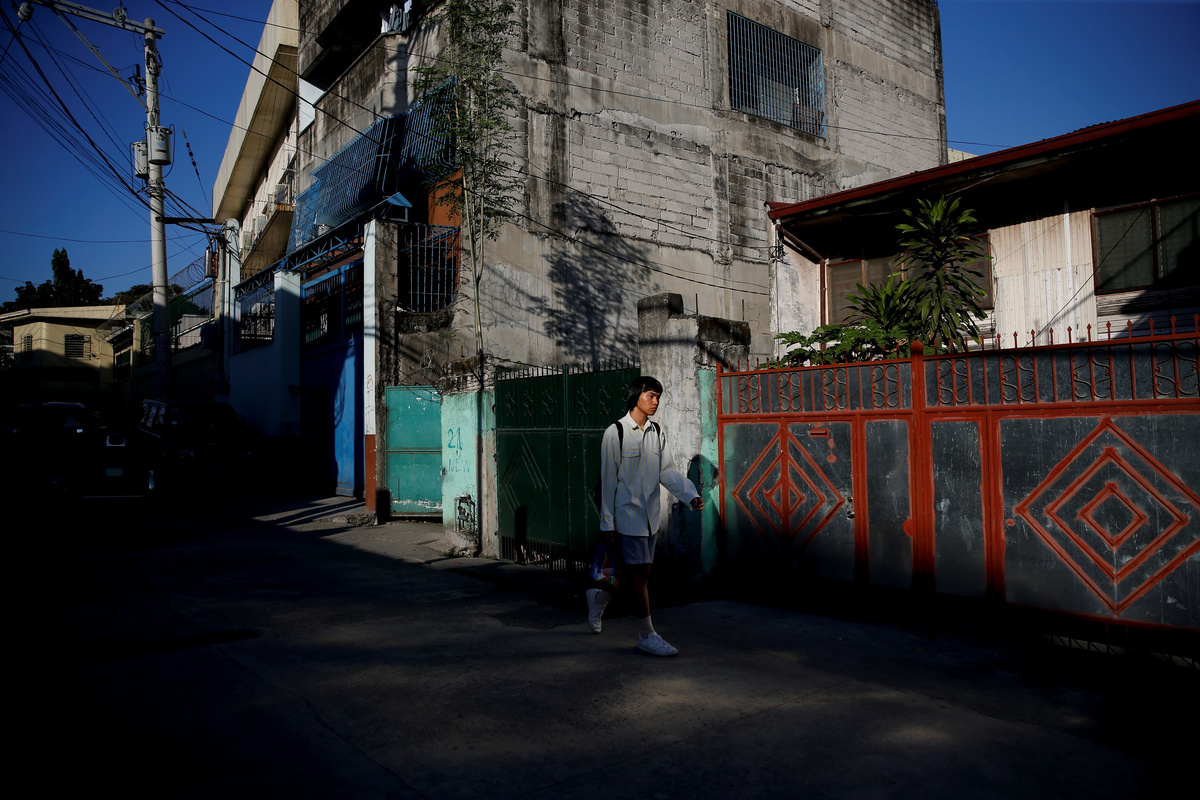
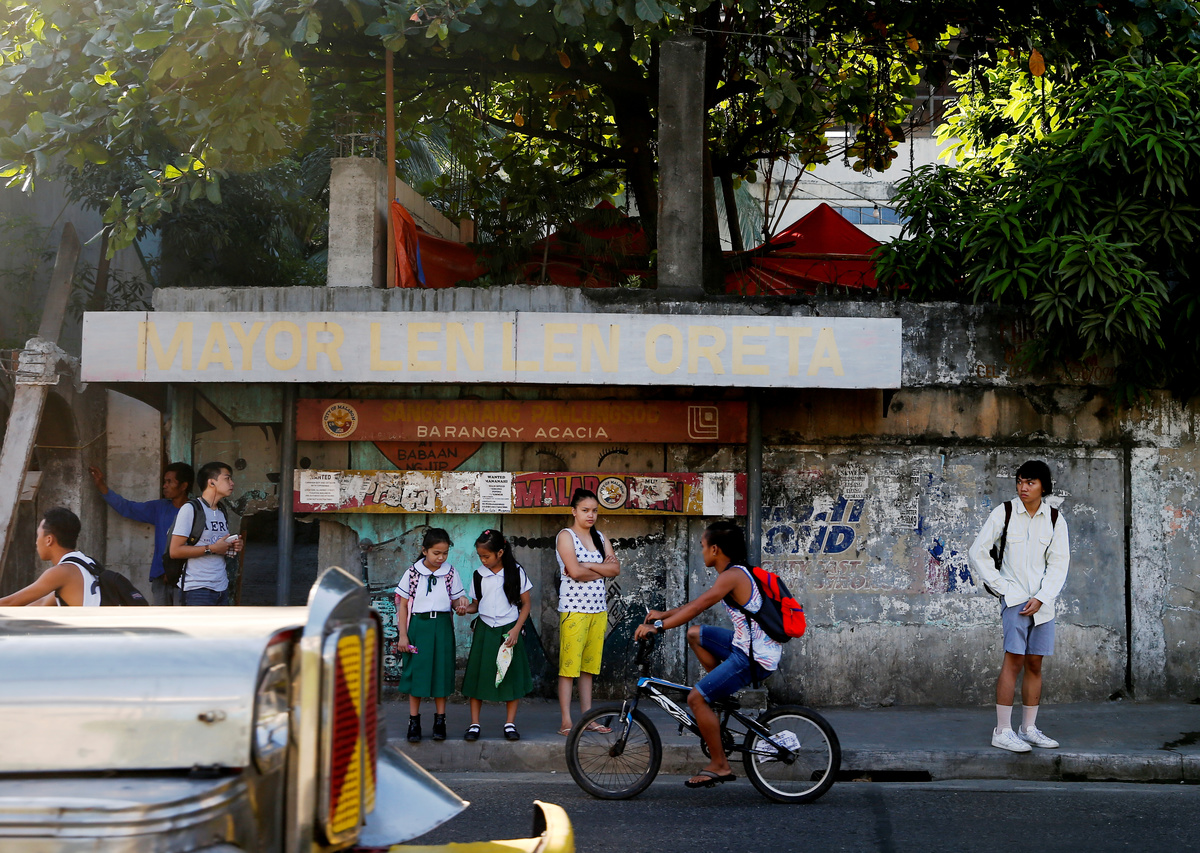
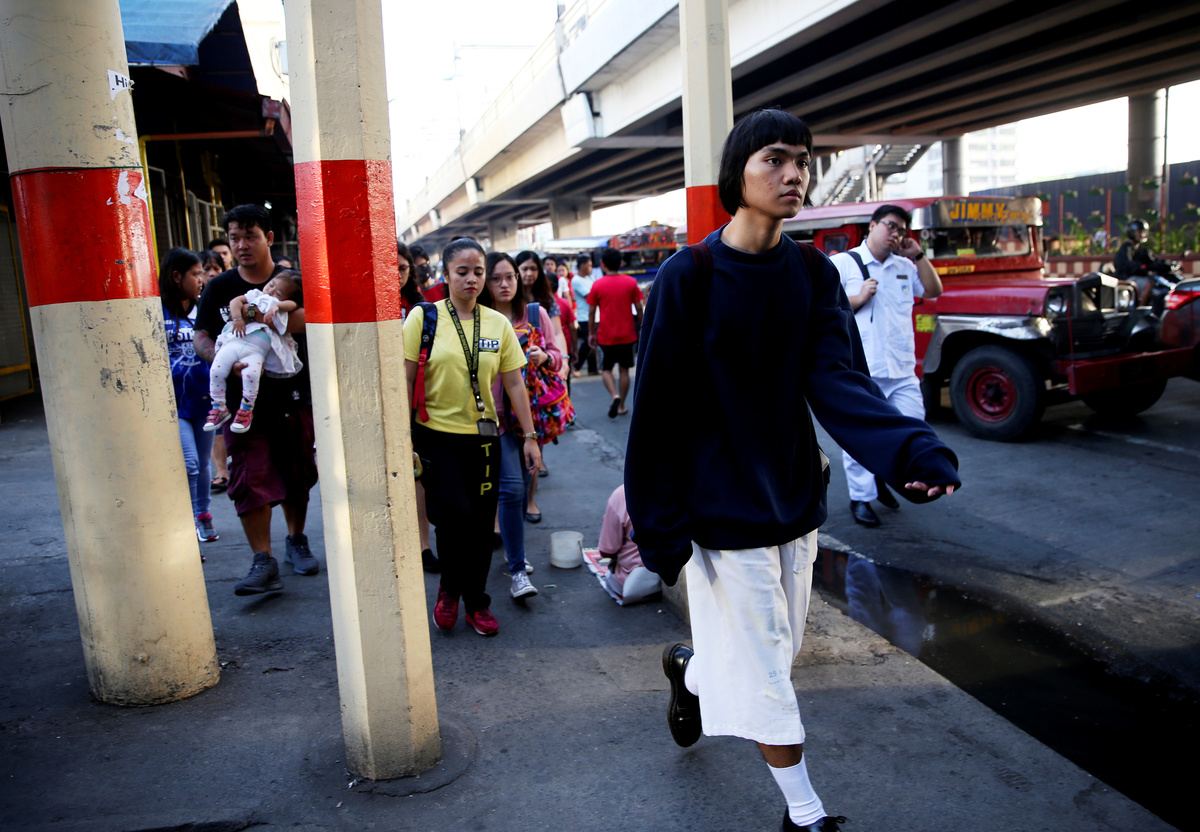
Oliver Emocling, 23, who works for a magazine, leaves his neighbourhood in Caloocan City, Metro Manila, Philippines, November 29, 2018. Because of the long travel hours, Emocling not only lacks sleep, but also misses meals. "I usually don't get to eat breakfast or dinner unless I wake up really early, or eat out. When I get home, it's already 10 p.m., and my body is just craving sleep rather than food," he said. REUTERS/Eloisa Lopez
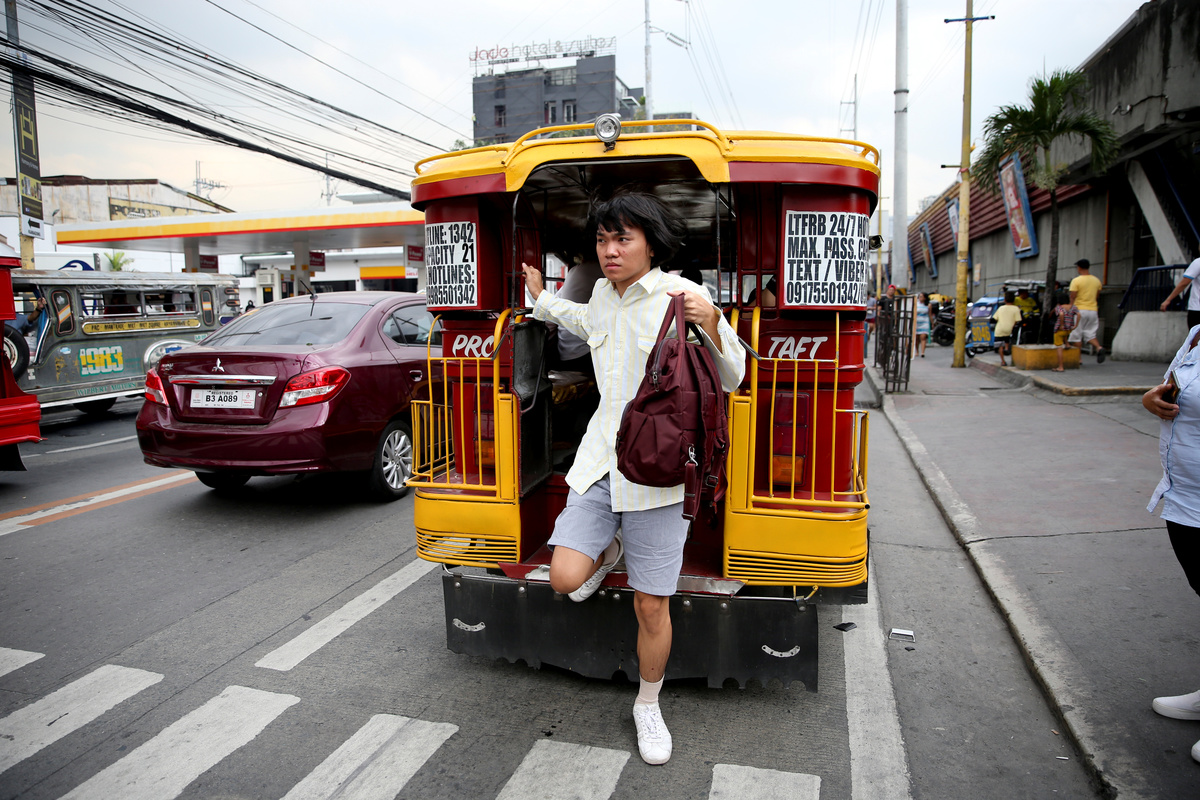
"When I get home, it's already 10 p.m.," said Emocling, who works at a magazine. "I could be using that time to sleep more, rest more. Instead, my time gets wasted".
The daily loss of business in Manila due to traffic woes has risen to 3.5 billion pesos ($67.2 million) in 2017 from 2.4 billion pesos ($46.1 million) in 2012, according to the Japan International Cooperation Agency.
President Rodrigo Duterte said on Saturday fixing Manila's traffic wasn't easy, adding that it was the only campaign promise he had failed to deliver.
Janice Sarad, 22, who works for a bank, leaves her neighbourhood to go to work, in Antipolo City, Rizal province, Philippines, November 26, 2018. Sarad leaves her home between 4:30-5:00 a.m., to arrive at her job that starts at 8:30 a.m. "In the morning, it's even more difficult to commute because the pressure not to be late is there. You really have to fight your way in. In the evening, it doesn't matter if you get home late," she said. REUTERS/Eloisa Lopez
He recently approved a law that encourages companies to support more employees to work from home.
The government is making some headway on an $180 billion program to modernize roads, railways and airports, including a subway system set to begin construction on Wednesday.
However, the building works are exacerbating snarl-ups.
Oliver Emocling, 23, who works for a magazine, sits at his desk at a publishing company in Makati City, in Metro Manila, in Philippines, October 15, 2018. REUTERS/Eloisa Lopez
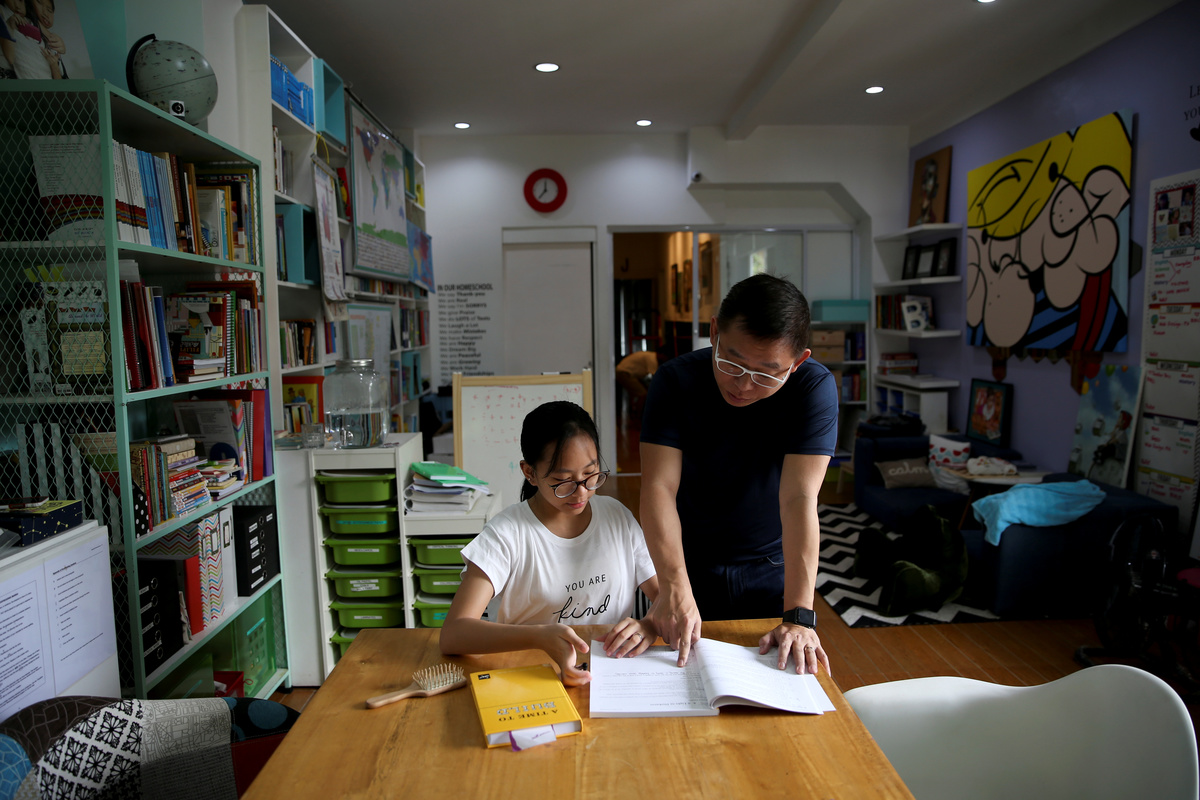
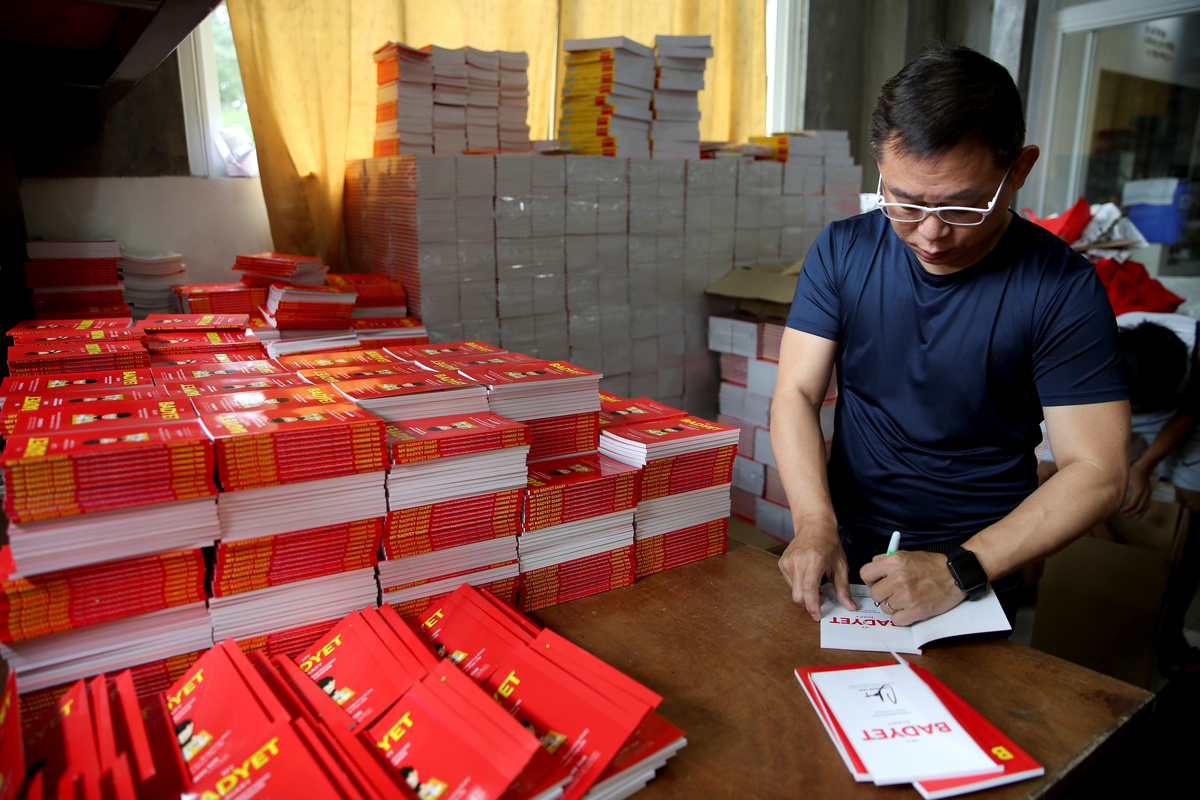
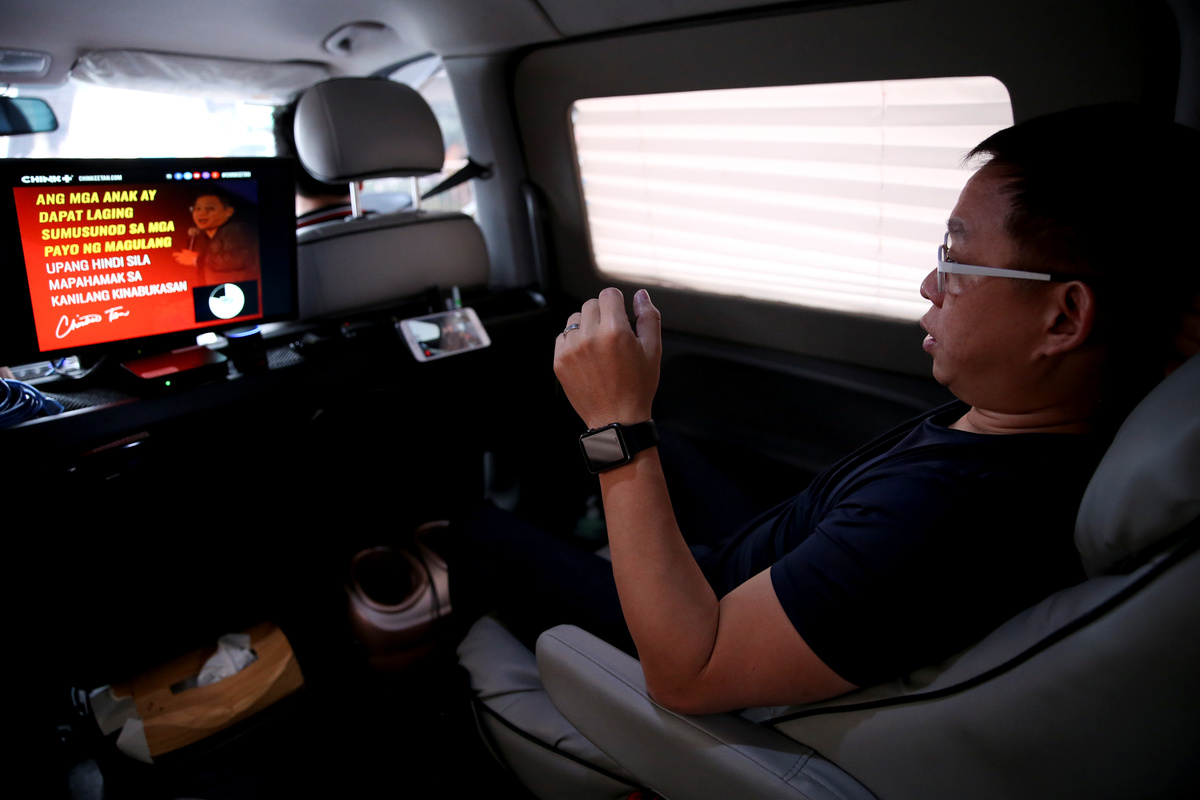
Ferdinand Tan, a 53-year-old wealth coach, lets his staff work from home and has modified his van to cope with traffic, turning it into a mobile office with a power supply, computer and even a foot massager.
"No one can really solve the traffic. So instead of complaining about it, I try to maximize (the time)," he said.
"I use unproductive time to be productive".
Oliver Emocling, 23, who works for a magazine, gets off a jeepney near his office in Makati City, Philippines, November 29, 2018. "When I get home, it's already 10 p.m.," said Emocling, who works at a magazine. "I could be using that time to sleep more, rest more. Instead, my time gets wasted". REUTERS/Eloisa Lopez
(Additional reporting by Neil Jerome Morales; Editing by Martin Petty and Darren Schuettler)
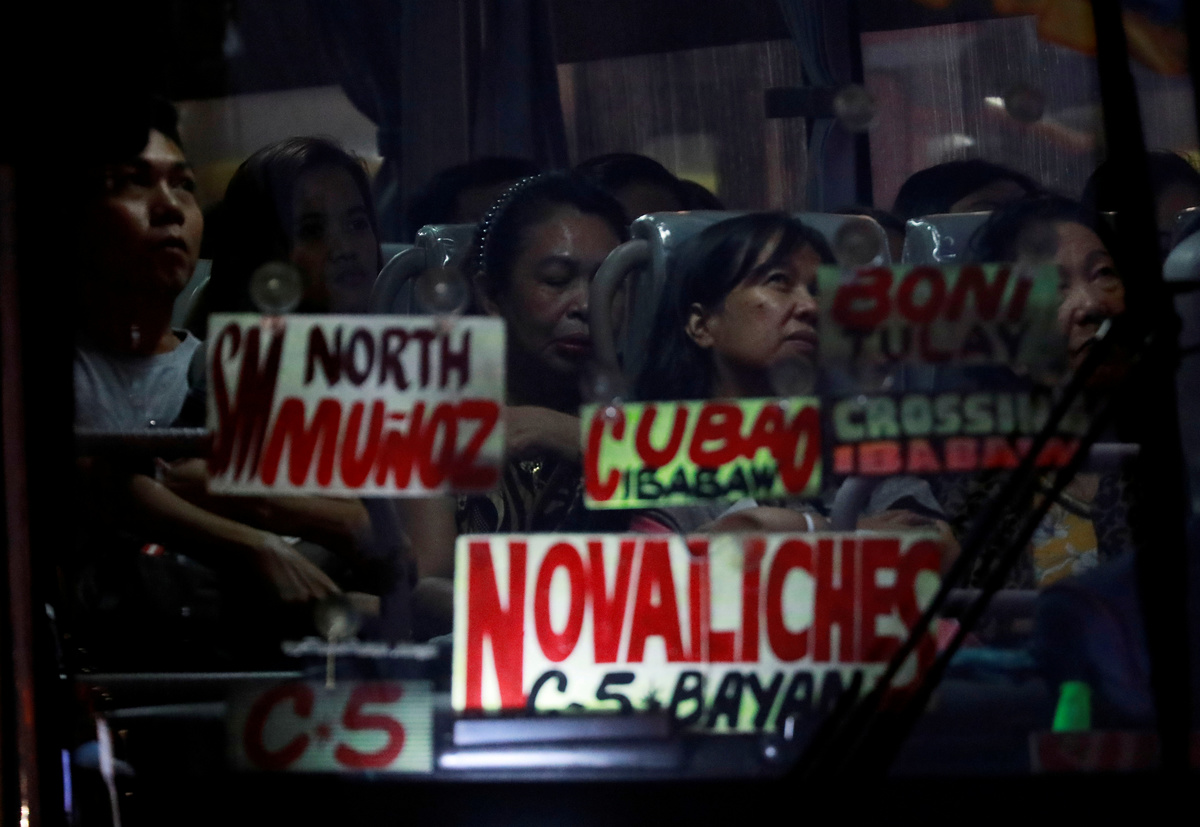
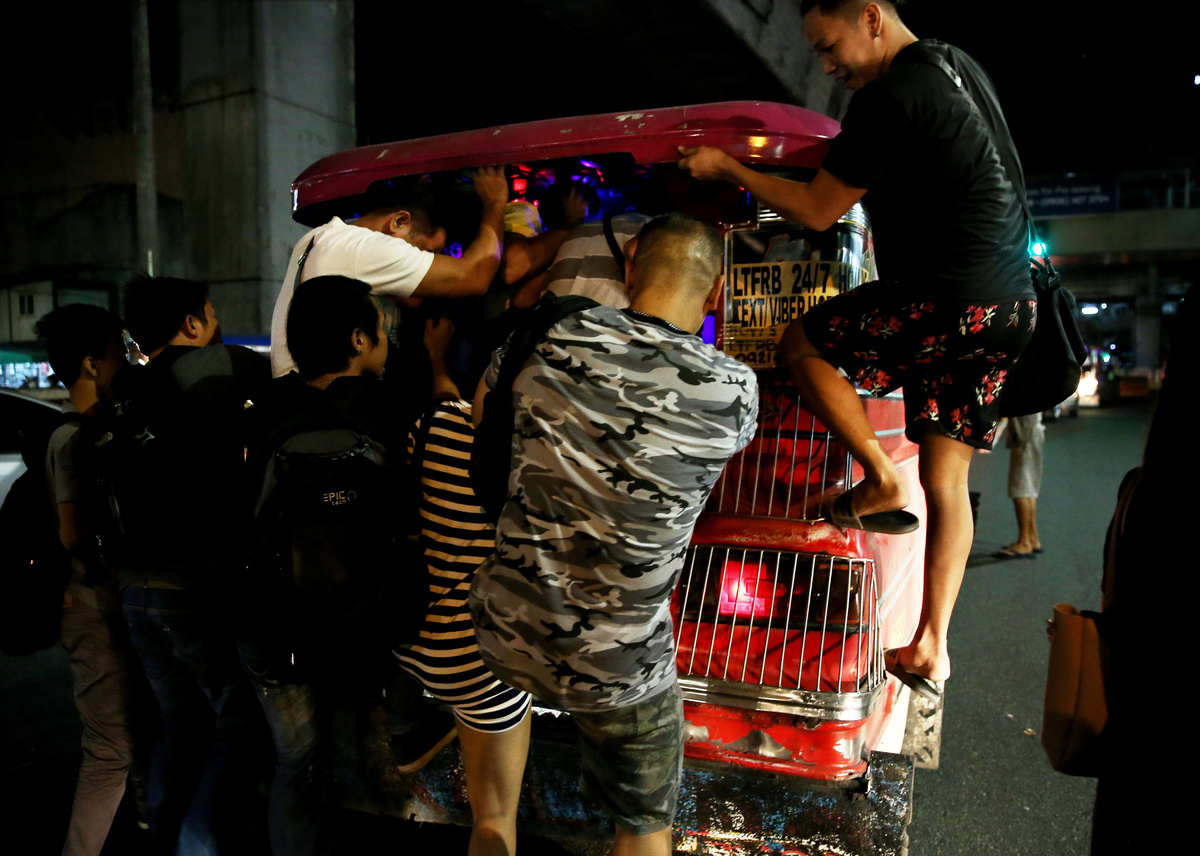
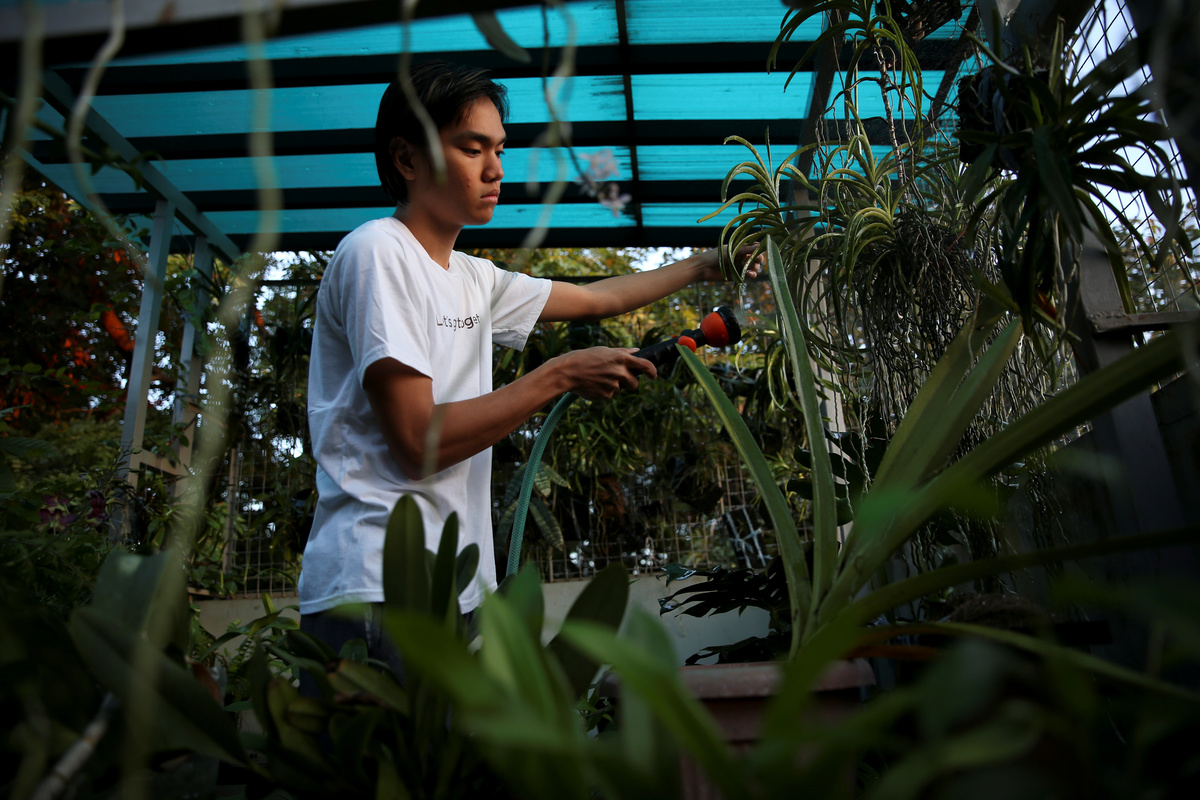
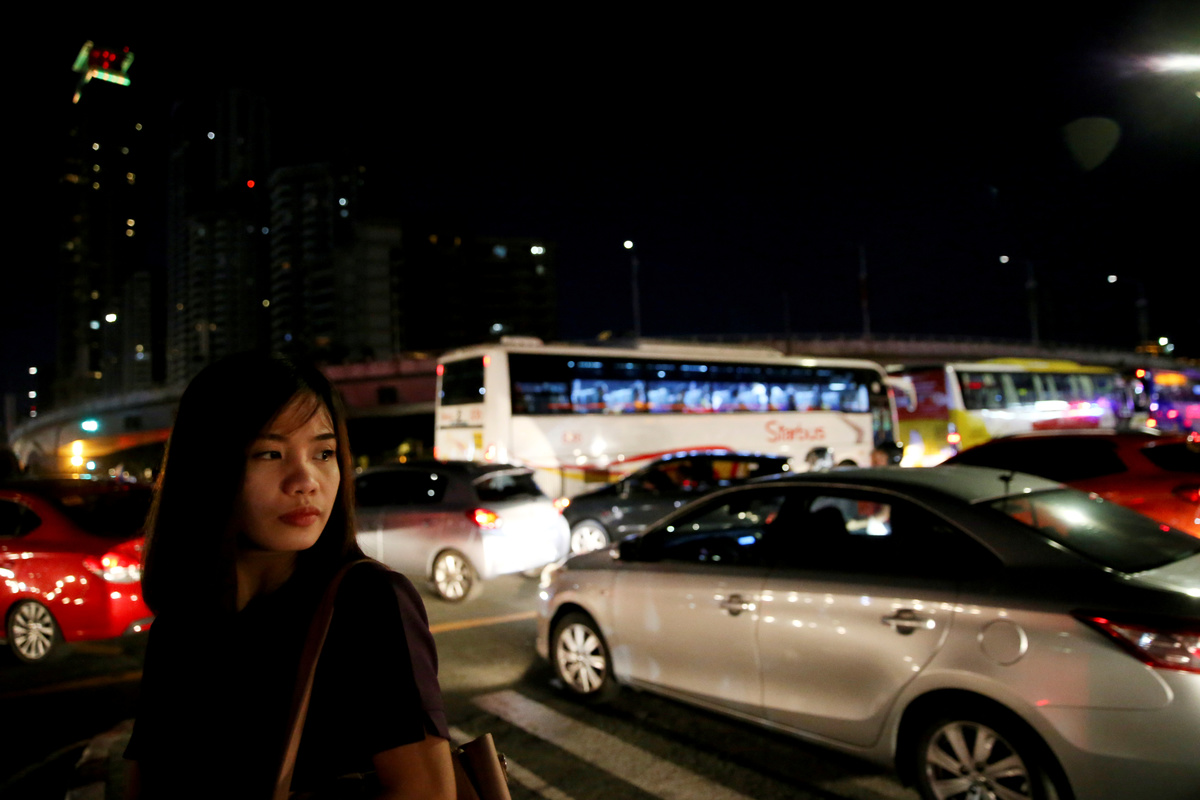
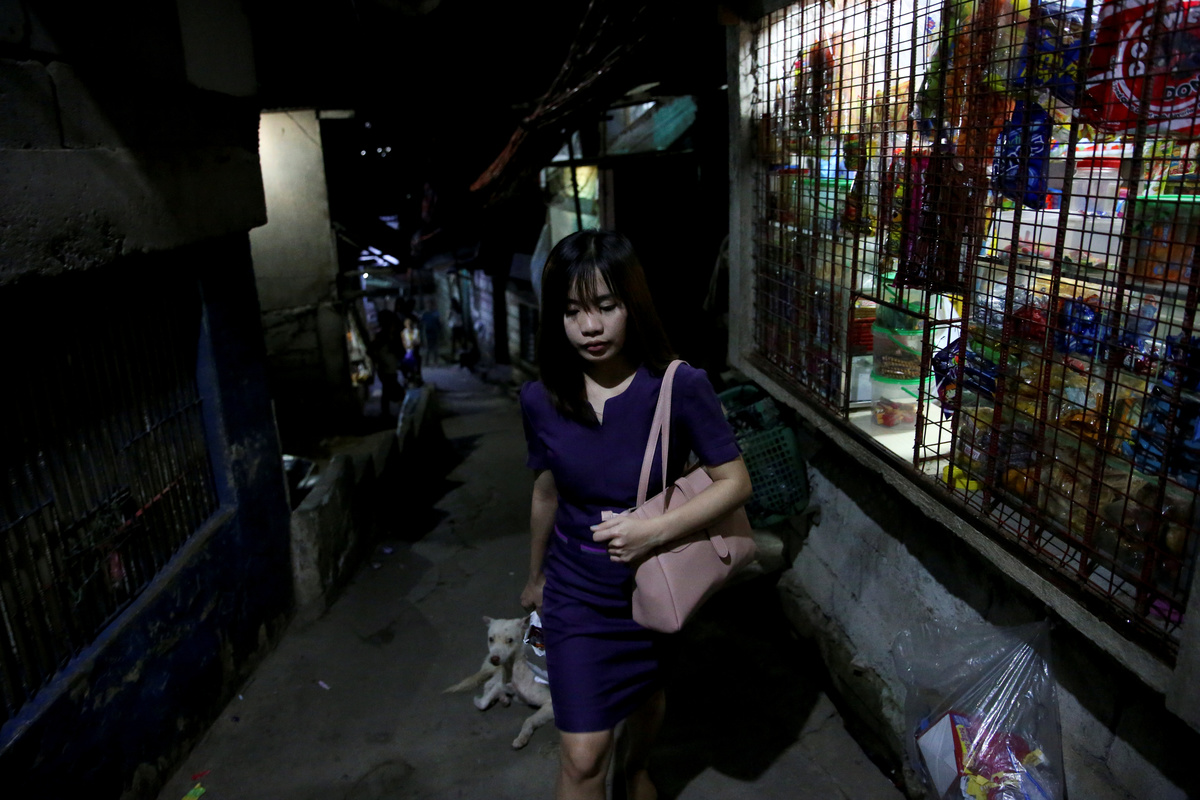
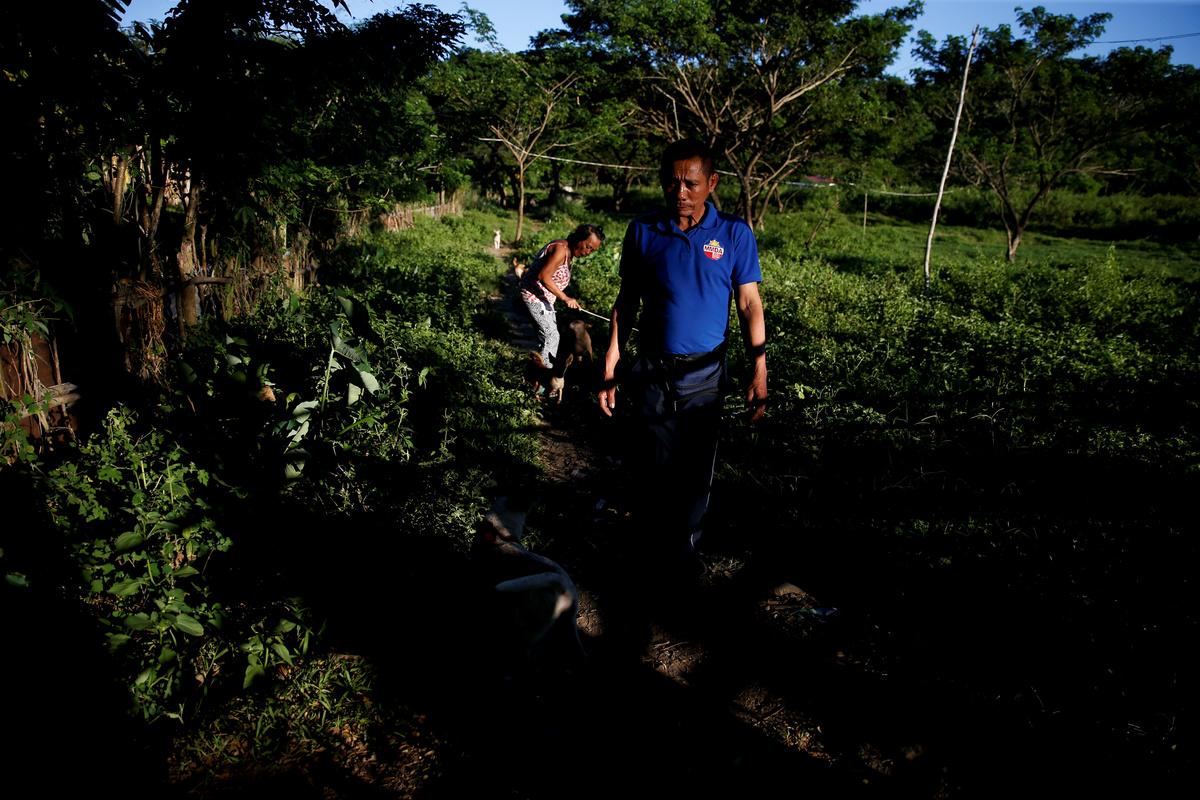
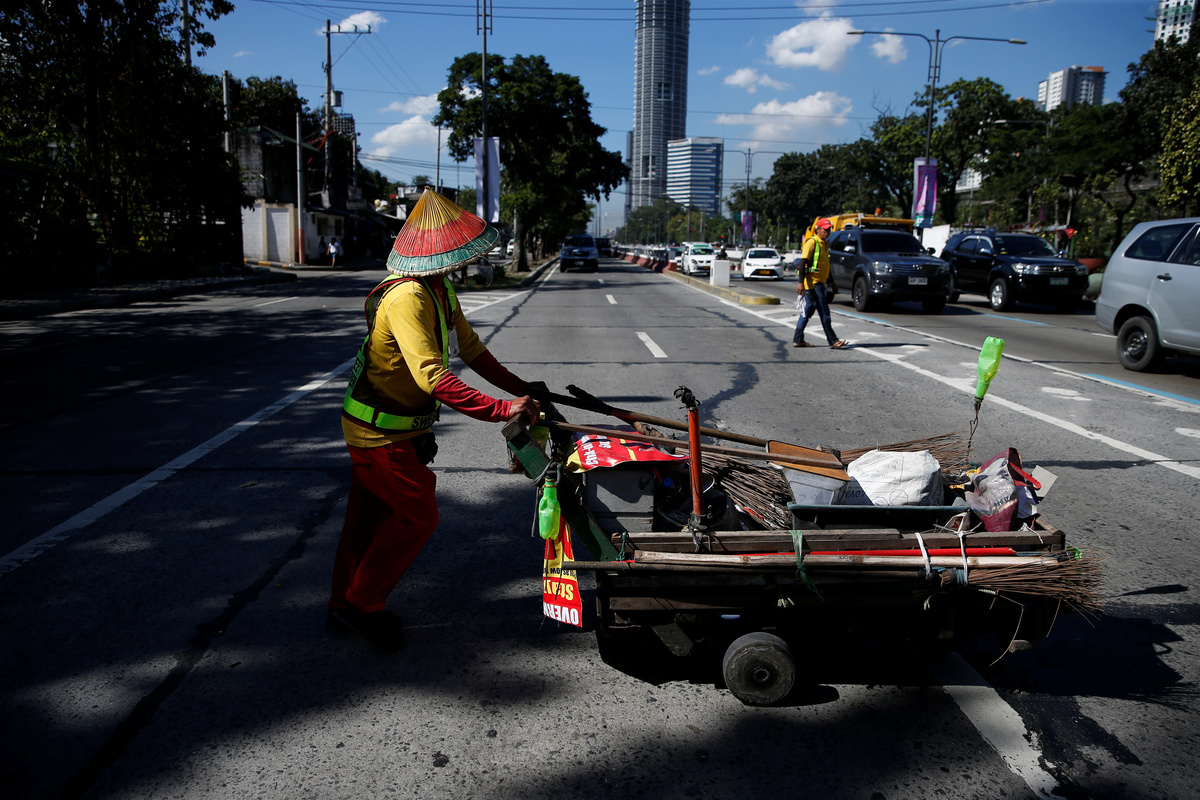
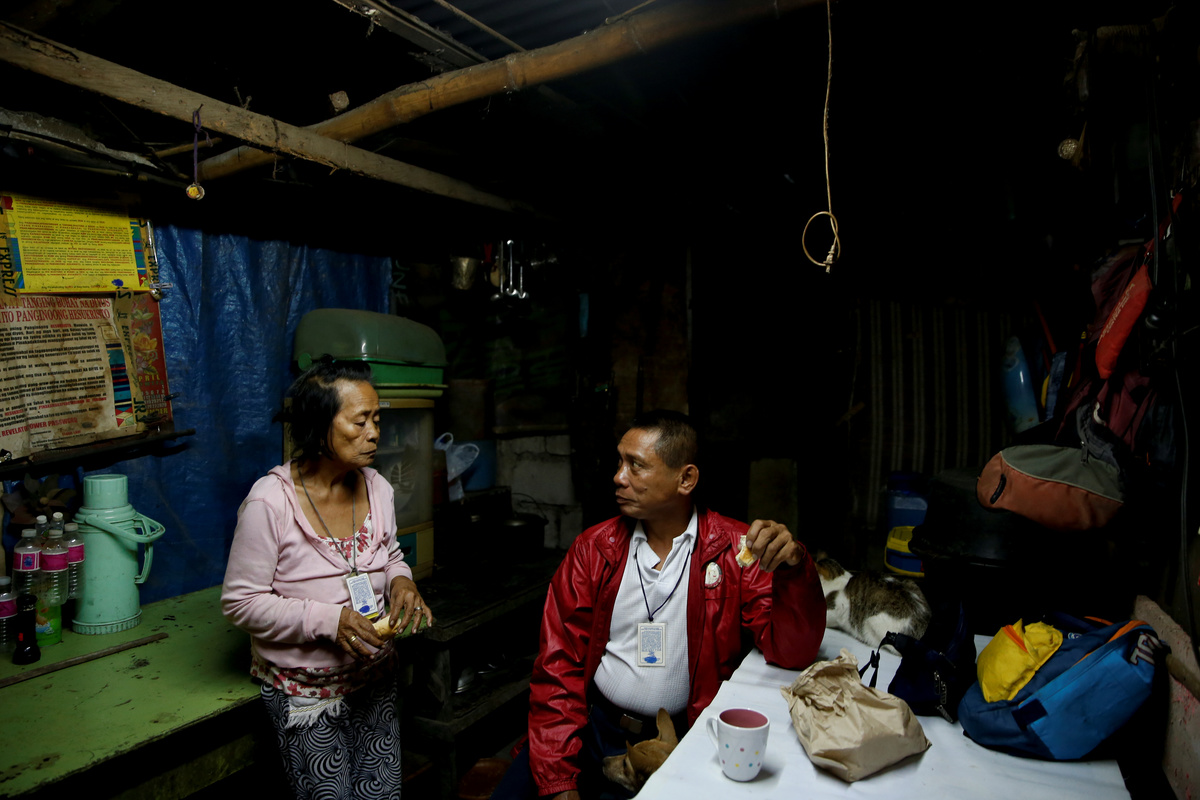
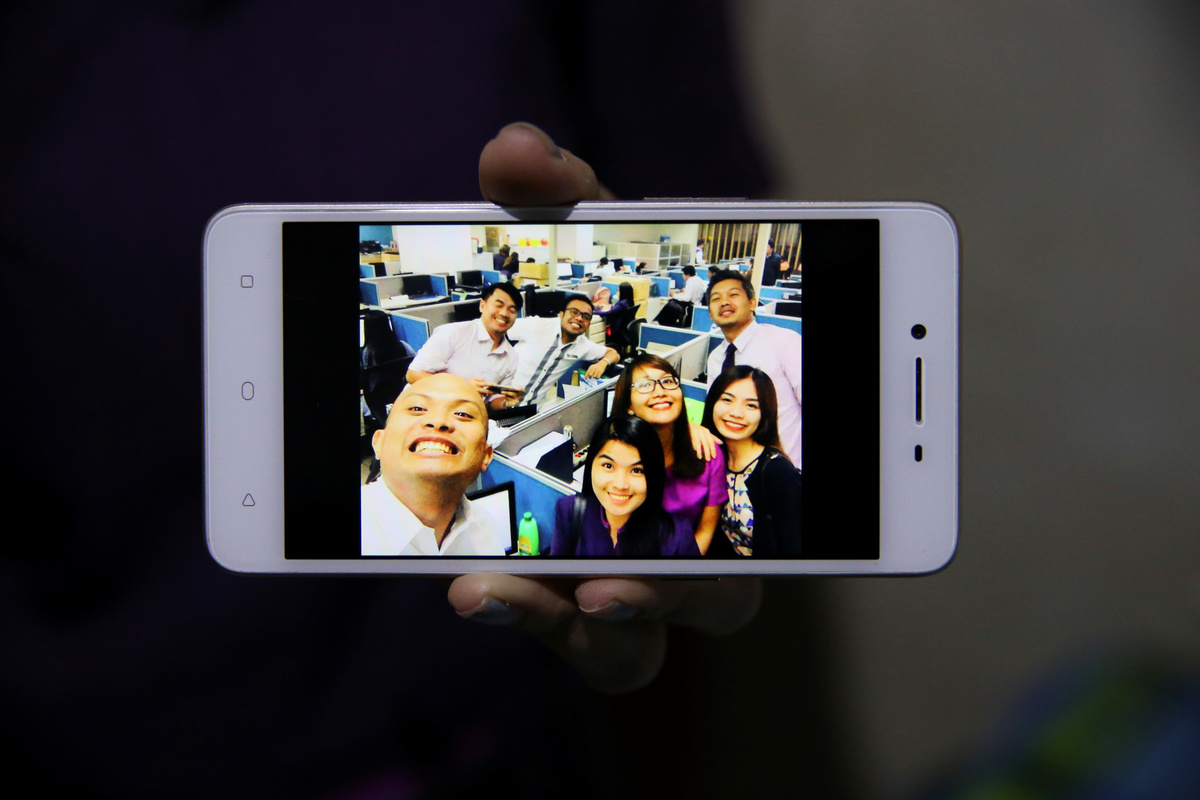
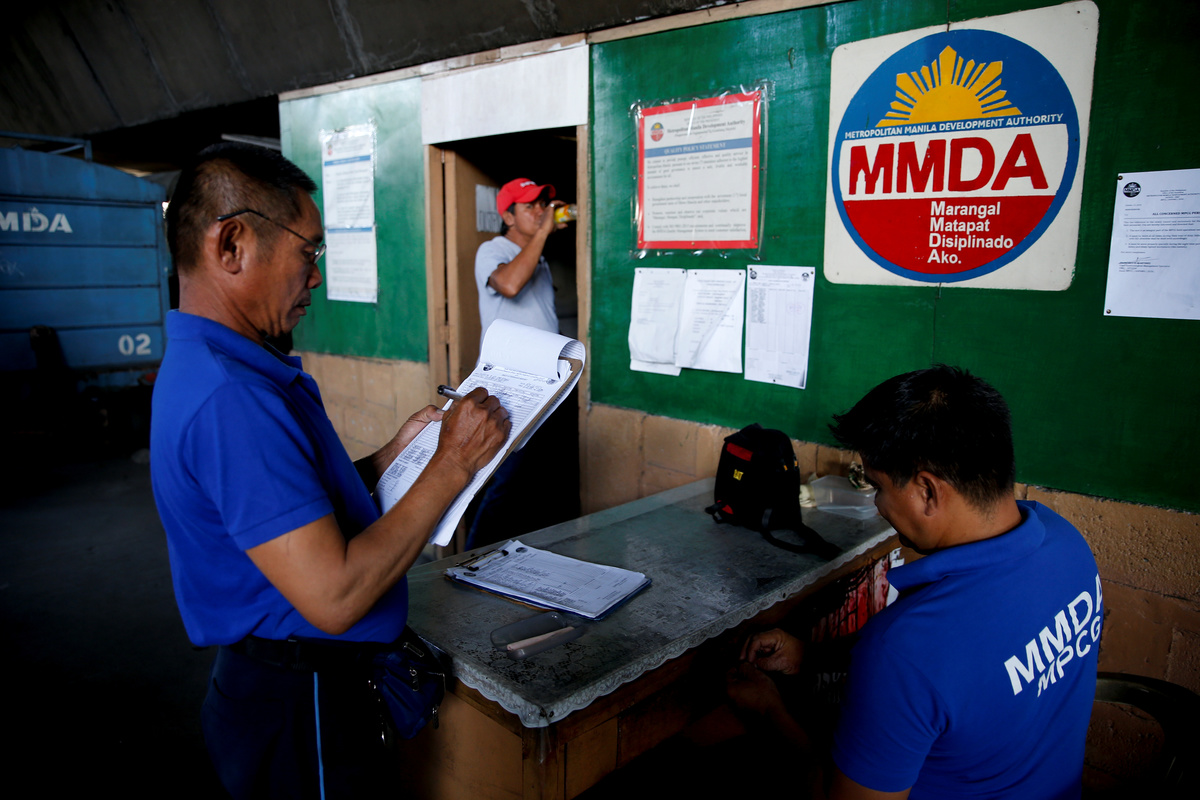
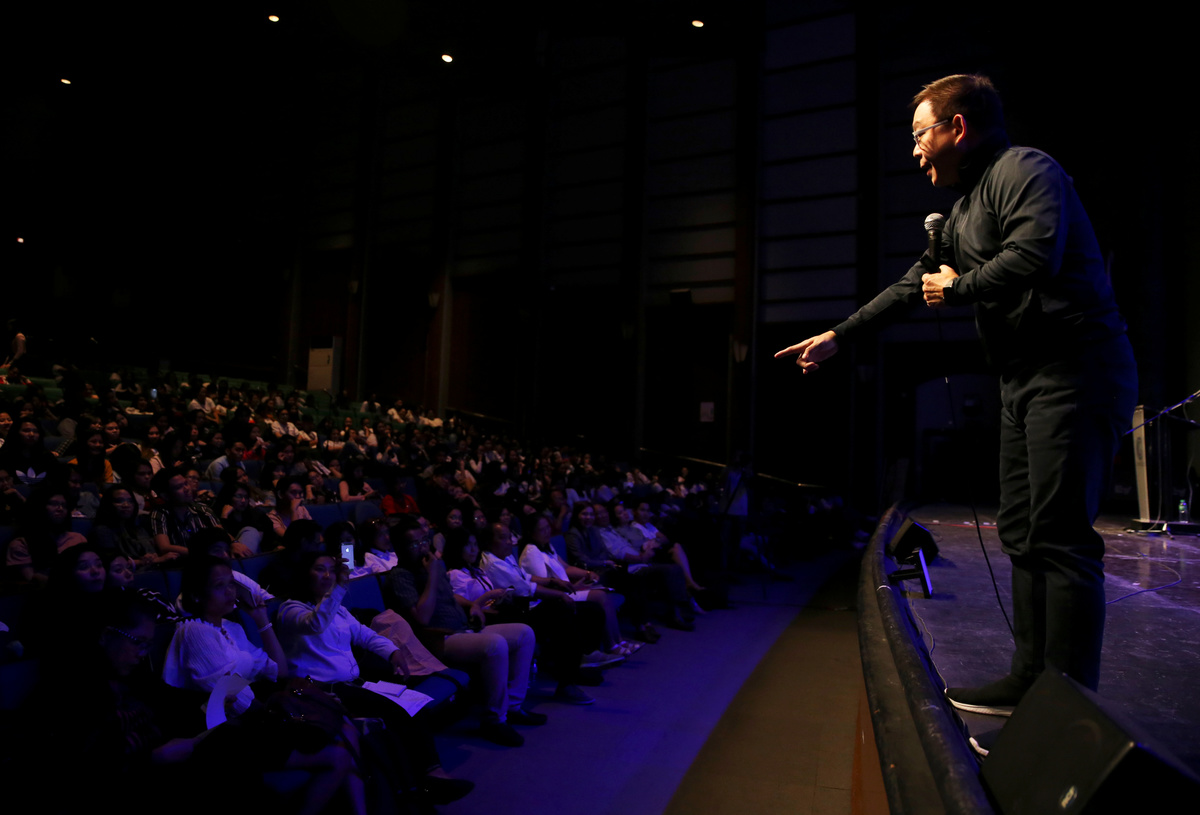
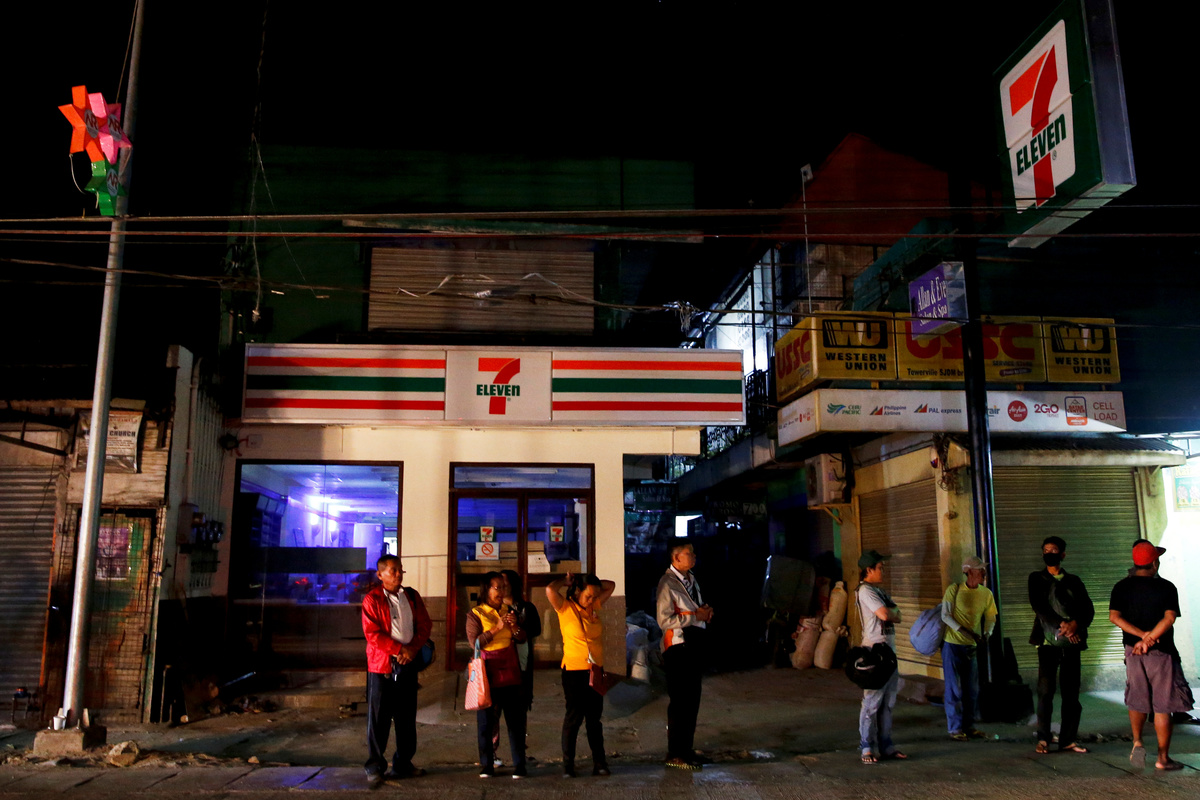
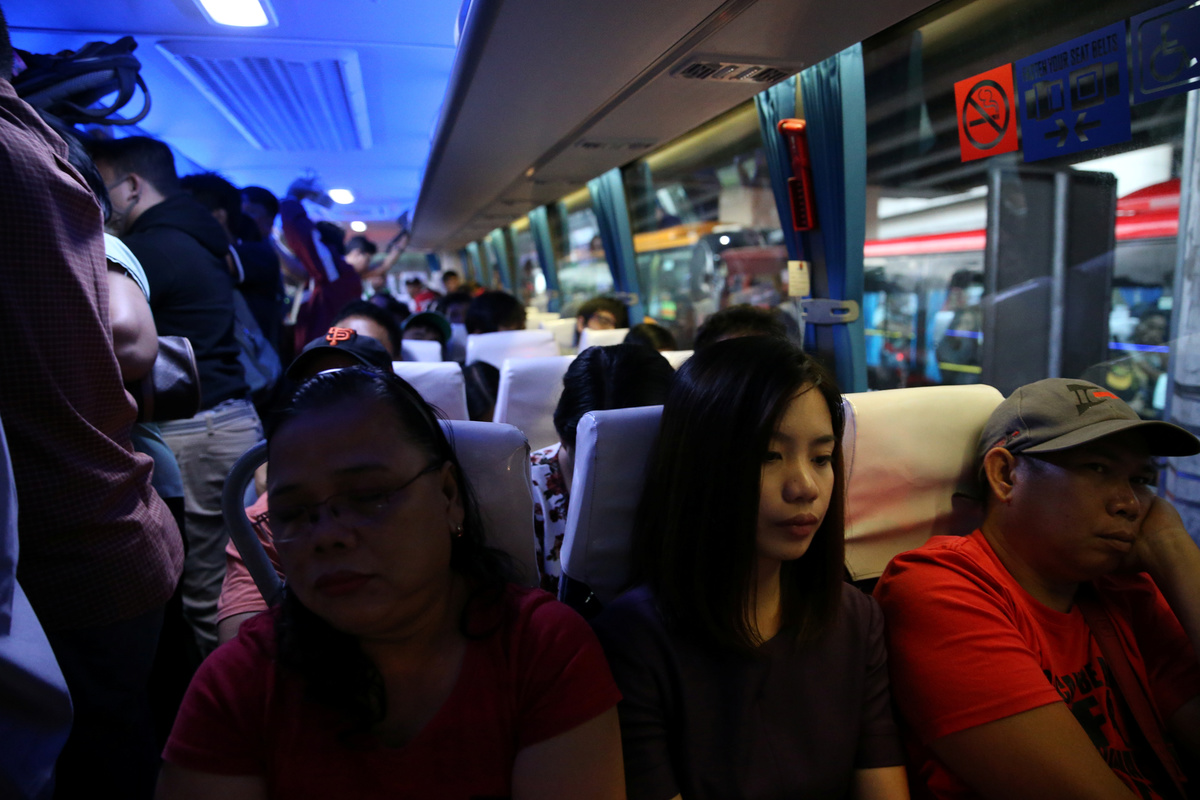
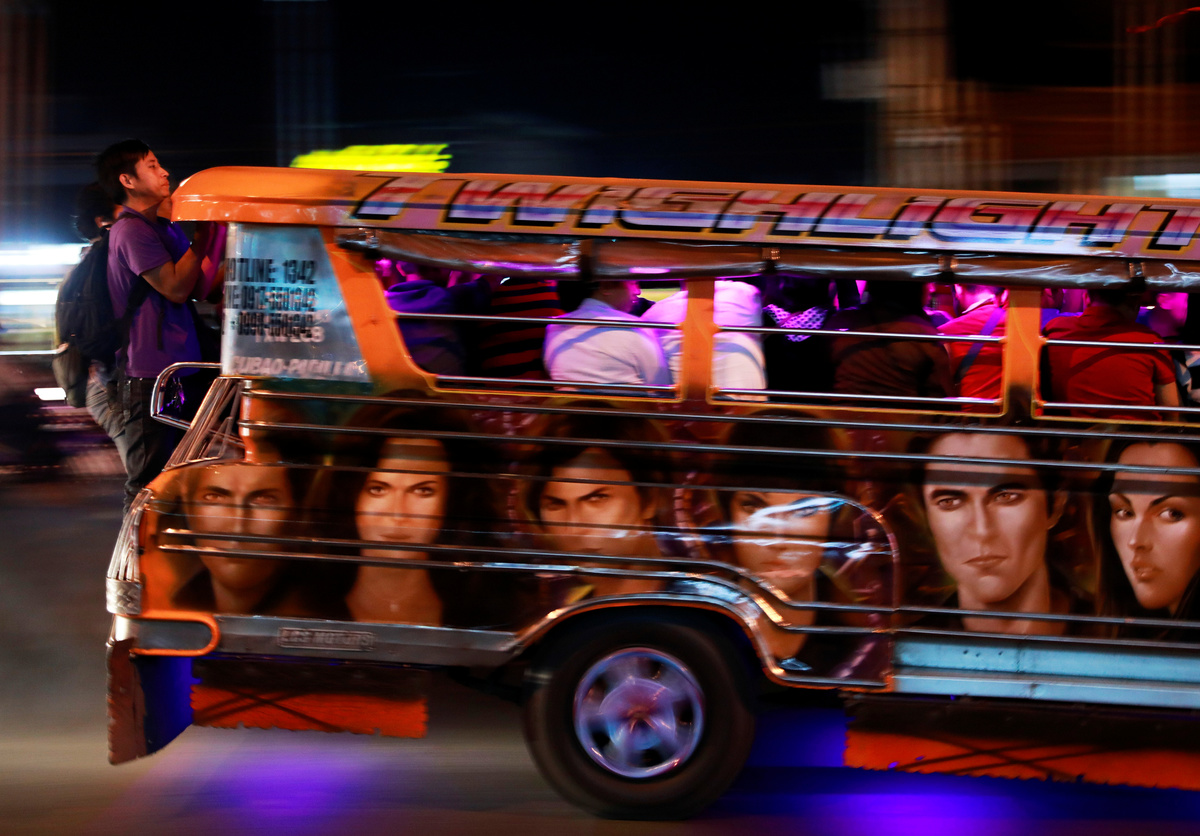
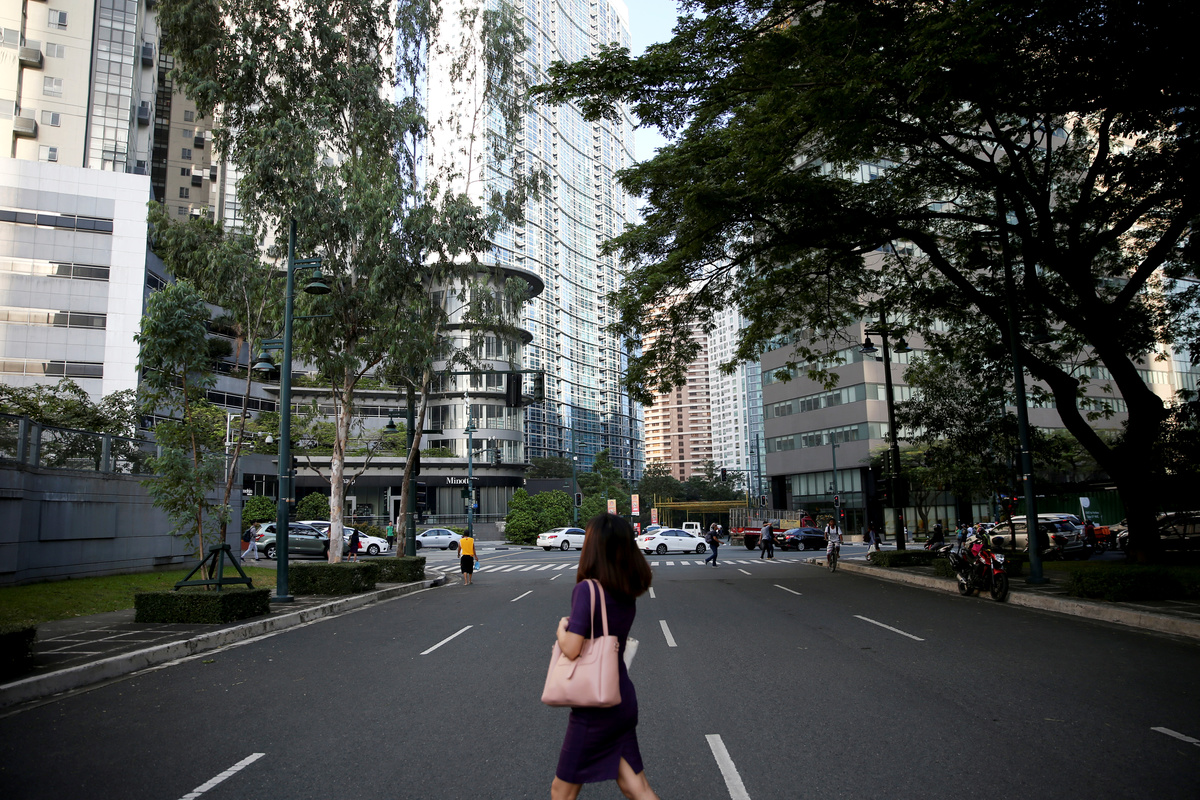
Commuters watch television inside a bus stuck in traffic along EDSA highway in Makati City, Philippines, February 12, 2019. REUTERS/Eloisa Lopez Oliver Emocling, 23, who works for a magazine, waits for a jeepney in Caloocan City, Philippines, November 29, 2018. Emocling travels about 16 kilometres to get to work. "I think it's really a struggle, especially here in Manila. Most jobs, especially in our line of work are in Makati City, Bonifacio Global City, and Pasig City, so you have to go out of your way to travel for at least an hour to get to work." REUTERS/Eloisa Lopez Commuters push their way in to a jeepney in Cubao, Quezon City, Philippines, December 3, 2018. REUTERS/Eloisa Lopez Oliver Emocling, 23, who works for a magazine, walks to the train station in Caloocan City, Philippines, October 15, 2018. On weekdays, especially at rush hour, it takes him almost two hours to get to work. "I've accepted that this is the reality of having to work in Makati, and live in Malabon. This is how it is, no matter what I do, no matter what means of transportation I take." REUTERS/Eloisa Lopez Oliver Emocling, 23, who works for a magazine, waters his plants on the rooftop of his family home in Malabon City, Metro Manila, Philippines, October 15, 2018. "I like plants so I water them every morning before I take a bath. For me it's a ritual to look after them every morning," Emocling said. REUTERS/Eloisa Lopez Janice Sarad, 22, who works for a bank, looks at traffic congestion along EDSA road, in Makati City, Philippines, December 3, 2018. REUTERS/Eloisa LopezJanice Sarad, 22, who works for a bank, walks down a street to her home in Antipolo City, Rizal province, in Philippines, December 3, 2018. Sarad usually arrives home between 20:30 to 21:30. "My boss knows how far away my house is. When I get to work late, he just tells me to leave my home 30 minutes earlier to compensate. I really want to be transferred to a different location, somewhere closer to my home," she said. REUTERS/Eloisa Lopez Ferdinand Tan, 53, wealth coach and motivational speaker, observes his daughter who is homeschooled in Cainta City, Rizal province, Philippines, November 30, 2018. Tan and his wife decided to homeschool their children to maximise their hours every day. "I dont want them to spend so much unproductive time travelling every single day. That's time away from the family. And by the time they get home, they're already tired." REUTERS/Eloisa Lopez Alejandro Galasao, 58, street sweeper, sleeps on a bus in San Jose Del Monte City, Bulacan province, Philippines, November 15, 2018. Galasao usually sleeps on the bus going to work, as he only gets four to five hours of sleep each day. "To be honest, there's really not enough time to sleep. The earliest time I get to sleep is 20:00, sometimes 21:00 and then I have to wake up at 01:00" REUTERS/Eloisa Lopez Alejandro Galasao, 58, street sweeper, prepares to alight a bus in Quezon City, Philippines, November 15, 2018. Even with the long travel hours, Galasao said he never tried finding work nearer to his home because he is certain he would not find any, considering his age. "I have no other options. This is the only job I know. Even if I find something else, I doubt I would earn any better." REUTERS/Eloisa Lopez Alejandro Galasao, 58, street sweeper, walks with his wife and their dogs outside their home in San Jose Del Monte City, Bulacan province, Philippines, November 14, 2018. Galasao moved to Bulacan, north of Manila, after their home in Quezon City was demolished by the government in 2003. REUTERS/Eloisa Lopez Alejandro Galasao, 58, street sweeper, pushes a cart with cleaning supplies at Quezon Avenue in Quezon City, Metro Manila, Philippines, November 14, 2018. Every day, Galasao sweeps trash and dirt off the roads in Quezon City, from six in the morning until two in the afternoon. REUTERS/Eloisa LopezAlejandro Galasao, 58, street sweeper, sweeps trash and dirt off Quezon Avenue in Quezon City, Metro Manila, Philippines, November 15, 2018. Galasao spends four to five hours travelling every day to get to his work in Quezon City. REUTERS/Eloisa Lopez Janice Sarad, 22, who works for a bank, queues for her company's free shuttle service going to the train station, in Taguig City, Philippines, December 3, 2018. When Sarad doesn't work overtime, she opts to take her company's free shuttle service to save money. "There's no money left for me to save. My salary goes to my sister's tuition fee, bills to pay at home, and my fare to go to work. There is nothing left for me," she said. REUTERS/Eloisa Lopez Janice Sarad, 22, who works for a bank, exits the Cubao MRT station in Quezon City, Philippines, December 3, 2018. Sarad sometimes takes the train to avoid the heavy traffic on the road. Trains to Metro Manila however are just as crowded as the traffic-congested roads, especially during rush hour. "It's really annoying how crowded it is sometimes. It becomes so smelly, so sweaty, you can even smell other people's breath," she said. REUTERS/Eloisa Lopez Alejandro Galasao, 58, street sweeper, eats breakfast with his wife in their home in San Jose Del Monte City, Bulacan province, Philippines, November 15, 2018. Galasao wakes up between 1:00-2:00 every day to prepare his food and clothes before going to work. REUTERS/Eloisa Lopez Janice Sarad, 22, who works for a bank, shows a photo of her office mates in her home in Antipolo City, Rizal province, in Philippines, December 3, 2018. Sarad studied to become a teacher but postponed applying for the licensure exam to earn money immediately after graduating in college. "I'm still going to take the exam but I'm not sure if I still want to be a teacher because the salary is much lower. I'm fine where I am at the bank. It's an easier job," she said. REUTERS/Eloisa Lopez Ferdinand Tan, 53, wealth coach and motivational speaker, signs his books on financial advice in his home in Cainta City, Rizal province, Philippines, November 30, 2018. When Tan is not at his speaking engagements, he works from home. His employees, both full-time and part-time, also work from home. REUTERS/Eloisa Lopez Alejandro Galasao, 58, street sweeper, logs out of work at one of Metro Manila Development Authority's meeting points in Quezon Avenue in Quezon City, Metro Manila, Philippines, November 14, 2018. Galasao has been working as a street sweeper for 38 years, earning about 220 USD every month. REUTERS/Eloisa Lopez Ferdinand Tan, 53, a wealth coach and motivational speaker, speaks before a crowd of students and professionals at an event in Quezon City, Philippines, December 2, 2018. Tan spends at least four hours on the road every day to attend speaking engagements. He does six to seven events every week in different locations around Metro Manila, and provinces. REUTERS/Eloisa Lopez Alejandro Galasao, 58, street sweeper, waits for a bus going to work, in San Jose Del Monte City, Bulacan province, Philippines, November 15, 2018. Galasao leaves his home at 3:30 a.m. every day to avoid the traffic during rush hour. "If I go to work at rush hour, it takes me three hours to arrive. But without traffic, my travel time is just an hour." REUTERS/Eloisa Lopez Ferdinand Tan, 53, wealth coach and motivational speaker, rehearses his lines in his van, while on his way to a speaking engagement, in Cainta City, Rizal province, Philippines, November 30, 2018. Tan customised his van to become a mobile office so he could be productive on the road. "One thing I've learned in life is you cannot control the things you cannot control, but you can change the way you respond to the situation. I cannot control the traffic, no one can really solve the traffic. So instead of complaining about it, I try to maximise and use it in order for me to leverage off the traffic." REUTERS/Eloisa Lopez Janice Sarad, 22, who works for a bank, rides a crowded bus going to work in Cubao, Quezon City, Metro Manila, Philippines, November 26, 2018. REUTERS/Eloisa Lopez Commuters hang on to the back of a crowded jeepney in Cainta, Rizal, Philippines, February 1, 2019. REUTERS/Eloisa Lopez A family portrait hangs on a Christmas tree in Ferdinand Tan's home in Cainta City, Rizal province, Philippines, November 30, 2018. Tan and his wife decided to homeschool their children to maximise their hours every day. "I don't want them to spend so much unproductive time travelling every day. That's time away from the family. And by the time they get home, they're already tired." REUTERS/Eloisa Lopez Janice Sarad, 22, who works for a bank, walks to her office in Bonifacio Global City, Taguig City, Metro Manila, November 26, 2018. Sarad leaves her home four hours before her work starts, to make sure she arrives on time. "When I don't feel like going through the commute, I just think about how much money I would lose that day, and then I get up and go to work," she said. REUTERS/Eloisa Lopez
Sign up to read this article
Read news from 100’s of titles, curated specifically for you.