
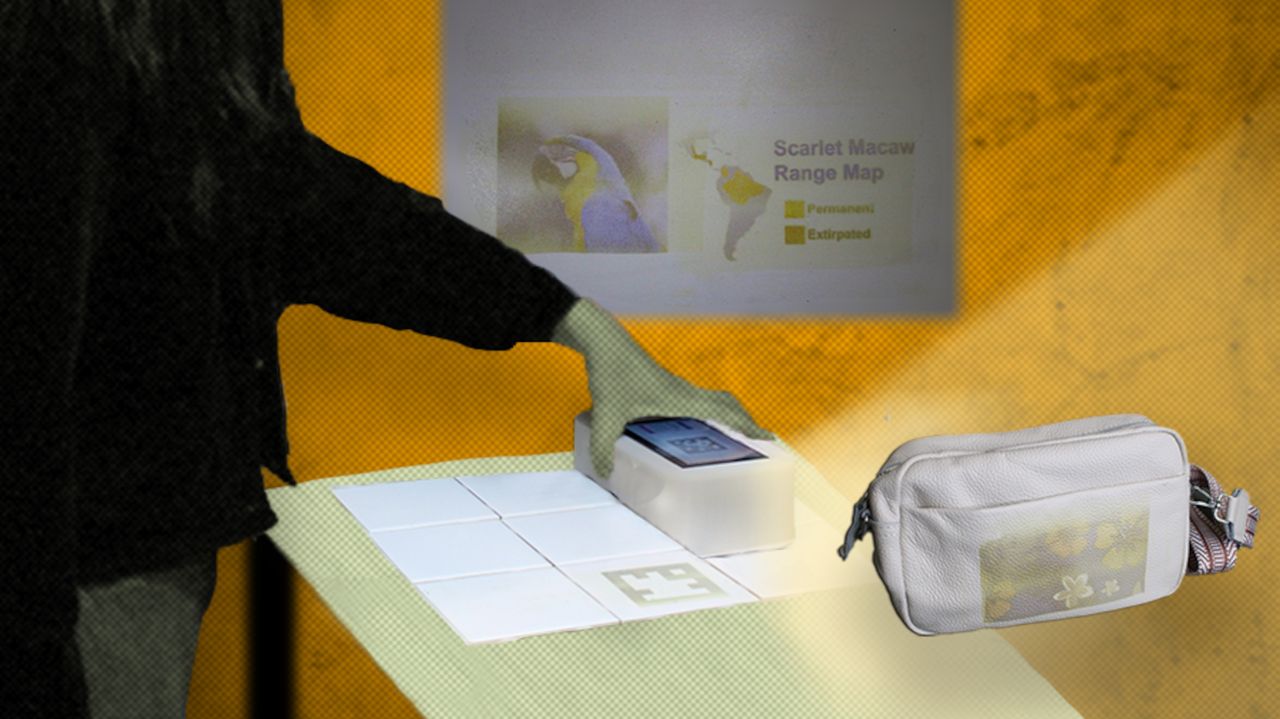
A new reveal from MIT shows off ChromoLCD which uses light to effectively print designs on clothes and more.
This lets people "stamp" designs on clothes and more when they've been treated with a special dye – even allowing you to change that out at a later date.
A new invention from MIT scientists could change the way we print forever, thanks to the use of light. While headlines are taken up with self-driving cars and quantum battery tech, this quiet success could be even more life-changing in some ways.
The ChromoLCD is a light based device that can allow you to effectively print designs on objects like clothes simply by using light.
Simply coat the target material – like a t-shirt – with the special photochromic ink and then use the ChromoLCD to throw the image you want onto it using its LED and ultraviolet output.
The device uses Bluetooth to allow image uploads from your phone, for example, before showing a preview using the LCD display.
Once you're happy you can begin the printing process which takes around 15 minutes, leaving you with a personalised output – which you can change in the future as needed.
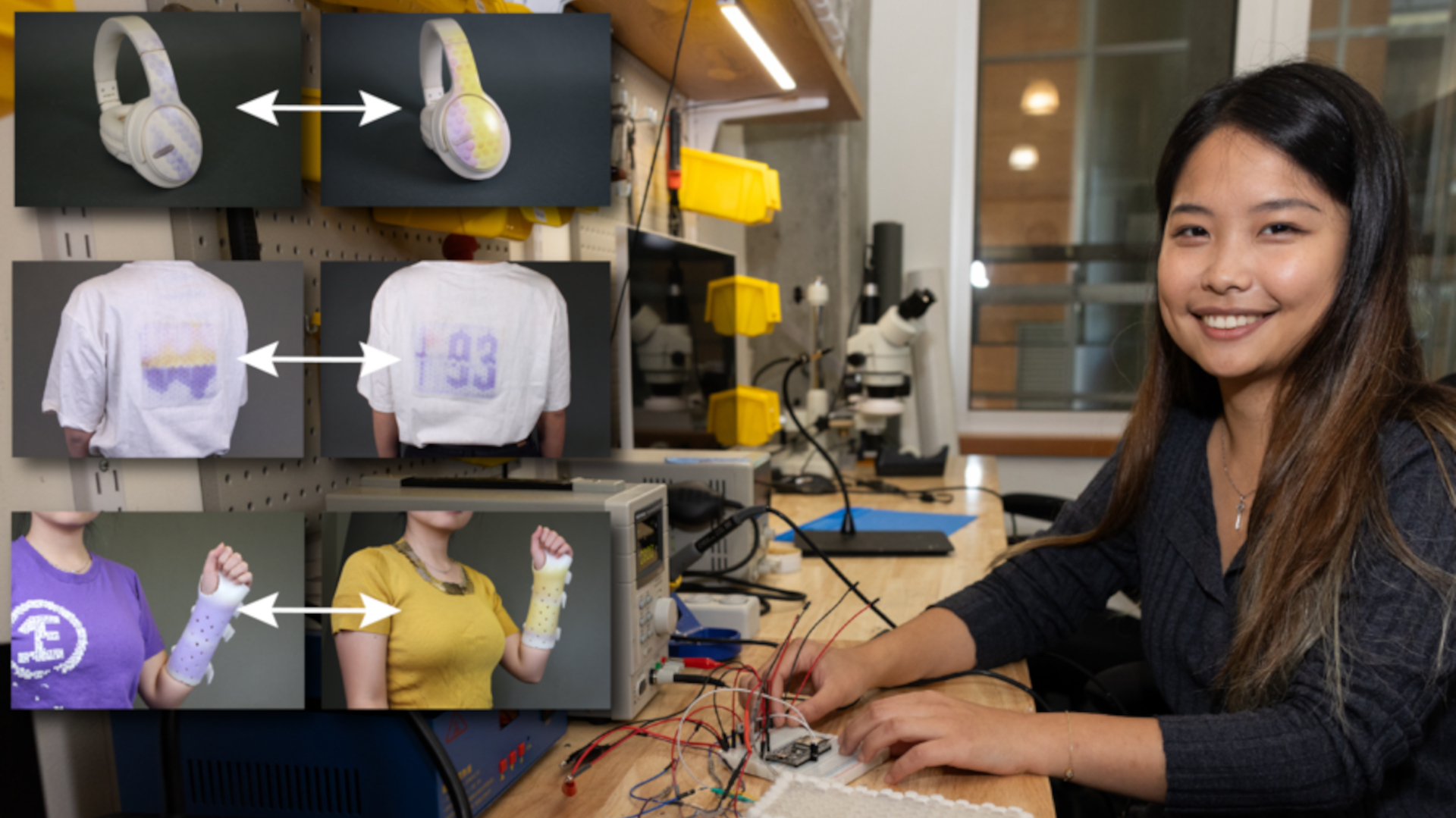
This is not entirely new as another MIT invention, in 2024, started us down this path with the PortaChrome – a lower resolution version.
MIT’s Computer Science and Artificial Intelligence Laboratory (CSAIL) came up with the new design offering. It could be used across t-shirts, handbags and more but also to embed QR-like codes in tiles, or to turn a whiteboard into an interactive canvas.
Computer science PhD student Yunyi Zhu, who heads the project, said: "We see ChromoLCD as a bridge between consumers and photochromic dyes.
"It’s basically a stamp, and it’s very easy to use. There are no alignment requirements, no 3D object texture creation. You just upload the image you’d like to put on your bag, place it on there, and then you’d have a personalized accessory."
ChromoLCD: when will it be available?
This is very early days still, with prototype deices showing it's possible. How that translates into mass production or availability for the rest of us remains to be seen.
That said, Zhu and her colleagues note that these components are fairly easy to purchase, so you could technically make your own ChromoLCD at home.