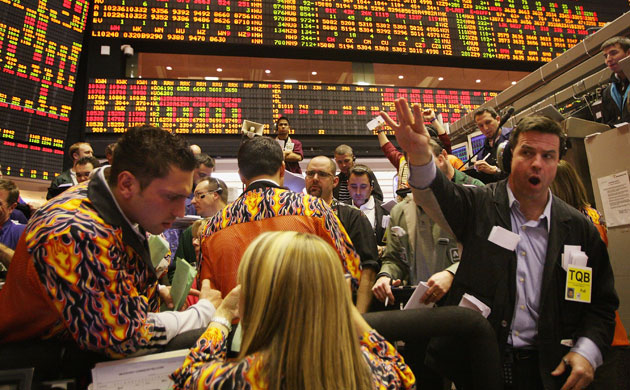
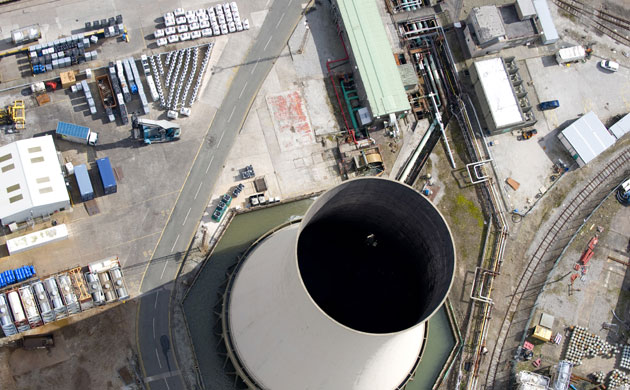
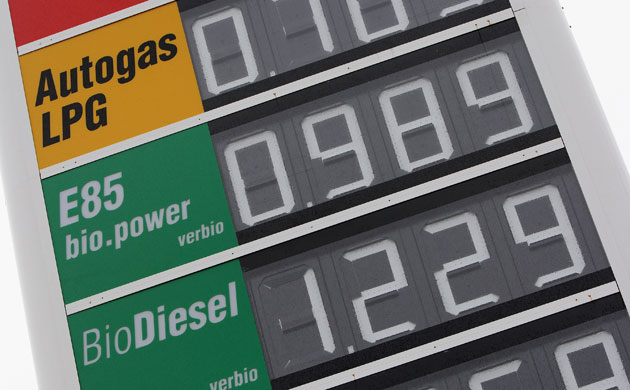
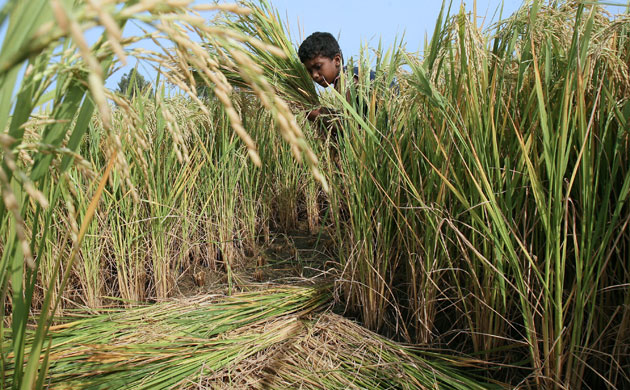
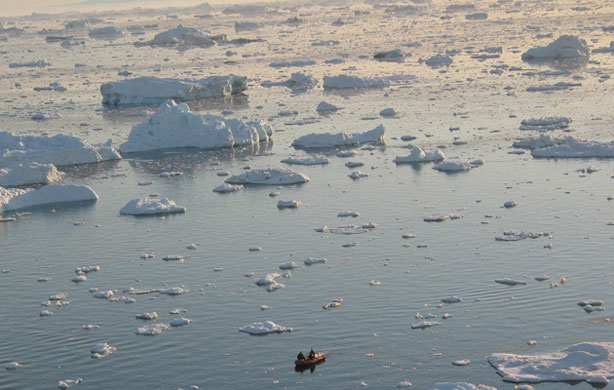
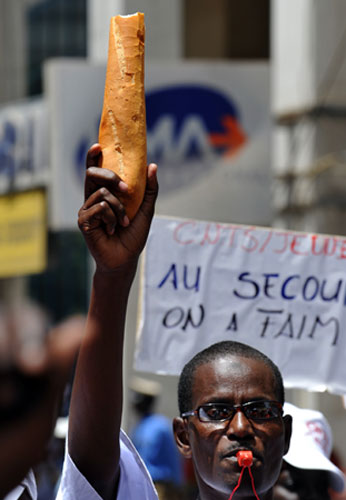
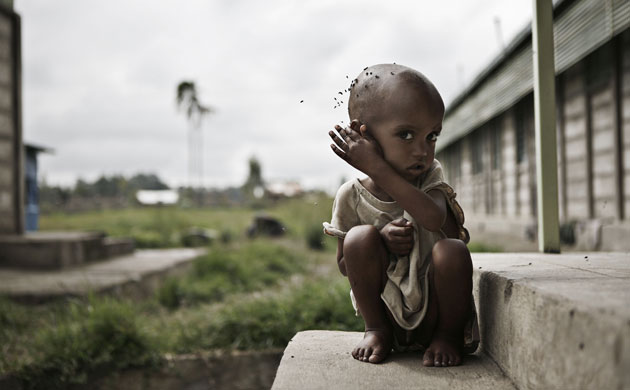
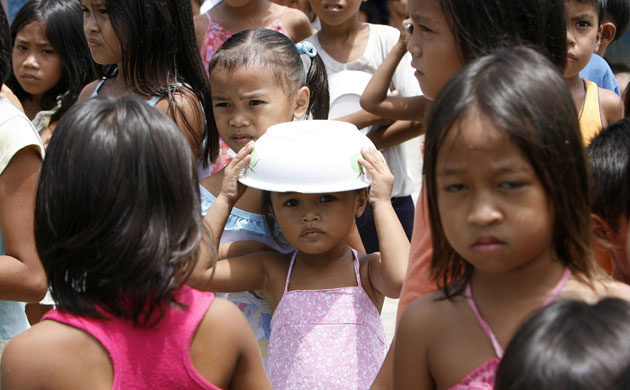
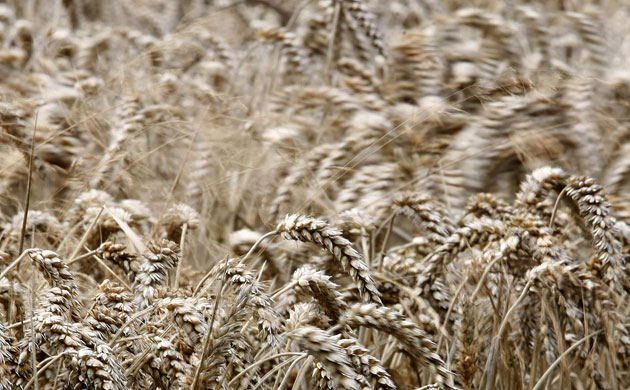
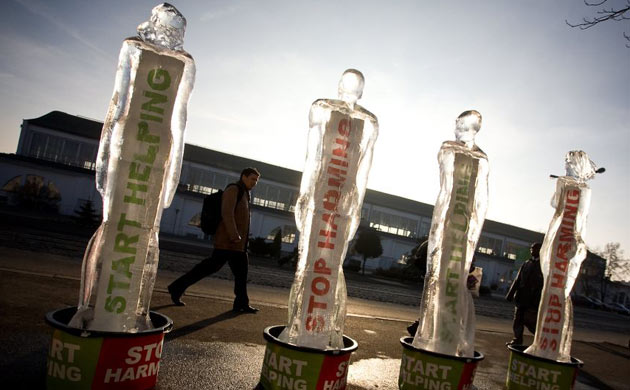
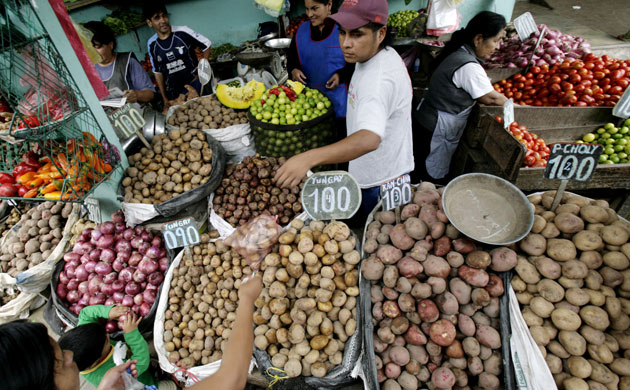
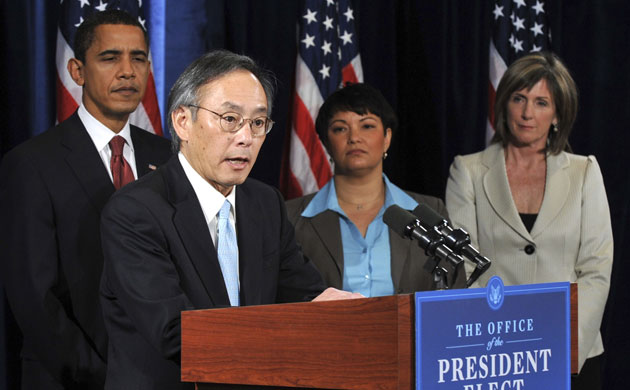
February, and with food prices rising traders in the wheat options pit at the Chicago Board of Trade signal offers. The price of grains had been steadily climbing due to a high demand from overseas markets, and farmland being planted with other crops to meet the steadily increasing demands from biofuel productionPhotograph: Scott Olson/Getty Images North AmericaClimate change and land-for-fuel combine in lago Comprida, in the dry Ouricuri area of north-east Brazil. The area has always been drought-prone but the region has seen temperatures rise at least 1C in only 30 years. More than 1.5 million people now cannot access enough water to continue farming, so they are leaving to find work in the biofuel fields in the south of the countryPhotograph: Daniel Berinson/OXFAMAn aerial view of Stanlow oil refinery in England. For much of 2008 it looked as if the rich world had begun to address sustainable development. Europe committed itself to generating 20% of its energy from renewables by 2020, and banned incandescent light bulbs. Britain set itself a legal target of 80% reduction in carbon emissions, and more than 70 countries now have national goals for renewable energyPhotograph: Jason Hawkes/GettyThe link between price and consumption was thrown into focus as fuel prices rose in the west. With soaring prices alternative fuel sources started to look economic. Here, a sign at a garage in Berlin, announces prices for biodiesel and natural gas. However, biofuel is no silver bullet for harmlessly reducing CO2 emissions and the German government cancelled plans to double the amount of bio-ethanol in petrolPhotograph: Sean Gallup/GettyHarvesting rice in Midnapore, south of Kolkata, India, in April. The price of rice rose 50% in two weeks, causing tension in the poorest parts of the world, while Dhaka, Manila and Kathmandu all saw rice shortages. Governments were forced to step in to protect supplies and control costsPhotograph: Deshakalyan Chowdhury/AFPThe year saw a flood of scientific papers showing Arctic ice and the Greenland ice sheet is melting faster than ever, leading to a race for the new riches of the Arctic. This May picture shows shows Inuit fishermen in Ilulissat Icefjord, Greenland. Indigenous people are raising their voices and demanding that Arctic nations stop stealing their land and respect their way of lifePhotograph: Slim Allagui/AFPMay Day in Dakar saw protests against the rising price of basic food. An international summit on the global food crisis opened in Rome on 3 June against a backdrop of riots in some countries and calls for a rethink of agricultural policiesPhotograph: Georges Gobet/AFPA malnourished boy in southern Ethiopia. The UN reported that 2008 saw the biggest rise in malnourished people in decades: nearly a billion go to bed hungry, and 40 million suffered malnourishment in 2008 because of high food prices. In June Ethiopia said the number of people in need of food aid had doubled to 4.5 millionPhotograph: Jose Cendon/AFP/Getty ImagesJuly in the Philippines saw inflation surge to a 14-year high because of a relentless rise in food and fuel prices. The girl in the picture is queuing for free rice porridge distributed by student volunteers as part of a feeding programme in a Manila slum. The students were protesting against hunger and poverty in their countryPhotograph: Cheryl Ravelo/ReutersIn the UK an exceptionally wet summer led to flooding and delays in harvesting crops, leading to fears of more price rises - the price of a loaf became a national talking point. 'Food security' became a political issue when the environment secretary Hilary Benn said that Britain's food supplies, much of which come from overseas, were overdependent on oil - a situation, he said, that 'must change'Photograph: Phil Noble/reutersClean energy took off in 2008. In November the International Energy Agency predicted that renewable energy would overtake natural gas to become the second largest source of power generation worldwide within two years. Also in November, Spain switched on the world's biggest solar-tower plant near Seville, which can generate enough energy to power 11,000 homesPhotograph: Denis Doyle/GettyIn December the climate change industry rolled into Poznan, Poland, to negotiate further on reducing greenhouse gas emissions. Al Gore called for a new global goal of limiting CO2 levels to 350 parts per million (ppm) - current levels are already over 380ppm, up from 280ppm before the industrial revolution. Human-shaped life size sculptures got the message across to delegatesPhotograph: Wojtek Radwanski/AFPIn the second half of the year the credit crunch hit. By December banks had collapsed, nations were bankrupt, and capitalism looked shaky. The big, unanswered question of the year was how far the Photograph: Mariana Bazo/ReutersBy mid December it appeared hope for 2009 may lie with new leaders, and a renewed sense of environmental seriousness. In December US president-elect Barack Obama announced his new energy secretary, Steven Chu. Chu is a Nobel-prize winning physicist who has spearheaded research on storage of solar energy and on the exploitation of other renewable energy sourcesPhotograph: Steve Carrera/Reuters
Sign up to read this article
Read news from 100’s of titles, curated specifically for you.