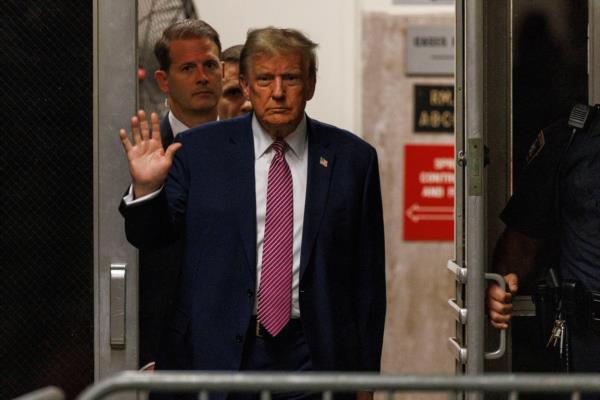
The ongoing trial involving former President Donald Trump in New York has shed light on the unique challenges that juries face in the era of social media. The case has garnered significant attention both inside and outside the courtroom, with social media platforms playing a central role in shaping public opinion.
One of the key issues that has emerged is the potential impact of social media on jury impartiality. In today's digital age, jurors are constantly bombarded with information and opinions online, making it increasingly difficult to shield themselves from outside influences. This raises concerns about the ability of jurors to remain unbiased and make decisions based solely on the evidence presented in court.
Another challenge highlighted by the Trump trial is the prevalence of misinformation and fake news on social media. Jurors may come across misleading or false information related to the case, which could cloud their judgment and undermine the integrity of the trial process. This underscores the importance of jurors critically evaluating the sources and credibility of information they encounter online.
Furthermore, the widespread use of social media allows for the rapid dissemination of information, including details about ongoing trials. This can create additional pressure on jurors to avoid exposure to outside information that could influence their decision-making. Judges must take proactive measures to ensure that jurors are not unduly influenced by external sources.
As the Trump trial continues to unfold, it serves as a stark reminder of the complex dynamics at play in modern jury trials. The intersection of social media and the judicial system presents both opportunities and challenges, requiring a thoughtful approach to safeguarding the integrity of the jury process.