
Reproductive rights measures are a significant focus in the upcoming elections, with debates intensifying over their impact on abortion. In 10 states, these measures are on the ballots, sparking discussions on how to accurately describe their implications. However, the complexity extends beyond English, as federal laws mandate translations in areas where English is not the primary language.
Across 388 locations in the U.S., where English is not the dominant language, the Voting Rights Act necessitates that all election information be available in the native language of the communities. This requirement aims to assist non-native English speakers in understanding the content they are voting on. Yet, challenges arise, especially with Indigenous languages that have limited written resources.
For instance, the Ute Mountain Ute tribe in Colorado lacks a single word for abortion in their native language. Similarly, some referendums, like the one in New York, avoid using the term 'abortion,' complicating the conveyance of intent. Explaining technical terms like 'viability' in the Seminole and Shoshone tribes' oral traditions poses additional hurdles.
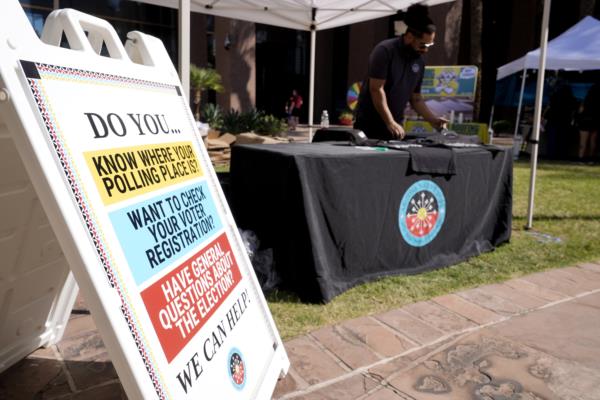
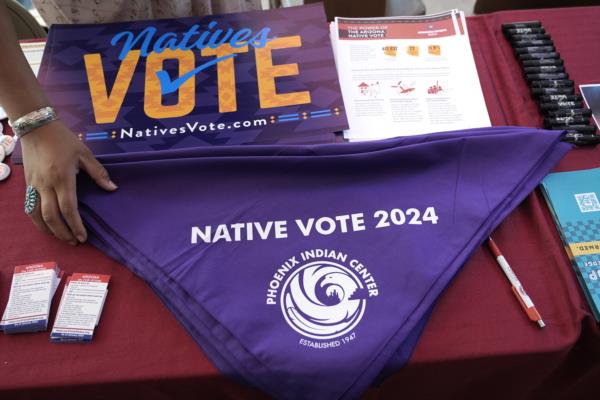
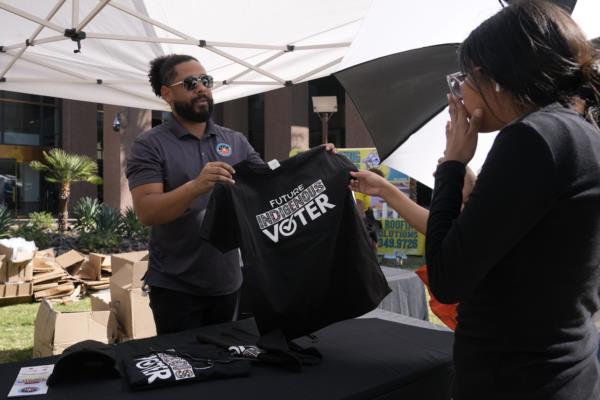
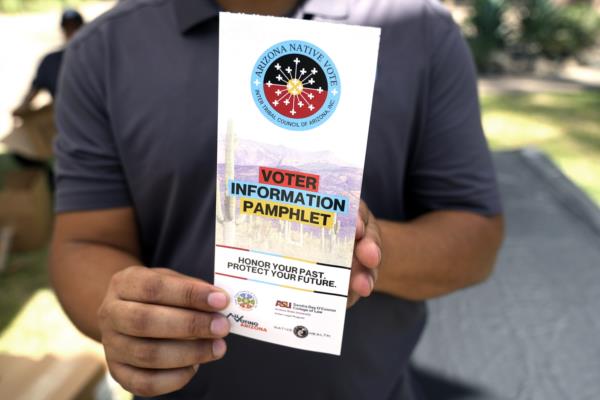
While some tribes, like Navajo and Hopi, receive extensive translations, others opt for in-person tribal translators at polling stations. Despite concerns about bias and ballot secrecy, this practice is legally permissible. The Voting Rights Act's Section 203 mandates translations in areas with a significant population of limited English proficient citizens, with Spanish being the primary language in most cases.
Efforts to ensure accurate translations are ongoing, with organizations advocating for human translators over computer-generated ones. In some instances, like in Florida, written translations are deemed impractical due to language limitations, prompting the use of in-person translators at polling stations.
As the elections approach, the importance of providing comprehensive information in native languages remains paramount. Ensuring that all voters, regardless of language proficiency, have access to clear and accurate descriptions of ballot initiatives is crucial for upholding democratic principles.