
Para athletes at the Paralympic Village face unique challenges when it comes to their nutrition. The diverse needs of athletes based on their disabilities and underlying conditions make crafting effective nutrition strategies a complex task. Applied sports nutrition scientist Joëlle Leonie Flück highlighted the variability in energy expenditure and nutritional requirements among para athletes due to their different disability types.
Gastrointestinal issues are common among para athletes, often stemming from fiber deficiencies, high sodium levels, and spice sensitivities. To address these challenges, nutrition teams at training centers like the Team USA High Performance Center in Eaubonne, France, tailor meals to meet individual preferences and dietary needs.
Hydration poses another hurdle for para athletes, with some struggling to regulate body temperature. Cooling strategies such as ice vests and cold slushies are implemented to support athletes with spinal cord injuries. Accessibility in dining halls is also a crucial consideration, with adjustments like lower food placement and specialized utensils ensuring all athletes can comfortably access meals.


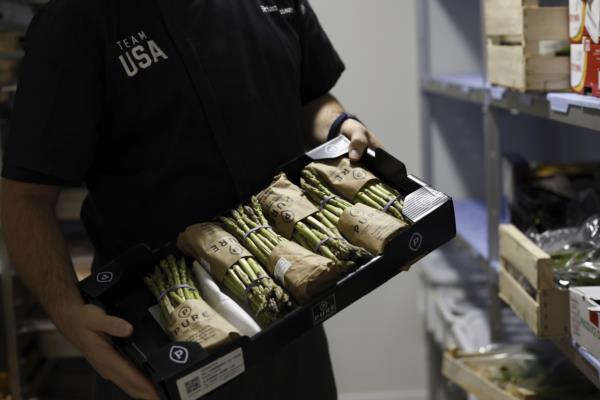
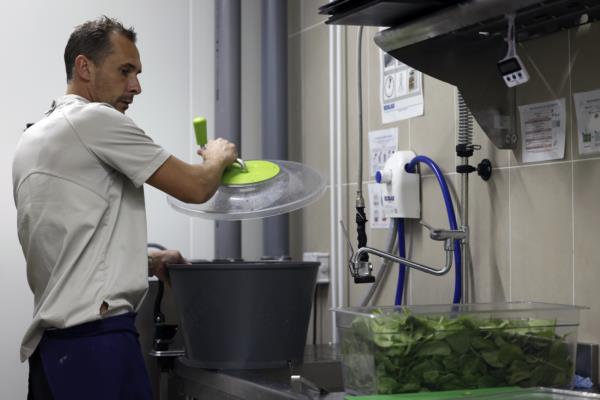
Despite these efforts, a lack of research on para athlete nutrition remains a significant issue. The absence of specific guidelines tailored to different disability types means that nutritional challenges are often addressed on a case-by-case basis. Scientists and nutritionists emphasize the need for further research to develop best practices that cater to the diverse needs of Paralympians.
Education on healthy diets is also vital, with a focus on empowering athletes to view nutrition as a lifelong skill. By equipping para athletes with the knowledge to make informed dietary choices, nutritionists aim to support their overall well-being both during and beyond their competitive careers.
As the Paralympic Games continue, the dedication of nutrition teams and the resilience of para athletes underscore the importance of prioritizing personalized nutrition strategies to optimize performance and promote long-term health.