Chains, shackles and auction documents: remnants of the Africa to North America slave trade
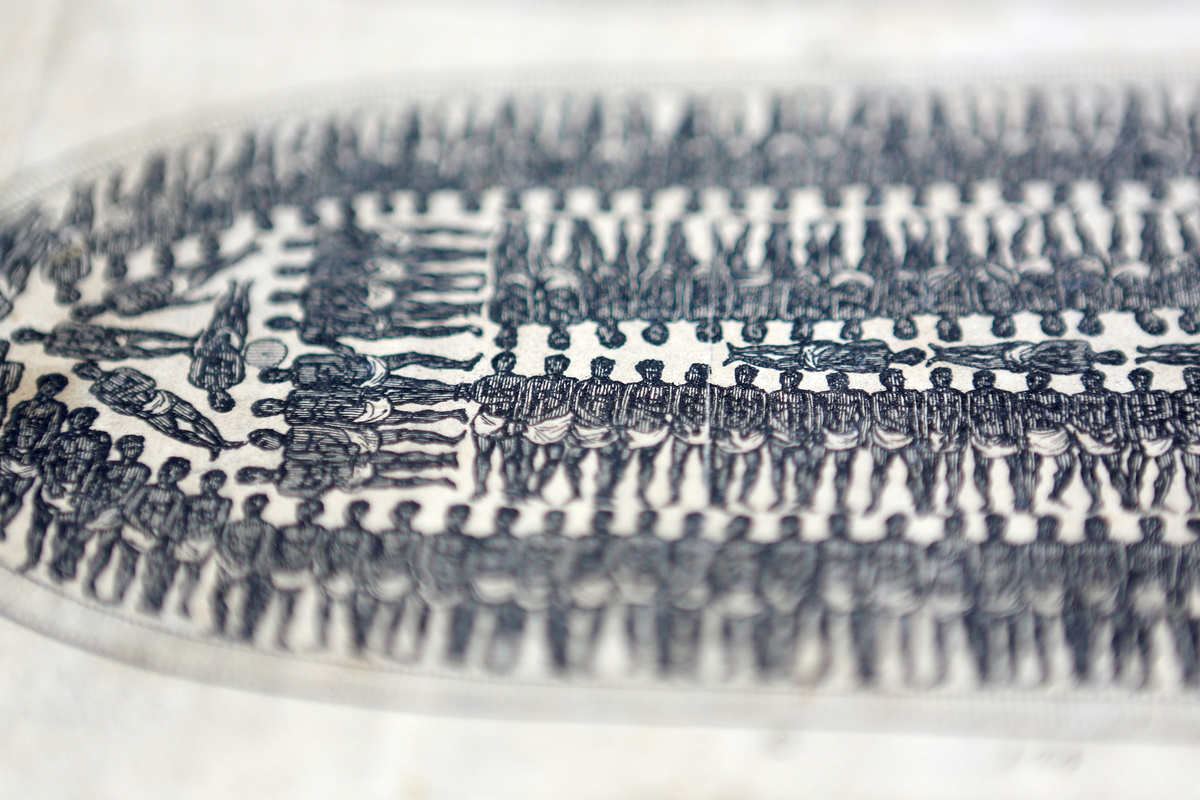
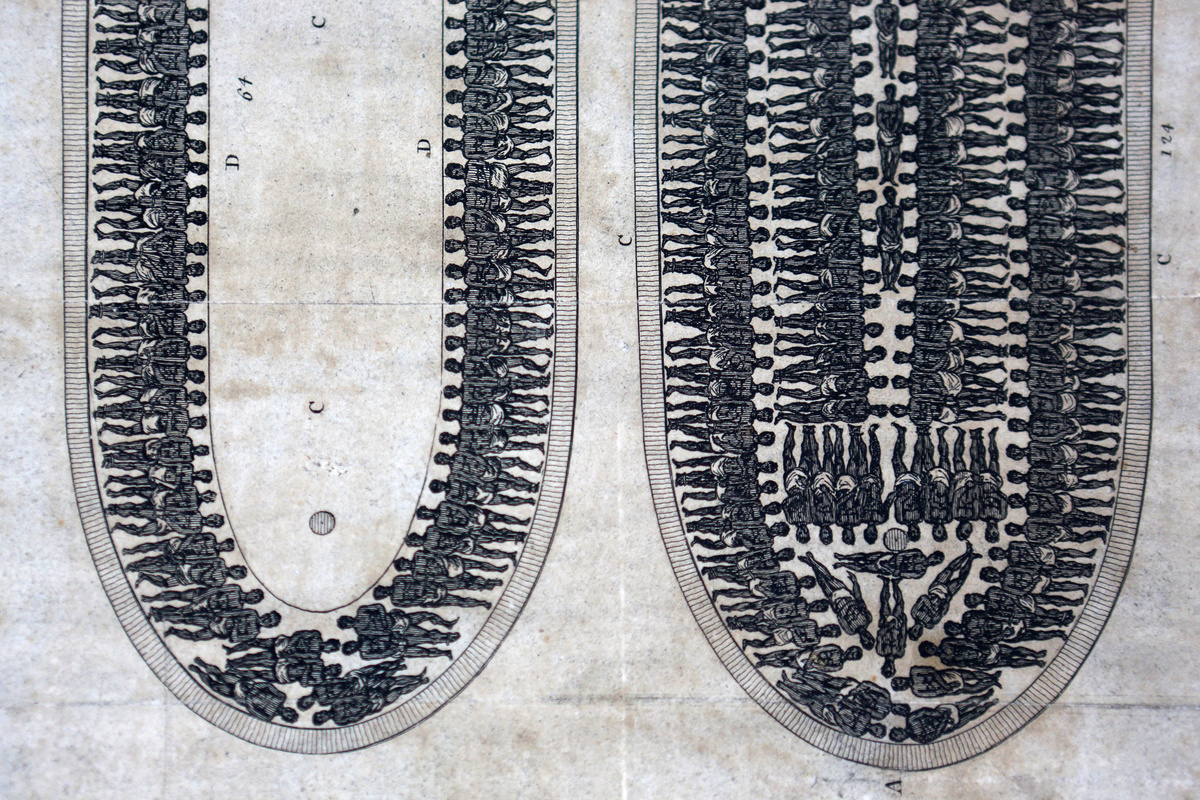
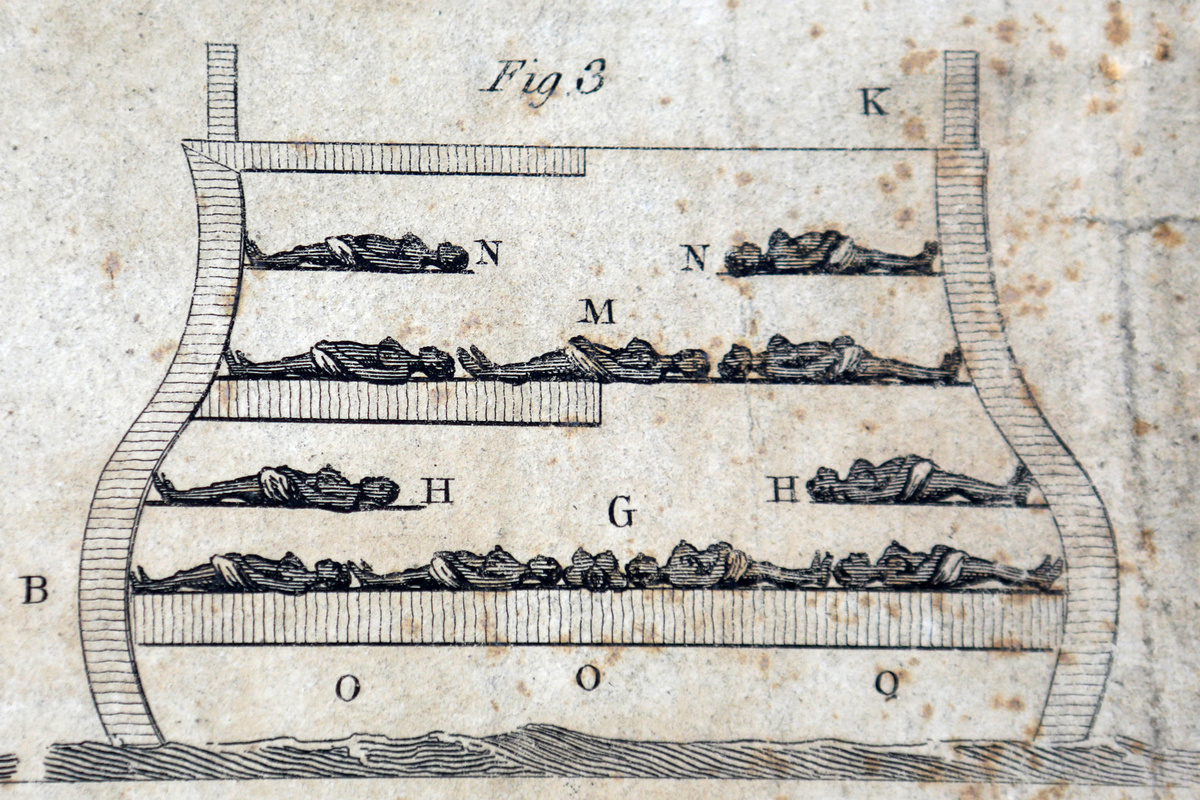
A section of a print of the Brookes Slave Ship diagram dated 1791 forms part of the collection in the Wilberforce House Museum in Hull, Britain, July 5, 2019. According to the museum the print is arguably one of the most recognisable images from the campaign to abolish the Transatlantic Slave Trade in Britain. The publication of this image provided the public with a clear visual representation of conditions on board slave ships for the first time. August 2019 marks 400 years since the slave trade to North America began. Picture taken July 5, 2019. REUTERS/Russell Boyce NO ARCHIVES NO RESALES
(Reuters) - In late August 1619, a ship carrying "20 and odd" African men and women docked at Point Comfort, today's Fort Monroe in Hampton, Virginia.
Their arrival, 400 years ago next month, was recorded by English settler John Rolfe and is believed to be the first of captive Africans to reach the shores of Britain's North American colonies.
Their long and treacherous journey across the Atlantic may have begun in Angola, historians say, believing that once they arrived, they were sold for food.
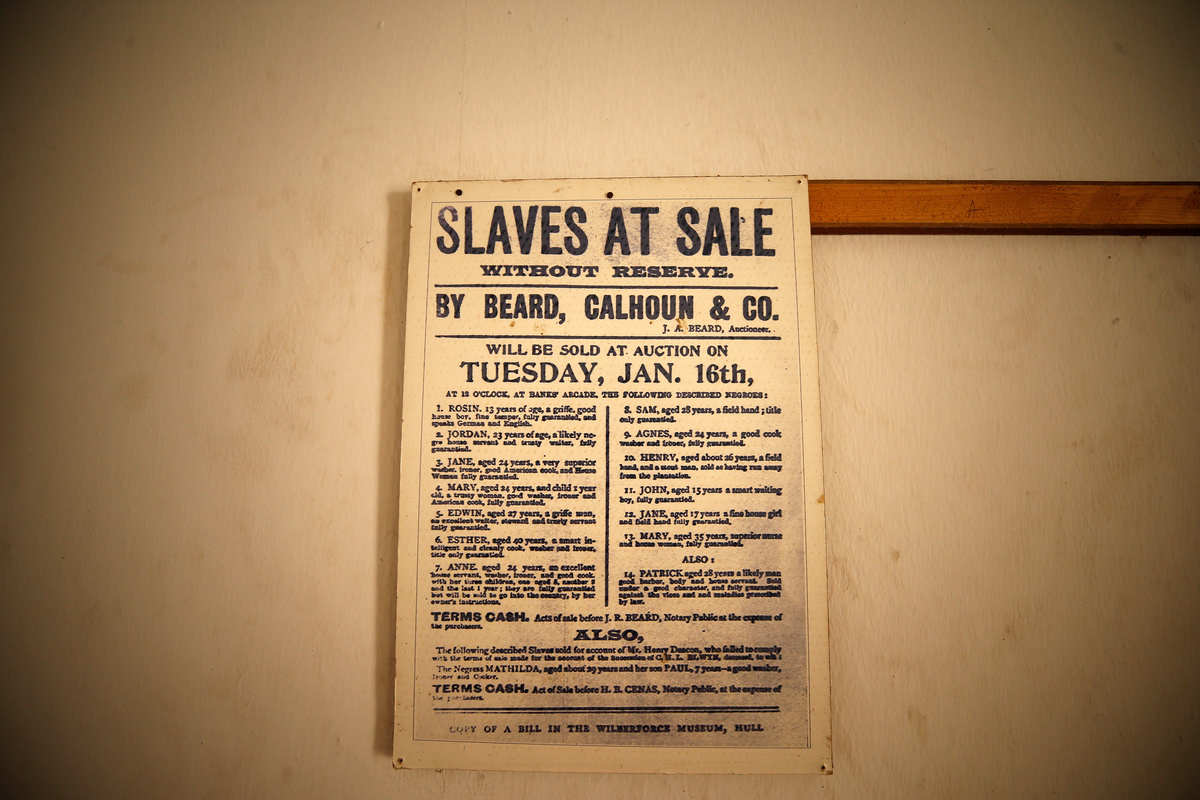
FILE PHOTO: A copy of a poster dated January 19, (year unconfirmed) advertising the sale of slaves by auctioneer Beard is seen on display at the Badagry Heritage Museum in Badagry, Nigeria June 20, 2019. The poster lists slaves of various ages, with different characters and skills and also includes the terms of sale. August 2019 marks 400 years since the slave trade to North America began. REUTERS/Afolabi Sotunde
"Those African people who were on that ship were specifically sold in a trading transaction that we now recognize as something that became common during the transatlantic slave trade," said Rebecca Nelson, assistant curator of projects at Wilberforce House Museum in the British city of Hull.
"There were African people in America before that date but not having been sold in the same specific way."
Millions of African men, women and children were shipped across the Atlantic Ocean between the 16th and 19th centuries. Many died in horrific conditions. Those who survived were forced into servitude and worked on plantations.
A section of a print of the Brookes Slave Ship diagram dated 1791 forms part of the collection in the Wilberforce House Museum in Hull, Britain, July 5, 2019. According to the museum the print is arguably one of the most recognisable images from the campaign to abolish the Transatlantic Slave Trade in Britain. The publication of this image provided the public with a clear visual representation of conditions on board slave ships for the first time. August 2019 marks 400 years since the slave trade to North America began. Picture taken July 5, 2019. REUTERS/Russell Boyce NO ARCHIVES NO RESALES TPX IMAGES OF THE DAY
Ahead of the 400-year anniversary, Reuters photographers visited museums in Ivory Coast, Nigeria, South Africa and Britain displaying items from the Africa to North America slave trade.
They have produced a series of pictures depicting items such as chains, shackles, neck braces, whips and documents listing auctions and the treatment of slaves as well as punishment records.
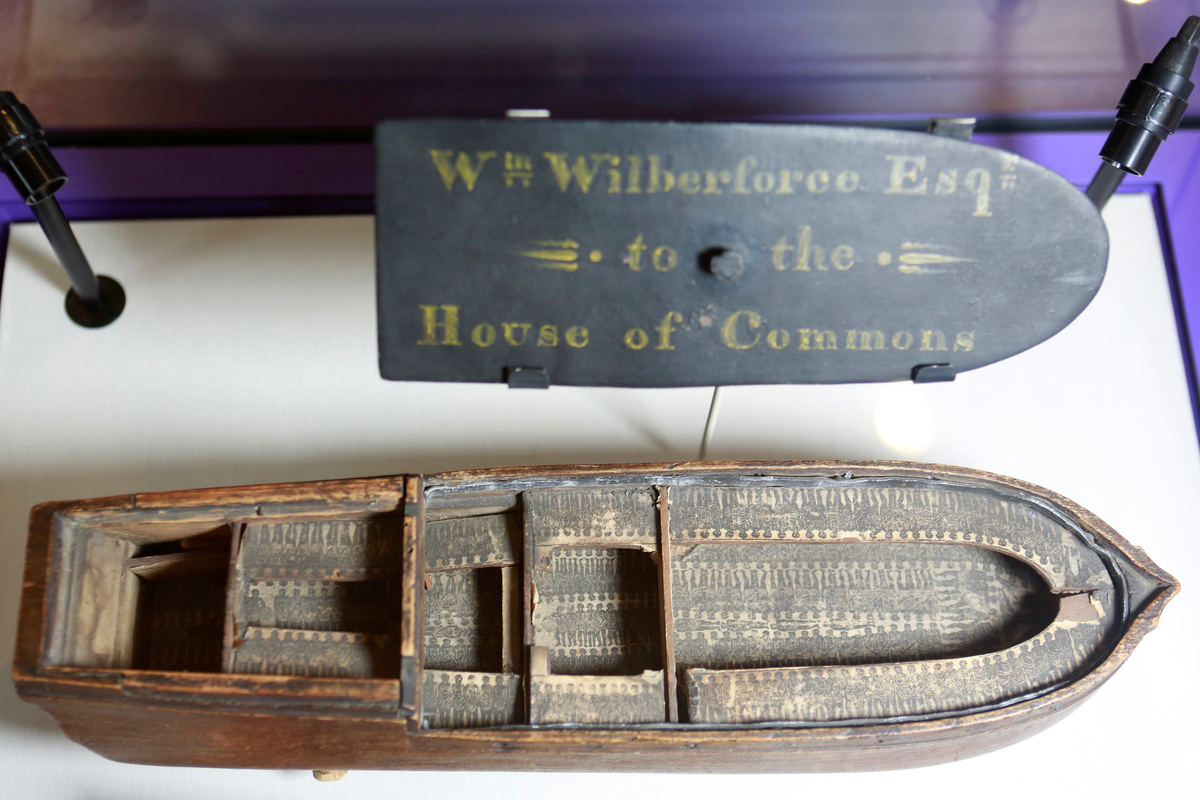
A small wooden model of the "Brookes" slave ship is among the items on display at Wilberforce House, named after William Wilberforce who successfully campaigned to have the British parliament ban the slave trade in 1807. The model was used by Wilberforce during his speeches to parliament.
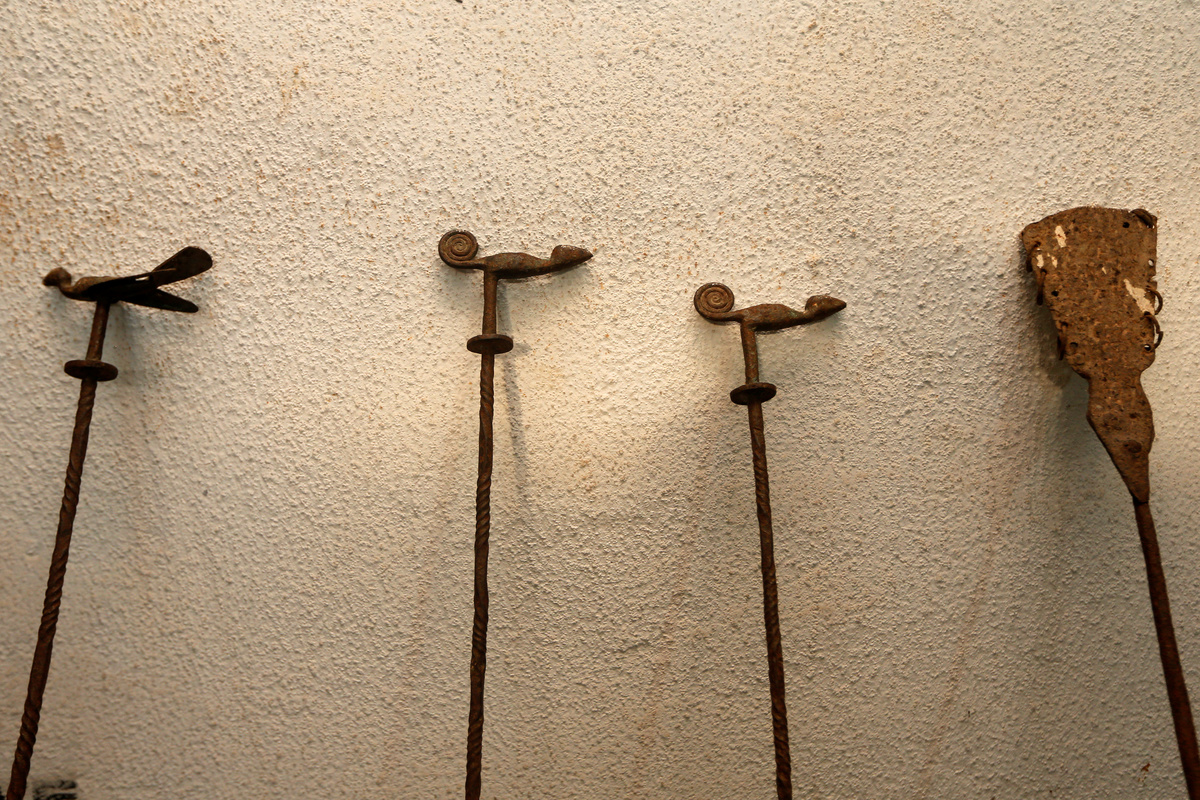
FILE PHOTO: A collection of staffs of office of slave merchant Sumbu Mobee that date from the 18th century is displayed as part of the original collection at the Mobee Royal Family Slave Relics Museum in Badagry, Nigeria July 19, 2019. According to the museum these items were held by one of the servants of chief Mobee, who walked ahead of him to announce his presence by shaking the item to make a noise. Upon sighting the chief, male slaves had to prostrate themselves while female slaves would knee to show respect to the slave merchant. August 2019 marks 400 years since the slave trade to North America began. REUTERS/Afolabi Sotunde
"By using this, he was able to show men who had never ever been to see a slave trip or had visited any docks, or warehouses or plantations themselves ... how terrible the conditions for the enslaved Africans were on board these ships," Nelson said.
(Reporting by Russell Boyce and Marie-Louise Gumuchian; Editing by Frances Kerry)
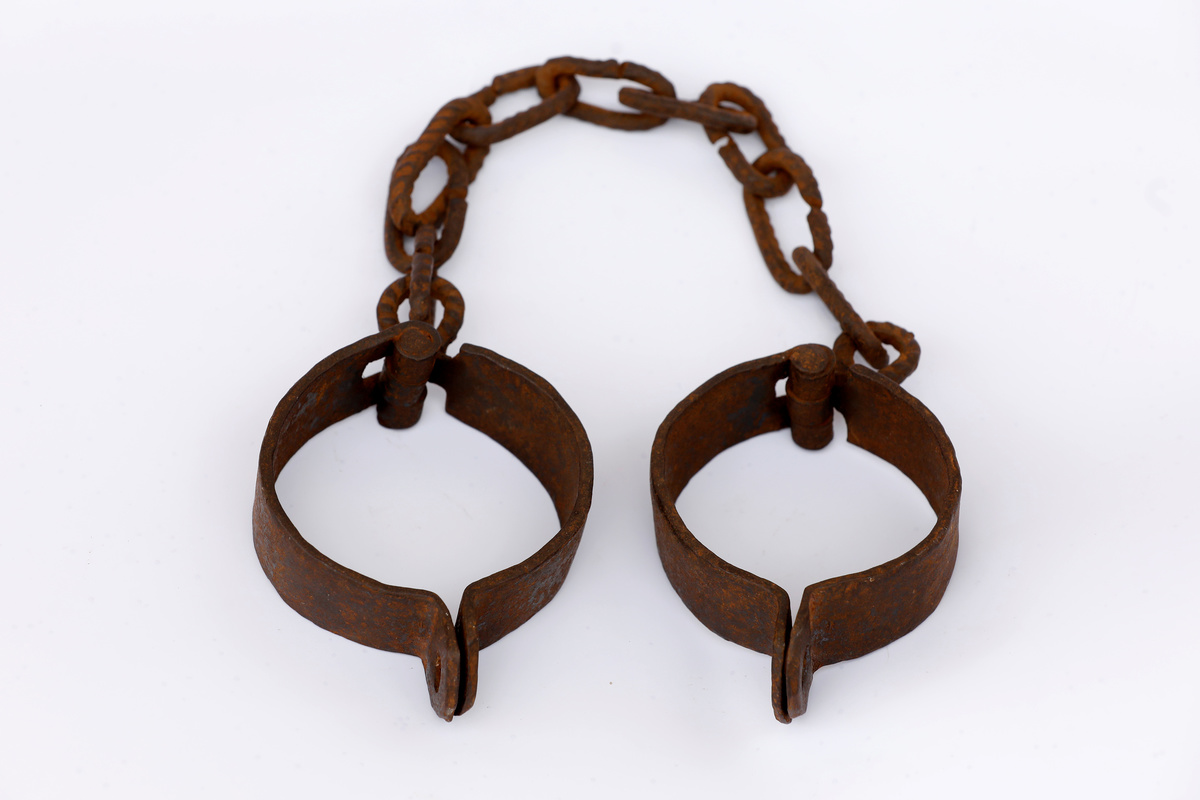
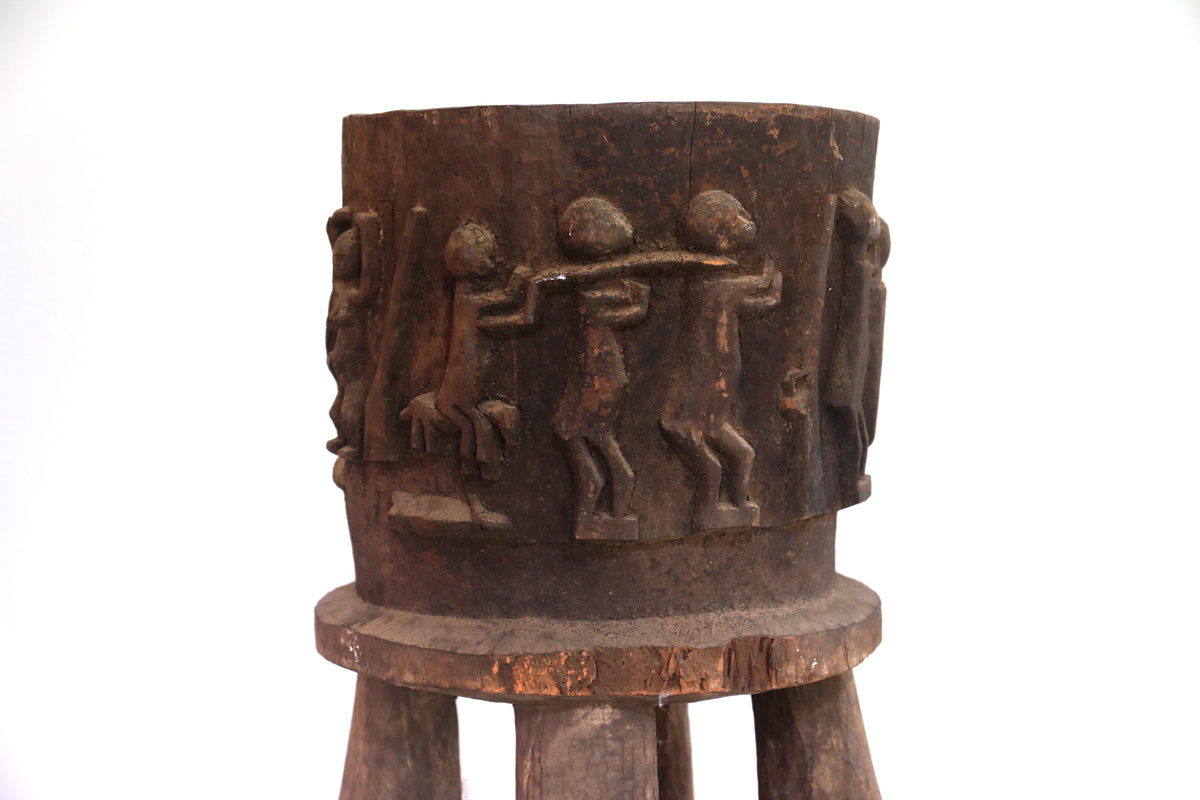
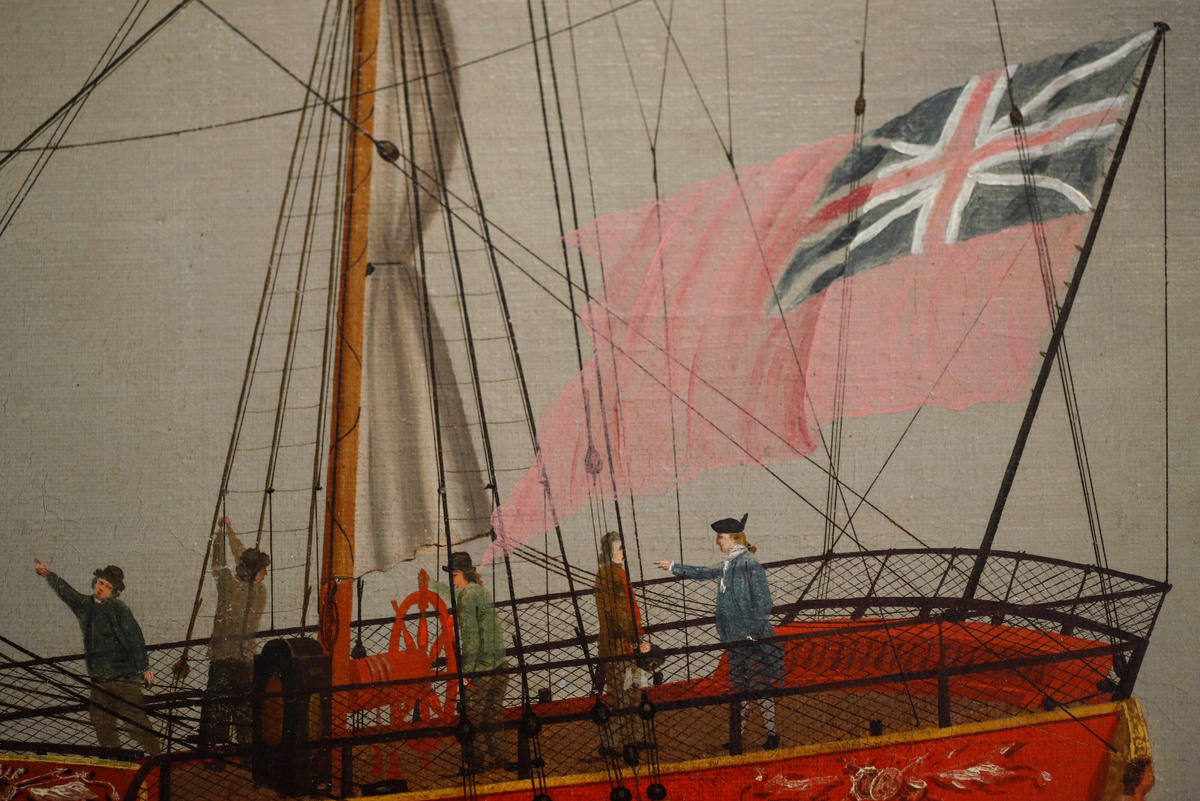
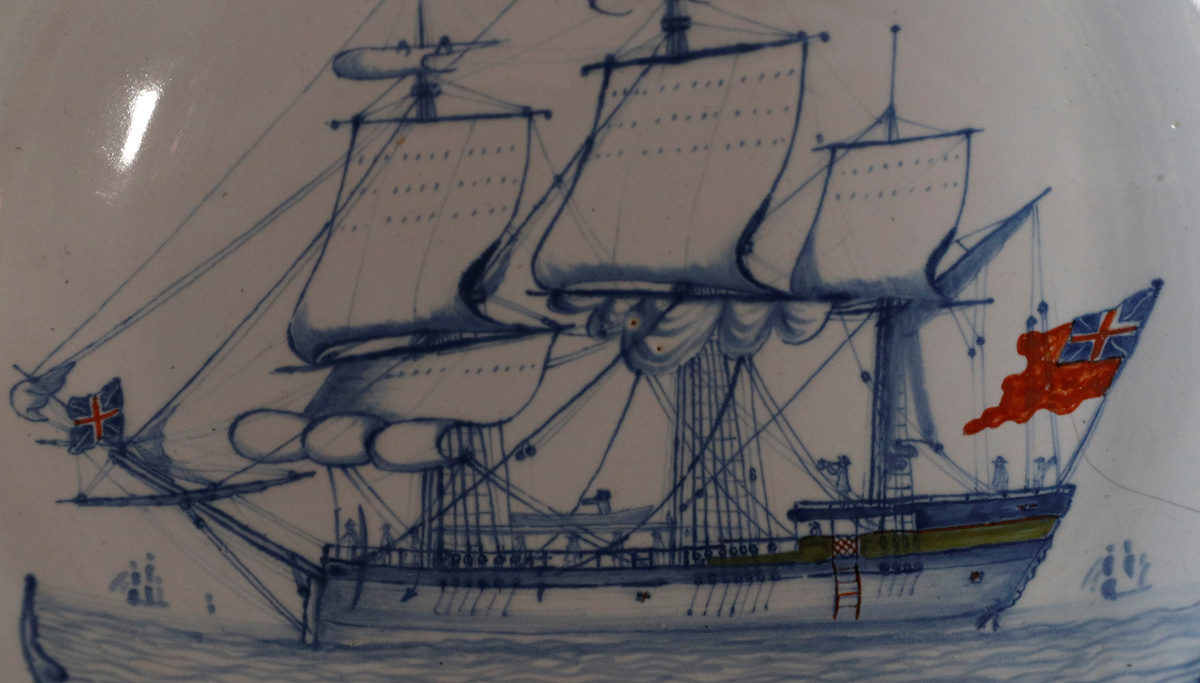
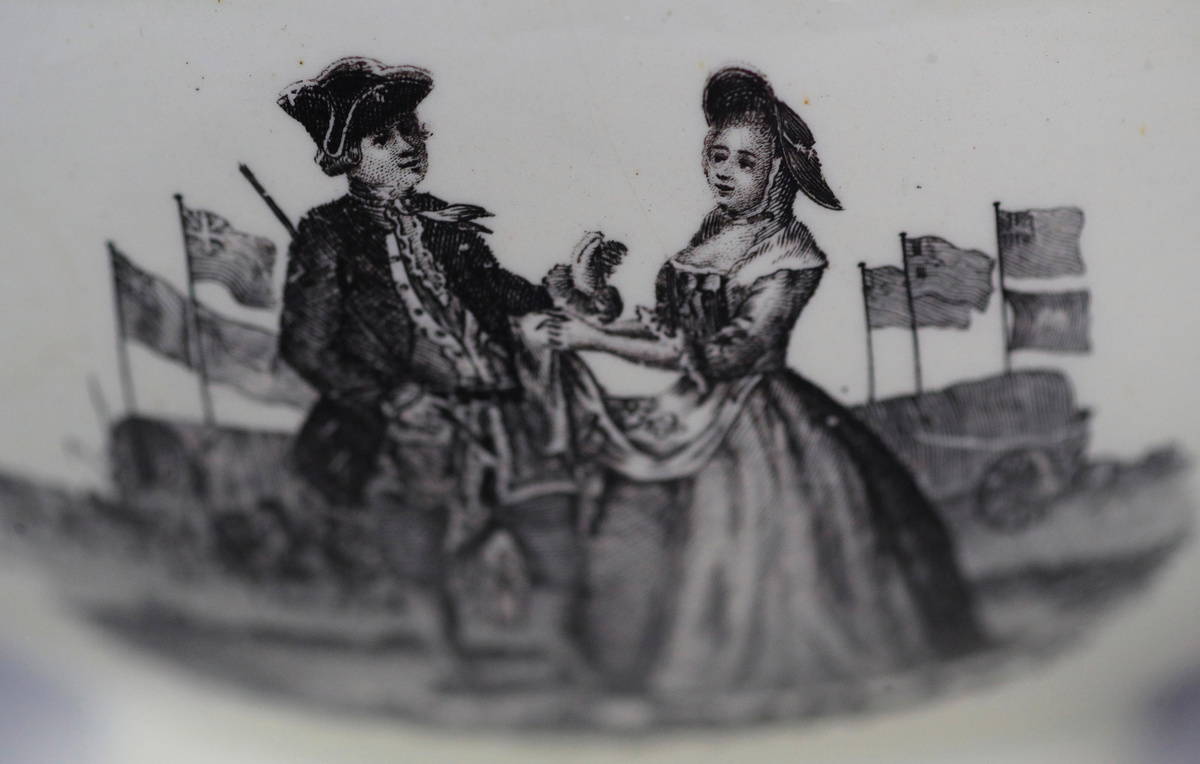
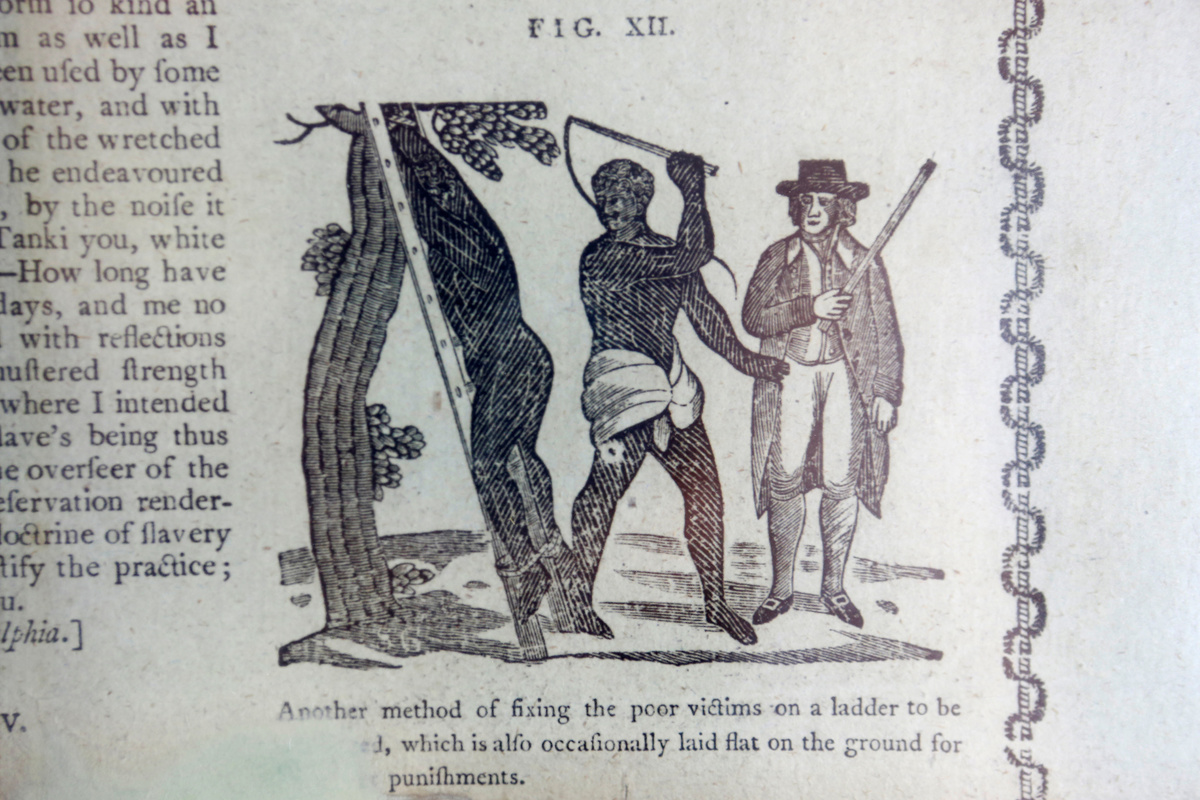
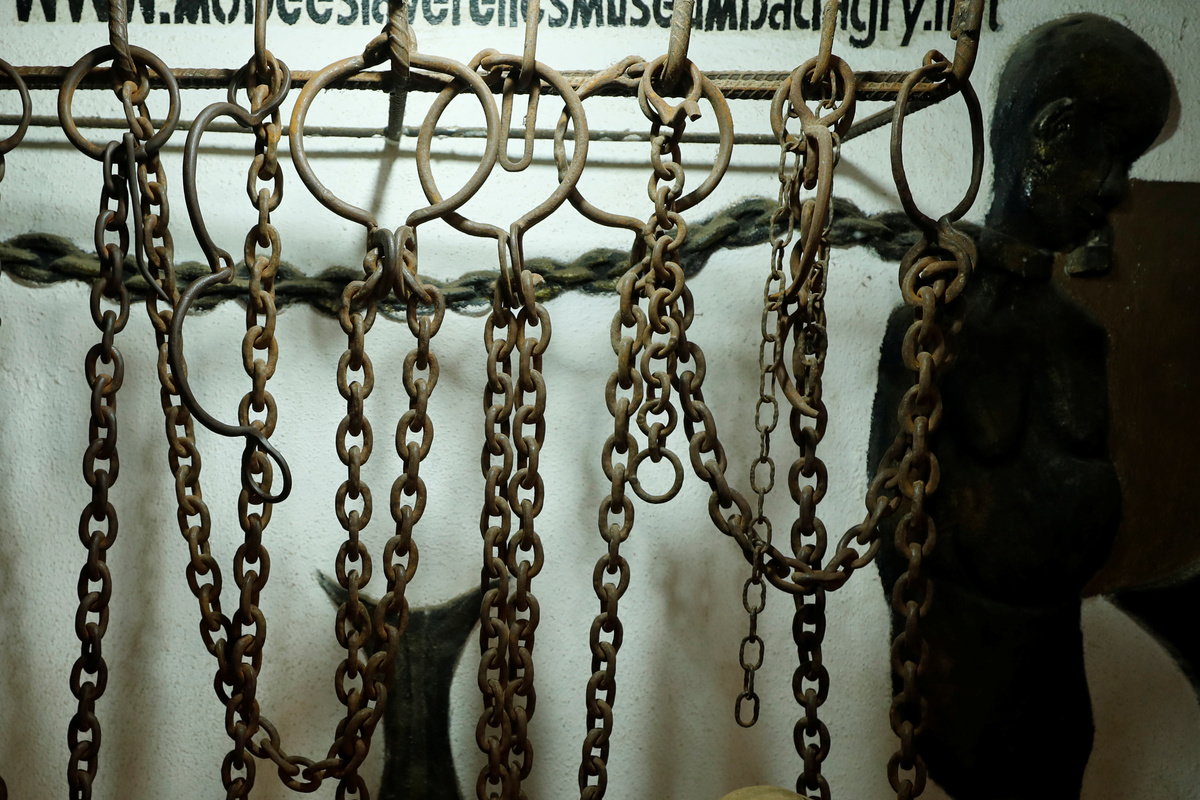
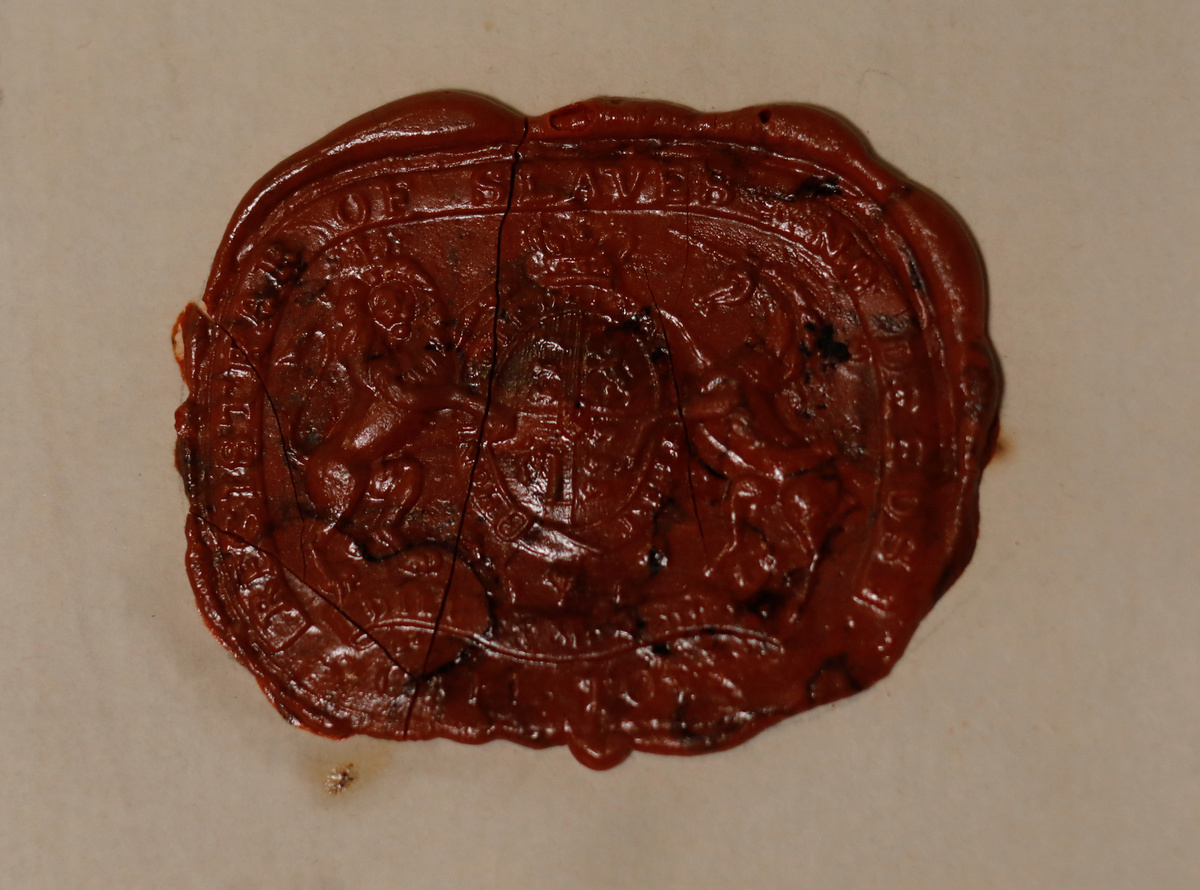
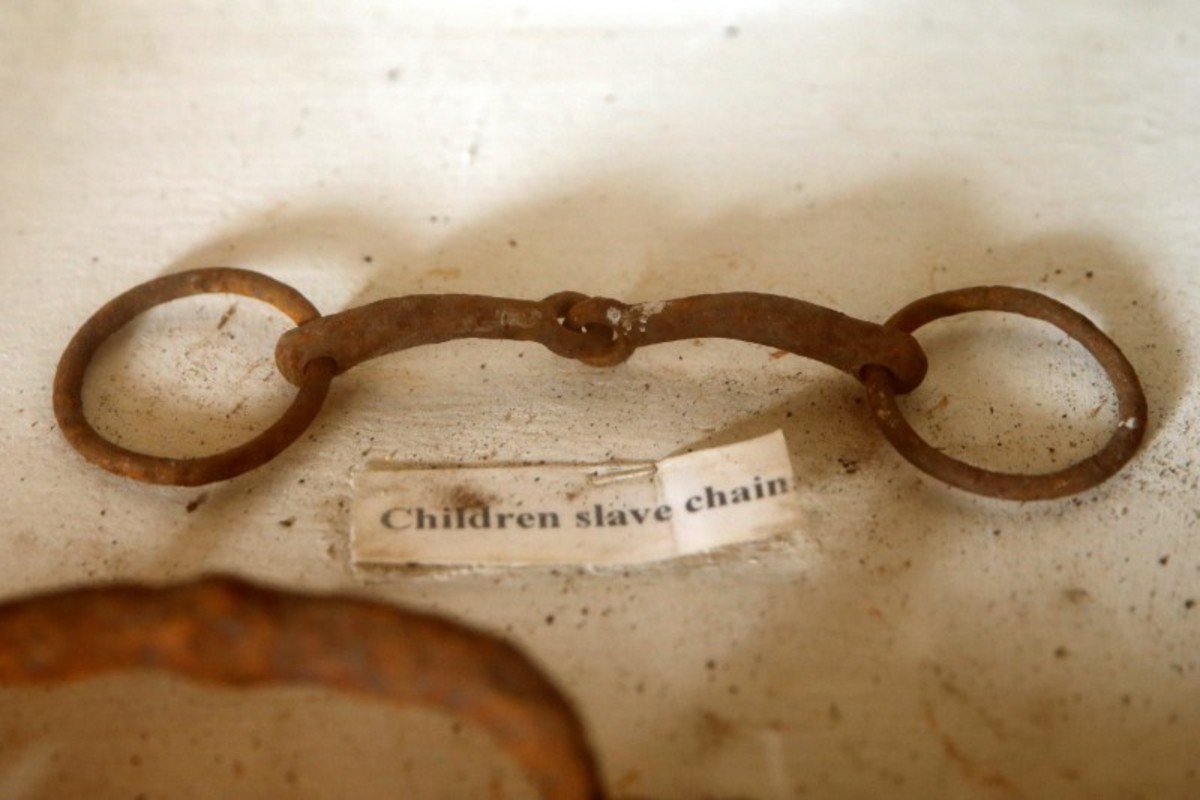
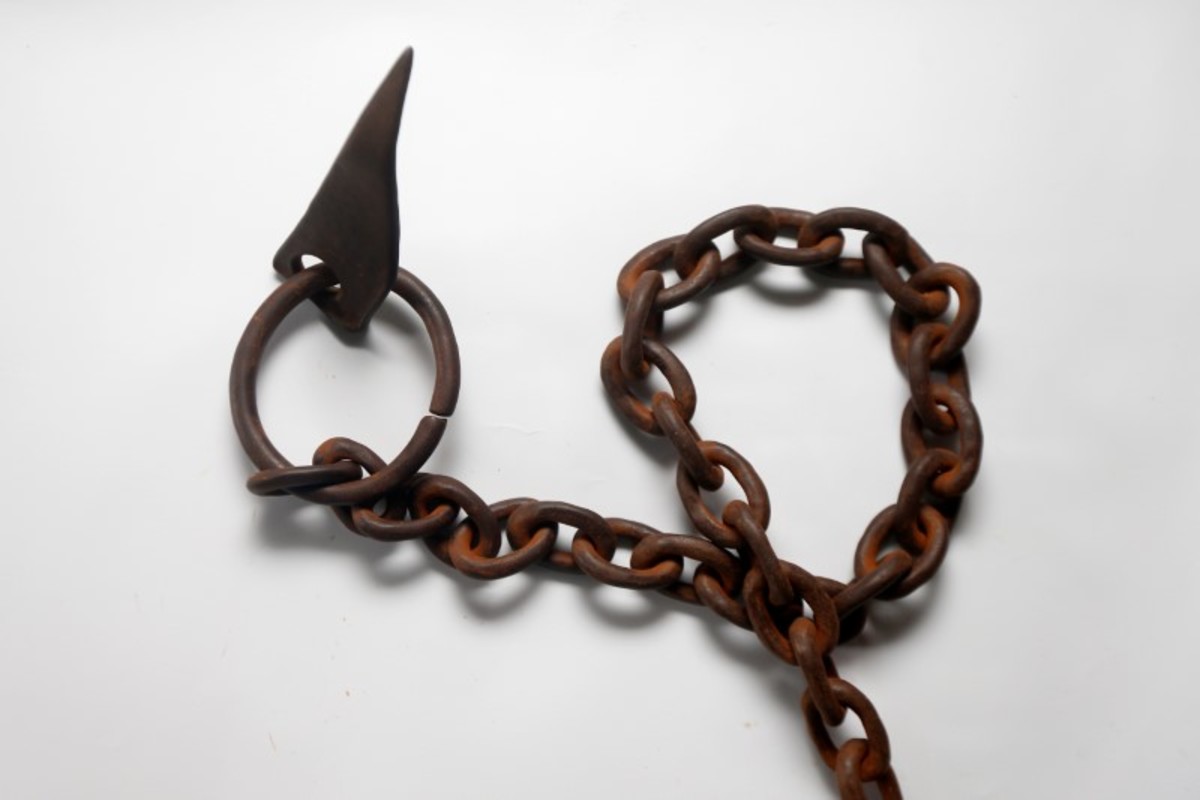
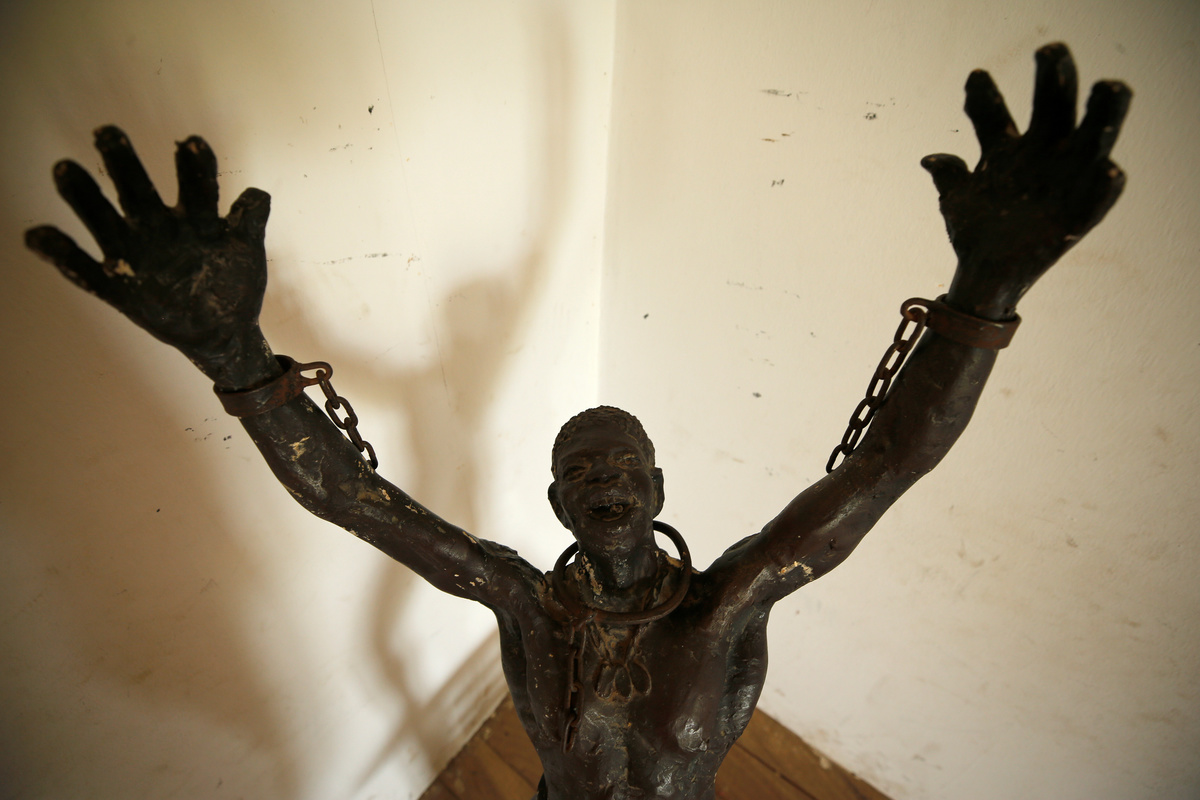
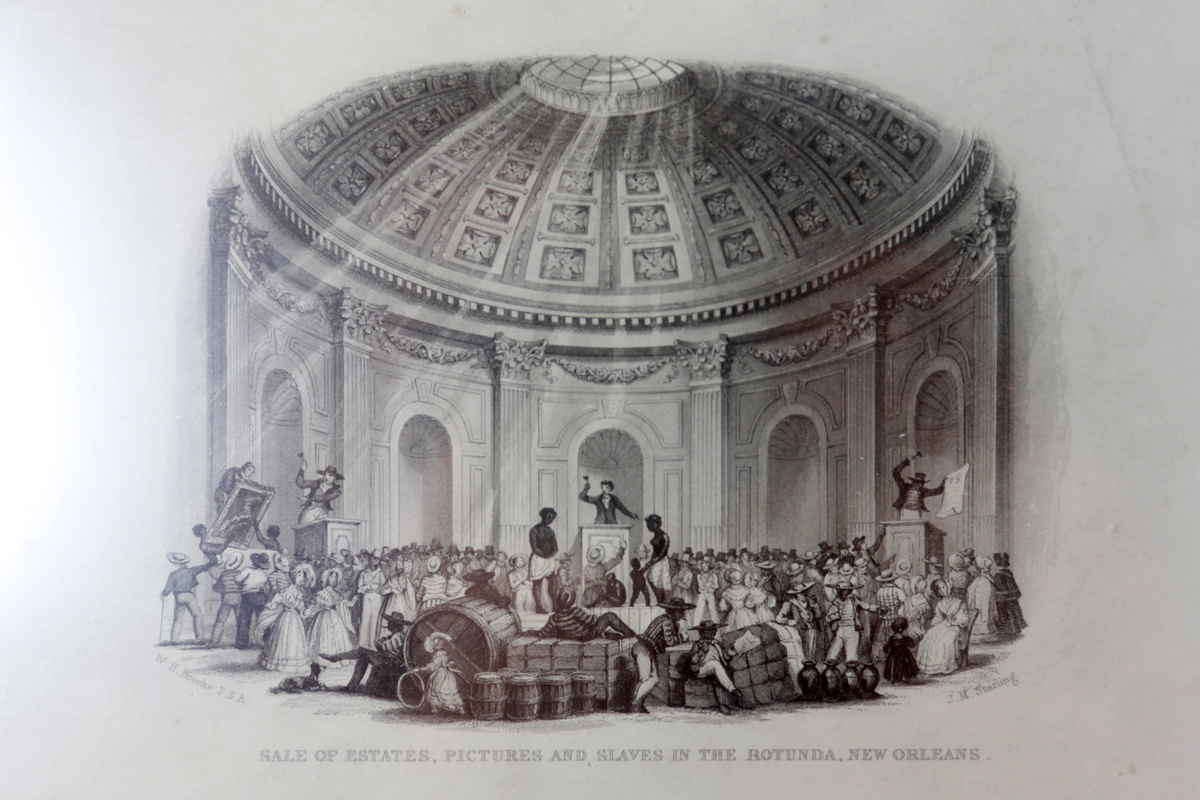
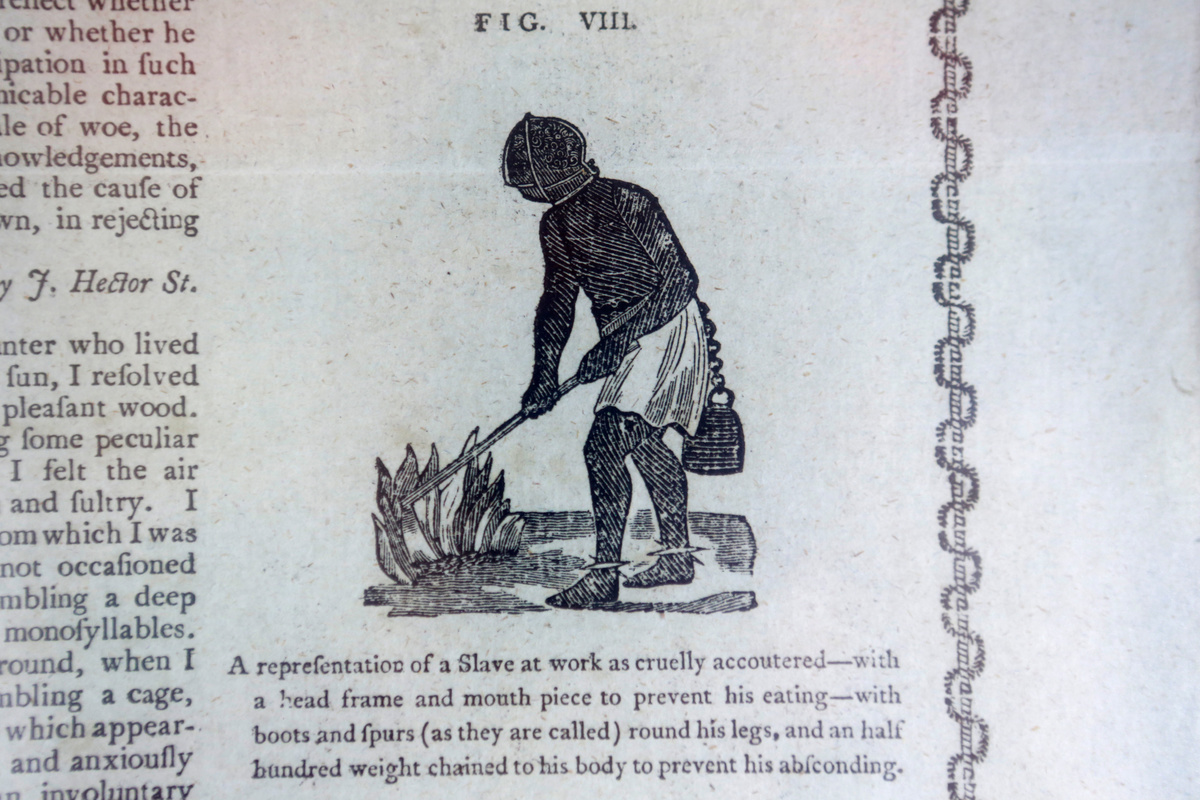
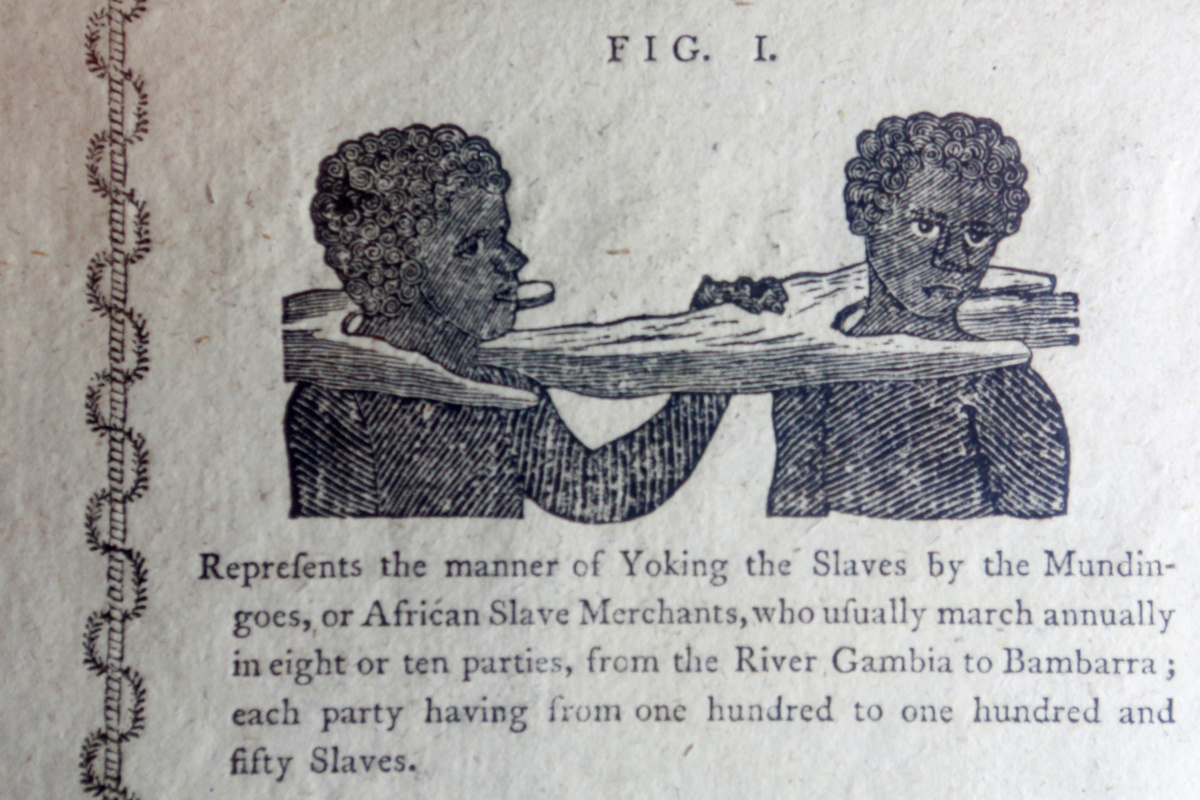
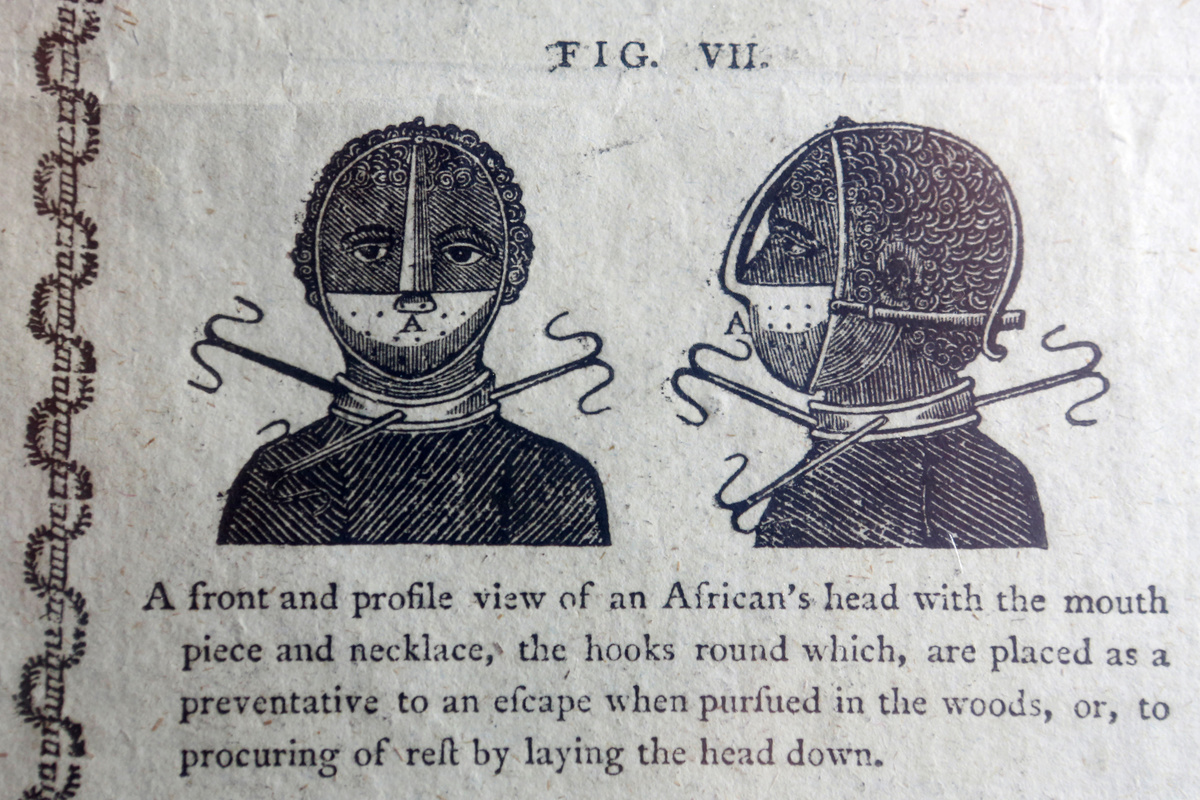
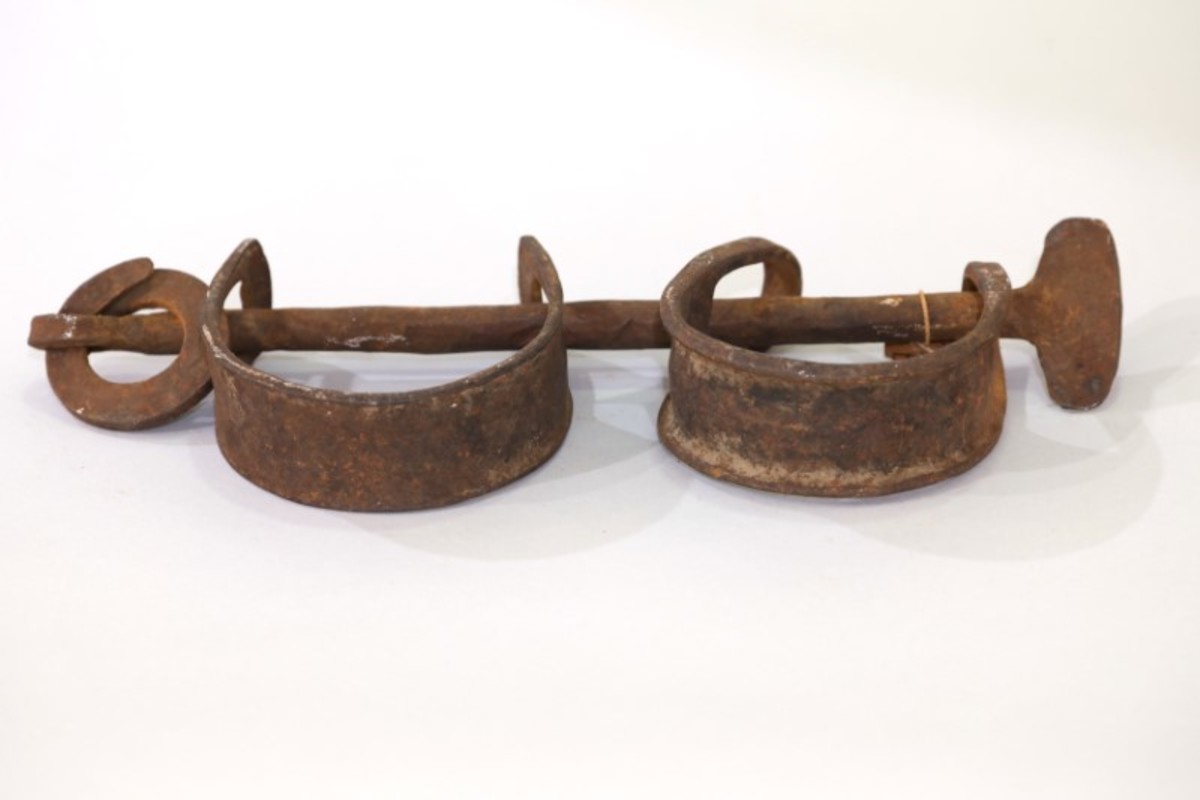
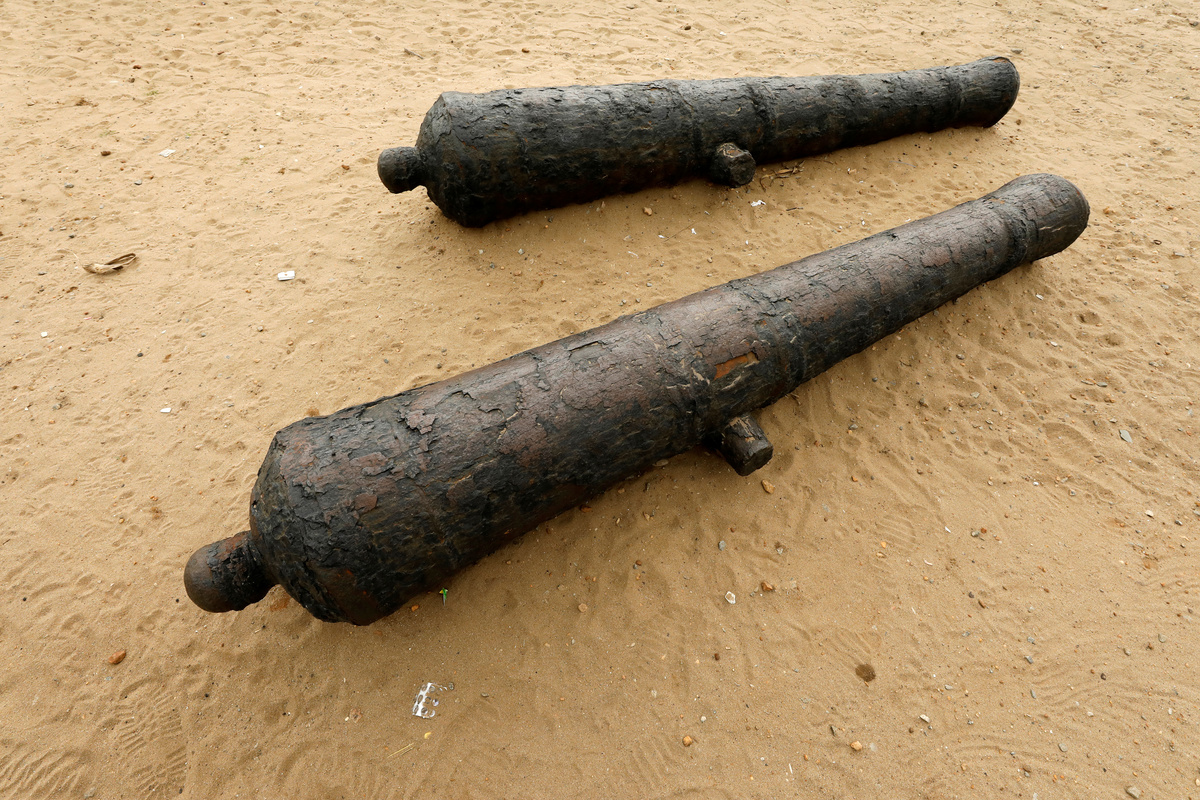
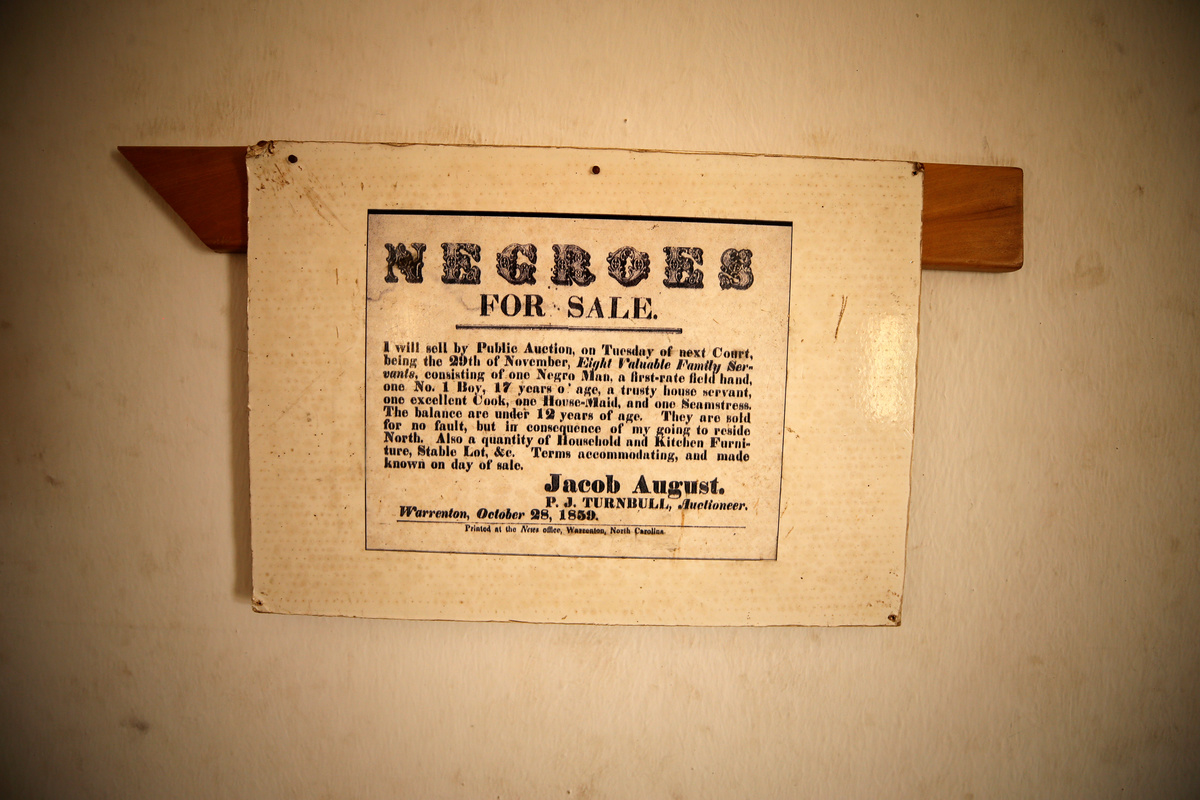
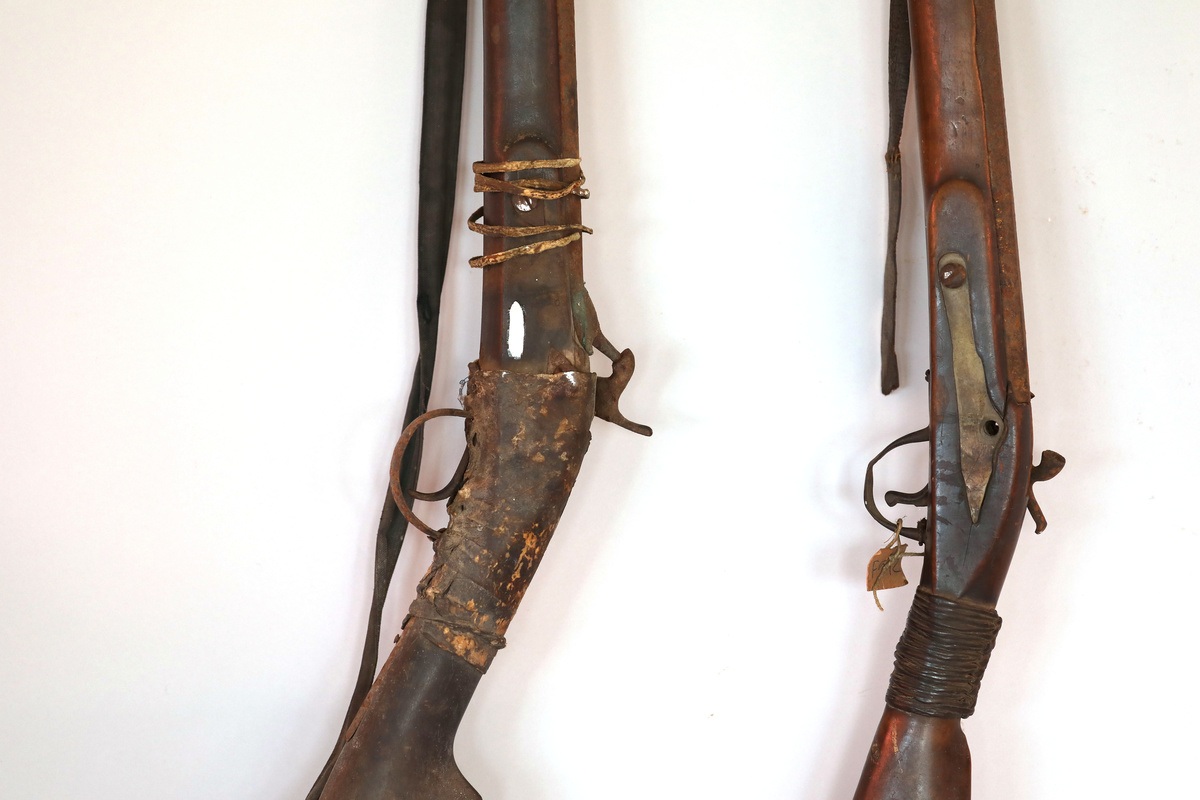
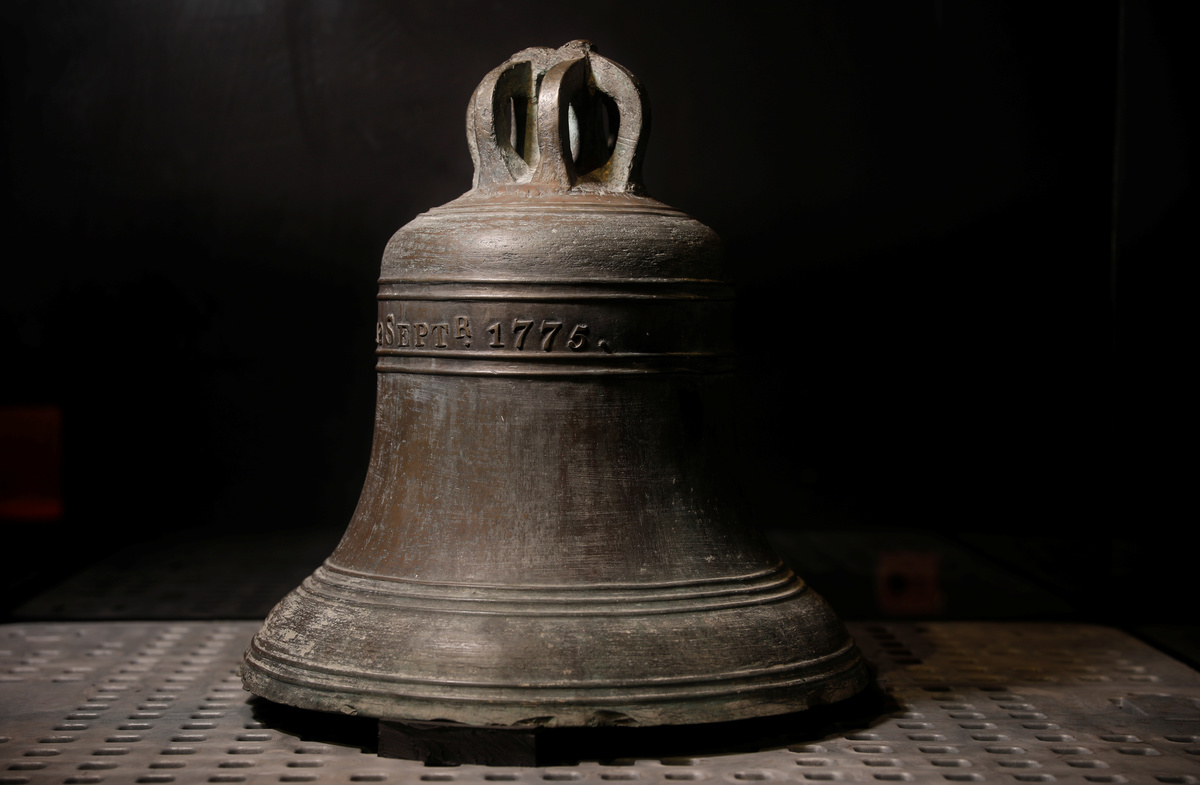
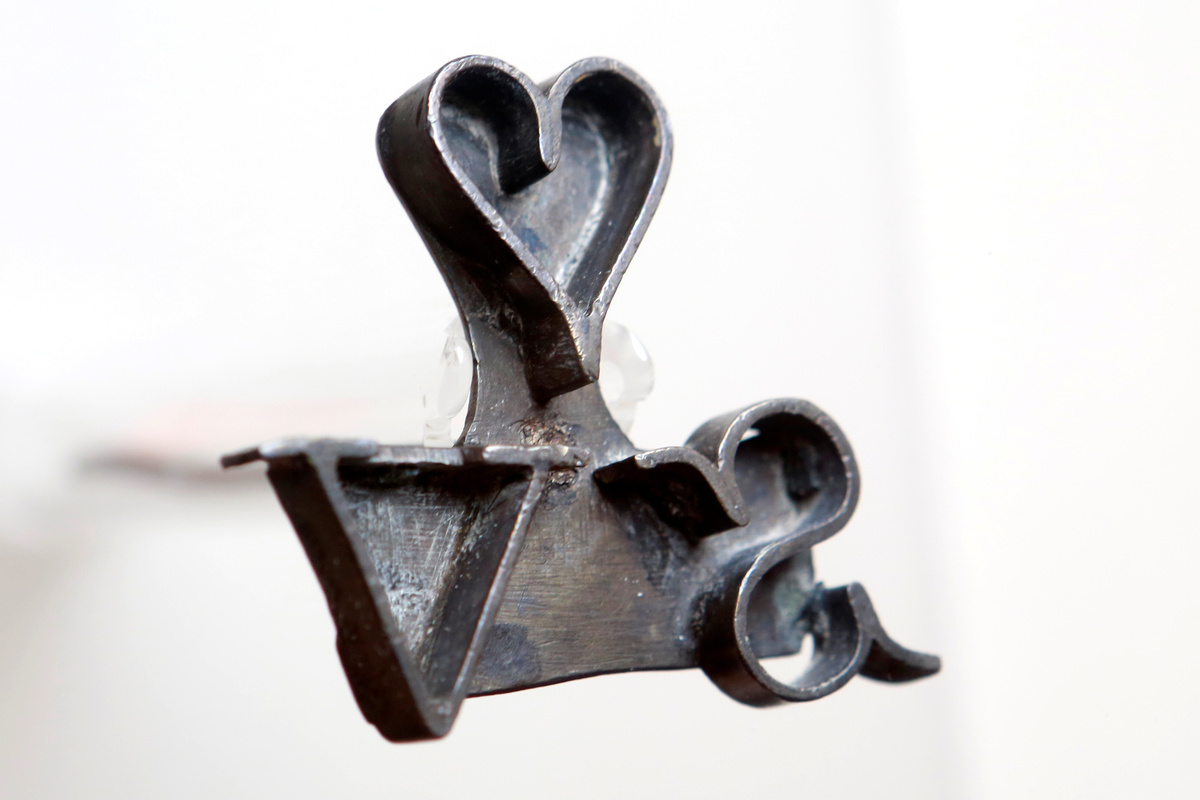
FILE PHOTO: An undated set of slave hand restraints is displayed as part of the collection at the Seriki Abass museum in Badagry, Nigeria June 22, 2019. August 2019 marks 400 years since the slave trade to North America began. REUTERS/Afolabi Sotunde FILE PHOTO: A ritual mortar of the Senoufo ethnic group is displayed as part of the collection at the Museum of Civilizations of Ivory Coast in Abidjan, Ivory Coast June 20, 2019. The undated mortar is made of sacred wood and decorated with carved images of rifles, a man riding a horse and slaves being transported and was used to pound cereals for initiation ceremonies. The mortar was acquired by the museum in 1956. August 2019 marks 400 years since the slave trade to North America began. REUTERS/Luc Gnago A detail from the painting 'A Liverpool Slave Ship' by artist William Jackson from around 1780 depicts a Liverpool slave ship moored off the coast of West Africa, is seen at the International Slavery Museum in Liverpool, Britain, July 24, 2019. REUTERS/Phil NobleA ship bowl, entitled 'Success to the Dobson', which was made about 1770 to commemorate the Dobson, a 200-ton ship owned by William Davenport one of Liverpool's most active slave traders who invested in 120 slave voyages over a 40-year career, is seen at the International Slavery Museum in Liverpool, Britain, July 24, 2019. REUTERS/Phil NobleA detail on the side of a ship bowl, entitled 'Lord Stanley', which was made in Staffordshire in about 1786 and was presented to its captain, John Smale prior to his departure for West Africa on a slaving voyage on March 1786, is seen at the International Slavery Museum in Liverpool, Britain, July 24, 2019. REUTERS/Phil NobleA copy of illustration Fig XII on a document that was an abolitionist tract published in 1794 titled 'Remarks on the Methods of Procuring slaves with a short account of their Treatment in the West-Indies' that is displayed in the Wilberforce House Museum is pictured in Hull, Britain, July 5, 2019. The text under the image, some of which is missing, reads 'Another method of fixing the poor victims on a ladder to be xxx, which is also occasionally laid flat for xxx punishments'. August 2019 marks 400 years since the slave trade to North America began. Picture taken July 5, 2019. REUTERS/Russell Boyce NO ARCHIVES NO RESALESAn original slave chain that dates from the 18th century that was captured from a slave ship is seen on display at the Mobee Royal Family Slave Relics Museum in Badagry, Nigeria, June 20, 2019. This chain, which weighs about 80 Kg, was used to shackle about 20 slaves to both restrain them and group them together when working in the fields. August 2019 marks 400 years since the slave trade to North America began. Picture taken June 20, 2019. REUTERS/Afolabi Sotunde NO RESALES NO ARCHIVESA seal from the Registrar of Slaves and Deeds is seen on display at the Slave Lodge Museum in Cape Town, South Africa, July 12, 2019. The wax impression is part of the Iziko Museums of South Africa, Social History Collection and dates from between 1816-1838. August 2019 marks 400 years since the slave trade to North America began. Picture taken July 12, 2019. REUTERS/Mike HutchingsA child slave hand restraint chain is displayed as part of the collection at the Seriki Abass museum in Badagry, Nigeria, June 21, 2019. According to the museum this chain was used to handcuff child slaves when they were moved from one place to another. August 2019 marks 400 years since the slave trade to North America began. Picture taken June 21, 2019. REUTERS/Afolabi Sotunde NO RESALES NO ARCHIVESA pointed branding tool on the end of a chain that dates from the 18th century and was captured from a slave ship by slave merchant Sumbu Mobee is displayed as part of the original collection at the Mobee Royal Family Slave Relics Museum in Badagry, Nigeria July 19, 2019. According to the museum this tool was heated in fire and then used to write the names of the slave merchant on the skin of the slaves. It was also used to pierce the lips of slaves, to prevent slaves who were working in the fields from eating. August 2019 marks 400 years since the slave trade to North America began. Picture taken July 19, 2019. REUTERS/Afolabi Sotunde NO RESALES NO ARCHIVESA sculpture titled 'Liberation' shows a slave with raised hands celebrating his freedom at Badagry Heritage Museum in Badagry, Nigeria July 20, 2019. The sculpture created by artist Ogakwu Chinedu was commissioned in 2017. August 2019 marks 400 years since the slave trade to North America began. Picture taken July 20, 2019. REUTERS/Afolabi Sotunde NO RESALES NO ARCHIVEA 3D model of the Brookes Slave Ship diagram dating from 1791 is displayed in the Abolition Gallery at the Wilberforce House Museum in Hull, Britain, July 5, 2019. The model was commissioned by abolitionist Thomas Clarkson, who presented it to William Wilberforce for use in his parliamentary speeches. Like the diagram, it depicts enslaved people packed into the hold of a slave ship, highlighting their cramped conditions. August 2019 marks 400 years since the slave trade to North America began. Picture taken July 5, 2019. REUTERS/Russell Boyce NO ARCHIVES NO RESALESAn etching titled 'Sale of Estates, Pictures and Slaves in the Rotunda, New Orleans' is displayed as part of the collection in the Wilberforce House Museum in Hull, Britain, July 5, 2019. 'Sale of Estates, Pictures and Slaves in the Rotunda, New Orleans' depicts a slave auction thought to have taken place under the dome of either the St Louis Hotel or the St Charles Hotel. Engraved by J.M. Starling after work by William Henry Brooke. August 2019 marks 400 years since the slave trade to North America began. Picture taken July 5, 2019. REUTERS/Russell Boyce NO ARCHIVES NO RESALESA copy of illustration Fig VIII on a document published in 1794 titled 'Remarks on the Methods of Procuring slaves with a short account of their Treatment in the West-Indies' that is held as part of the collection in the Wilberforce House Museum in Hull, Britain, July 5, 2019. The text under the image reads 'A representation of a slave at work as cruelly accounted - with head frames and mouth piece to prevent his eating - with boots and spurs (as they are called) round his legs, and a half hundred weight chained to his body to prevent his absconding'. August 2019 marks 400 years since the slave trade to North America began. Picture taken July 5, 2019. REUTERS/Russell Boyce NO ARCHIVES NO RESALESA copy of illustration Fig I on a document published in 1794 titled 'Remarks on the Methods of Procuring slaves with a short account of their Treatment in the West-Indies' that is held as part of the collection in the Wilberforce House Museum in Hull, Britain, July 5, 2019. The text under the image reads 'Represents the manner of yoking slaves by the Mundingoes, or African slave merchants, who usually march annually in eight or ten parties, from the River Gambia to Bambarra (region now known as Mali); each party having from one hundred to one hundred and fifty slaves'. August 2019 marks 400 years since the slave trade to North America began. Picture taken July 5, 2019. REUTERS/Russell Boyce NO ARCHIVES NO RESALESA copy of illustration Fig VII on a document published in 1794 titled 'Remarks on the Methods of Procuring slaves with a short account of their Treatment in the West-Indies' that is held as part of the collection in the Wilberforce House Museum in Hull, Britain, July 5, 2019. The text under the image reads 'A front and profile view of an African's head with the mouth piece and necklace, the hooks round which, are placed as a preventative to an escape when pursued in the woods, or, to procuring of rest by laying the head down'. August 2019 marks 400 years since the slave trade to North America began. Picture taken July 5, 2019. REUTERS/Russell Boyce NO ARCHIVES NO RESALESA section of a print of the Brookes Slave Ship diagram dated 1791 that shows women on board and forms part of the collection in the Wilberforce House Museum in Hull, Britain, July 5, 2019. According to the museum the print is arguably one of the most recognisable images from the campaign to abolish the Transatlantic Slave Trade in Britain. The publication of this image provided the public with a clear visual representation of conditions on board slave ships for the first time. August 2019 marks 400 years since the slave trade to North America began. Picture taken July 5, 2019. REUTERS/Russell Boyce NO ARCHIVES NO RESALESSlave shackles dated from the period of slavery are displayed as part of the collection at the Museum of Civilizations of Ivory Coast in Abidjan, Ivory Coast, June 20, 2019. The shackles were used to restrain the feet of the slaves to keep them immobile during their transport in boats or when held in cells. They were acquired by the museum in 1942. August 2019 marks 400 years since the slave trade to North America began. Picture taken June 20, 2019. REUTERS/Luc Gnago NO RESALES. NO ARCHIVESTwo cannons that date from the 18th century are displayed as part of the original collection at the Mobee Royal Family Slave Relics Museum Badagry, Nigeria, July 20, 2019. According to the museum each cannon of this size could be exchanged for up to 100 slaves. August 2019 marks 400 years since the slave trade to North America began. Picture taken July 20, 2019. REUTERS/Afolabi Sotunde NO RESALES NO ARCHIVESA print of a notice saying "Negroes for sale" and informing of eight slaves belonging to Jacob August to be sold by public autions in Warrenton, North Carolina, on October 28, 1859 by Autioneer PJ Turnbull is displayed as part of the collection at the Badagry Heritage Museum in Badagry, June 20, 2019. August 2019 marks 400 years since the slave trade to North America began. Picture taken June 20, 2019. REUTERS/Afolabi Sotunde NO RESALES NO ARCHIVESMuskets that are dated between the 16th and 18th century are displayed as part of the collection at the Museum of Civilizations of Ivory Coast in Abidjan, Ivory Coast, June 20, 2019. Muskets were used by slavers during the search and transport of slaves and to protect slavers from raids against other slavers trying to steal their captives. August 2019 marks 400 years since the slave trade to North America began. Picture taken June 20, 2019. REUTERS/Luc Gnago NO RESALES. NO ARCHIVESA slave bell, that dates from 1775, is seen on display at the Slave Lodge Museum in Cape Town, South Africa, July 12, 2019. The bell is part of the Iziko Museums of South Africa, Social History Collection. It has its origins from the Estate of Burgher Lieutenant Michiel van Breda in 'Oranje Zigt' now know as Orangjezicht in Cape Town and according to the museum was used to summon slaves for work and to mark the end of the day. Michiel van Breda had nineteen male slaves, eleven of whom were from Bengal and described as 'gardeners'. August 2019 marks 400 years since the slave trade to North America began. Picture taken July 12, 2019. REUTERS/Mike HutchingsA 1895 replica of a silver branding iron, similar to those used to brand enslaved people with the mark of a trading company or plantation, is displayed at the Wilberforce House Museum in Hull, Britain, July 5, 2019. When enslaved people were purchased, they would be branded with a red hot iron on their chest or shoulder. August 2019 marks 400 years since the slave trade to North America began. Picture taken July 5, 2019. REUTERS/Russell Boyce NO ARCHIVES NO RESALES
Sign up to read this article
Read news from 100's of titles, curated specifically for you.