The driverless car of chat shows, Chain Reaction (BBC Radio 4), returned this week with Adam Buxton firing questions at The League of Gentlemen’s Reece Shearsmith. The tag-team format allows for a nice variation in tone (the host baton passes to Shearsmith next week, with a new guest in the other chair), but when the host is as thoughtful and considered as Buxton I almost wish it was his show alone. He’s the ideal blend of gentle irreverence and a genuine interest in other people. For all the novelty of the format, it was a good, old-fashioned interview, with Shearsmith offering up everything from impersonations of his old acting teacher and revelations about his childhood (he was nearly christened John Wayne) to the intriguing story of the time he became the apprentice to special-effects artist Christopher Tucker, only to run away from his house in the middle of the night “like Jonathan Harker fleeing Castle Dracula”. In a brilliant summation of his comedy oeuvre, including The League of Gentlemen, Psychoville and Inside No 9, he describes the template as: “Three people in a room. One of them goes mad.” Chain Reaction is such an obvious candidate for translation to television that it’s puzzling it has yet to make the jump.
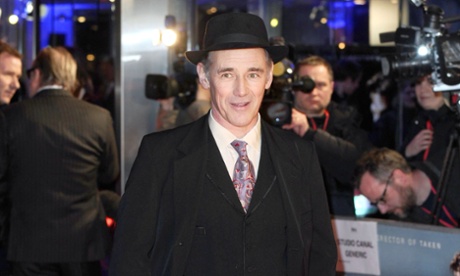
Kirsty Young’s most recent castaway on Desert Island Discs (BBC Radio 4) was Mark Rylance, suddenly brought to national prominence thanks to his hypnotically still turn as Thomas Cromwell in the BBC’s adaptation of Wolf Hall. From the “creative compost” of his parents’ influence sprang forth a man who seems to have been entirely formed in nature. He discusses his acting style, in which “emotions are truly felt”, whether on stage or screen. And he dedicates one song to “all conscientious objectors”, before admitting he made some big career decisions using the I Ching, the most significant one being turning down Stephen Spielberg in order to do a play at the National, where he met his wife, the composer Claire van Campen. His most poignant choice is the fragment of film score she wrote for her late daughter, Natasha. It’s an insistent string piece that would be heartbreaking even without the back story. When Young thanks him at the end, his reply, “thanks”, is so genuinely heartfelt it’s like the sun coming out.