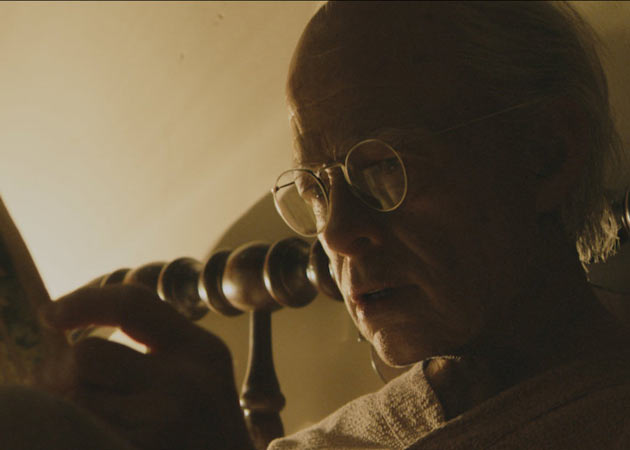
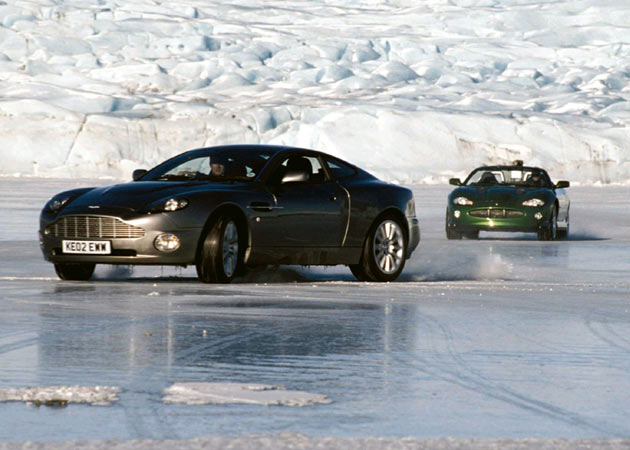
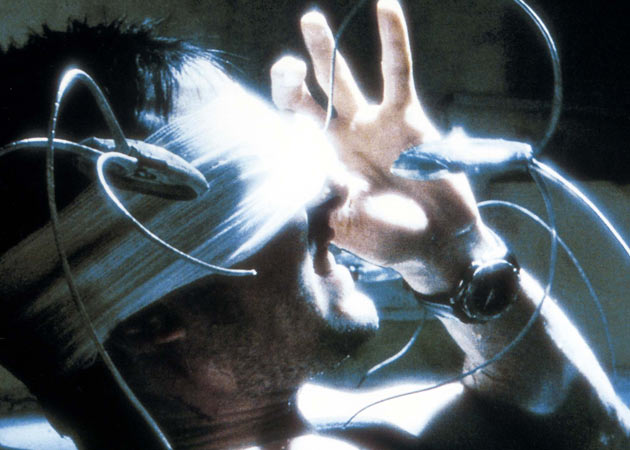
David Fincher's loose adaptation of the F Scott Fitzgerald short story is a prime example of a film where subtle CGI work helps rather than hinders an audience to suspend their disbelief. But for every Lord of the Rings, there's a George Lucas movie lurking in that dark and deeply unrealistic cornerPhotograph: PRThe award for most incongruous use of CGI goes to: Die Another Day (2002). It started so well, with those gritty early scenes of a bedraggled Pierce Brosnan incarcerated in a north Korean hellhole. But pretty soon the 20th James Bond film had descended into what many remember as the worst in the series via a series of preposterous scenes which looked more like a cheap video game than a major motion picture. Its showpiece was the visually arresting concept of an invisible car. Squint hard and you can just make out the hubcapsPhotograph: Ronald Grant ArchiveThe prize for most seamless integration of digital work goes to: Minority Report (2002). Spielberg has a reputation for getting it right when it comes to CGI, with the digital dinosaurs of 1993's Jurassic Park being a strong early example. His adaptation of Phillip K Dick's sci-fi tale was shot in filtered dark blues and greys which meshed perfectly with spectacular visions of a future metropolisPhotograph: Ronald Grant Archive
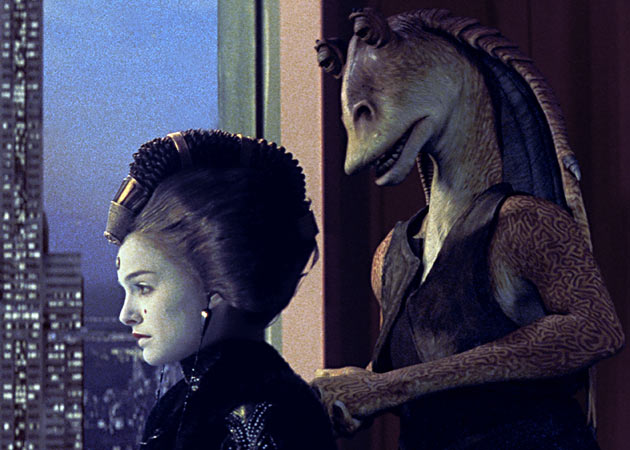
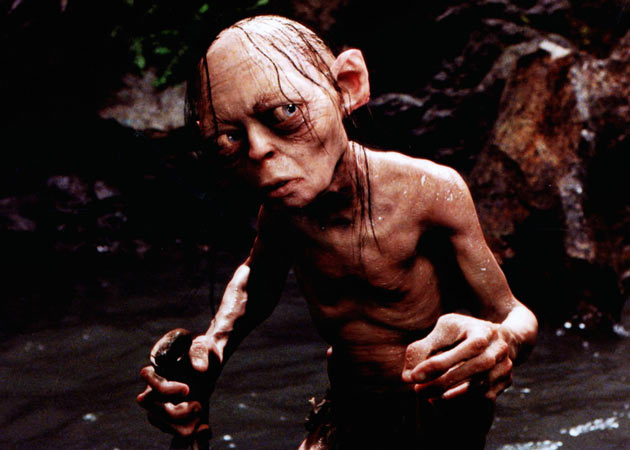
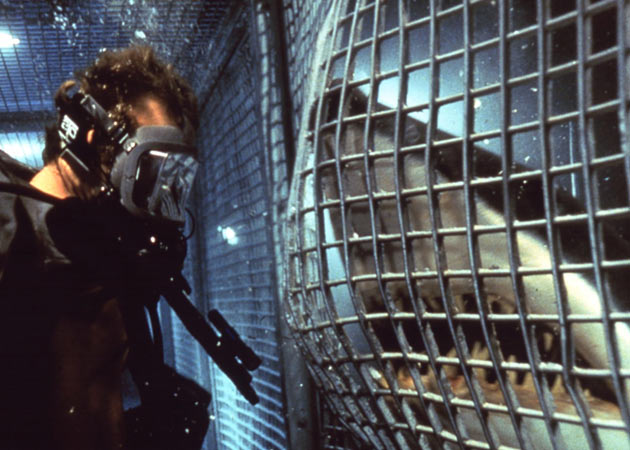
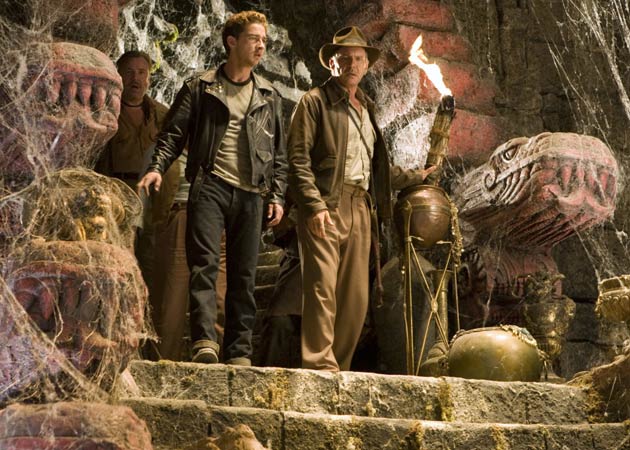
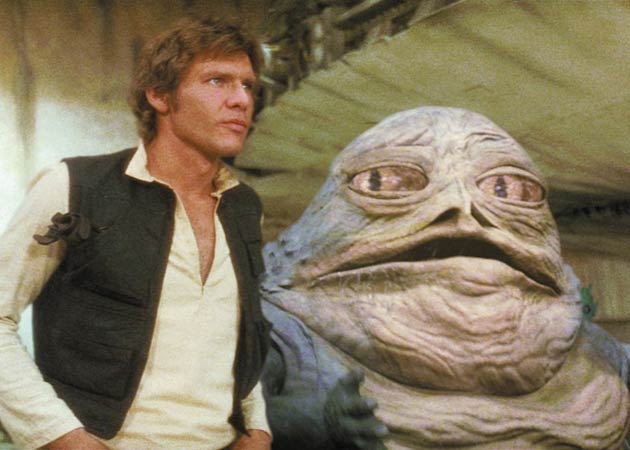
The gong for worst use of blue screen goes to The Phantom Menace (1999). The name Jar Jar Binks attracts more bile than just about any other in movie history, but it wasn't the irritating floppy ears or annoying verbal ticks that ruined the first Star Wars prequel: Jar Jar also managed to mess up everyone else's performance too. Actors as capable as Liam Neeson, Ewan McGregor and Natalie Portman were reduced to dead-faced automatons in the presence of the stalk-eyed goonPhotograph: KobalThe prize for most visionary use of CGI goes to The Lord of the Rings trilogy (2001 - 2003). It wasn't always photo-realistic, but Weta Digital's work on creating the battle sequences alone marks it out as top dog in the pantheon of great digital work. And while Gollum's movements may look a little awkward in 20 years time, today he's still frighteningly realisticPhotograph: Ronald Grant ArchiveAnd the CGI razzie for poorest monster of the deep goes to Deep Blue Sea (1999). The mean fish menacing Samuel L Jackson's embattled research team are apparently super-intelligent. The animators who put them on the big screen, on the other hand, have created sharks which look even less fleshy than those in the Jaws series a good 20 years earlierPhotograph: Ronald Grant ArchiveThe prize for most superfluous CGI creature goes to Indiana Jones and the Kingdom of the Crystal Skull (2008). Fans of previous Indy outings had been promised the new movie would mesh seamlessly with the first three films, an undertaking smashed to smithereens within 20 seconds of the flick's opening sequence. Where exactly where the CGI gophers in Raiders of the Lost Ark? Because we must have missed them. It's surprisingly hard to locate a still of that wee critter in the first scene, or even of Shia LaBeouf swinging through the jungle with all those monkeys. Still, they're probably etched onto your memory forever anywayPhotograph: PRAnd last if not least, the award for pillaging all our childhoods goes to Star Wars: A New Hope (special edition version). Amidst all the execrable changes to his original space opera trilogy mounted by Lucas for the 1997 re-releases, one in particular stands out. The newly-installed scene in which a hugely awkward looking CGI Jabba the Hut confronts Han Solo in the Millennium Falcon's launch bay was excruciating in the extremePhotograph: PR
Sign up to read this article
Read news from 100’s of titles, curated specifically for you.