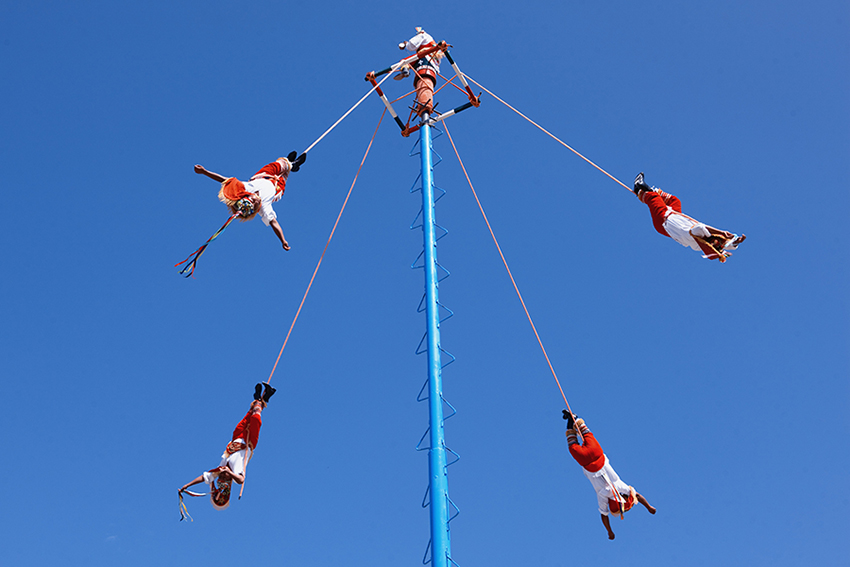
Pole flying or Danza de los Voladores (Dance of the Flyers) is performed by Mexican tribespeople in Guatemala. Traditionally performed in December, the ancient ritual involves a small group of men climbing a 30 metre pole. Once mounted, some launch themselves off the pole to dangle on ropes while the final man remains on the top, dancing and playing a flute. The ritual was said to implore the gods to return the sun. Photograph: Corbis

The Incas celebrated the winter solstice with Inti Raymi, the festival of the sun.The nine-day festival included dancing and processions and also marked the beginning of the new year in the Andes. It was banned in the 16th century by the Catholic priests but was revived in the 1940s as a popular tourist attraction. Photograph: Corbis

The Hopis, a Native American tribe, celebrate the winter solstice with the Soyal festival. Many of the rituals take place in ceremonial underground meeting rooms called kivas and tribespeople dress up as ancestral spirits, the Kachinas. It is also a time of purification, the blessing of tribespeople and homes and an opportunity for elders to regale the children with traditional stories. Photograph: Corbis
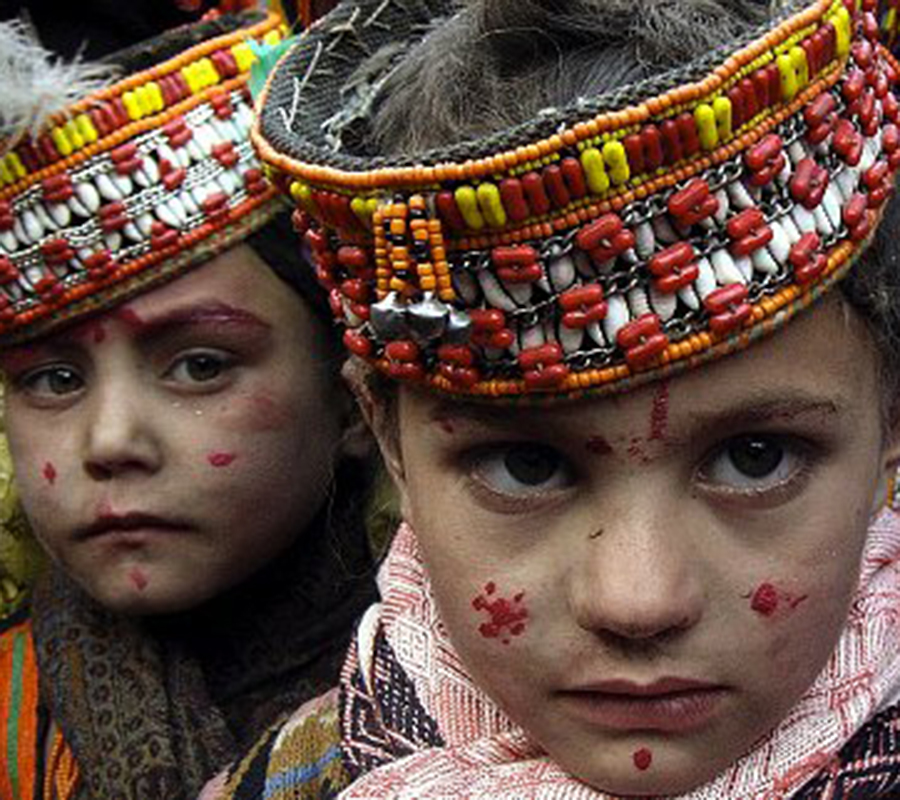
Chaomos or Chatarmas is the winter solstice festival celebrated by the tiny Kalash tribe who live in Pakistan close to the Afghan border. The traditions include young boys and girls going through cultural rites of passage, bonfires, feasting on dried fruits and plenty of dancing. Photograph: Corbis
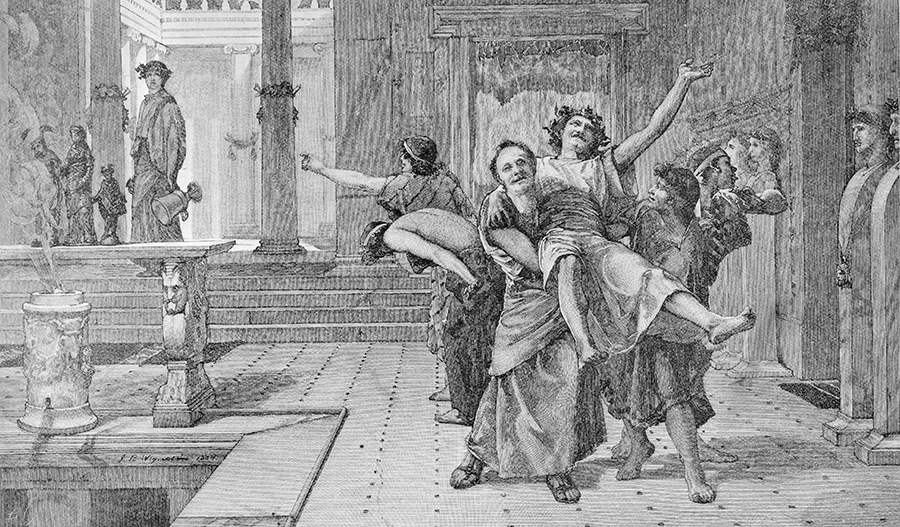
The ancient Romans knew how to throw a party and Saturnalia was one of the highpoints in their calendar. The festival celebrated Saturn, the god of harvesting and agriculture, with feasting, gifts, gambling and partying in the streets. Many of the traditions became part of Christmas when Rome became a Christian city, but thankfully some of the more unrestrained traditions, including sacrificing children and destroying property, haven’t continued. Photograph: Corbis
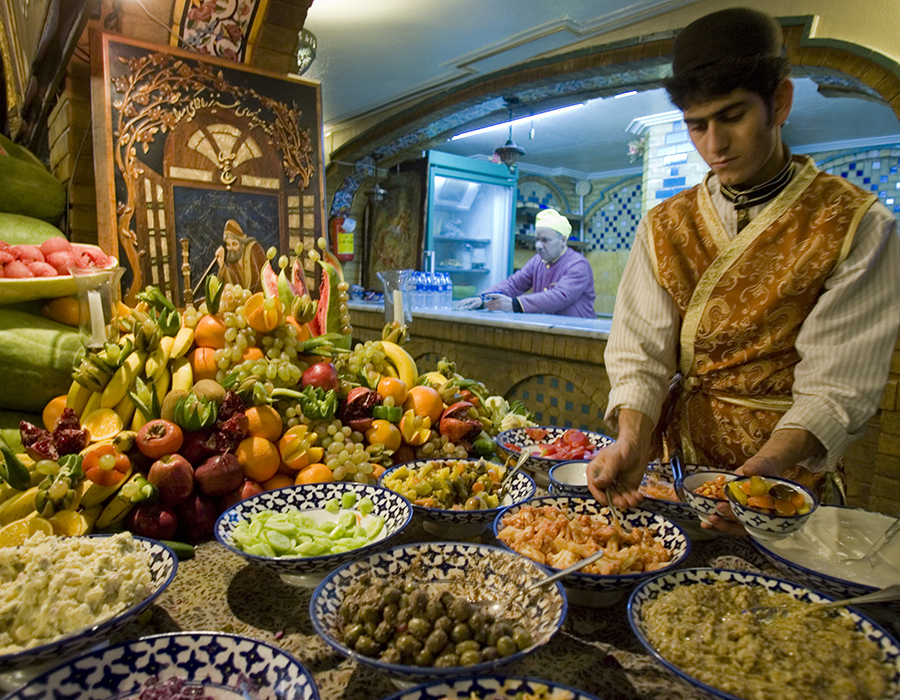
This ancient Persian winter solstice festival celebrates the birth of the Persian angel of truth. Family and friends gather to feast on nuts, watermelon, pomegranate, dried fruits and sweetmeats and read the works of celebrated poet Hafez. Like all good traditions, Yalda also involves dancing, decorating the house with candles and attempting to divine the future. Photograph: Corbis
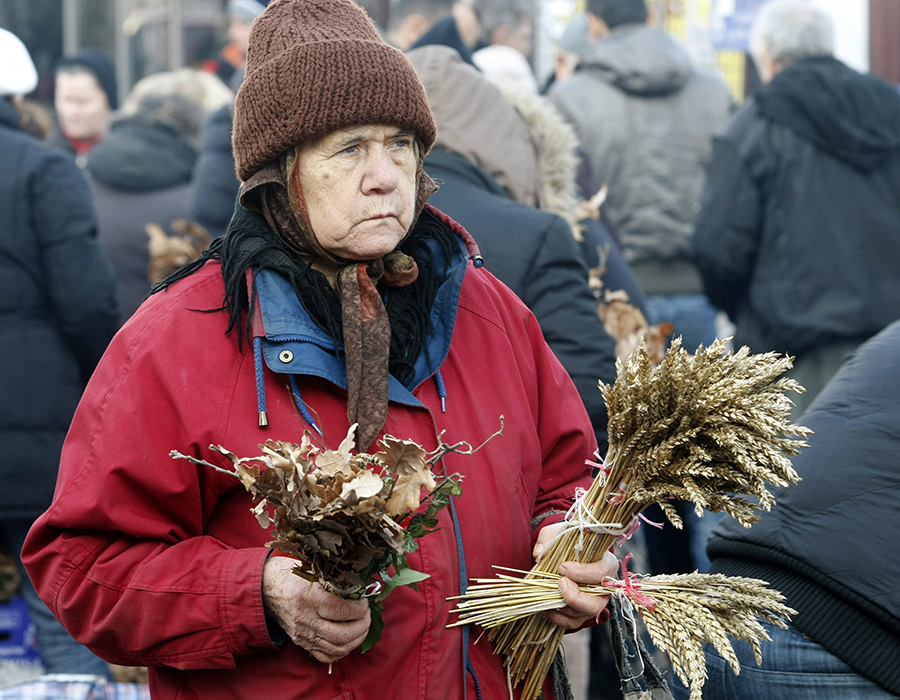
Many of the traditions of the ancient Yule festival have been absorbed into those enacted at Christmas. Decorating an evergreen tree, hanging holly and mistletoe around the house, caroling and having a yule log are all throwbacks to the pagan festival, which is still celebrated around the world on the winter solstice. Photograph: Corbis

Created in 1994 as a response to Christmas commercialisation, the Burning of the Clocks festival sees the folk of Brighton and Hove gather to make paper and willlow lanterns and then march through the streets on the shortest day of the year. The procession concludes on Brighton beach with a dazzling fireshow, fireworks and live music. Photograph: Corbis
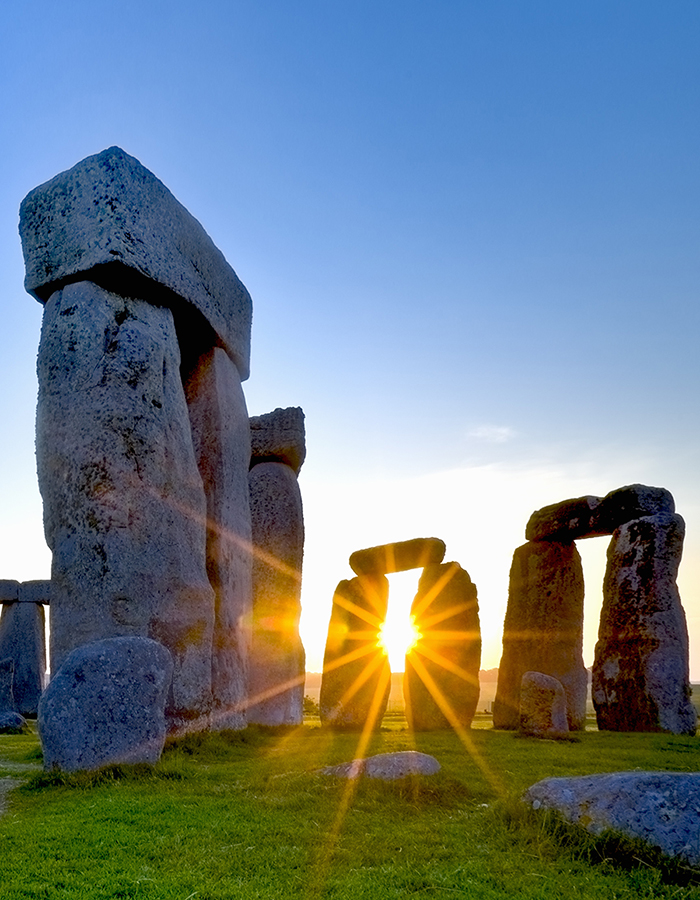
Undoubtedly the most famous solstice celebration spot is Stonehenge in south west England. Considered by some as an ancient temple, it’s the spot where religious groups including druids and pagans gather for the winter and the summer solstice to watch the sun rise over the stones. Photograph: Corbis