A bacterium long treated as a tropical import has been found in soil and water along the U.S. Gulf Coast, and public health researchers now describe the disease it causes as endemic in part of the southern United States. The CDC states plainly that Burkholderia pseudomallei "has been found to occur naturally in the Gulf Coast region of the United States."
The practical consequence is diagnostic. For decades, American clinicians were taught to consider melioidosis only in patients with recent travel to Southeast Asia or northern Australia. That mental shortcut no longer holds for people living along the Gulf.
A review published in PLOS Neglected Tropical Diseases concluded that the bacterium has established itself in the southern United States, describing melioidosis as endemic in Mississippi and likely endemic in Georgia and Texas. The authors noted that the organism has not yet been cultured from the environment in the latter two states.
The Bacterium's Path into American Soil
The turning point came when investigators identified Burkholderia pseudomallei in the continental U.S. environment for the first time, through soil and water sampling in a Mississippi Gulf Coast county. A report in the New England Journal of Medicine described three patients living in that same county who developed melioidosis within a three-year period.
All three were infected by the same Western Hemisphere strain, which was also recovered from three environmental samples taken on the property of one of the patients. That match indicated local acquisition from the environment rather than travel or an imported product.
How long the bacterium has been present remains unknown. Modeling suggests conditions across Gulf Coast states suit the organism, and extensive sampling would be needed to determine how widely it has spread.
The CDC has since worked with Georgia health officials to identify four melioidosis cases that occurred from 1983 through 2024 in the same Georgia county, a pattern more consistent with long-standing local presence than with recent arrival.
A Diagnosis That Slips Past Clinicians
Melioidosis has no signature presentation. It most often appears as a lung infection, but it can also produce skin ulcers, abscesses, joint and bone infection, bloodstream infection or brain involvement.
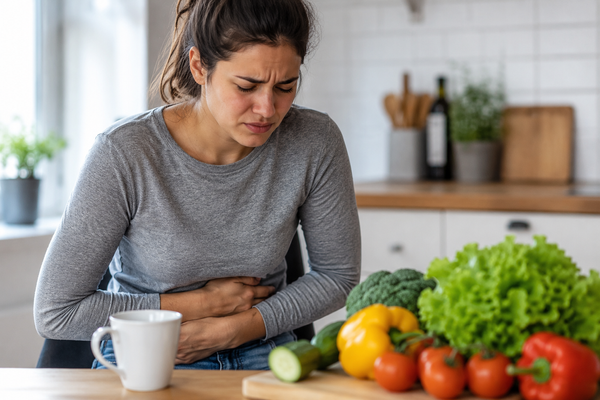
Symptoms commonly include fever, cough, chest or stomach pain, muscle pain, headache, trouble breathing and loss of appetite. Symptoms usually appear one to three weeks after infection, though some cases have surfaced months or years later. In a Gulf Coast emergency department, that combination points toward far more common diagnoses first.
Laboratory identification is a second obstacle. Microbiology laboratories unfamiliar with the organism can misidentify it, which is why the CDC advises labeling samples appropriately when melioidosis is suspected. The agency's clinical overview sets out the diagnostic approach for providers.
The bacterium also resists many antibiotics, so drugs a clinician reaches for empirically may not work. Treatment generally requires intravenous antibiotics for two to eight weeks, followed by oral antibiotics for three to six months, so getting the diagnosis right changes the entire treatment path.
Residents Who Face the Greatest Risk
Most healthy people who come into contact with the bacterium do not become ill. Risk is concentrated among people with specific underlying conditions, and diabetes is the most prominent among them.
Kidney disease, chronic lung disease, liver disease, cancer, thalassemia, heavy alcohol use and conditions or medications that suppress the immune system also raise risk. That profile overlaps with the health picture of many Gulf Coast communities.
Exposure occurs through contact with contaminated soil or water, especially through skin breaks, by breathing in contaminated dust or water droplets, or by eating or drinking contaminated food or water. Gardening, farming, construction, flood cleanup, and outdoor recreation all bring people into contact with soil.
Person-to-person spread is very rare. This is not an infection that circulates through a community like a respiratory virus, which is why the response focuses on recognition and treatment rather than containment.
Sensible Precautions Along the Gulf
The bacterium cannot feasibly be removed from soil once established, so the CDC says it is working with health departments to learn more about how widespread it is and what impact it is having.
For residents, that translates into ordinary protective habits rather than avoidance of the outdoors. People with diabetes, kidney disease, or open skin wounds are advised to avoid contact with soil and standing water. Anyone doing agricultural work or similar activities should wear boots to prevent infection through the feet and lower legs.
Extra caution is reasonable after hurricanes and heavy rain, when bacteria rise to the soil surface and cases may increase. That timing overlaps with hurricane season along the Gulf.
Anyone with a risk condition who develops a persistent fever, a non-healing skin ulcer, a worsening cough, or an unexplained abscess after exposure to soil or floodwater should explicitly mention that exposure to their clinician. Naming it can prompt the specific culture that leads to diagnosis.
Confirmed cases are reported to state and local health departments and feed national surveillance under a standard case definition. The CDC maintains information on melioidosis for the public and for clinicians.
Related MedicalDaily.com Coverage
West Nile Virus Deaths Rise in Arizona as 2026 Season Tracks at 5 Times the Historical Baseline
Phoenix Leads the Nation in West Nile Virus Deaths as 2026 Season Becomes Worst in Over Two Decades
Key Questions Answered
What is melioidosis? A serious infection caused by Burkholderia pseudomallei, a bacterium living in soil and water. It most often causes a lung infection but can affect nearly any organ system.
Why does the Gulf Coast matter? The CDC says the bacterium occurs naturally in the region, and it has been isolated from the environment in coastal Mississippi, meaning Americans can acquire the infection without international travel.
How do people get infected? Through contact with contaminated soil or water, especially through skin breaks, by breathing in contaminated dust or droplets, or by eating or drinking contaminated food or water. Person-to-person spread is very rare.
Who is most at risk? People with diabetes face an elevated risk, along with those with kidney disease, chronic lung or liver disease, cancer, thalassemia, heavy alcohol use, or a weakened immune system.
Why is it hard to diagnose? Symptoms resemble those of far more common illnesses, and laboratories unfamiliar with the organism may misidentify it. Clinicians are advised to label samples appropriately when melioidosis is suspected.
Is it treatable? Yes, but treatment generally requires intravenous antibiotics for two to eight weeks, followed by oral antibiotics for three to six months. The bacterium resists many commonly used antibiotics.
What precautions make sense? Wear boots for soil work, avoid soil and standing water if you have open wounds or a risk condition, take extra care after heavy rain, and tell a clinician about soil or floodwater exposure if illness follows.