CBS News has ignited a fierce media controversy after its editor-in-chief, Bari Weiss, abruptly shelved a major 60 Minutes investigation into the Trump administration's deportation of Venezuelan migrants to a notorious El Salvador prison, a decision that critics say amounts to self-censorship to placate political power.
The segment, titled 'Inside CECOT,' was pulled just hours before its scheduled broadcast, despite having been cleared by multiple internal reviews and extensively promoted by the network, prompting accusations that CBS allowed political considerations to override journalistic duty.
Late Pullback Sparks Internal Uproar
On Sunday Dec. 21, 2025, CBS News abruptly removed the 60 Minutes segment from its programme lineup, telling staff and affiliates that the investigation required additional reporting before it could air. The decision triggered immediate dissent within the newsroom.
Correspondent Sharyn Alfonsi, who produced the piece, sent an internal email saying the segment had been screened five times and cleared by CBS attorneys as well as the network's Standards and Practices division, and was 'factually correct'. She also wrote that shelving the report was not an editorial choice but a political decision.

In her memo, Alfonsi said that the production team had even requested comment from the White House, the Department of Homeland Security and the State Department, but the administration declined to participate. She warned that using lack of government comment as a rationale to block reporting gave officials a 'kill switch' over critical journalism. Executive producer Tanya Simon told colleagues that she and her team 'defended our story', but 'had to comply' with Weiss' late-stage editorial demands, according to a partial transcript of an editorial meeting.
Editor-In-Chief Defends Decision, Cites Fairness Concerns
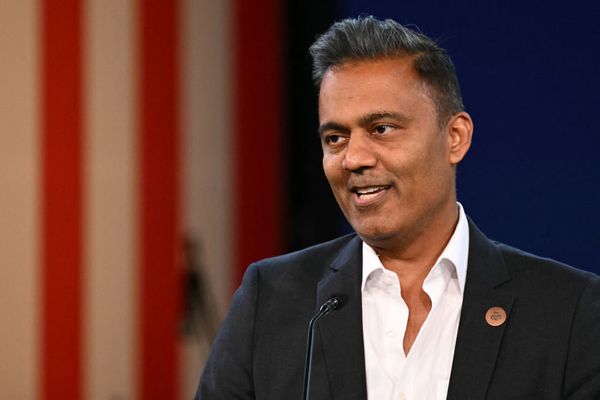
Bari Weiss and CBS newsroom leadership issued an internal staff memo defending the call to delay the segment, asserting that it was made to uphold journalistic standards and ensure fairness.
new: Bari Weiss et al sends a staff memo connecting her decision to hold the “60 Minutes” piece to broader efforts to restore trust in news. “In our upside-down moment, this may seem radical.” pic.twitter.com/ZFcVfmdTyK
— Ben Mullin (@BenMullin) December 24, 2025
In the message, Weiss and her colleagues wrote that restoring public trust in media requires 'comprehensive and fair' reporting, and that holding a story to gain additional context is a legitimate editorial practice, even if controversial. Weiss also reportedly told staff that the piece 'did not advance the ball' and lacked key elements such as on-the-record comment from relevant officials.
However, critics quickly argued these editorial concerns do not justify the timing of the cancellation, shortly before broadcast and after promotional messaging had already circulated. They contend that the move suggests political caution rather than pure editorial judgement.
Segment Content: Trump Administration Deportations To CECOT
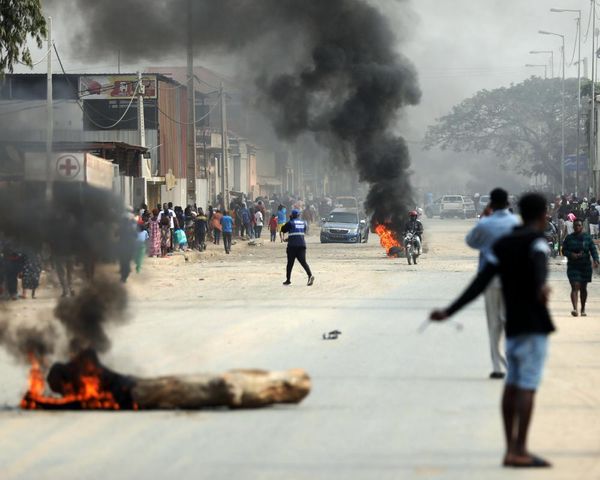
The shelved story focused on a controversial Trump administration policy that resulted in 238 Venezuelan migrants being flown from Texas to El Salvador's maximum-security CECOT prison, a facility known for harsh conditions. Internal CBS records show that many of those individuals had no apparent criminal convictions or charges, based on government documents obtained by CBS News.
Here is a snippet of the 60 Minutes segment on Trump's barbaric CECOT concentration camp that was pulled by editor-in-chief of CBS News Bari Weiss. 🥹👇 pic.twitter.com/en6uIeyV3A
— Bill Madden (@maddenifico) December 27, 2025
The report was also set to examine accusations of mistreatment and dire conditions in CECOT, where inmates and rights groups say detainees have endured significant abuses, claims partially documented by external human-rights research.
For many viewers, the 60 Minutes brand represents a gold standard of investigative journalism with a legacy stretching back decades, and it was slated to bring national attention to this issue before its sudden withdrawal.
Accusations of Political Censorship
Critics of CBS' decision have used strong language to describe the pull-back. Some newsroom voices have characterised it as corporate censorship, arguing that the decision reflects undue political influence rather than a genuine editorial concern, particularly given the segment's critical focus on a policy of a sitting Republican administration.
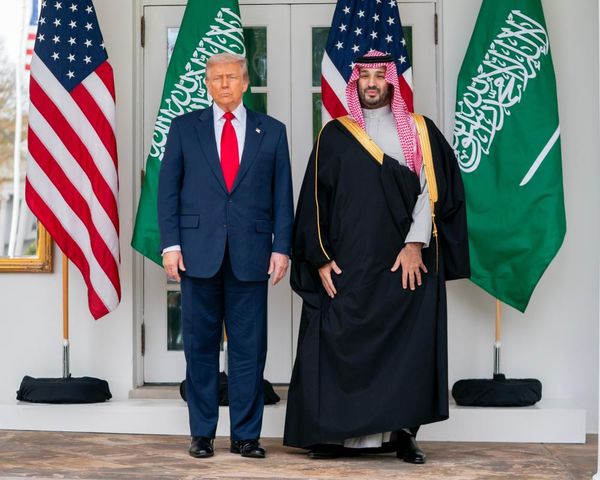
Senators and media commentators weighed in publicly. Democratic Senator Edward J. Markey posted on social media that the move resembles 'government censorship', linking the controversy to the recent approval of the Paramount Skydance merger — the deal that brought CBS under a corporate structure led by billionaire allies of the Trump administration.
This is what government censorship looks like:
— Ed Markey (@SenMarkey) December 22, 2025
Trump approved the Paramount-Skydance merger.
A few months later, CBS's new editor in chief kills a deeply reported story critical of Trump.
A sad day for 60 Minutes and journalism. https://t.co/XyCEYKVWfX
Former CBS correspondent and journalist Katie Couric described the decision as a 'disgrace' and evidence of political interference, emphasising concerns about media owners' influence over editorial content.
While CBS has promised that the 'Inside CECOT' piece will air at a later date after further reporting, the abrupt removal at the final hour and the reasons offered have left audiences and journalists alike questioning whether political sensitivities now shape what stories reach broadcast airwaves.