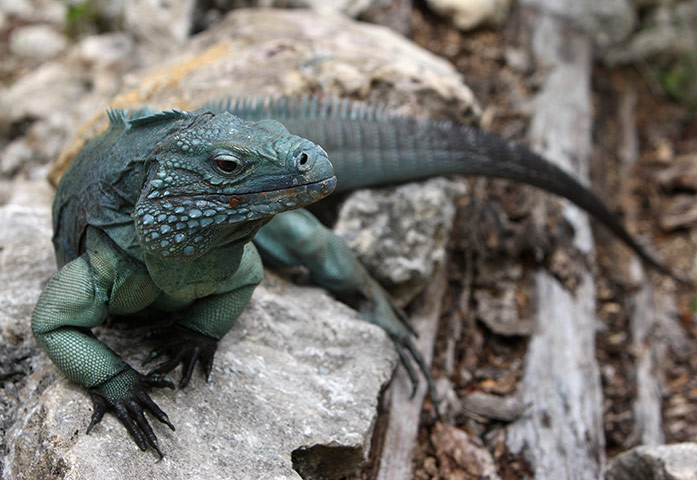
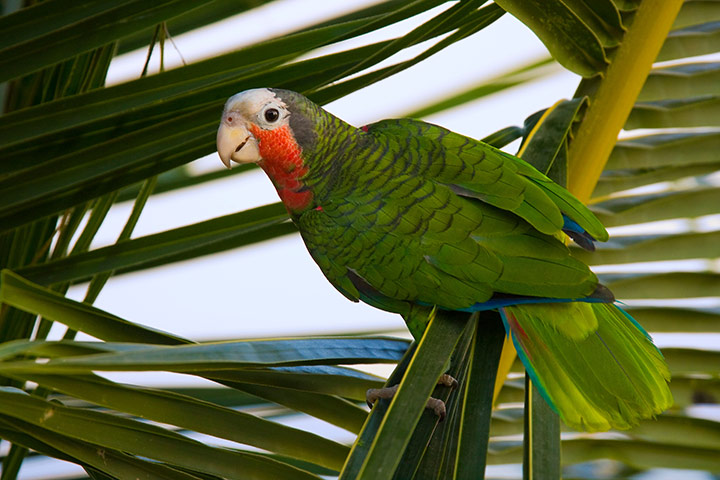
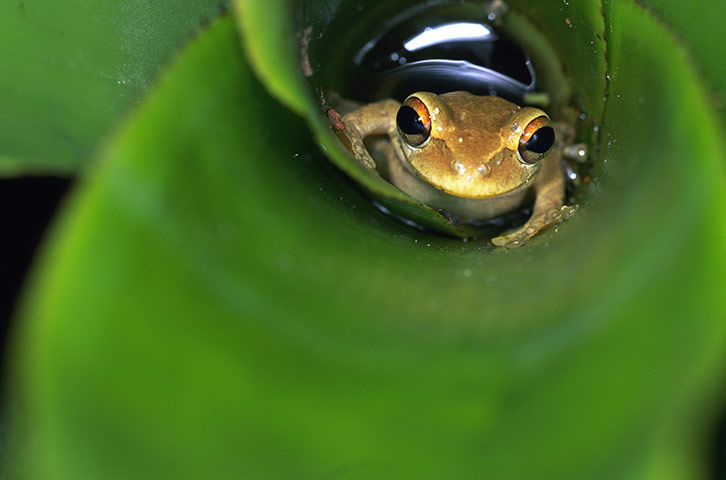
The critically endangered blue iguana lives only on Grand Cayman, but is regularly seen by visitors to Queen Elizabeth II Botanic Park – and will frequently stay stock still for photographs.Photograph: David Rogers/Getty ImagesTwo subspecies of the Cuban parrot ( Amazona leucocephala) inhabit the Cayman Islands – the noisy and gregarious Grand Cayman parrot and, on Cayman Brac, its smaller, more secretive cousin.Photograph: Lee Dalton/AlamyWalkers along the Mastic Trail may be lucky enough to spot a Cuban tree frog ( Osteopilus septentrionalis), which can change colour from brown through green to yellow to merge with the environment.Photograph: Chris Mattison/Photolibrary.com
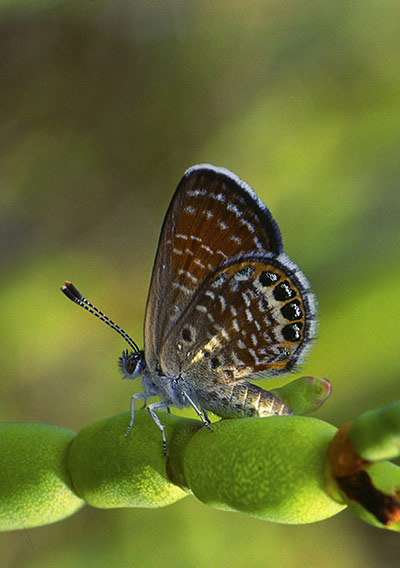
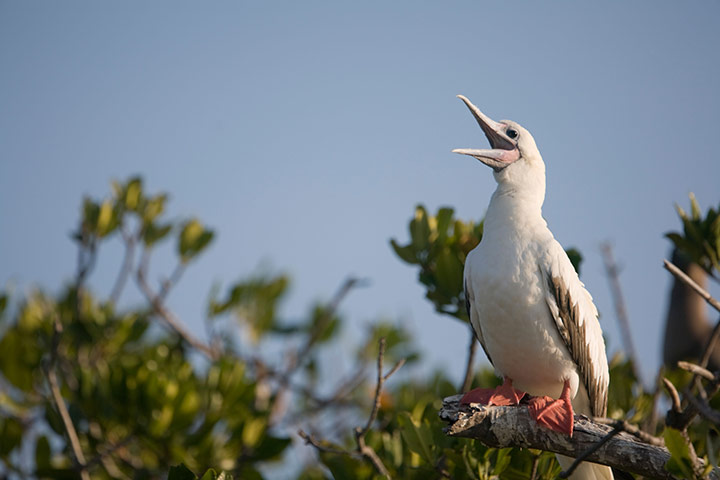
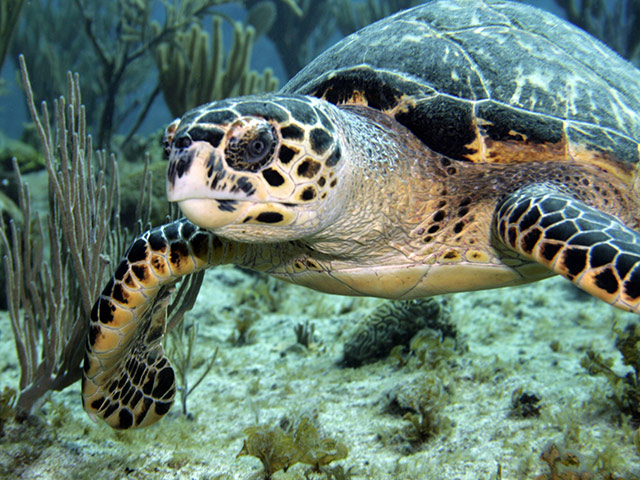
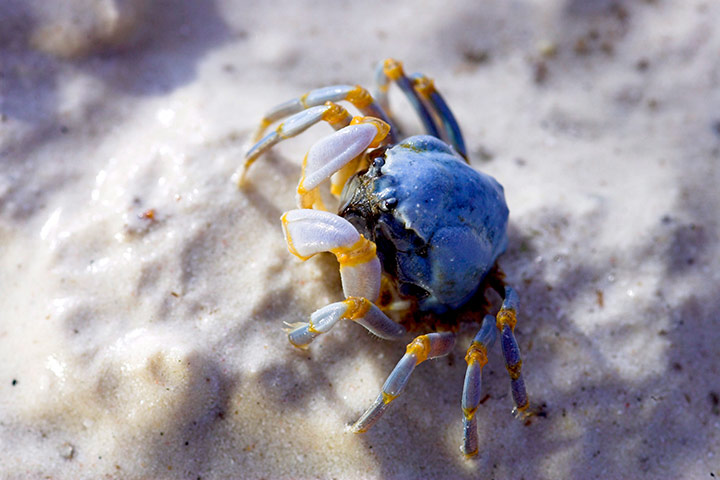
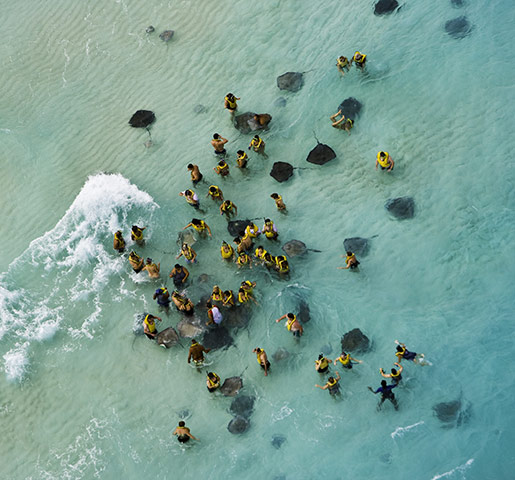
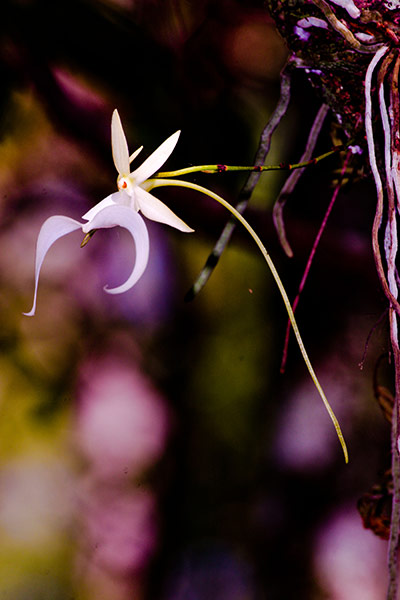
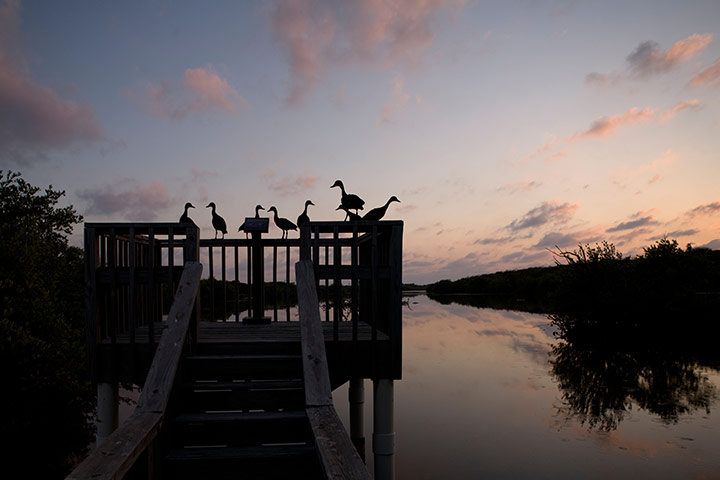
One of the tiniest butterflies in the world, the endangered pygmy blue ( Brephidium exilis thompsoni), is unique to Grand Cayman. It is occasionally spotted in the interior, including the Botanic Park.Photograph: Courtney PlattLittle Cayman’s Booby Pond is home to one of the world’s largest colonies of red-footed boobies. Normally brown in colour, it is shown here in its white morph, but still with the distinctive red feet.Photograph: AlamyThreatened by loss of habitat, sea turtles worldwide are struggling. Fortunately, there are still a few areas of Cayman where they remain, feeding on turtle grass and nesting on isolated sandy beaches.Photograph: PRSoldier crabs are the ultimate in borrowers. Without their own natural shell, they forage along the seashore for a suitable home. Then, mission accomplished, they’re more commonly found in caves or even trees.Photograph: AlamySnorkelling alongside the graceful southern stingray ( Dasyatis americana) in the crystal-clear waters of Grand Cayman’s Stingray City is a highlight for most visitors.Photograph: Laurie Chamberlain/CorbisOne of several species of orchid found on the Cayman Islands, the exquisite ghost orchid, ( Dendrophylax fawcettii), is sometimes found on exposed rocky outcrops. Others, such as the banana orchid, are found in the Botanic Park. Photograph: Danita Delimont/AlamyThe Cayman Islands is one of the few breeding grounds of the West Indian whistling duck ( Dendrocygna arborea), a secretive bird that frequents the ponds dotted around the islands, but is rarely seen during the day.Photograph: Alamy
Sign up to read this article
Read news from 100’s of titles, curated specifically for you.