Caught on camera trap: brown bears feast on salmon – in pictures
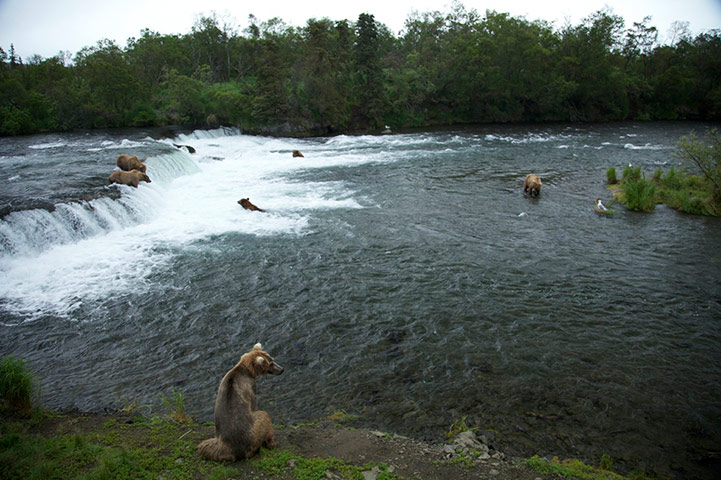
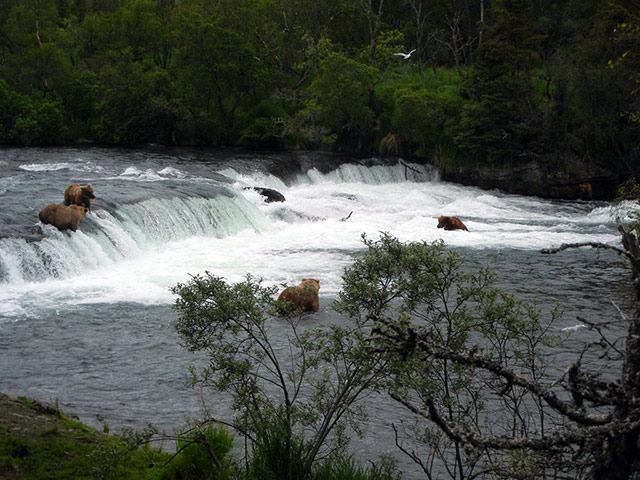
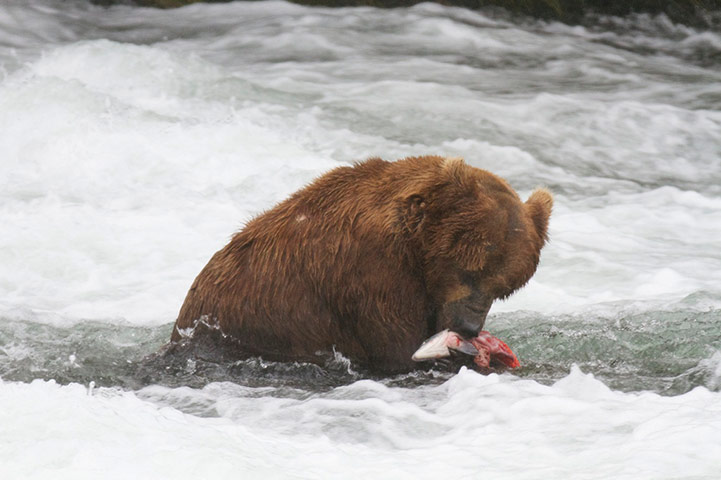
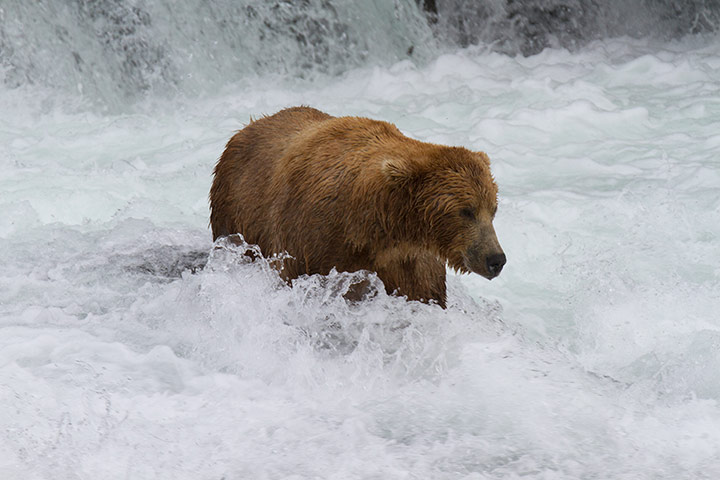
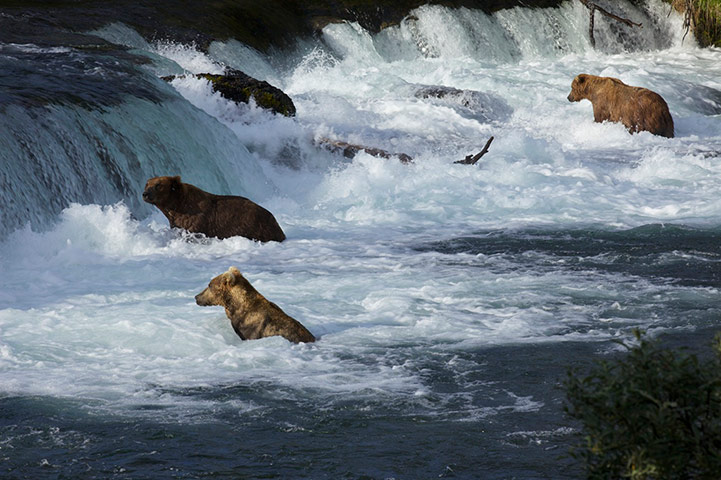
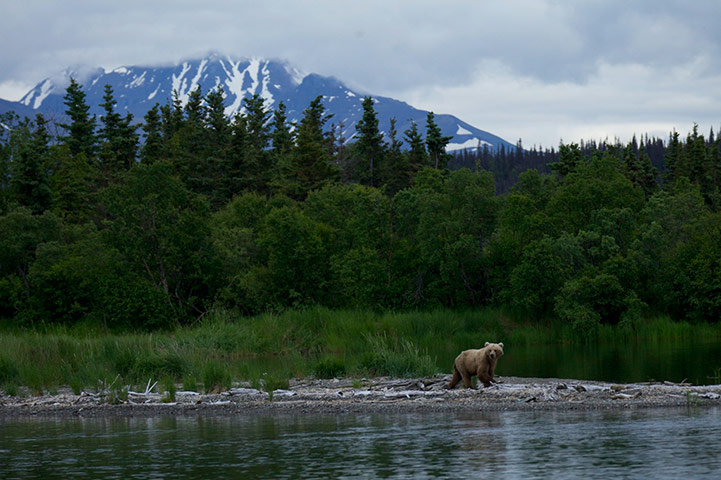
The Brooks river is part of the largest sockeye salmon run in the world and flows from Lake Brooks to Naknek Lake, a distance of roughly a mile Photograph: explore.orgApproximately 2,200 bears live in Katmai. During July there may be 80-100 bears at Brooks CampPhotograph: explore.orgThe bears eat up to 40 salmon a day Photograph: explore.org
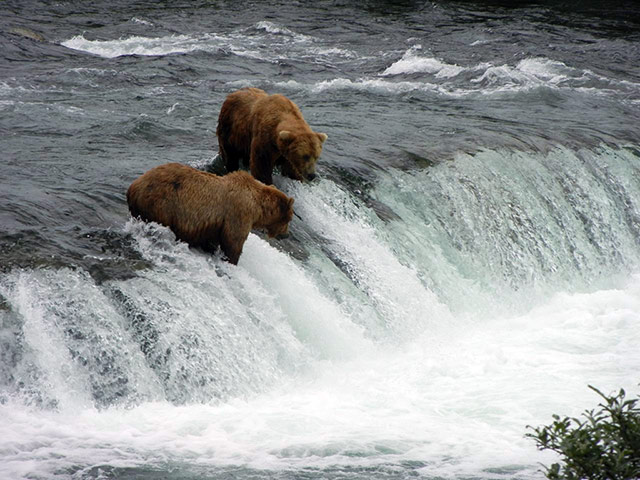
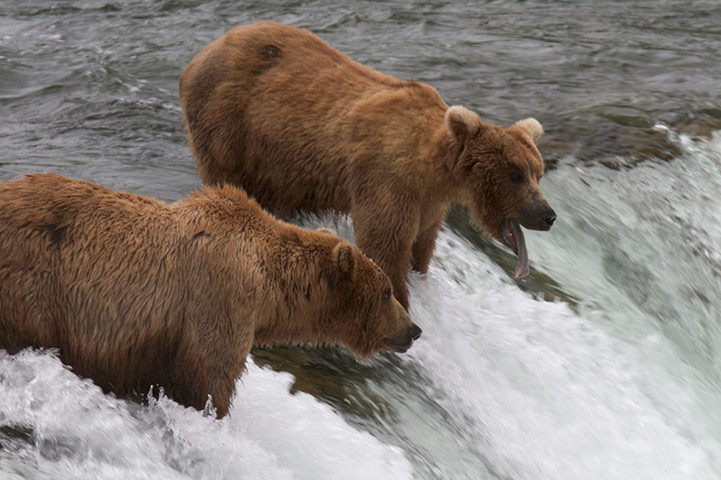
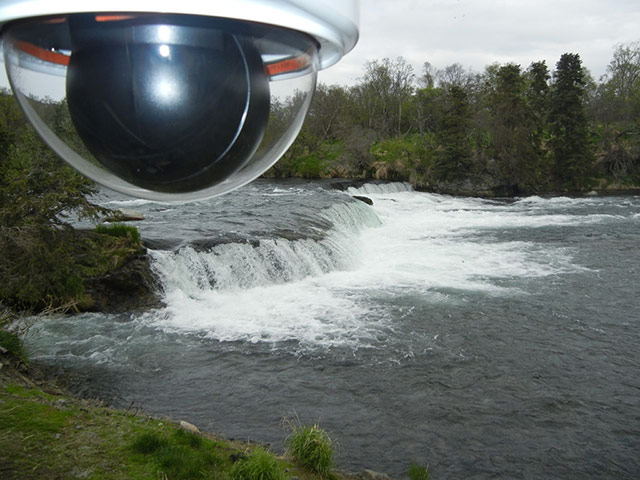
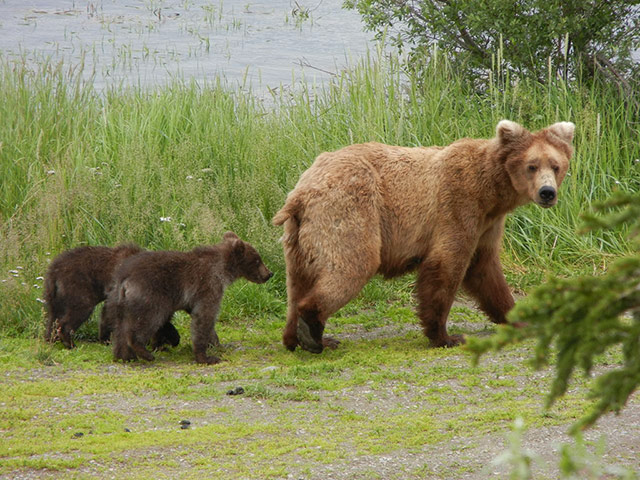
Salmon runs come in waves that are influenced heavily by commercial fishing and government sanctioned 'escapement' policies put in place to ensure a thriving ecosystem Photograph: explore.orgEarly in the season, bears eat the entire fish. Then after a few days they will high grade, eating only the most fat-rich parts: brain, skin, belly full of eggs, and the base of the tail. The lean, discarded remains are not wasted and are eagerly consumed by smaller bears, bald eagles, and even wolvesPhotograph: explore.orgAlaska brown bears are the larger coastal form of the grizzly, which can be found inland Photograph: explore.orgOn days when lots of fish are jumping, there will be fewer bears because they are full and sleeping, and conversely, when the salmon runs are slow, the falls become crowded with bears competing for a mealPhotograph: explore.orgThe camera network was set up by explore.org, a project of the Annenberg family foundations. It is powered by a combination of solar panels, wind energy and battery packsPhotograph: explore.orgThe prime bear-watching months are July and September to OctoberPhotograph: explore.orgSow and cubs. Bears are active 24 hours a day, though more so during the daylight hours Photograph: explore.org
Sign up to read this article
Read news from 100’s of titles, curated specifically for you.