Catlin Arctic trek to reveal true extent of melting ice caps
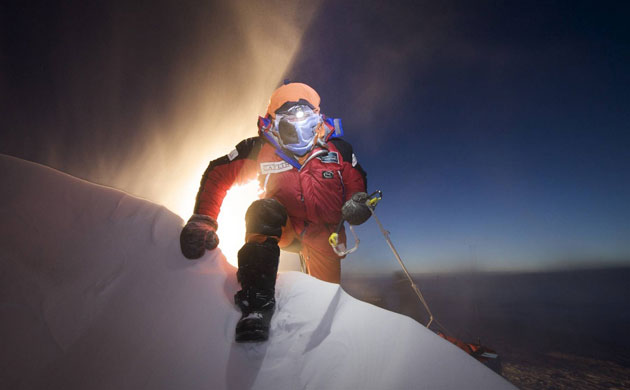
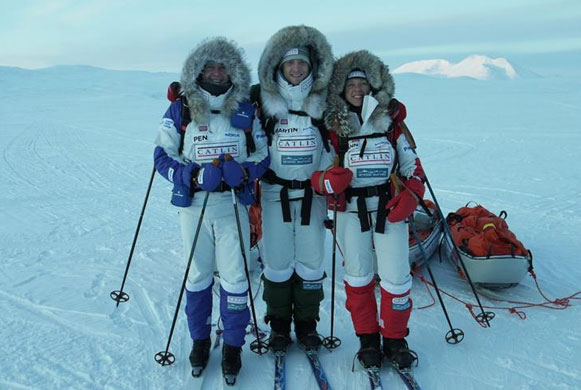
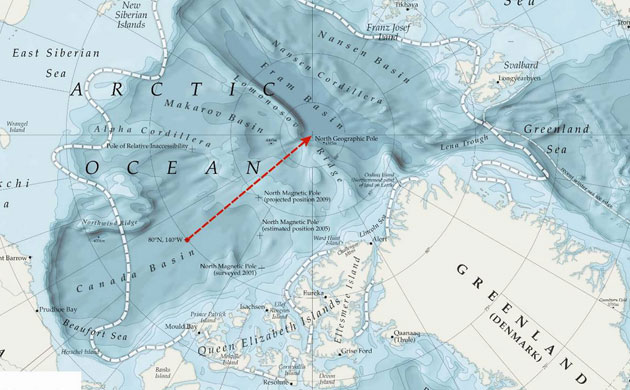
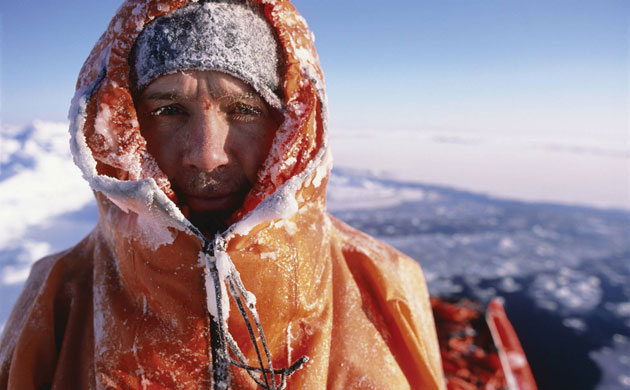
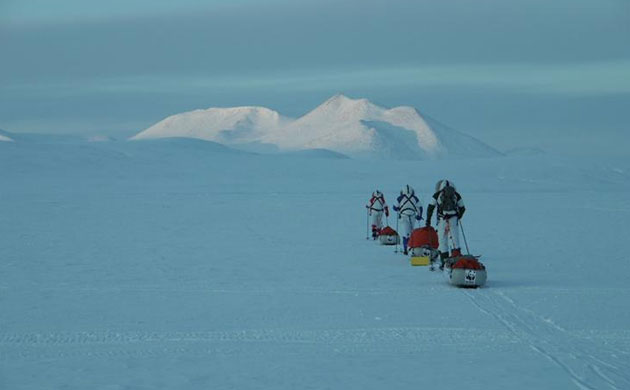
The Catlin Arctic Survey will be led by Pen Hadow, the polar explorer famous for trekking alone and unaided by resupply planes, from Canada to the North PolePhotograph: Martin Hartley/Catlin Arctic SurveyHadow (left) will be accompanied by fellow polar explorers Martin Hartley, an award-winning photographer, and Ann Daniels (right), who helped lead the first British women's team to the South Pole in 2000Photograph: Catlin Artic SurveyThe trio will start from the edge of the permanent sea ice and walk along the line of 140 degrees longitude to the top of the world. If they make their goal they will travel more than 1,000km, a journey of three months Photograph: Catlin Arctic Survey
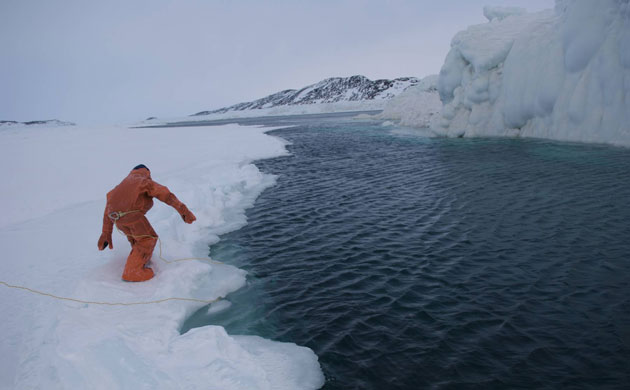
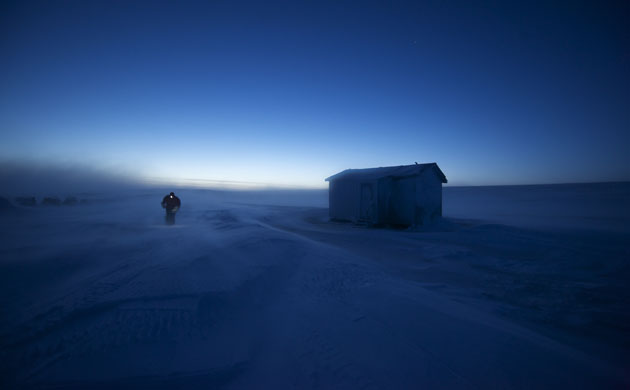
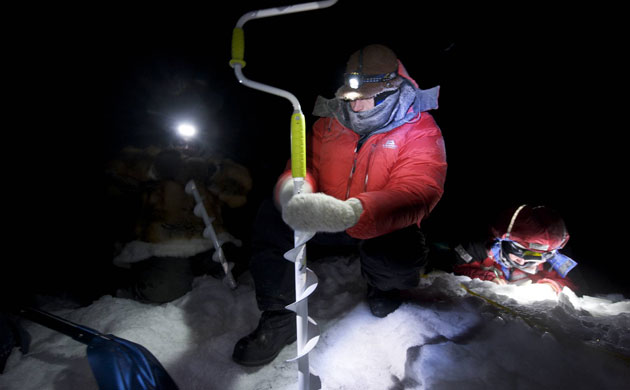
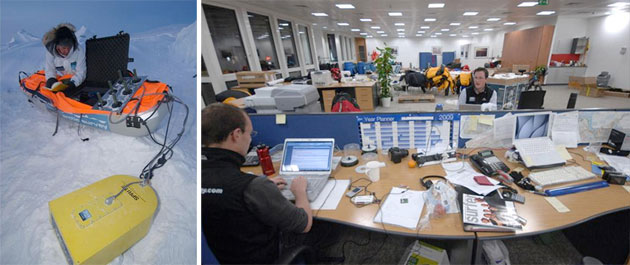
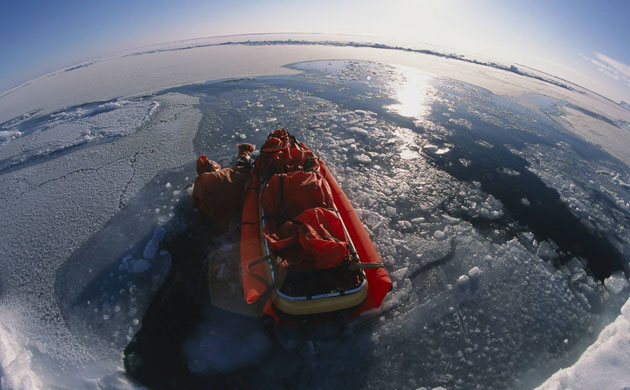
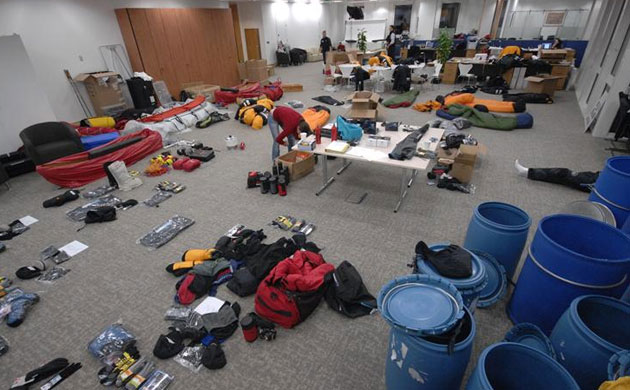
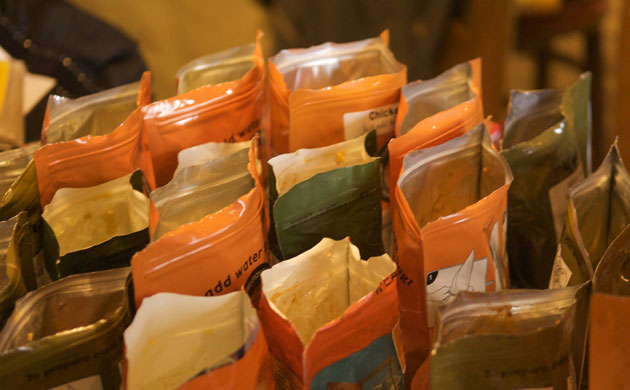
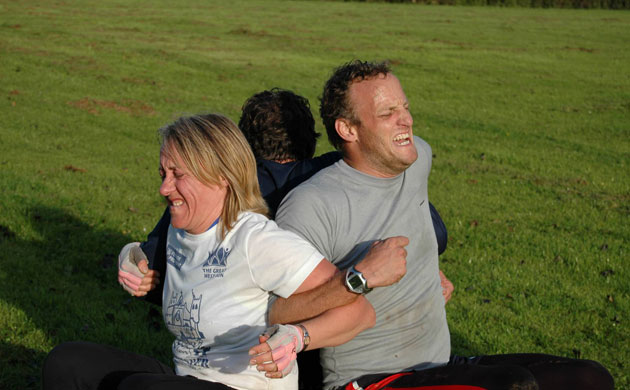
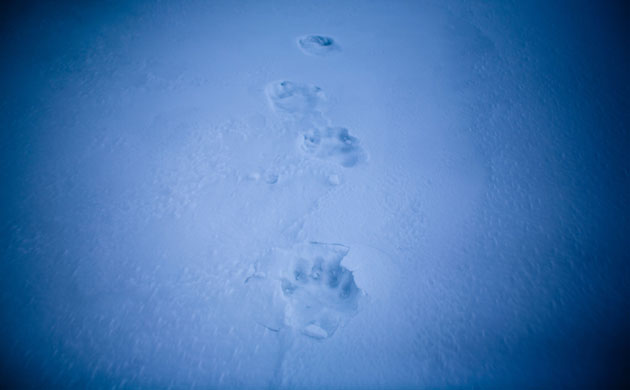
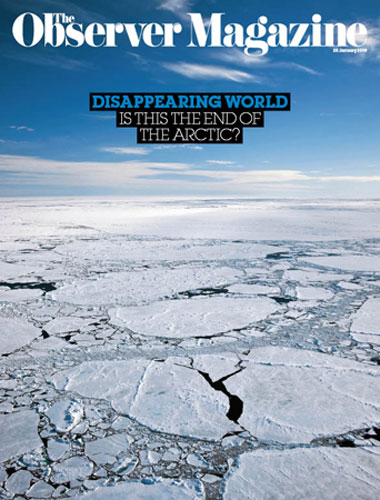
The survey was prompted by growing alarm over disappearing sea ice. As the ice melts it exposes more dark water, which absorbs more sunlight, perpetuating a cycle of melting and warmingPhotograph: Martin Hartley/Catlin Arctic SurveyOn average the year-round ice is receding by an area the size of Scotland annually, and in 2007 the north-west shipping passage from Europe to Asia opened for the first time since satellite records began three decades agoPhotograph: CorbisWhat satellites don't show is the depth of snow and ice in the pans and giant ridges and underwater keels which erupt under pressure from wind and ocean currents. Unsure what volume of frozen water is left, experts cannot reliably forecast how long before it meltsPhotograph: Martin Hartley/Catlin Arctic SurveyHadow will pull a sled fitted with a specially-designed radar, which will take readings of the depths of snow, ice and sea every 10cm. In total he hopes to make 10m-12m measurements this wayPhotograph: Martin Hartley/Catlin Arctic SurveyThe team will also stop one to three times a day to drill holes in the ice. From this they will take more detailed measurements of cores and the ocean belowPhotograph: Martin Hartley/Catlin Arctic SurveyInsurance company Catlin and other sponsors have donated nearly £3m – many times the budget of a normal expedition. Costs include trips to northern Canada to test the equipment in the harsh conditions they will have to survivePhotograph: Catlin Artic SurveyOn the ice, the explorers will experience temperatures as low as -50 degrees Celsius, particularly in the early weeks. With wind-chill this can feel like -90CPhotograph: Martin Hartley/Catlin Arctic SurveyAs well as walking, the trekkers will swim across “leads” between the ice pans, dragging their floatable sleds to avoid losing time walking around open waterPhotograph: Martin Hartley/Catlin Arctic SurveyEach sled will weigh up to 100kg. If more money cannot be raised, resupplies might have to be cut from seven to five flights because of rising fuel costs and the falling value of the poundPhotograph: Catlin Artic SurveyBy day the team will graze from “nosebags” of chocolate, nuts, biscuits and salami. At night they will heat snow to cook freeze-dried meals like Irish stew and chicken korma. To save weight though they will use more calories than they eat, and will lose kilos of muscle and fatPhotograph: Martin Hartley/Catlin Arctic SurveyThe Arctic is a desolate and beautiful place to live, one moment echoing with the crunching roar of grinding ice, another refracting low sunlight into a rainbow of colours. "It messes with your mind," says HadowPhotograph: Catlin Artic SurveyAll three explorers have had tough workout regimes to build up stamina and strength, including sessions on Dartmoor doing circuits and pulling strings of tyres to simulate sledgingPhotograph: Martin Hartley/Catlin Arctic SurveyTo see how their bodies respond to the conditions, they will each wear monitoring equipment from Equivital, constantly measuring their heart rate, breathing capacity and body temperaturePhotograph: Catlin Artic SurveyAs well as cold and exhaustion, polar explorers face more immediate threats – including polar bear attacks. The animals are rarely-seen but highly dangerousPhotograph: Jeff Hutchens/Getty ImagesAs part of the publicity Hadow (and later Hartley) climbed into an icy pool to highlight another deadly risk – falling through the ice. To prepare for such a shock, the team will take cold showers in the days before they leavePhotograph: Sophia EvansIt is hoped results will be ready by December, when world leaders meet to discuss a new treaty to cut global warming emissions. “Once they have a figure for how long the Arctic sea ice will be there for, they will have to act,” says HartleyPhotograph: Martin Hartley/Catlin Arctic Survey“Disappearing world: Is this the end of the Arctic?” A special report by Juliette Jowit. This Sunday, in The Observer MagazinePhotograph: The Observer Magazine
Sign up to read this article
Read news from 100’s of titles, curated specifically for you.