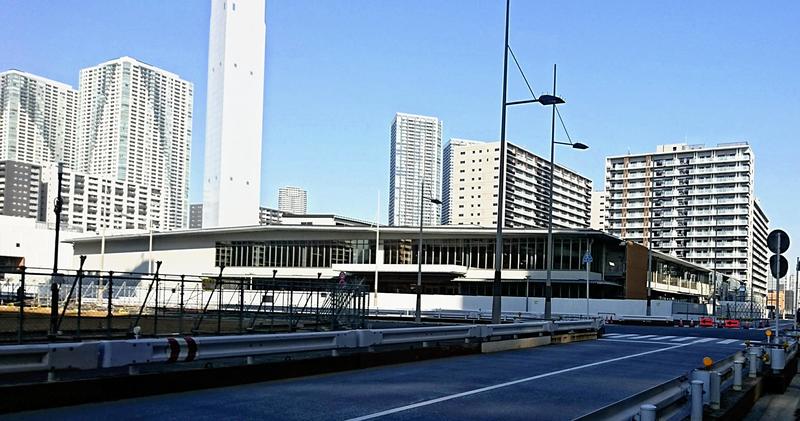
With the postponement of the Tokyo Olympic and Paralympic Games as a result of the novel coronavirus pandemic, the Olympic Village, local governments and communities are groping for ways to accept athletes while remaining vigilant to avoid an increase of infections.
This series will detail just how these entities are proceeding with preparations and the implementation of their ideas.
At a government meeting held in October to discuss the novel coronavirus, a number of measures to be taken in the Olympic and Paralympic Village were proposed.
Meals served at the main dining hall, one of the two eating establishments in the athlete accommodation center, are to meet the nutritional, religious and dietary needs of the athletes. Measures to reduce congestion while at the same time providing a system that allows athletes to select their meals are to be implemented.
For example, meals are to be divided into small portions prior to being served and, if necessary, the number of available seats will be reduced to help ease congestion. Plans to make diners aware of the restaurant's current capacity and breaking up the times in which the hall can be used will also be considered.
Kiyomi Mikuni, a chef of French cuisine and advisor to the organizing committee for the Olympics and Paralympics, said: "Athletes at home and abroad are sure to be much more wary when it comes to their security and safety during these Games than ever before. Providing food in a way that will alleviate some of that wariness is our main premise."
According to current plans, in addition to the main dining hall, there will also be a casual dining restaurant, both of which will be operated by AIM Services Co., a meal service company based in Tokyo.
The main dining hall has plans to serve a maximum of 45,000 meals a day with about 700 items on its menu. The cuisines will be separated into the categories; "Asia," "Japan," "World" (foods across the world), "Halal" (foods certified to be in line with Islamic law), and "Pizza and Pasta."
The casual dining hall, on the other hand, will serve a maximum of 3,000 meals a day, and will focus on Japanese foods and dishes made with domestically produced ingredients, particularly those from Tokyo and the three prefectures severely hit by the Great East Japan Earthquake of 2011. Menu items will include udon, takoyaki octopus balls and onigiri rice balls.
However, whether all of these proposals will be carried out as planned remains unknown.
The organizing committee has explained that preparations with AIM Services for next year's Games, on such matters as how meals will be served amid the pandemic and how the Olympic Village's restaurants will be operated, are still ongoing.
The menu advisory group of the organizing committee held discussions from April to July last year regarding the food to be served in the Village, the results of which are being used to decide the contents of the menu, according to an official.
As food plays an important role in the Games, the organizing committee has drawn up a basic catering strategy. This strategy aims to "serve items that help athletes give their best performance during the Games" through such efforts as improving its large-scale catering capabilities, implementing advanced food safety measures, taking sustainability and the reduction of food waste into account, and promoting the Japanese culture of "motenashi" -- a culture of striving to serve guests in a kind and refined manner.
"On top of dealing with the novel coronavirus, other issues such as food poisoning prevention and the procurement of food during the summer Games must be dealt with as well," Mikuni said. "In order to truly please the athletes through our catering, a strong system must be in place."
While the current status of infections and an overall image for the Games is being determined, exploration into the best possible way to provide meals during the event is set to continue.
Read more from The Japan News at https://japannews.yomiuri.co.jp/