Isn’t knowledge a wonderful thing? And isn’t it great how many people are willing to share it? Open almost any page of the Radio Times (it’s a sort of magazine, children – you can get it in newsagents and heritage museum shops) and there will be someone offering you the fruits of a lifetime’s knowledge in easily digestible but still nutritious form. There’s Dr Lucy Worsley breaking down yer social history era by era, Professor Jim Al-Khalili prying open The Secrets of Quantum Physics on Tuesdays, Dan Jones cutting and thrusting his way through Britain’s Bloodiest Dynasty and now there’s Dr Sam Willis taking us round the nation’s ancient citadels in Castles: Britain’s Fortified History (BBC4).
Last night’s opening episode was a touch repetitive – if you haven’t understood the good doctor’s point about castles being both actual and symbolic seats of monarchical, military and (in time) baronial power by the seventh telling, you’re probably not going to get it on the eighth, ninth or 10th either. Just get on and tell us more about the amazing feats of construction that – were it not for the depredations of vandals, up to and including kings keen to raze their predecessors’ work and use the rubble to help swell bigger erections of their own – could still be standing whole a thousand years on.
William the First came, saw, conquered and quickly castled his new land. The Anglo-Saxons’ mottes and baileys were succeeded by elaborate structures that offered security, succour and strategic dominance. The only drawback was that the barons who gained power under his rule saw what a good idea they were and as soon as various crises started loosening the crown’s grip on the country, they started building their own. Soon, if you weren’t crenellated, you weren’t anybody. During the Anarchy, soon-to-be-king Stephen laid siege to would-be-queen Matilda at Carisbrooke and Wallingford castles. After her son Henry II had done his public penance for the death of Thomas Becket (yes, like wot we learned about in last week’s Britain’s Bloodiest Dynasty! Isn’t it great when the jigsaw starts to come together?), he rebuilt his pride by rebuilding Dover castle, complete with a towering great donjon. It is my great hope that a language expert will be passing by soon to explain how donjons go underground and develop into dungeons. The more pieces of this jigsaw you fit together, the more seem to appear.
As time passed, the military significance of castles lessened and their mythology grew, until Tintagel was born. The unpicking of that little patch of history deserves a series of its own (it may have had one already – I’m sorry, it’s so hard to keep up) but by the time we left Willis at Kenilworth where Henry III had just won a pyrrhic victory after a 172-day long siege, he had built a solid edifice out of sturdy facts buttressed by aerial views of the extraordinary achievements of our extraordinary ancestors and prepared the foundations for next week’s look at Edward I and some very, very unhappy Celts.
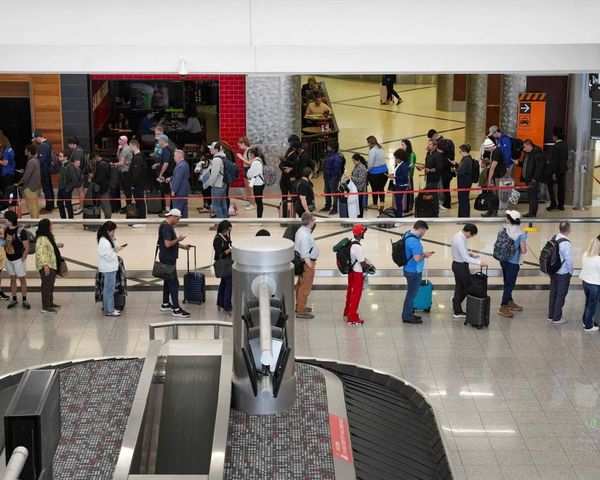
Better a hammered Scot, though, than an employee, passenger, CEO or engineer affiliated with First Great Western. In the first episode of the new series of The Railway (Channel 5), the network is being literally torn apart by the storms and floods that inundated the west country earlier this year. London-Penzance track and signal boxes disappear under water. Hopes of returning customers to their homes slip further away with every landslide. Equipment brought in to help goes kaput. A tube strike aggravates everything. And then Theresa May turns up. You hold your breath, hoping that commuters will take some of their frustrations out on her and give the poor guys on the frontline a break, but no. When did shit ever roll uphill?
The whole thing is terribly British. As the west goes to hell in a handcart, as disaster piles on top of disaster, as the phones ring with news of ever greater catastrophes, control room manager Dave Slater says pensively, “It’s all a bit messy.” On a platform in west London area manager Dean Haynes receives news that, basically, none of the hundreds of people waiting before him are going to get home, not now, not ever, not until God decides to switch off the tap in the sky AND agree to union demands. “Yep,” he says, “Received.” Another employee sums up the problems. “We’re seeing water in places we’ve never seen water before,” he says calmly, while the viewer at home watching the ongoing battle between man, the elements and railway infrastructure goes quietly mad on the sofa. One man in the control room starts laughing. Hysterically, but quietly. Dave pats him on the shoulder and returns to his desk and his brew. “But at least there’s tea.”
Brave knights all. Get thee to Tintagel. There’s a place at the round table waiting for you as soon as the weather clears.