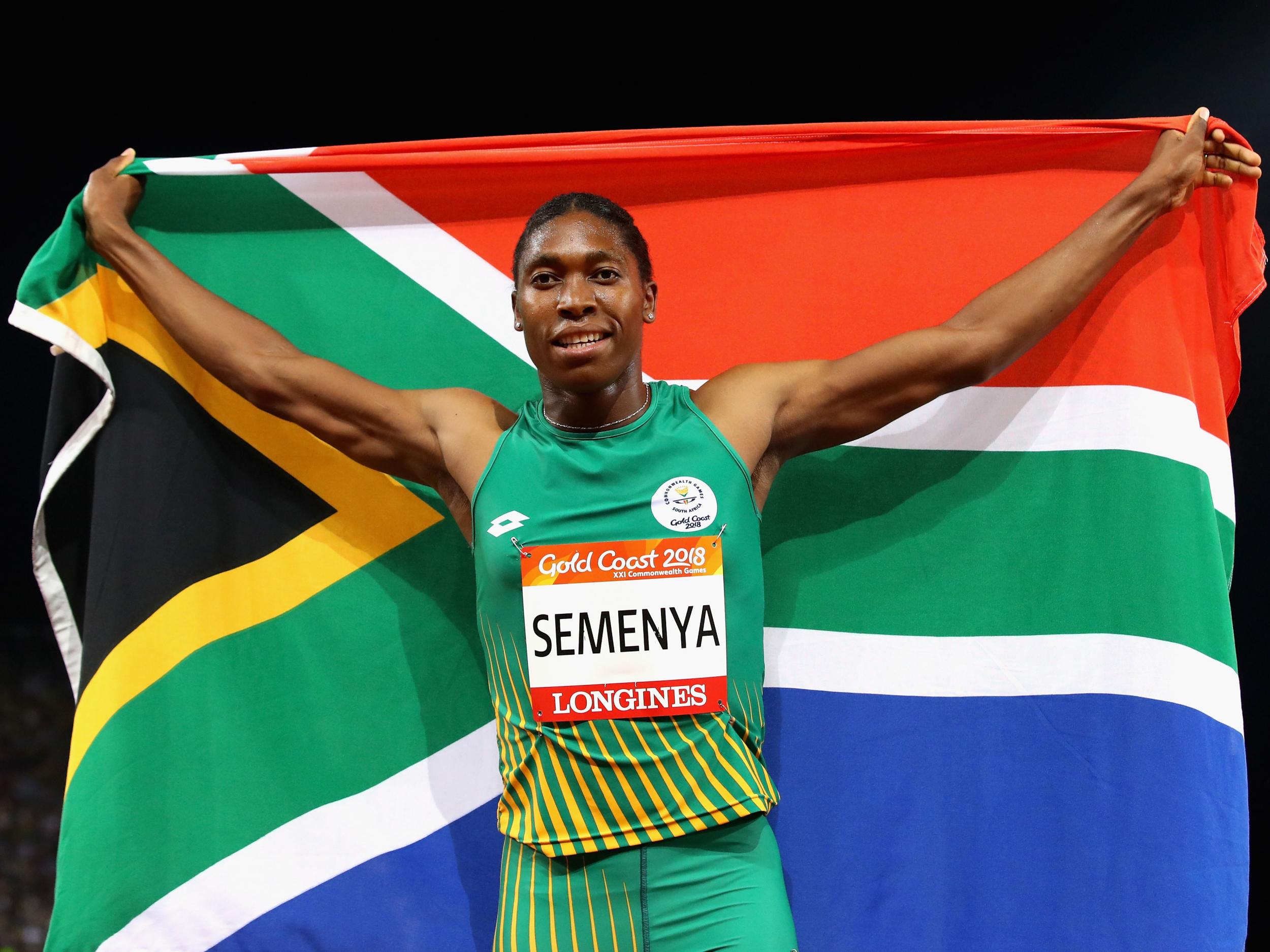
The IAAF has rejected a report that it wants women's Olympic 800m champion Caster Semenya to be classified as a biological male.
The Court of Arbitration for Sport is due to hear Semenya's landmark case next week, but the IAAF denied it was seeking to have any athlete with differences in sexual development (DSDs) classified as male, saying it "accepted their legal sex without question".
However, the governing body added that it wants athletes such as Semenya, who was born with testes, to reduce their testosterone levels before they compete internationally.
In a statement, the IAAF said: "The IAAF is not classifying any DSD (Differences of Sexual Development) athlete as male. To the contrary, we accept their legal sex without question and permit them to compete in the female category.
"However if a DSD athlete has testes and male levels of testosterone, they get the same increases in bone and muscle size and strength and increases in haemoglobin that a male gets when they go through puberty, which is what gives men such a performance advantage over women.
"Therefore, to preserve fair competition in the female category, it is necessary to require DSD athletes to reduce their testosterone down to female levels before they compete at international level."
The IAAF has delayed the introduction of a testosterone limit for female athletes until after Semenya's appeal against the rule is heard.
The new limit, which only applies to races from 400 metres to one mile, was meant to come into force on November 1 and would require athletes to maintain their testosterone levels to below five nanomoles per litre (nmol/L) for at least six months before competing.
For affected athletes, this would mean taking hormone suppression tablets, similar to oral contraceptives.
With the vast majority of women having less than 1.79 nmol/L in their bloodstreams, the limit is intended to address the competitive advantage women with naturally high levels of the hormone are believed to possess
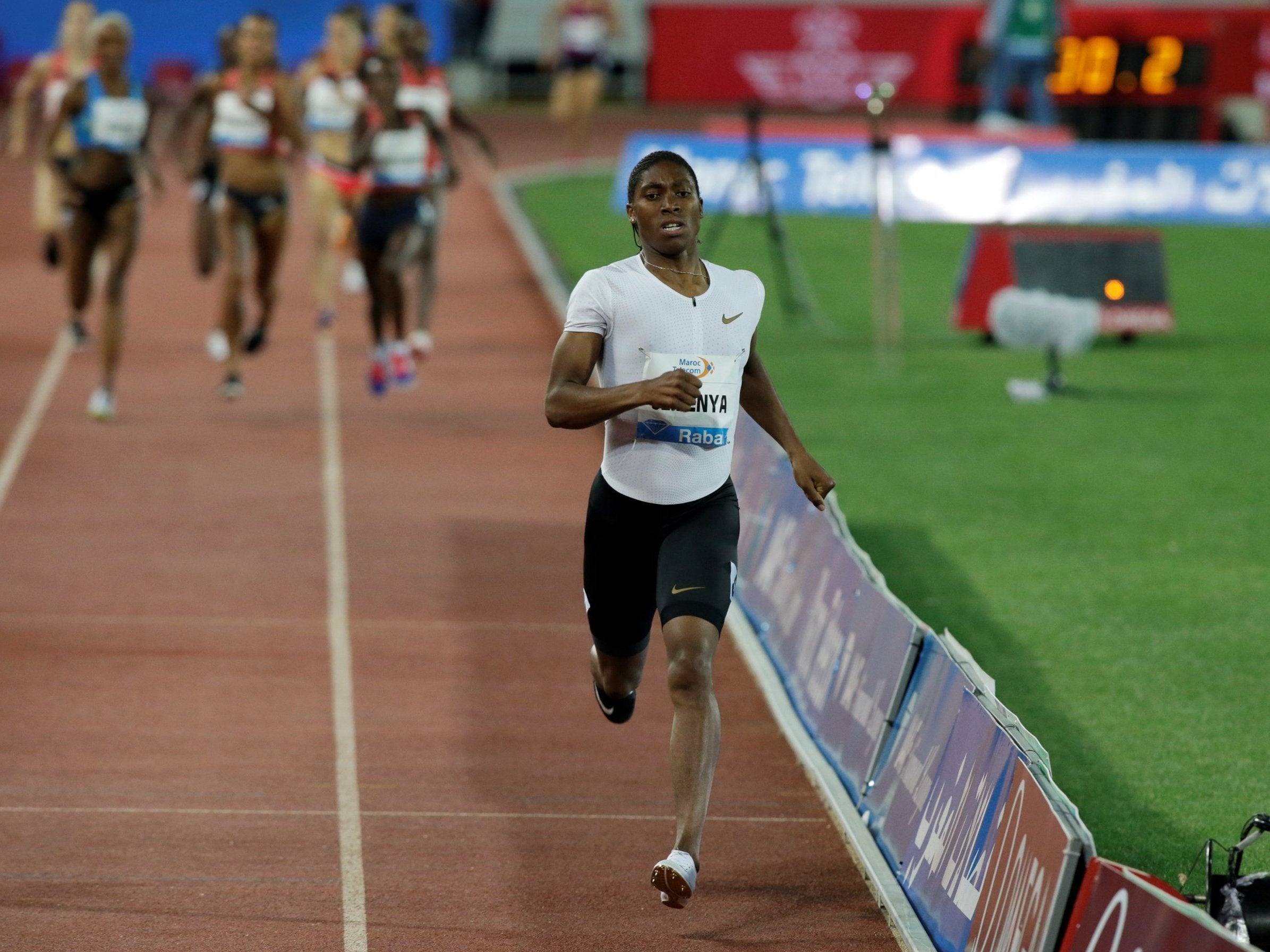
Having previously relied on relatively crude measures, ranging from nude parades decades ago to chromosome testing in the 1980s, the IAAF has settled on a testosterone limit ever since Semenya burst on to the scene at the 2009 World Championships in Berlin.
Her victory there - her first of three world and two Olympic 800 metres titles - was marred by a shameful public debate about the then 18-year-old's gender.
That episode resulted in IAAF's first attempt to set a limit for testosterone and its hyperandrogenism rule was in place until Indian sprinter Dutee Chand took it to CAS in 2015.
The Swiss-based court ruled there was a lack of evidence to support the rule and suspended it for two years, pending further research.
Having asked for six more months to complete that research, the IAAF came back to CAS earlier this year with what it claimed was statistical proof that high levels of testosterone do provide an advantage and it is particularly significant on the track between 400 metres and one mile.
This evidence, however, has not been universally accepted by sports scientists, while other critics of the policy have also questioned its fairness on a more fundamental level, saying it discriminates against naturally-gifted athletes who have done nothing wrong.