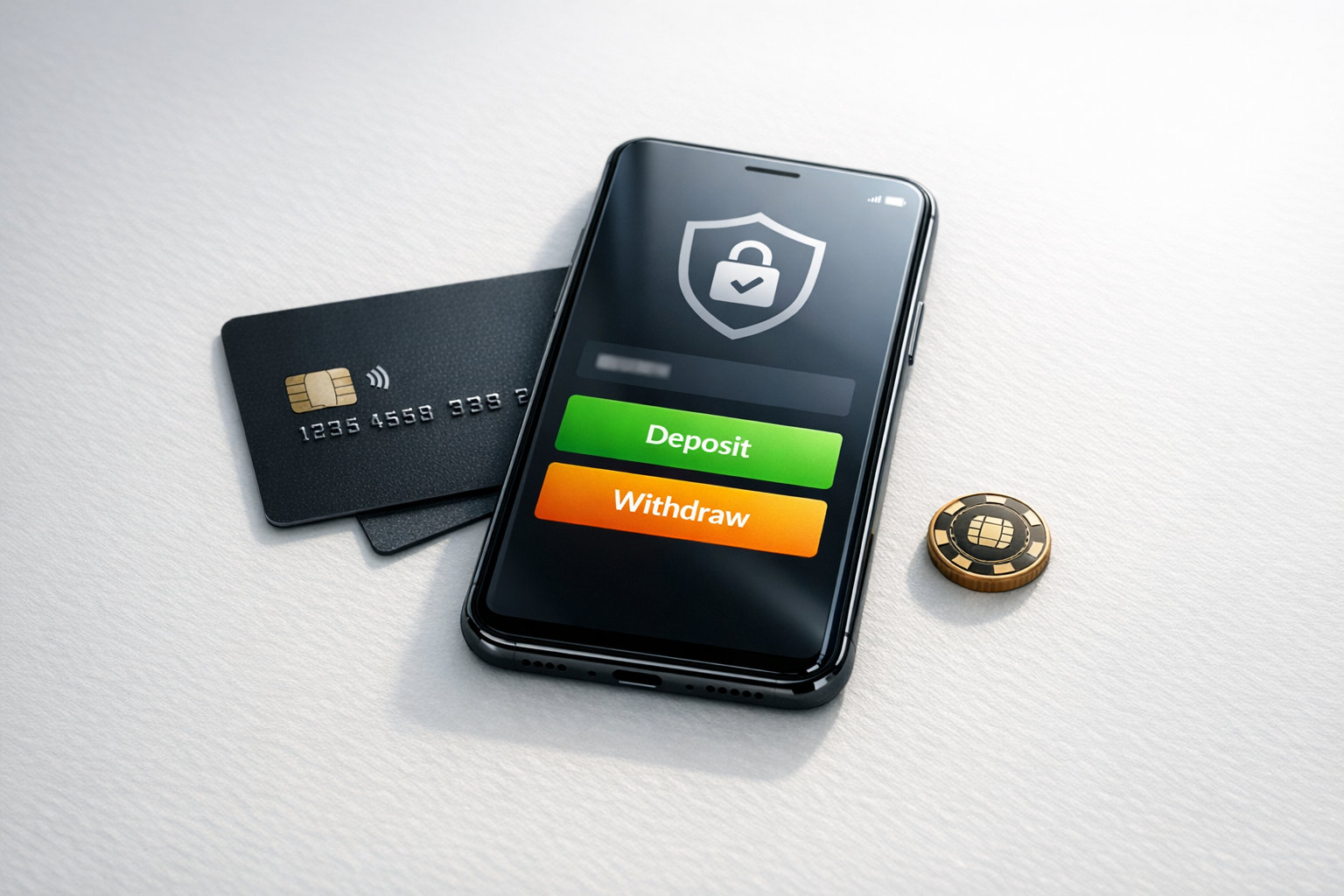
Digital wallets have changed how players transact on gambling platforms, providing faster and more convenient payment options. Shifts in user behavior and industry technology are influencing both the payment landscape and operator priorities. Understanding these changes is important for those engaging with online gambling today, especially as payment innovation continues to shape user experiences and expectations.
The increasing move towards seamless online transactions has placed a spotlight on payment processes in the gaming sector. Casino payments are experiencing significant change as operators focus on delivering improved user experiences in response to growing demand for instant access. Digital wallets, with their mobile-first design and integrated security features, are central to this evolution for users seeking both ease of use and increased confidence. As platforms adapt to new trends, the available methods to deposit, withdraw, and manage funds are directly influenced by these technological advances.
Changing habits are driving new transaction methods
Today’s gambling platforms have changed significantly from the early days when credit cards and traditional bank transfers were the norm. Digital wallets and instant payment apps are now more commonly offered as primary deposit and withdrawal options in place of older, slower systems. This development reflects the demand for quicker access and the preference many users have for managing funds through mobile devices.
Speed and convenience have become key factors in this shift. Users expect online services to deliver fast results, and slower payment processing can affect platform choice. Casino payments that clear promptly improve the user experience, while outdated methods may cause dissatisfaction and prompt users to consider other options.
Mobile-first habits are significant in current trends. With more players using smartphones or tablets to access gambling sites, integrated wallet solutions enhance accessibility. These methods allow deposits and withdrawals without switching devices or inputting lengthy card details, streamlining the process for smoother gameplay.
Operators are responding to these preferences by integrating payment options that offer real-time transactions with minimal friction. This alignment between user expectations and new technology supports the growth of digital wallet adoption in the casino sector. Existing providers understand that adapting quickly is necessary to remain competitive as the market evolves.
Understanding how digital wallets function in practice
Digital wallets make the transaction process easier by acting as a secure intermediary between a user’s funding source and the casino platform. When a player initiates a deposit, funds are authorised within the wallet app and then sent to the gaming site. This approach keeps card or bank details separated from the operator, reducing exposure of personal financial data.
A typical payment flow starts with user authentication, where the transaction is approved inside the wallet. Once confirmed, the wallet transfers funds to the casino, and players usually get immediate confirmation of the transaction status. This transparency enables users to track deposits and withdrawals, increasing confidence in the payment process.
Although many digital wallet deposits appear instant for users, settlement times in the background may vary based on the payment network involved. In practice, most players see rapid crediting of funds, but actual clearing times can differ depending on the integration between the wallet and banking systems. Platforms often prioritise creating an “instant” experience, even if backend processes take a bit longer.
Casino payments benefit from built-in fraud screening and compliance controls commonly found in digital wallet services. These features help platforms keep transactions secure without reducing user convenience.
Innovative features and technologies supporting wallet growth
The rise of digital wallets on gambling platforms is closely linked to ongoing developments in payment security and user experience. Tokenisation allows transactions to use unique, time-limited codes instead of actual card data, reducing the risk of interception and fraud. This provides reassurance that financial details remain protected, even during data transfers across different networks.
One-click deposit features offer another step forward in convenience. These systems store encrypted authentication and let users top up accounts with minimal input. Instant identity verification, often supported by automated checks and biometrics, helps speed up onboarding while meeting regulatory requirements for customer due diligence.
New payment choices include direct bank-linked instant transfer networks. Account-to-account payment models let users authorise transfers securely with their banking credentials, avoiding the need to re-enter details. By enabling direct clearing between a user’s bank and the gambling platform, these innovations offer a streamlined and fast transaction experience that bypasses manual steps.
Operators also gain from backend integration of transaction monitoring tools. These solutions analyse user behavior in real time, flagging unusual activity that could suggest fraud. Enhanced monitoring and oversight improve both risk management and overall user satisfaction by supporting a safer payment environment.
Evolving risk controls and regulatory expectations
The wider use of digital wallets has led to closer attention to security and fraud management on casino platforms. Key risks now include account takeover attempts using stolen information, device compromise through malware, and increasingly sophisticated social engineering. Users regularly encounter defensive layers meant to help safeguard funds and personal information.
Biometric identification is playing a growing role in preventing unauthorised access, especially with devices equipped with the necessary hardware. Behavioural monitoring flags unusual activity or device changes and may prompt extra verification steps to confirm a user’s identity. These additional steps generally occur only when anomalies are detected, minimising disruption for legitimate users while helping to block threats.
Regulations covering casino payments continue to develop, requiring strong identity checks and ongoing oversight of customer activity. Compliance teams must balance efficient onboarding with thorough user verification to meet legal standards on anti-money laundering and fraud prevention. Recent guidance has led to more frequent examination of sources of funds and transaction histories, increasing the complexity of payments management for operators.
As compliance requirements become stricter, approval rates and user experience may be affected. Excessive verification steps can deter users from completing transactions, while insufficient controls risk regulatory violations. Operators review their processes regularly, aiming to balance strict oversight with a smooth payment process for users.
Economic factors and responsible use in payments
The shift to digital wallets has impacted the fee structures and cost considerations for both casino operators and players. Instant deposit and withdrawal methods can lead to higher processing fees than traditional bank transfers, affecting the economic model for all parties. At the same time, digital payment tools improve reconciliation processes and reduce manual work, which helps offset some of the additional expenses.
Chargebacks and dispute resolution work differently with digital wallets. These systems usually provide real-time alerts and thorough transaction records, which assist in resolving issues quickly. However, the specifics of dispute processes can still vary between platforms, so it is important to review terms to avoid unexpected outcomes.
Acceptance rates for digital wallets are an important factor for both operators and users. Platforms that support a wide variety of payment methods can attract more users, while limited options can exclude potential customers. Fast payout times also contribute to player satisfaction, making reliable withdrawal speeds a key consideration when choosing a platform.
Responsible payment design now often includes features such as deposit controls, real-time transaction tracking, and automated budgeting tools. These elements increase transparency and help users monitor their spending and maintain appropriate limits on gambling activity.