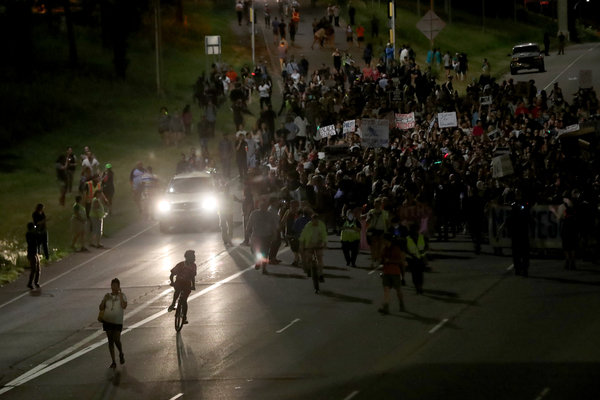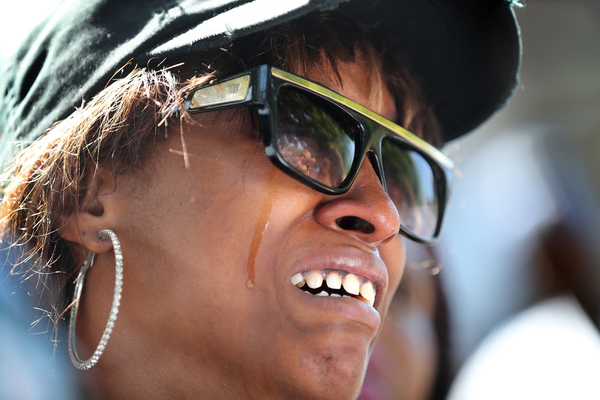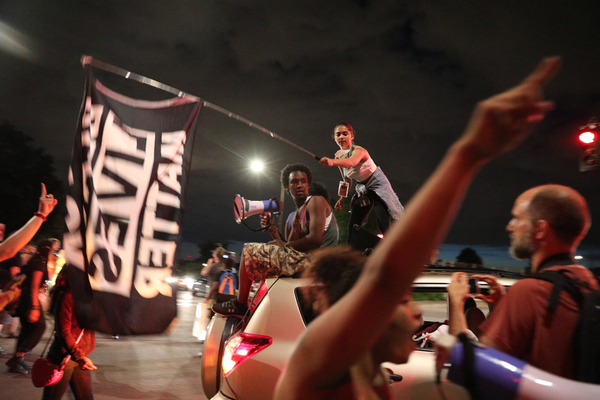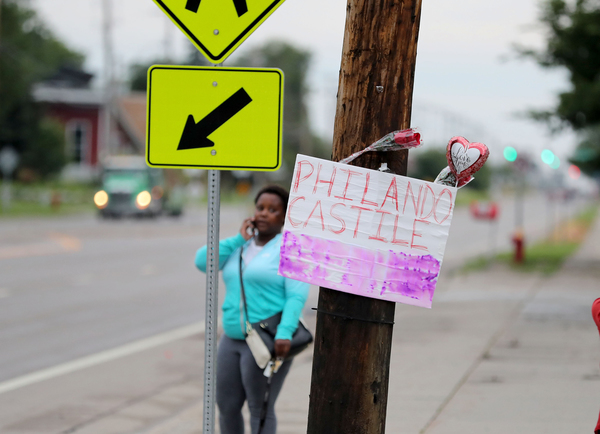
MINNEAPOLIS _ Jurors deliberating whether officer Jeronimo Yanez was justified in fatally shooting Philando Castile last year will have to decide if Yanez panicked and ignored his training when he fired seven times, or if Castile caused the deadly encounter by ignoring the officer's orders.
The Ramsey County jury of five women and seven men received the case about 1:10 p.m. CDT Monday after hearing closing arguments from the prosecution and defense, and began deliberations after taking a lunch break. Three alternates _ two men and a woman _ were dismissed. Two people of color remain on the jury.
In his hourlong closing argument, prosecutor Jeffrey Paulsen painted Yanez as an unreliable witness, arguing that the St. Anthony officer acted prematurely and that Castile "never reached for his gun, let alone put his hand on it."
"He got nervous and he put his safety above the safety of everyone else," Paulsen said of the seven rounds Yanez fired at Castile.
Castile was struck by five rounds; two tore through his heart.
Defense attorney Earl Gray told jurors that the state "failed miserably" in presenting its case. He continued to emphasize the defense's main contention: that Castile failed to follow orders because he was too stoned from smoking marijuana and grabbed a gun in his right pocket, forcing Yanez to shoot.
Prosecutor Jeff Paulsen delivers closing arguments to the jury in the trial of officer Jeronimo Yanez for the fatal shooting of Philando Castile.
"None of this would have happened but for Philando Castile. ... (Yanez) sees the gun and (Castile) doesn't follow orders. That's enough to pull your gun out and end the threat," Gray said.
"(Yanez) had to make a split-second judgment."
The jury heard from more than two dozen witnesses over five days of testimony last week, including an emotional Yanez, who cried on the stand Friday while saying that Castile ignored his orders and grabbed a gun at his right thigh.
Prosecutors argued that Yanez, who is Mexican-American, racially profiled Castile, who was black, when he stopped him on July 6 for a nonworking brake light in order to verify whether he was a suspect in the armed robbery of a nearby convenience store four days earlier. Evidence presented at trial showed that Yanez radioed his partner, Joseph Kauser, and said Castile matched one of the suspects because of his "wide-set" nose.
Defense attorneys argued that Castile was the "causation factor" in the shooting because he volunteered that he possessed a gun before disclosing that he had a permit to carry it, grabbed his gun instead of keeping his hands visible, and was high on marijuana at the time, rendering him incapable of following Yanez's order of "Don't reach for it."
"Castile was responsive and listening to Yanez," Paulsen told jurors Monday. "The problem was Yanez wasn't listening to him."
Paulsen showed the jury a picture of Castile's right index finger _ his trigger finger _ which was grazed with a bullet wound. There was no hole in Castile's pocket, and no damage to his gun.
"Castile's trigger finger could not have been on the gun when he was shot," Paulsen said.
He also noted that both Castile and his girlfriend, Diamond Reynolds, who was in the car at the time, both told Yanez that he was not reaching for a gun before the officer fired the shots.
"He was about to say, 'I was reaching for my wallet,'" Paulsen said.
Paulsen said Yanez never told any officer on the scene that he saw Castile touch his gun and that he didn't know where the gun was.
"What does that tell you?" Paulsen asked the jury. "He never saw a gun."
Paulsen tried to discredit the defense's arguments that Castile was negligent in his own death based on the testimony of a defense toxicologist who claimed Castile smoked marijuana about two hours before the shooting. Paulsen called a defense expert's reasoning "junk science" and noted that even if Castile didn't have a permit to carry, "It's not a capital offense. And it doesn't give an officer the right to shoot and kill you."
Had Yanez told Castile to show him the gun and show his hands, "Everybody would have gone home safe that night."
Gray refuted Paulsen's claims, telling jurors that aside from race and his nose, Yanez pulled Castile over because his hair matched the robbery suspect's hair, and because of Castile's glasses. Castile _ not Yanez _ was the "substantial factor" in the fatal shooting, Gray argued.
"Guns and drugs don't mix," he said. "This is a classic example."
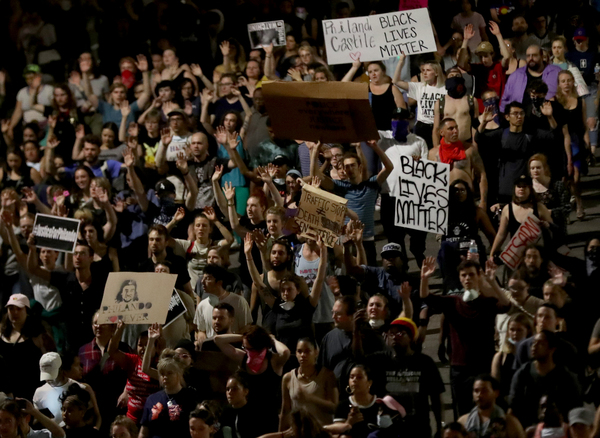
Gray also questioned the credibility of the prosecution's star witness, Reynolds, who livestreamed the shooting's aftermath on Facebook, prompting outrage and protest.
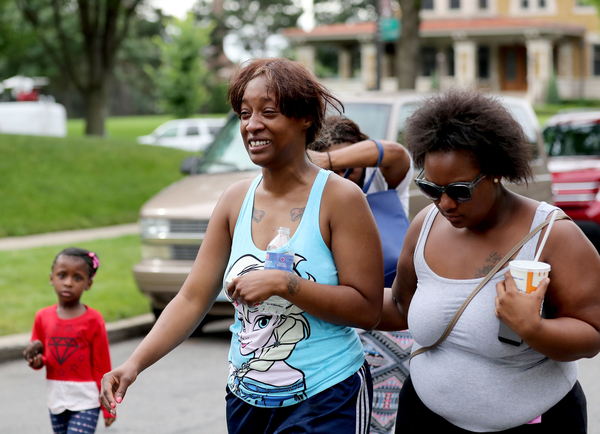
"Diamond Reynolds, truth teller," Gray said sarcastically as Reynolds watched in the courtroom gallery.
Gray told jurors that Reynolds' and Castile's marijuana use mattered, because it affected their actions and sense of responsibility. He recounted how Reynolds had smoked marijuana with her sister at home before the shooting, and was about 15 minutes late to pick up her daughter.
"You don't trust the words...," Gray said of Castile's and Reynolds' assertions that Castile wasn't reaching for his gun. "You trust the action."
Prosecutors had argued that Yanez never saw a gun because he used the pronoun "it" several times in a conversation with his supervisor the night of the shooting and during an hourlong interview with Minnesota Bureau of Criminal Apprehension (BCA) investigators the next day. However, prosecutors never played the BCA interview for jurors during its three-day case.
Yanez testified that he used "it" instead of "gun" or "firearm" because he was stressed.
Gray urged jurors not to get caught up in semantics, telling them that "it" clearly referred to a gun.
"It's not that hard of the case," Gray said. "Don't take words out of context. Look at the conduct."
Furthermore, Gray argued, the defense never claimed that Castile wanted to shoot Yanez, simply that Castile posed a threat by ignoring the officer's orders and grabbing a gun, creating a threat that forced Yanez to react.
"My gosh, if a police officer relied on words and not action, there'd be many more dead on the streets," Gray said.
Reynolds walked swiftly through the courthouse lobby without comment after the jury was dismissed for lunch Monday.
Gray had little to say, reiterating they had put in a strong case and presented all the evidence they needed. He wouldn't predict how long it would take the jury to come up with a verdict.
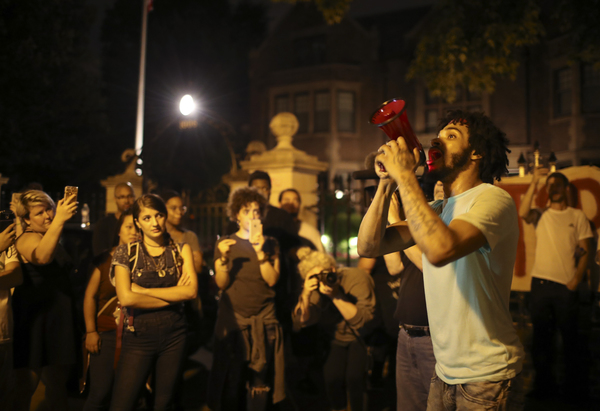
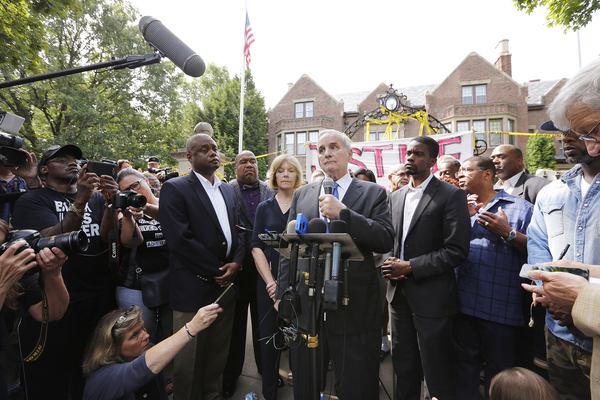
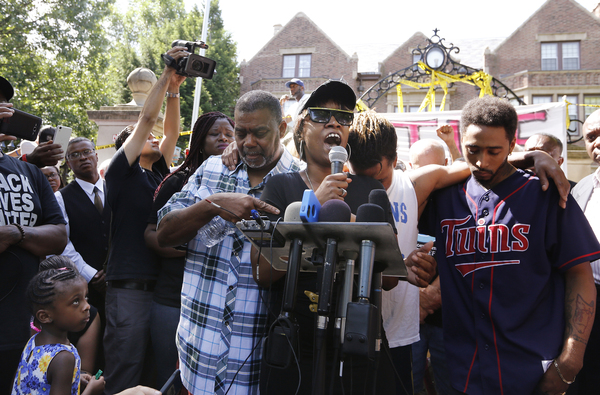
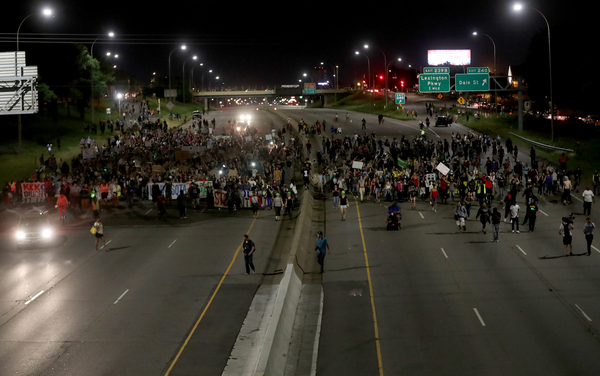
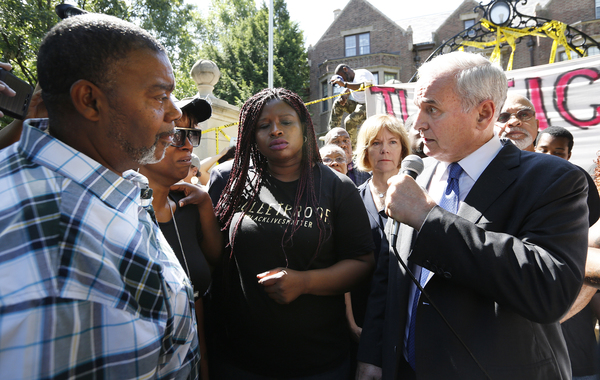
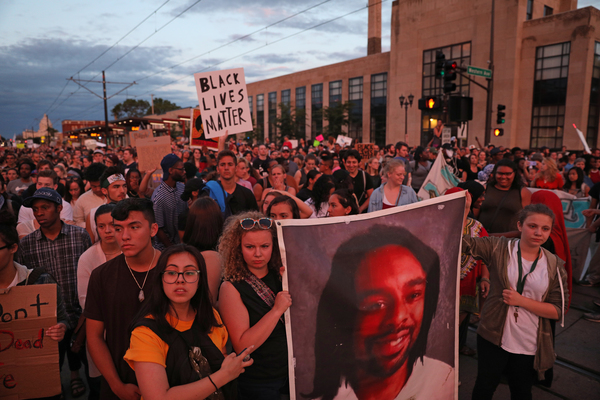
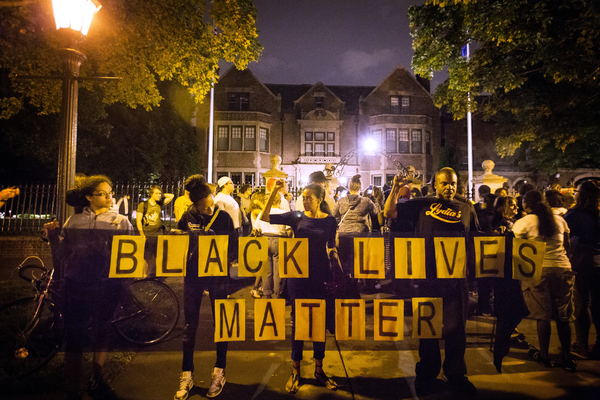
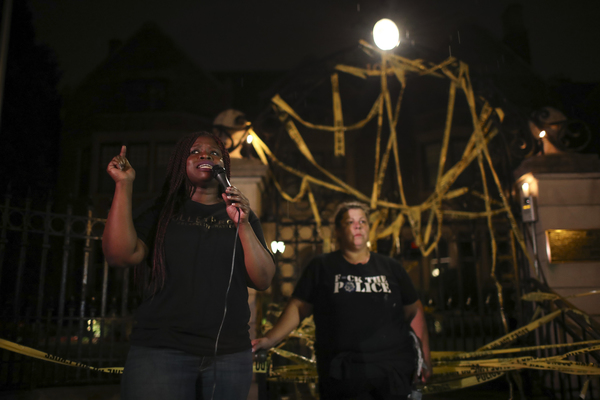
Several community activists spoke afterward, including Mel Reeves and the Rev. Danny Givens. Reeves said the prosecution presented a strong case regarding a police stop he believes should have never happened.
"And now they are blaming a dead man for his own death," Reeves said. "The whole thing doesn't feel good. The way officers police needs to change."
Givens said it was hard to believe that Yanez could be convicted, adding that he wouldn't blame jurors for an acquittal.
"Philando was in compliance with the officer," Givens said. "He went beyond the law when he told the officer he had a ... a gun. "
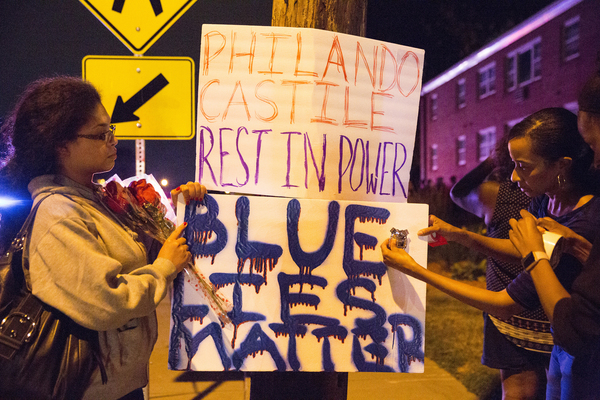
Givens praised the prosecution for their sensitivity when dealing with the Castile family. When a verdict comes in, he said, "We will wrap our arms around the family and then go into the community."
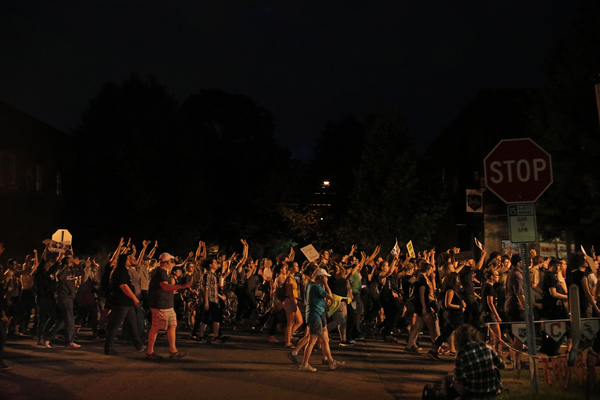
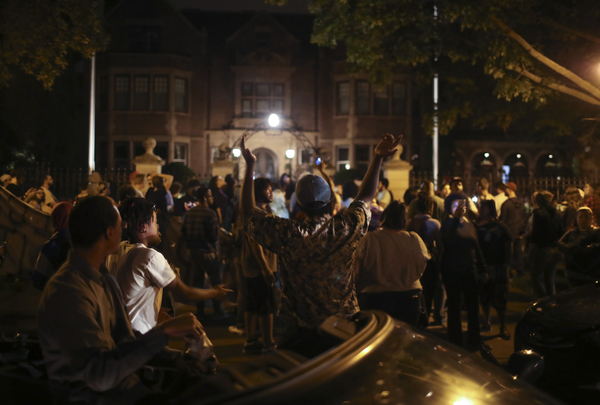
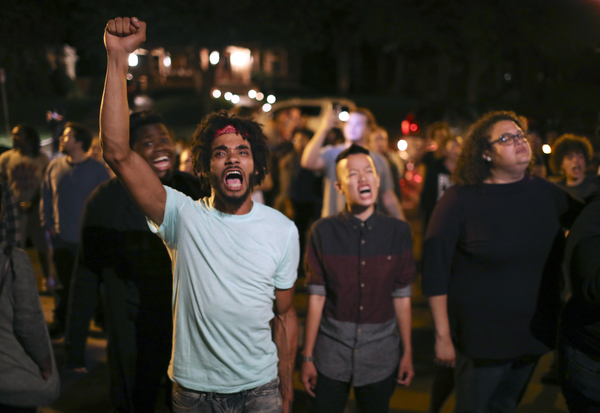
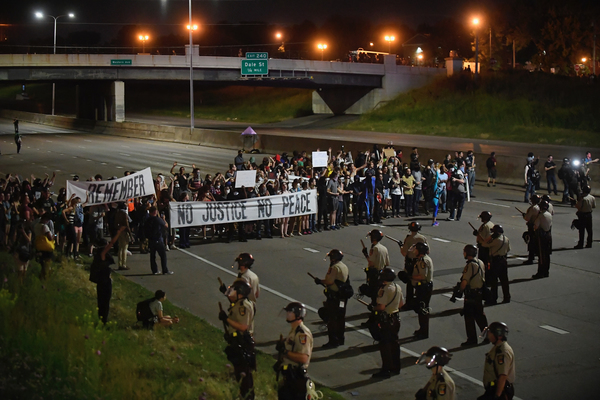
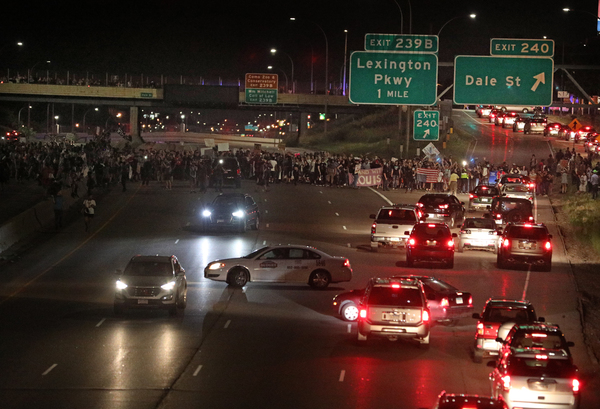
Said Reeves: "If the verdict comes back guilty, we will celebrate. If not, we will protest."
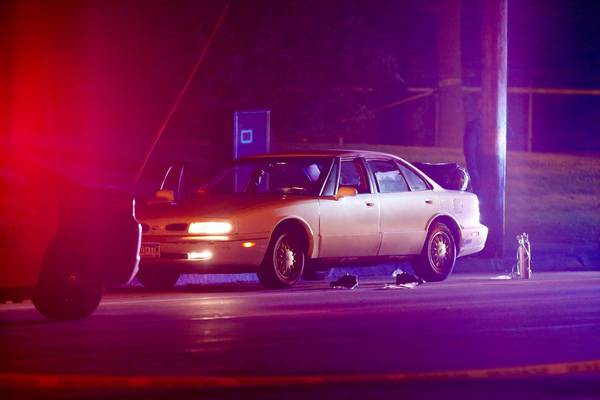
Yanez, 29, is charged in Ramsey County with second-degree manslaughter and two counts of reckless discharge of a firearm for shooting Castile, 32, in Falcon Heights.