In the wake of the Charlie Hebdo murders, cartoonists are under threat across the world, states a report by the Committee to Protect Journalists (CPJ).
A survey by the New York-based press freedom watchdog reveals a global pattern of intimidation against political and satirical cartoonists.
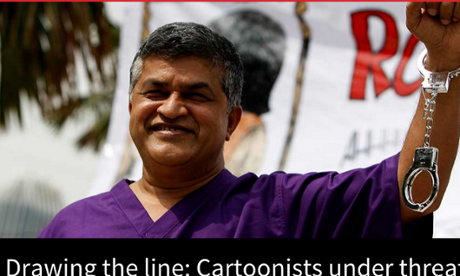
For example, in Malaysia, the cartoonist Zulkiflee Anwar Ulhaque, known as Zunar, faces more than 40 years in prison if found guilty of sedition during a trial that is due to begin tomorrow (20 May).
In Ecuador, there are fears that cartoonist Xavier Bonilla may face criminal charges over an image ridiculing a fumbling speech by a politician in President Rafael Correa’s ruling party. His newspaper, El Universo, was ordered to run an apology for seven days after publishing the cartoon.
Fear of retaliation and death threats from radical Islamists have forced some cartoonists into exile, according to the report, Drawing the line: cartoonists under threat.
American cartoonist Molly Norris has been in hding since April 2010 after proposing an “Everybody draw Muhammad day.” On the advice of the FBI, she changed her identity and disappeared from her Seattle home because of serious threats. Her name has appeared on Al-Qaida’s “most wanted” list in a jihadist magazine.
Sri Lankan cartoonist Prageeth Eknelygoda, whose critical drawings of the Rajapaksa government were widely disseminated, went missing in 2010.
In Iran, South Africa and Venezuela there are instances of cartoonists facing legal actions, fines, harassment and imprisonment over their satirical works.
A growth in measures against “offensive” speech and greater surveillance of media under the guise of combatting terrorism are also documented in the report, which was written by Shawn Crispin. The Thailand-based journalist is CPJ’s senior south-east Asia representative.
The risks stem largely from criticism of people in authority, commentaries on current affairs and the portrayal of religious symbols. Thanks to social media, cartoons are reaching more people than ever before, but that enables enemies of free speech to monitor and respond to content they deem objectionable.
Joel Simon, CPJ’s executive director, says: “Attacks and threats from Islamic extremists have brought the risks for cartoonists into high relief, but the threats also come from governments.
“Editorial cartoons have the ability to convey complex themes in a simple yet profound manner that easily crosses borders and languages. What makes these cartoons so powerful is also what makes cartoonists so vulnerable”.
Source and report: CPJ