Cholesterol management is getting an important update in the US, with new guidelines urging doctors to identify and treat unhealthy blood fats earlier to help prevent heart attacks and strokes.
The updated guidance, published in the Journal of the American College of Cardiology, replaces the previous 2018 recommendations and takes a broader approach to cholesterol and dyslipidemia.
While LDL cholesterol remains a major focus, experts are also looking at other lipids and lipoproteins that can contribute to atherosclerotic cardiovascular disease (ASCVD), the leading cause of death and disability worldwide.
What do the new cholesterol guidelines say?
The central message of the updated guidance is straightforward: lower harmful cholesterol earlier and keep it lower for longer.
The experts behind the guidelines say prolonged exposure to atherogenic lipoproteins can increase a person's lifetime risk of cardiovascular disease.
Roger Blumenthal , a cardiologist at the Johns Hopkins Ciccarone Center for the Prevention of Cardiovascular Disease and chair of the guideline writing committee, said that more than 80% of cardiovascular disease is preventable and that elevated LDL cholesterol is a major contributor to the risk.
"We know 80 percent or more of cardiovascular disease is preventable and elevated LDL cholesterol, sometimes referred to as 'bad' cholesterol, is a major part of that risk," Blumenthal said.
He added that healthy lifestyle habits should remain the first step, but doctors may need to consider cholesterol-lowering medication sooner when lifestyle changes alone do not bring lipid levels into the desired range.
Why is high LDL cholesterol dangerous?
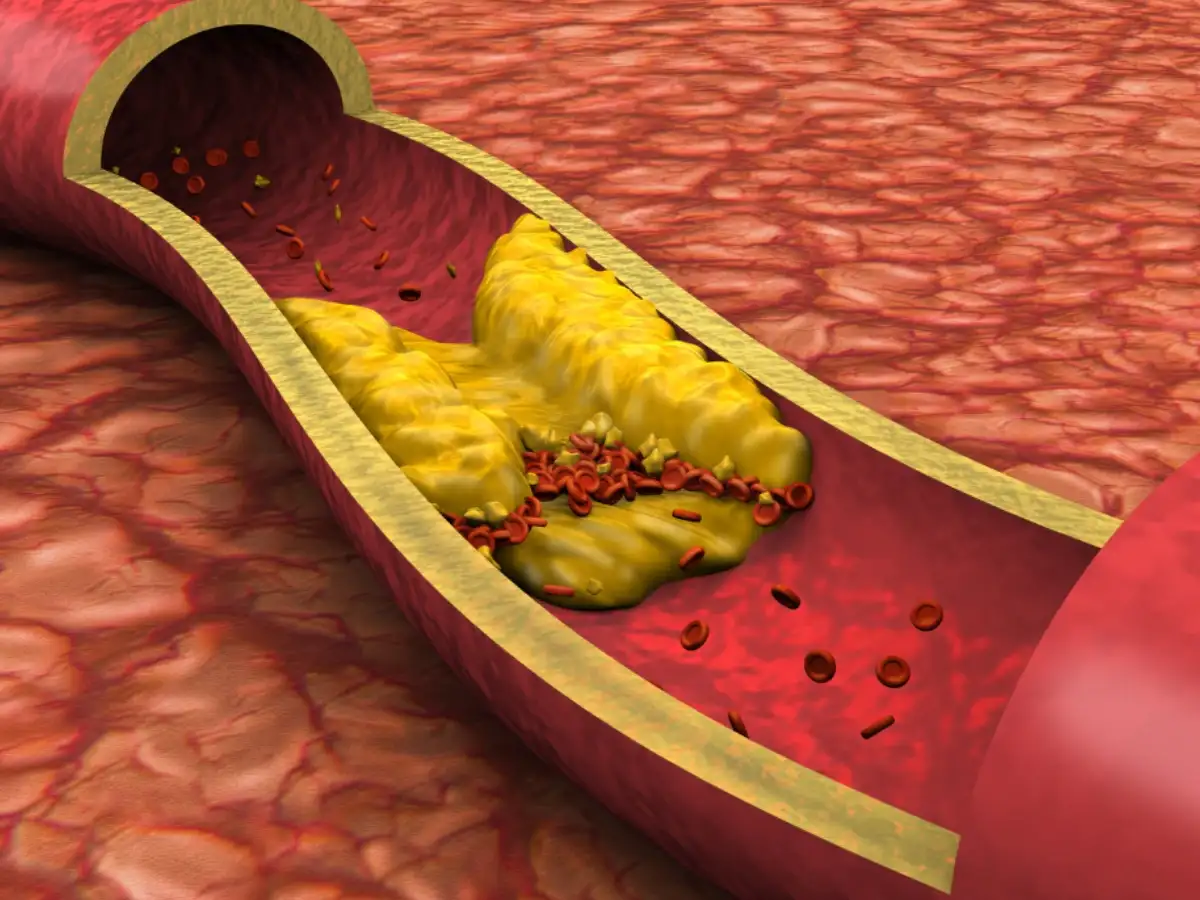
LDL cholesterol is often called 'bad' cholesterol because excessive levels can contribute to fatty deposits inside arteries.
Over time, these deposits can contribute to atherosclerosis, in which arteries become narrowed or blocked. This can increase the risk of serious cardiovascular events, including heart attacks and strokes.
The new guidance emphasises that the length of time someone is exposed to elevated LDL also matters.
"Lower LDL cholesterol for longer, just like lower blood pressure for longer, results in much greater protection against future heart attack and stroke risk," Blumenthal said.
What is dyslipidemia and why does it matter?
High LDL is not the only cholesterol-related concern.
Dyslipidemia refers to abnormal levels of lipids or lipoproteins in the blood. These can include unhealthy levels of cholesterol and triglycerides or other particles that contribute to cardiovascular risk.
The updated guidelines therefore take a wider view of blood fats rather than focusing exclusively on LDL cholesterol.
This approach is intended to identify cardiovascular risk earlier and help doctors intervene before prolonged exposure to harmful lipoproteins causes significant artery damage.
At what age should cholesterol screening begin?
One of the notable changes in the new guidance is an earlier focus on cholesterol screening.
For children who have not previously been screened, cholesterol testing is recommended at ages 9 to 11.
Screening may be considered much earlier, from around age two, when there is a family history of serious cardiovascular disease or cholesterol-related conditions.
The earlier approach reflects growing recognition that cardiovascular risk can begin accumulating long before adulthood.
New PREVENT calculator to assess heart disease risk
The updated guidelines also recommend the use of a new cardiovascular risk assessment tool called PREVENT.
Doctors can use the calculator for adults aged 30 to 79 to estimate both 10-year and 30-year cardiovascular disease risk.
The tool considers information that may already be collected during routine medical check-ups, including cholesterol levels, blood pressure, age and health habits.
Doctors can then consider additional "risk enhancers" to create a more personalised assessment.
Blumenthal said the tool could help doctors better estimate cardiovascular risk and decide whether a patient may benefit from lipid-lowering treatment.
When should doctors consider cholesterol-lowering treatment?
The new guidance links treatment decisions to a person's estimated cardiovascular risk.
For people with a borderline 10-year ASCVD risk of 3% to 5%, doctors can consider LDL-lowering treatment after taking individual circumstances into account.
For those with an intermediate risk of 5% to 10%, the guidelines say treatment should be considered.
Lifestyle changes remain an important part of treatment, but medications may also be recommended depending on a person's overall risk and cholesterol levels.
What are the new LDL cholesterol targets?
The updated guidance brings back specific LDL-C goals to help doctors assess whether treatment is working effectively.
The recommended targets include:
- Less than 100 mg/dL for people at borderline or intermediate cardiovascular risk
- Less than 70 mg/dL for people at high risk
- Less than 55 mg/dL for people with ASCVD who are considered very high risk
The exact target and treatment approach can vary depending on a person's medical history and overall cardiovascular risk.
Pamela B. Morris, a cardiologist at the Medical University of South Carolina, said evidence from clinical trials has shown cardiovascular benefits when LDL-C is reduced to levels below those recommended by older guidelines.
"In general, lower LDL is better, especially for people at increased risk for a heart attack or stroke," Morris said.
Which medicines can lower LDL cholesterol?
Statins remain the main medicines used to reduce LDL cholesterol.
However, the updated recommendations also include several other cholesterol-lowering treatments that can be used in appropriate patients.
These include:
- Ezetimibe
- Bempedoic acid
- PCSK9 inhibitors
- Inclisiran
Doctors may use these medicines alongside or instead of statins depending on factors such as a patient's cardiovascular risk, response to treatment, tolerance and medical history.
Can lifestyle changes lower cholesterol?
The new guidance continues to emphasise lifestyle changes as a key part of cholesterol management.
Eating a healthy diet, maintaining regular physical activity, managing weight where appropriate and avoiding unhealthy habits can all contribute to better cardiovascular health.
However, lifestyle measures do not always bring cholesterol down sufficiently, particularly when genetics or other medical factors play a significant role.
In such cases, doctors may recommend medication alongside lifestyle changes rather than waiting for cholesterol levels to rise further.
What do the new cholesterol guidelines mean for patients?
For patients, the biggest change is the emphasis on acting earlier rather than waiting until cardiovascular risk becomes substantial.
Regular health checks can help identify high cholesterol and other risk factors before they contribute to serious disease.
The updated guidance also reinforces that cholesterol management should be personalised. Two people with the same LDL level may have very different overall cardiovascular risks depending on their age, blood pressure, medical history, family history and other factors.
The new recommendations therefore encourage patients to discuss their cholesterol numbers and overall heart health with their doctors rather than focusing on a single test result.
Why early cholesterol control could protect the heart
The underlying message of the 2026 guidance is that cardiovascular prevention should begin well before a person experiences their first heart attack or stroke.
Keeping LDL and other harmful blood lipids under control for longer may reduce the cumulative damage that contributes to atherosclerosis.
As the new recommendations put greater emphasis on earlier screening, personalised risk assessment and timely treatment, doctors are being encouraged to take action sooner when cholesterol levels and overall cardiovascular risk warrant it.