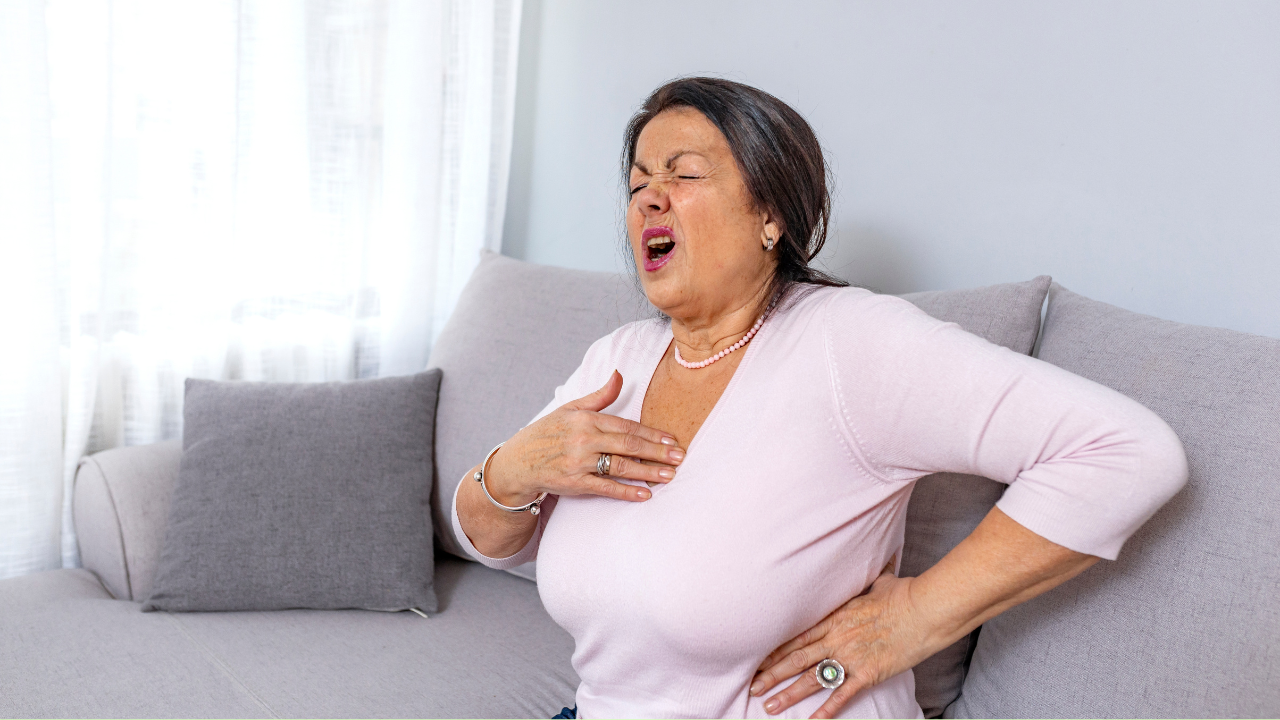
Heart disease is often thought of as a "man's problem," with research, prevention, and treatment efforts primarily focused on men. However, studies have shown that women in India are also at significant risk of heart disease, which is increasingly becoming a leading cause of death among women. This silent threat is often undiagnosed or untreated, leading to worse outcomes for women than men when it comes to cardiac issues.
Why are women at more risk?
One reason why women experience worse outcomes is that they tend to present with different symptoms than men. While men typically experience chest pain and discomfort, women may experience more subtle symptoms such as fatigue, shortness of breath, nausea, and back or jaw pain. These symptoms are often misdiagnosed as anxiety, stress, or even indigestion, delaying proper diagnosis and treatment.

Understanding gender-specific symptoms and tailored treatment
Another factor contributing to worse outcomes for women is the lack of tailored treatment options. Historically, most research on heart disease has been conducted on men, leading to a knowledge gap in understanding how the disease affects women. As a result, many treatments and medications may not be as effective for women as they are for men.
Furthermore, societal perceptions and biases often lead to delayed or inadequate care for women experiencing cardiac issues. Women may not be taken as seriously as men when reporting symptoms, leading to underdiagnosis and undertreatment.
What can women do to reduce their risk of heart disease?
Despite these challenges, there are steps women can take to reduce their risk of heart disease. First and foremost, it's important to know your family history and personal risk factors, such as high blood pressure, diabetes, and smoking. Regular check-ups with a healthcare provider can help catch any warning signs early on.
In addition, lifestyle changes such as eating a healthy diet, getting regular exercise, and managing stress can all help reduce the risk of heart disease. Women should also advocate for themselves and seek out healthcare providers who are knowledgeable about gender-specific symptoms and treatment options.
In conclusion, while heart disease affects both men and women, it's important to recognize that women may experience worse outcomes due to differences in symptoms, treatment options, and societal biases. By understanding these differences and taking proactive steps to reduce their risk, women can improve their chances of living a long and healthy life.
(Article Courtesy: Dr. Manish Bansal, Senior Director, Clinical & Preventive Cardiology, Cardiac Care, Medanta, Gurugram)