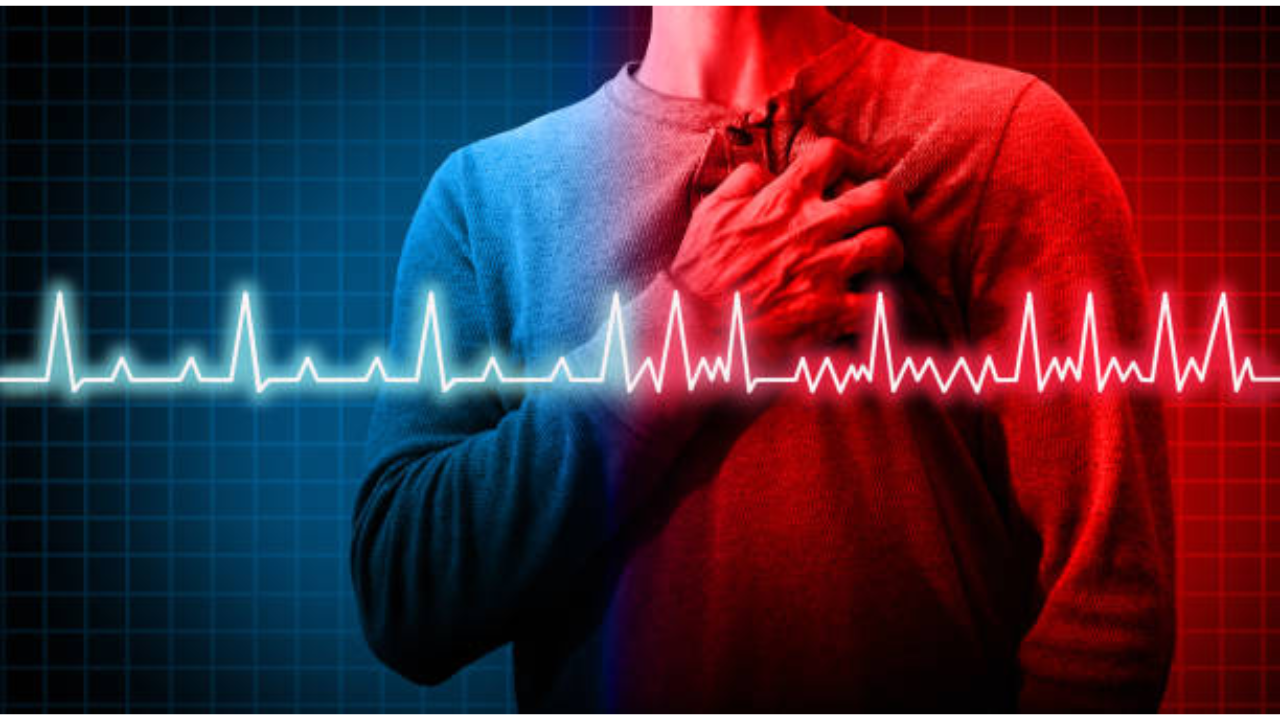
These days, there is a serious risk to public health due to the rising rate of cardiac arrest, particularly among young and middle-aged individuals. Anybody, regardless of age or background, can experience cardiac arrest, a sudden stoppage of heart function that frequently has catastrophic results. People can, however, take proactive actions to protect their cardiovascular well-being by being aware of the signs, implementing preventive measures, and encouraging heart-healthy activities.
Recognizing the symptoms of cardiac arrest
Since cardiac arrest frequently happens suddenly, it's critical to notice the warning signals and take immediate action. Sudden unconsciousness, respiratory cessation, and lack of pulse are common signs. In certain instances, people may feel palpitations, dizziness, shortness of breath, or chest discomfort in the seconds before cardiac arrest. Early identification of these warning indicators can greatly increase the likelihood of survival because time is of the essence in the restoration of normal cardiac function.
Prevention tips for cardiac arrest
Although age and family history are uncontrollable risk factors for cardiac arrest, there are a number of preventive steps that people can do to lower their risk:
Maintain a healthy lifestyle: Cardiovascular health depends on a healthy weight, a balanced diet full of fruits, vegetables, and whole grains, and regular exercise. Preventing heart disease and lowering the risk of cardiac arrest also require abstaining from tobacco use and consuming alcohol in moderation.Regularly check yourself: Regular screenings can help you monitor your blood pressure, cholesterol, and blood sugar levels. Increased risk of heart disease may be indicated by elevated levels of these markers, which call for additional testing and care.Learn CPR: In the event of cardiac arrest, having a basic understanding of cardiopulmonary resuscitation (CPR) can be lifesaving. Take a CPR training to acquire the abilities and methods required to offer emergency care until medical assistance arrives.Always stay connected: In the event of a cardiac emergency, wearable technology with heart rate monitors and automated emergency response features can notify emergency personnel and offer useful data. Keep in touch with your loved ones and let them know about any cardiac issues or underlying diseases.Seek medical attention: Get medical help right away if you suffer any heart disease or cardiac arrest symptoms, such as palpitations, shortness of breath, or chest pain. Prompt intervention and therapy may prevent difficulties and enhance results.
At last, cardiac arrest is still a major public health problem, but people may take proactive efforts to protect themselves and their loved ones by being aware of the signs, implementing preventive measures, and encouraging heart-healthy habits. Through ongoing training, vigilance, and emphasis on heart health, we can collaborate to lower the risk of cardiac arrest and save lives. Never forget that taking good care of your heart now will lead to better health tomorrow.
(Author: Dr. Sameer Gupta, Senior Interventional Cardiologist, Group Director - Cardiac Cath Lab, Director - Metro Group of Hospitals, Noida)