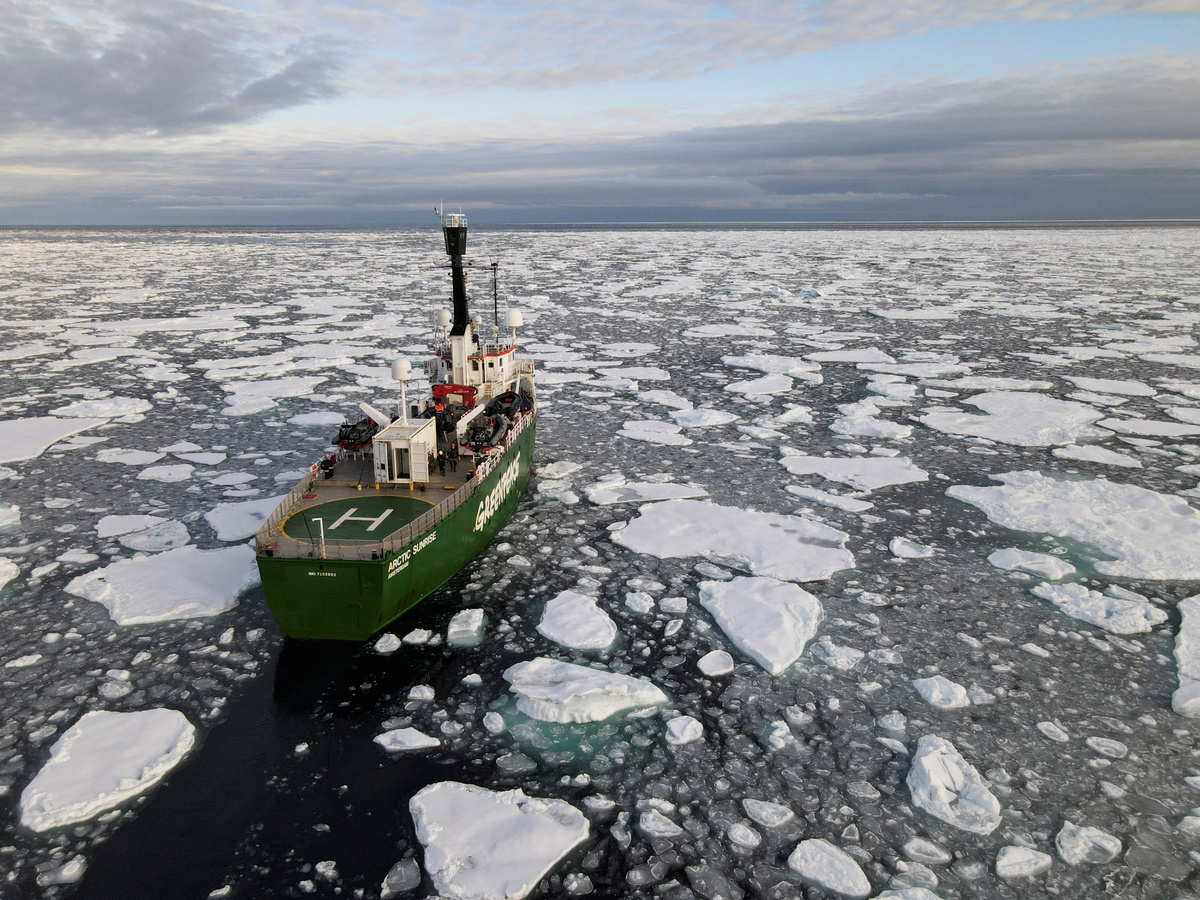
Plans to boost the global voluntary carbon market backed by U.N. envoy Mark Carney could hand oil majors and airlines an excuse to pollute for longer and jeopardise international climate goals, the head of Greenpeace International said on Wednesday.
A private sector-led task force including Royal Dutch Shell, BP, Tata Steel and airline easyJet that Carney convened in September is expected to unveil its recommendations for expanding the trade in carbon credits later on Wednesday.
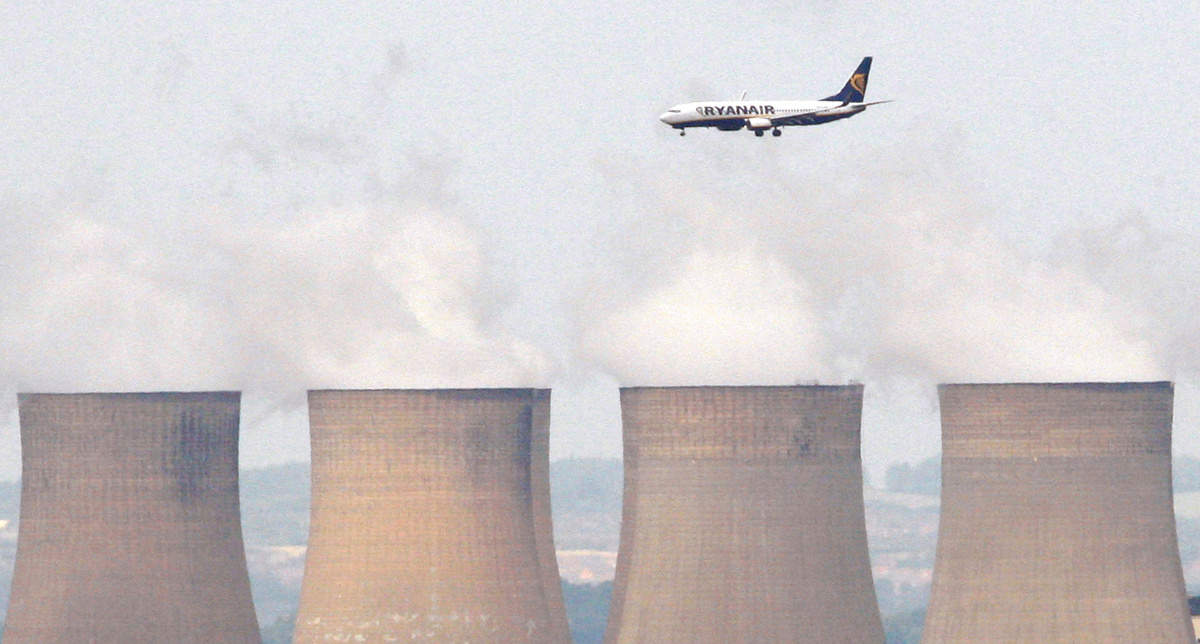
Jennifer Morgan, executive director of Greenpeace International, said it would be impossible to meet the goals of the 2015 Paris climate accord if high-polluting companies used carbon markets as an excuse to avoid rapid cuts in emissions.
"The initiatives on voluntary carbon markets, like the one that Mark Carney is going to announce this evening, it has shortcomings in principle and practice that could really jeopardise genuine climate change mitigation, and with it the Paris targets," Morgan told a virtual meeting of the World Economic Forum.
The task force said in November that it aimed to create a transparent, verifiable and robust voluntary carbon market, that would have to grow 15-fold by 2030 to enable companies and organisations to achieve the Paris goals.
Companies, such as oil majors Shell and BP, and e-commerce giant Amazon have pledged to reach net zero emissions but will need to buy or generate carbon credits to offset emissions they are unable to cut.
Critics are concerned that companies may defer rapid cuts in emissions by instead backing projects such as tree planting or ecosystem restoration to absorb planet-warming carbon dioxide.
Campaigners say such schemes have run into a host of past problems, including infringements of land rights in developing countries, and difficulties in verification.
(Reporting by Matthew Green; editing by Barbara Lewis)