Canvas to camera: Tate's landscapes seen on Google Street View
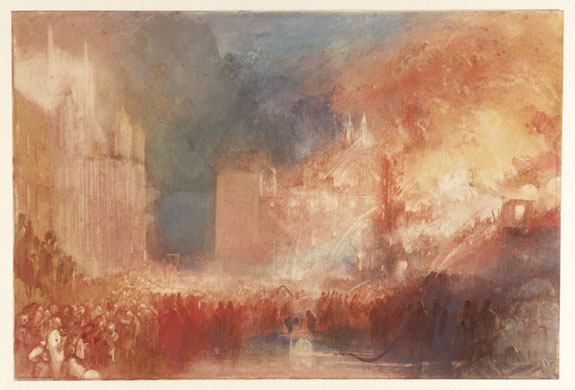
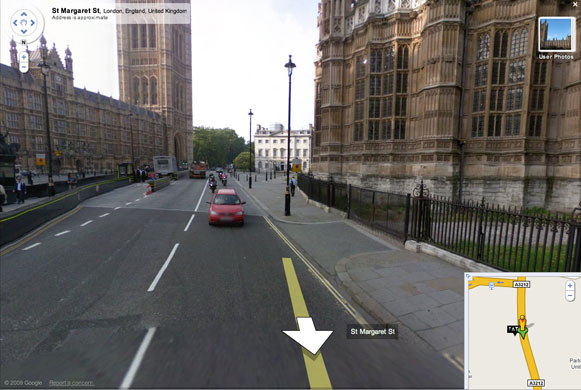
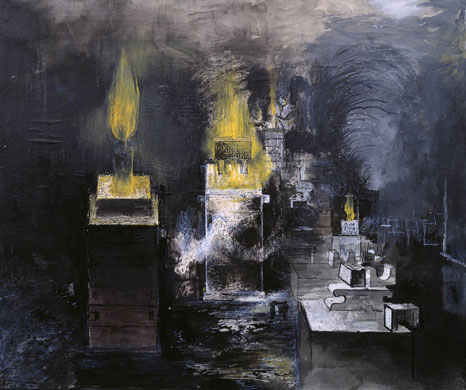
The Burning of the Houses of Parliament (1834-5) by JMW Turner Photograph: Tate PhotographyThe same view today, seen from St Margaret Street in London's Parliament SquarePhotograph: GoogleA Foundry: Hot Metal Has Been Poured Into a Mould and Inflammable Gas Is Rising (1941-2) by Graham Sutherland OM Photograph: Tate Photography
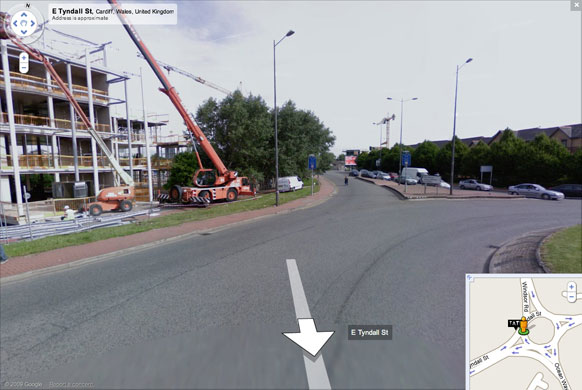
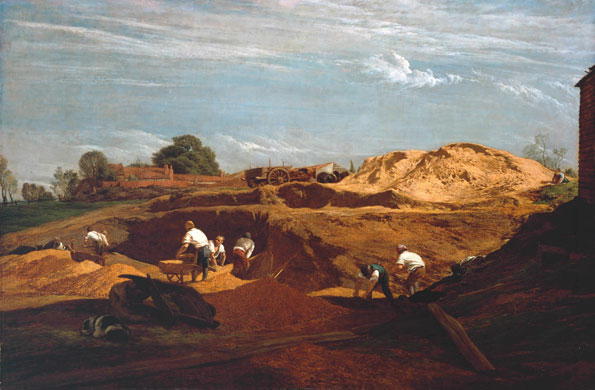
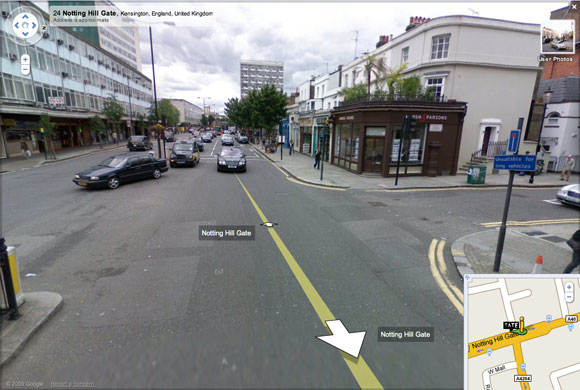
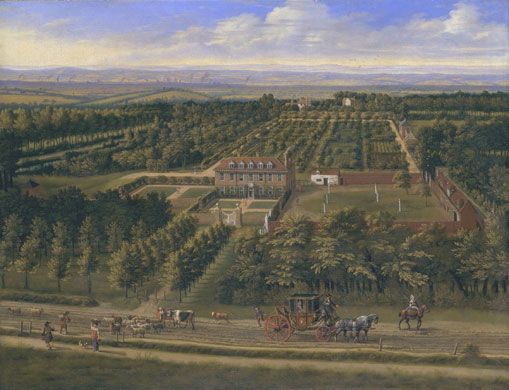
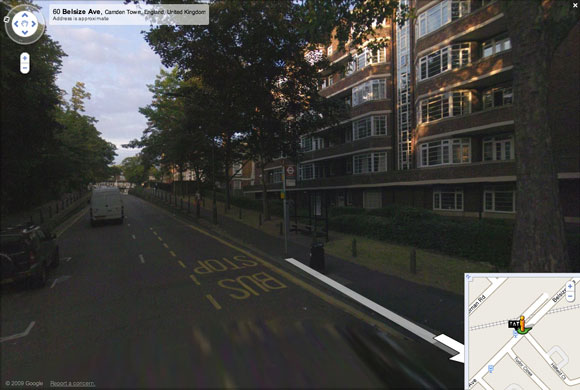
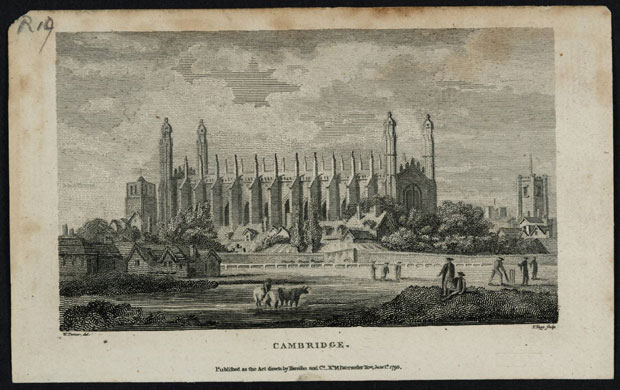
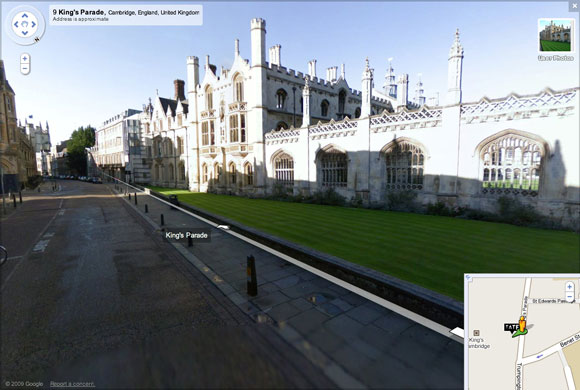
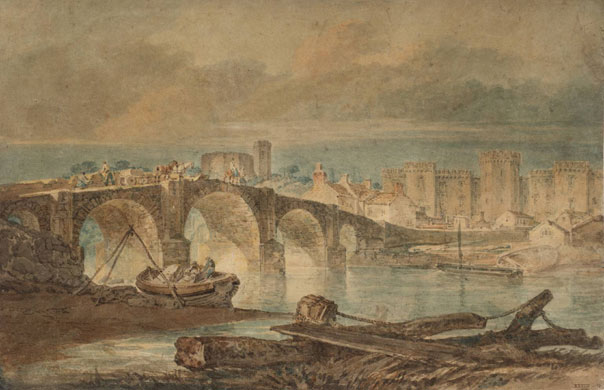
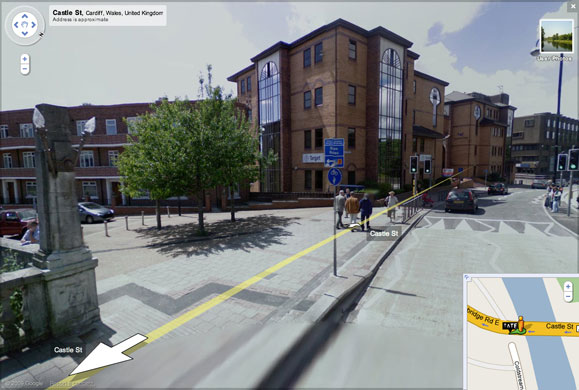
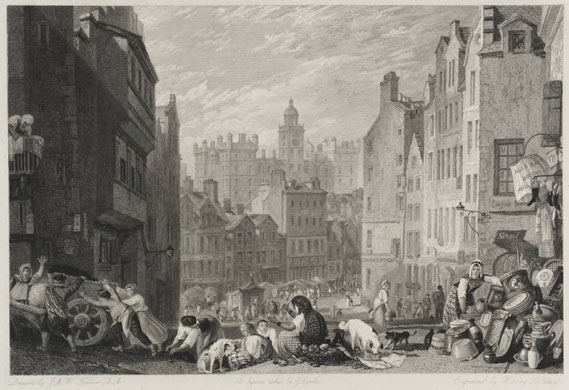
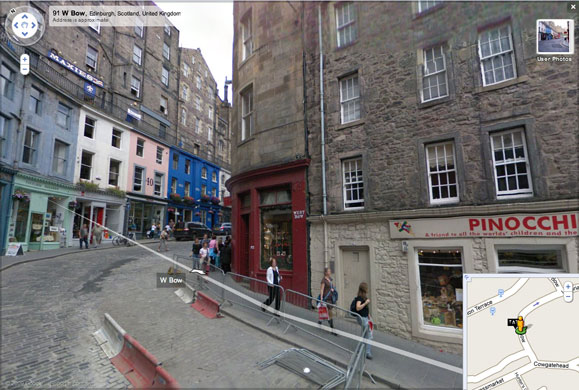
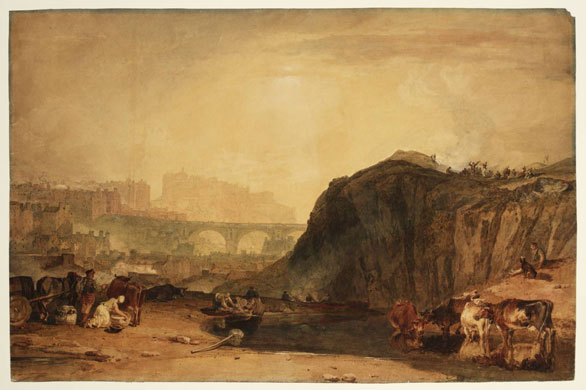
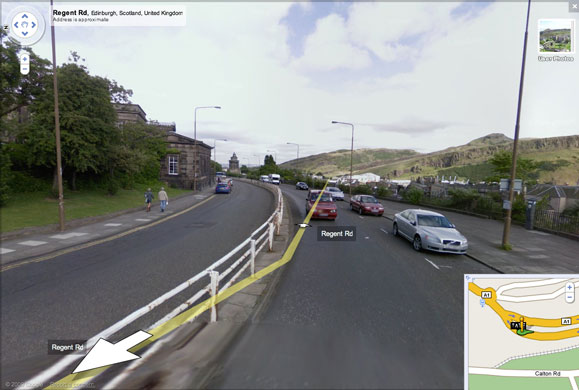
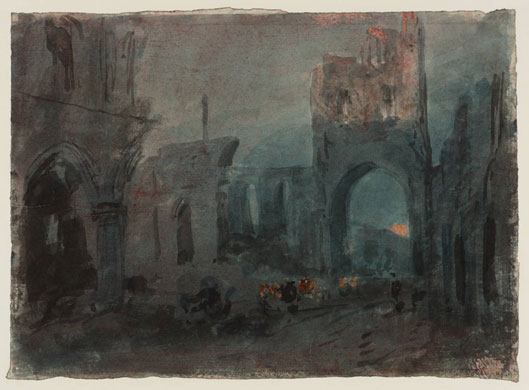
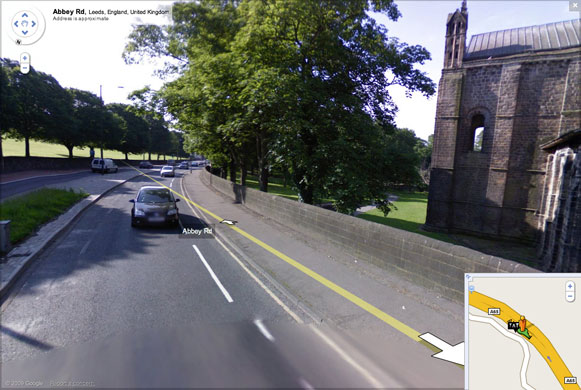
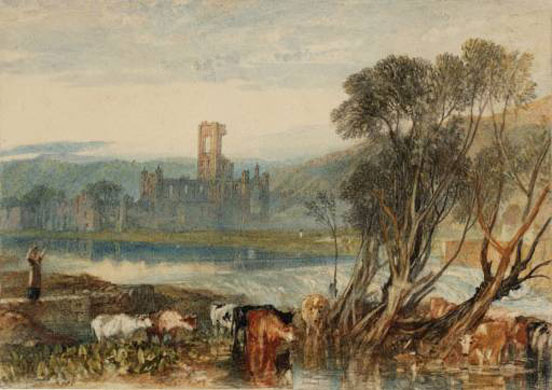
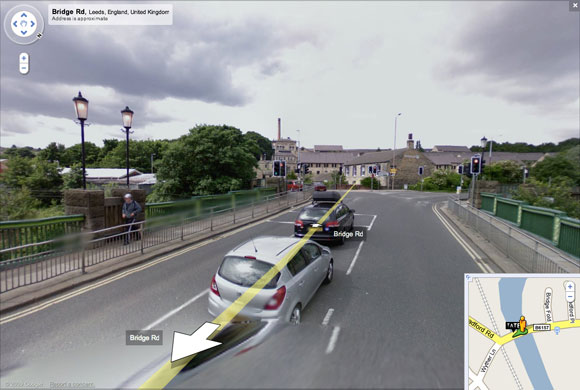
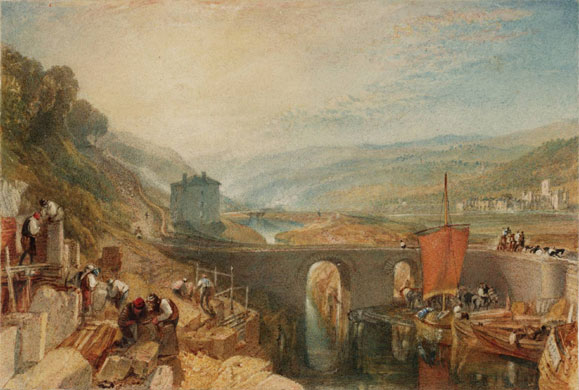
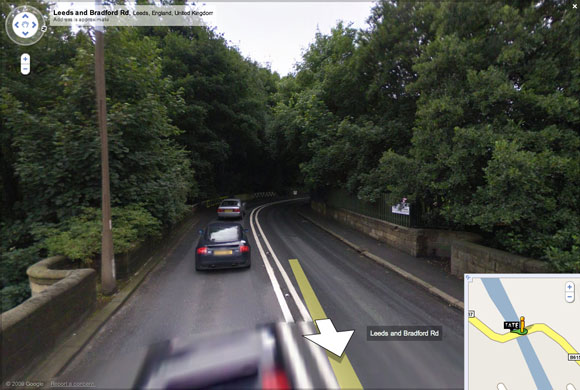
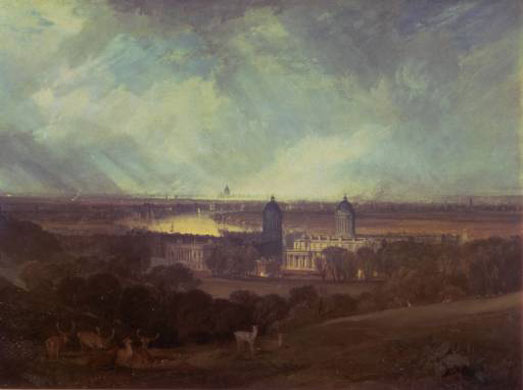
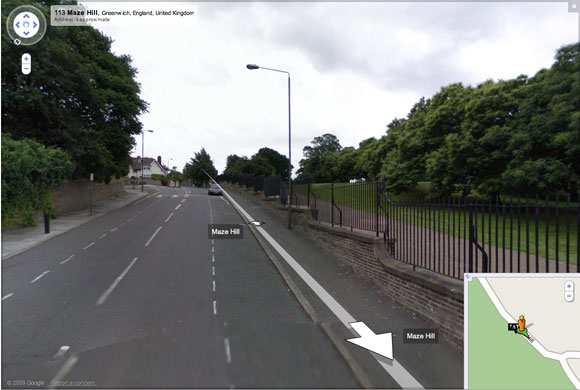
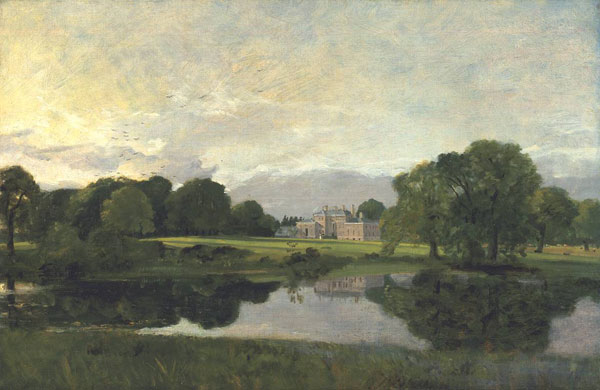
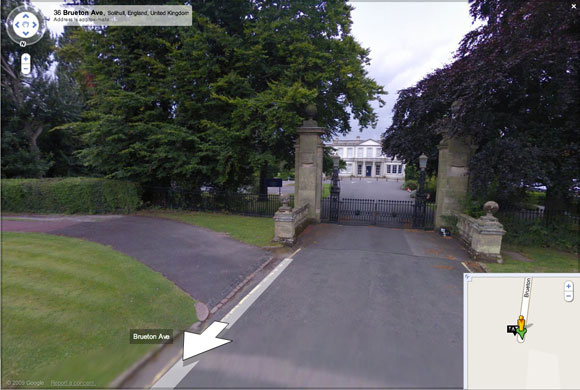
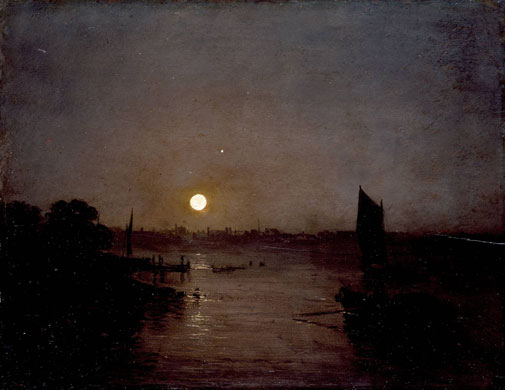
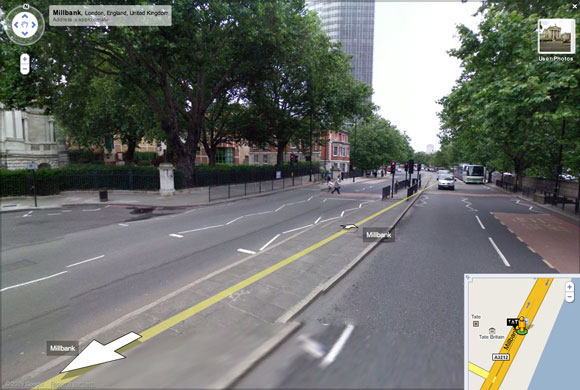
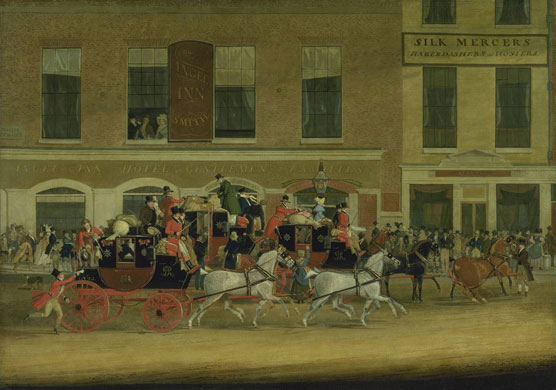
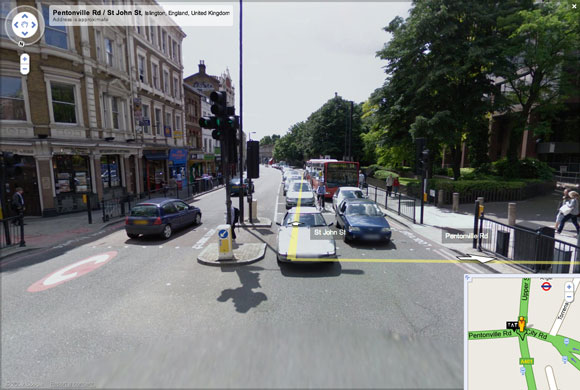
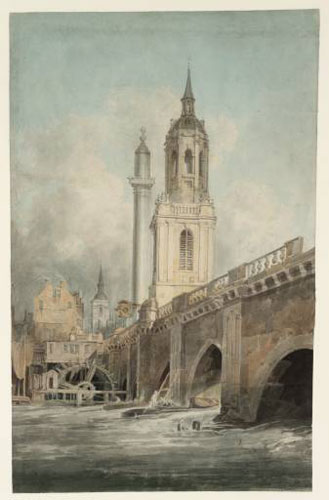
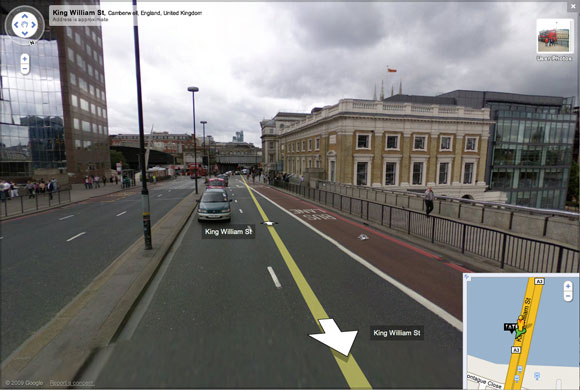
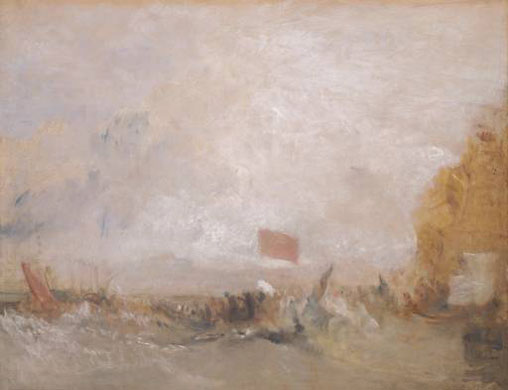
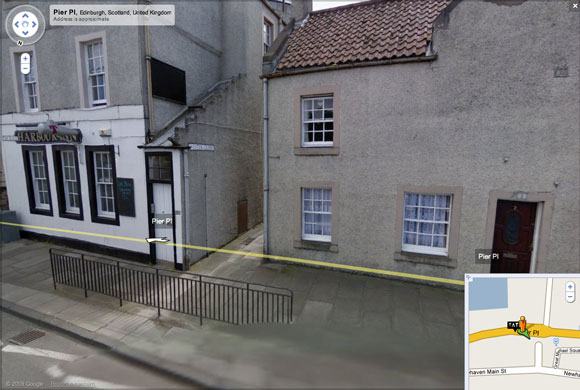
Cardiff's East Tyndall Street today, site of the former Guest, Keen and Baldwin steelworks featured in Sutherland's paintingPhotograph: GoogleKensington Gravel Pits (1811-12) by John LinnellPhotograph: TateWriting in 1820, Thomas Faulkner in his History of Kensington described Kensington gravel pits in the most tranquil terms: 'Although the distance from London is scarcely three miles, yet the traveller might imagine himself to be embosomed in the most sequestered parts of the country, for nothing is heard to interrupt the course of his meditations but the notes of the lark, the linnet, or the nightingale.' Seen nearly 200 years later, 24 Notting Hill Gate in Kensington is a busy sprawl of glass, cars, telegraph cables and plenty of tarmacPhotograph: GoogleView of a House and its Estate in Belsize, Middlesex (1696) by Jan SiberechtsPhotograph: TateFour hundred years later, Belsize House and parklands have given way to flats, and Daniel O'Neill and his wife Katherine Stanhope, Countess of Chesterfield have been replaced by the likes of Chris and GwynniePhotograph: GoogleCambridge engraved by Tagg (1795) after JMW Turner Photograph: Tate PhotographyLittle changed, King's College is seen today from 9 King's Parade, CambridgePhotograph: GoogleCardiff Bridge and Castle (1795-6) by JMW Turner Photograph: Tate PhotographyCardiff's Castle Street today, with the castle and Bute Park just out of sightPhotograph: GoogleHeriot's Hospital (1822) by JMW TurnerPhotograph: Tate PhotographyLooking up the same street today, from 91 West Bow, EdinburghPhotograph: GoogleEdinburgh from Calton Hill, exhibited in 1804 by JMW Turner Photograph: Tate PhotographyLooking down Regent Road from Calton Hill towards Edinburgh city centre todayPhotograph: GoogleKirkstall Abbey, Moonrise: Colour Study (c1800-5) by JMW TurnerPhotograph: Tate PhotographyAbbey Road in Leeds today, showing a corner of the ruined abbeyPhotograph: GoogleKirkstall Abbey On the River Aire (1824) by JMW TurnerPhotograph: Tate PhotographyBridge Road in Leeds today where people and cars have replaced Turner's cows crossing the River AirePhotograph: GoogleKirkstall Lock On the River Aire (1824-5) by JMW TurnerPhotograph: Tate PhotographyLeeds and Bradford Road today, showing the bridge road over the river and lockPhotograph: GoogleLondon from Greenwich Park, exhibited in 1809 by JMW TurnerPhotograph: Tate PhotographyThe view towards Greenwich today from 113 Maze Hill, with the park on the rightPhotograph: GoogleMalvern Hall in Warwickshire (1809) by John ConstablePhotograph: Tate Photography36 Brueton Ave in Solihull showing Malvern Hall today, which now forms part of Saint Martin's Solihull, a private school for girlsPhotograph: GoogleMoonlight, a Study at Millbank, exhibited in 1797 by JMW TurnerPhotograph: Tate PhotographyMillbank in London today with the edge of Tate Britain just in shotPhotograph: GoogleThe Royal Mail Coaches for the North Leaving the Angel, Islington (1827) by JMW TurnerPhotograph: Tate PhotographyToday, buses replace horses. Looking down St John Street, Islington at the junction with Upper Street, Pentonville Road and City RoadPhotograph: GoogleOld London Bridge, With the Monument and the Church of St Magnus King and Martyr (1794-5) by JMW TurnerPhotograph: Tate PhotographyKing William Street in Camberwell today, looking over London Bridge towards the stationPhotograph: GoogleGeorge IV's Departure from the Royal George, c1822 by JMW TurnerPhotograph: Tate PhotographyPier Place today, where George IV left Edinburgh for EnglandPhotograph: Google
Sign up to read this article
Read news from 100’s of titles, curated specifically for you.