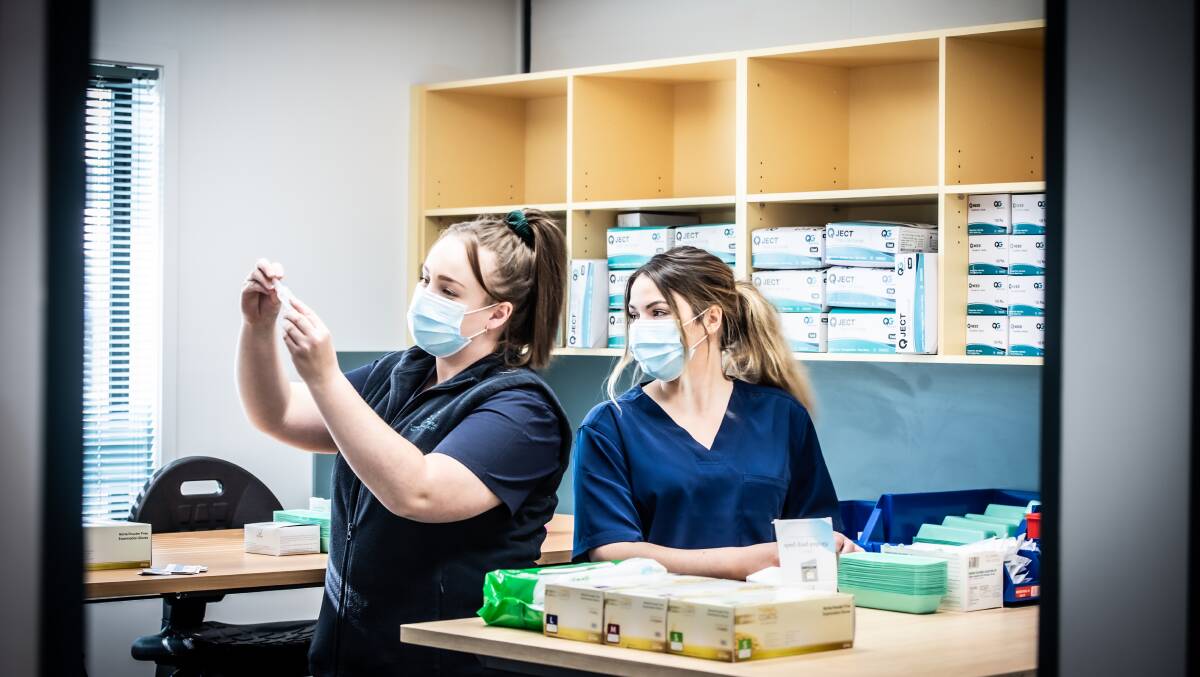
More COVID-19 restrictions in the ACT could be eased after the territory passed the milestone vaccination threshold of 80 per cent.
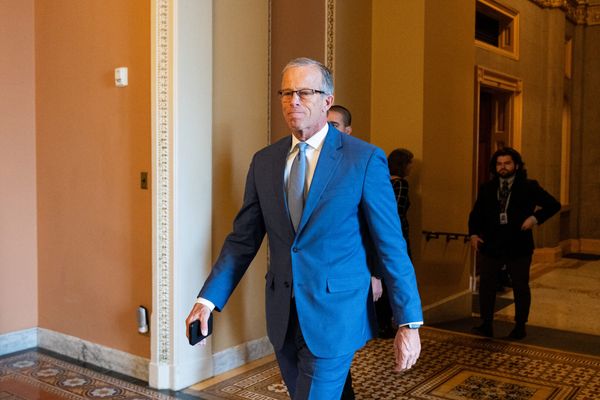
Chief Minister Andrew Barr said the vaccination rate - which means 80 per cent of people in the ACT aged 12 and over have had two doses of a COVID vaccine - triggered a further step in easing restrictions.
More detail would be provided on Tuesday, Mr Barr said in a post on Twitter.
The ACT has reached 80% of our 12+ population fully vaccinated this afternoon. ✅✅
— Andrew Barr MLA (@ABarrMLA) October 18, 2021
This triggers the next step in our pathway forward.
Details of the next step will be outlined tomorrow.
ℹ️ https://t.co/YyXPu3PMJspic.twitter.com/pClpb6mAJ5
Mr Barr has emphasised that it takes two weeks after the second dose of the vaccine is administered for it to give full protection.
Under the ACT's pathway forward roadmap for easing restrictions, the next changes are scheduled for October 29.
The ACT, which is on track to be one of the world's most vaccinated areas, has stopped reporting first-dose vaccinations above 99 per cent of the eligible population.
Professor Peter Collingon, an infectious diseases expert at the Australian National University, last week said a double-dose vaccination rate of 95 per cent was usually "as good as you could ever expect".
A national plan, agreed to by national cabinet, had set 80 per cent vaccination thresholds as a key milestone to ease restrictions, based on advice and modelling from the Doherty Institute.
The ACT's strict lockdown ended on Friday, but tough rules remain in place that severely limit businesses ability to trade.
Non-essential retail can operate click-and-collect services and have two people in the store at a time by booked appointment.
Meanwhile, non-essential retail has been allowed to reopen over the border in NSW.
The ACT recorded 17 new cases of COVID-19 on Monday, while 17 people remain in hospital. There are nine people in intensive care with the virus in Canberra.
Chief health officer Dr Kerryn Coleman said it was important residents continued to get tested as soon as they felt even the mildest of symptoms.
"Testing remains a vital step in the way we manage COVID-19, especially now that we have eased restrictions," Dr Coleman said.