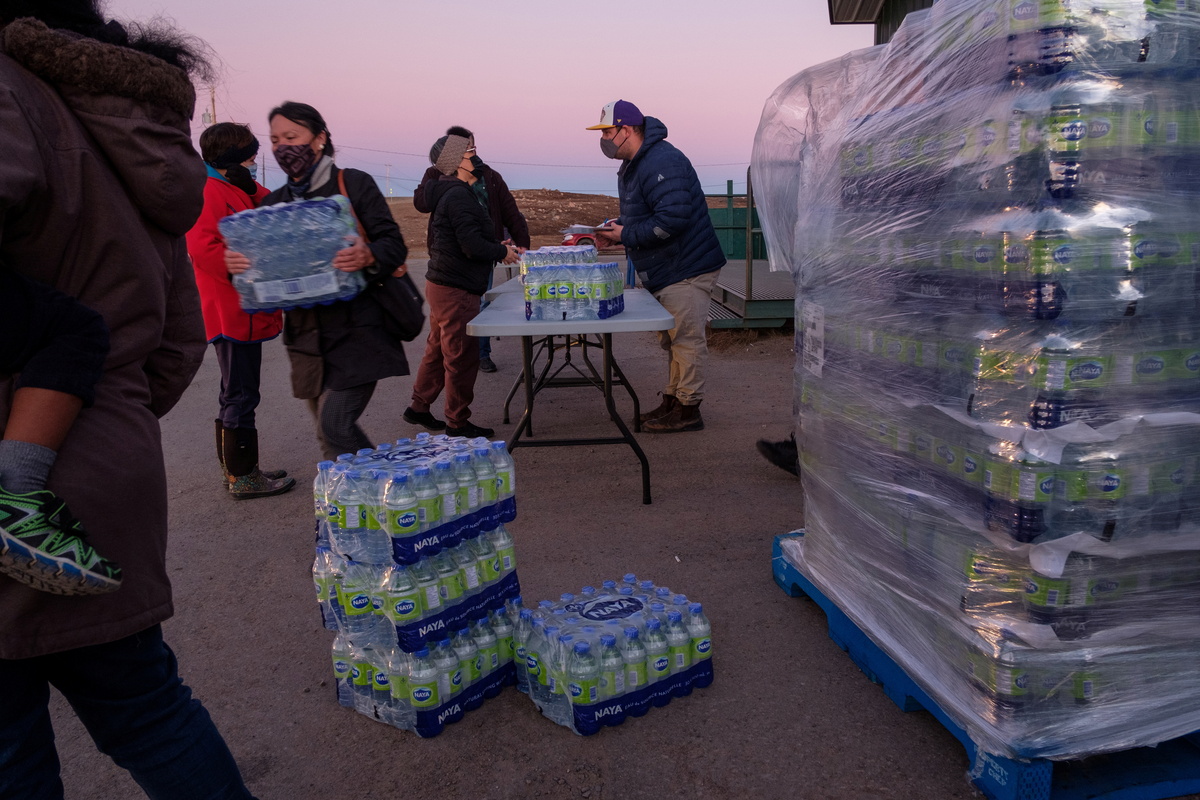
The Canadian city of Iqaluit in the country's northern territory said lab results confirmed that fuel had entered its water supply, officials announced on Friday.
Analysis of samples from one of the city's water tanks found "exceedingly high levels of various fuel components," Amy Elgersma, Iqaluit's chief administrative officer, said, adding it was likely diesel or kerosene.
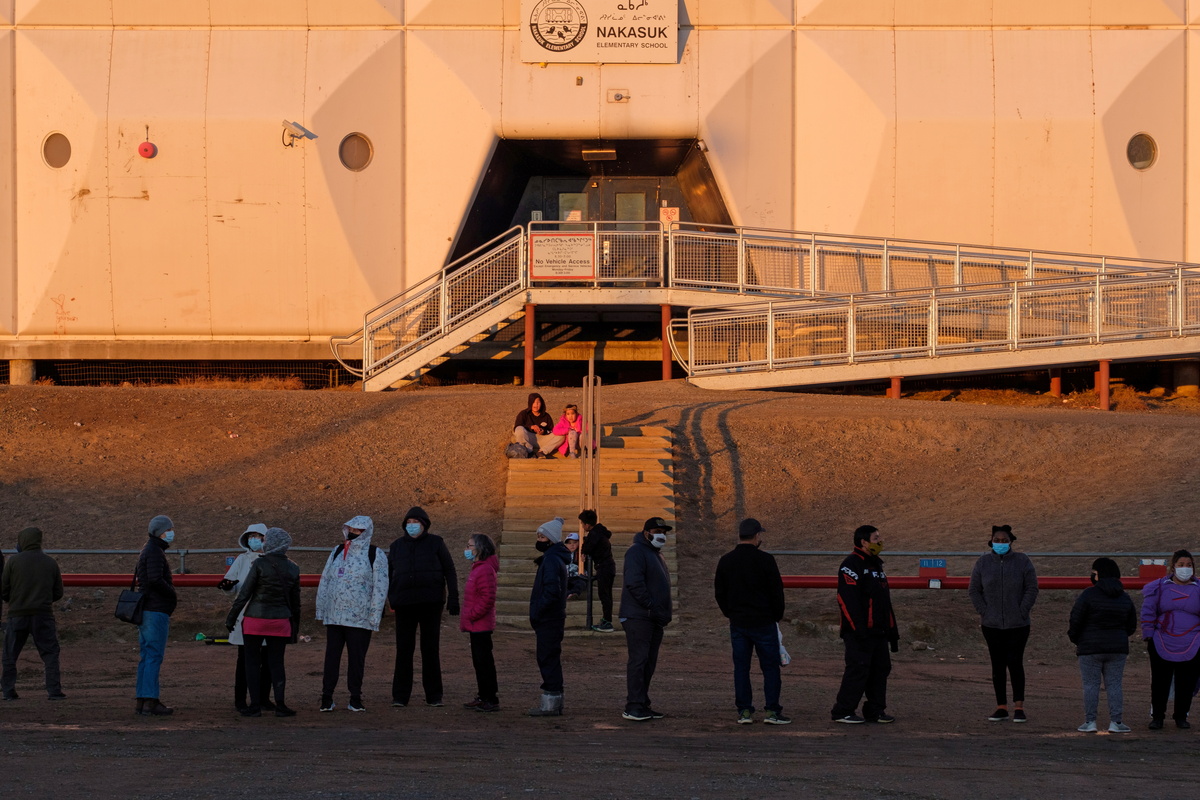
Residents in Iqaluit, the capital of Canada's northernmost territory Nunavut, which borders Greenland, reported fuel odors in the water over the weekend, but the source was not clear.
The city declared a state of emergency on Tuesday night, telling residents to stop using city water for drinking and cooking. The water would not be safe even after boiling, the city said.
Officials suspect the fuel entered the tank from soil or ground water contamination, and are emptying water from the tank to conduct further investigations.
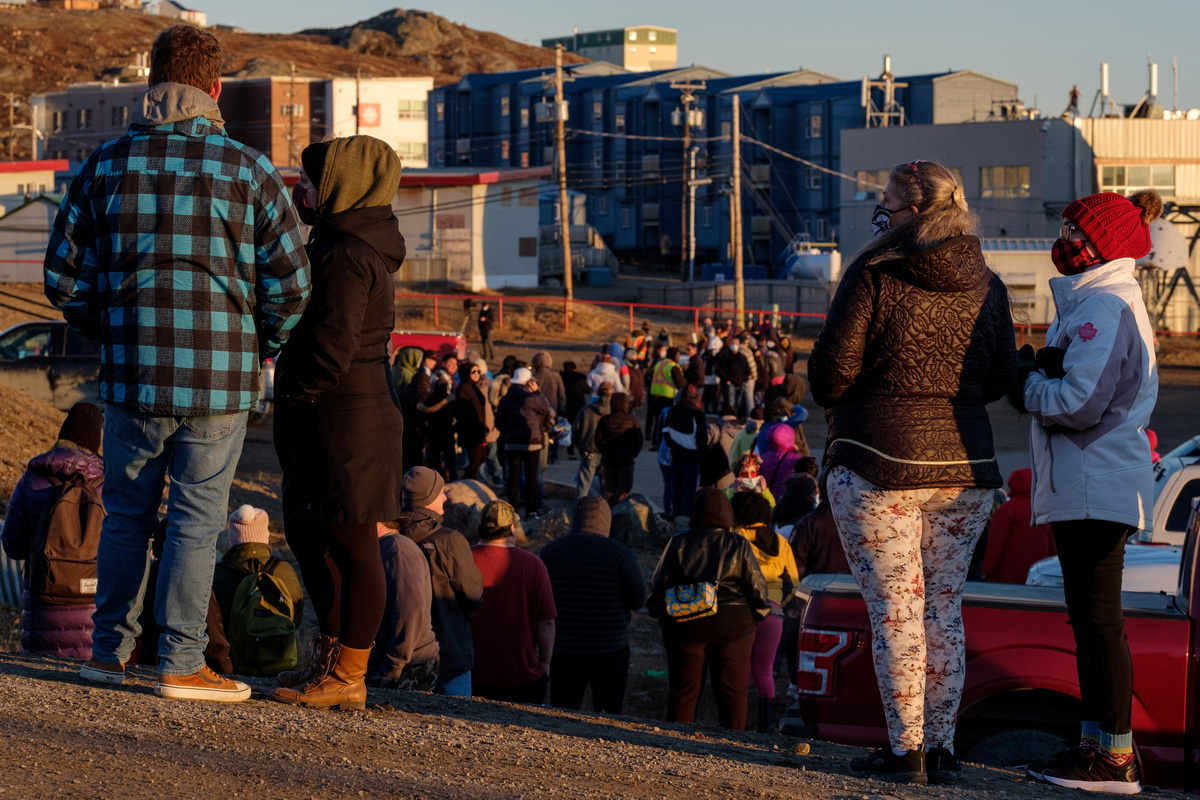
Meanwhile water will be routed around the tank, and Elgersma said Iqaluit's roughly 7,000 residents will receive instructions from the city on when they should flush their pipes.
"The best evidence that we have right now indicates that the risk of long term health effects (for those who drank the water) is not a concern at this point," Dr. Michael Patterson, Nunavut's chief medical officer, said.
He added that there was "no evidence" of carcinogenic chemicals officials had worried about, including benzene and toluene, both of which can be found in fuel.
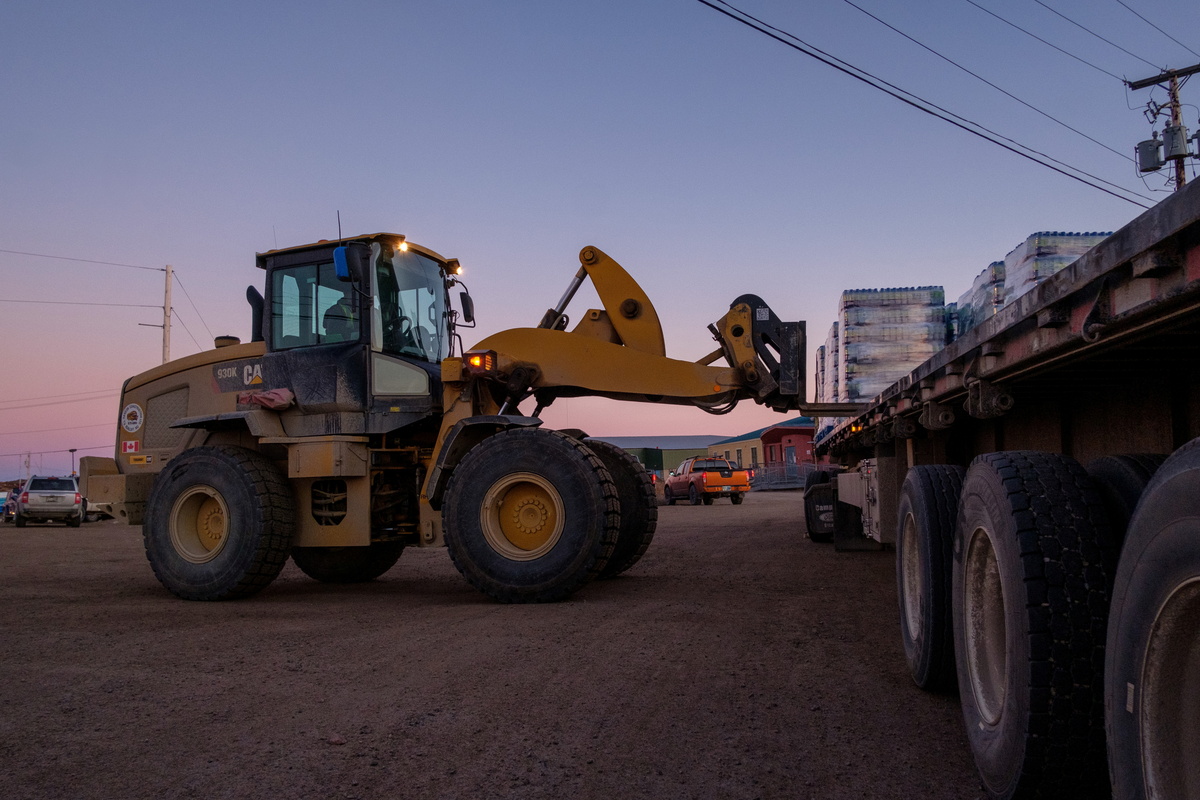
However he cautioned that it could be the middle or end of next week before the city lifted the do not consume order.
Although Canada has 20% of the world's fresh water within its borders, 45 indigenous communities across the country currently have boil-water advisories. Nunavut's population is 86% indigenous.
Canada's indigenous people experience the country's highest rates of poverty, with 25% estimated to be living in poverty, according to the Canadian Poverty Institute.
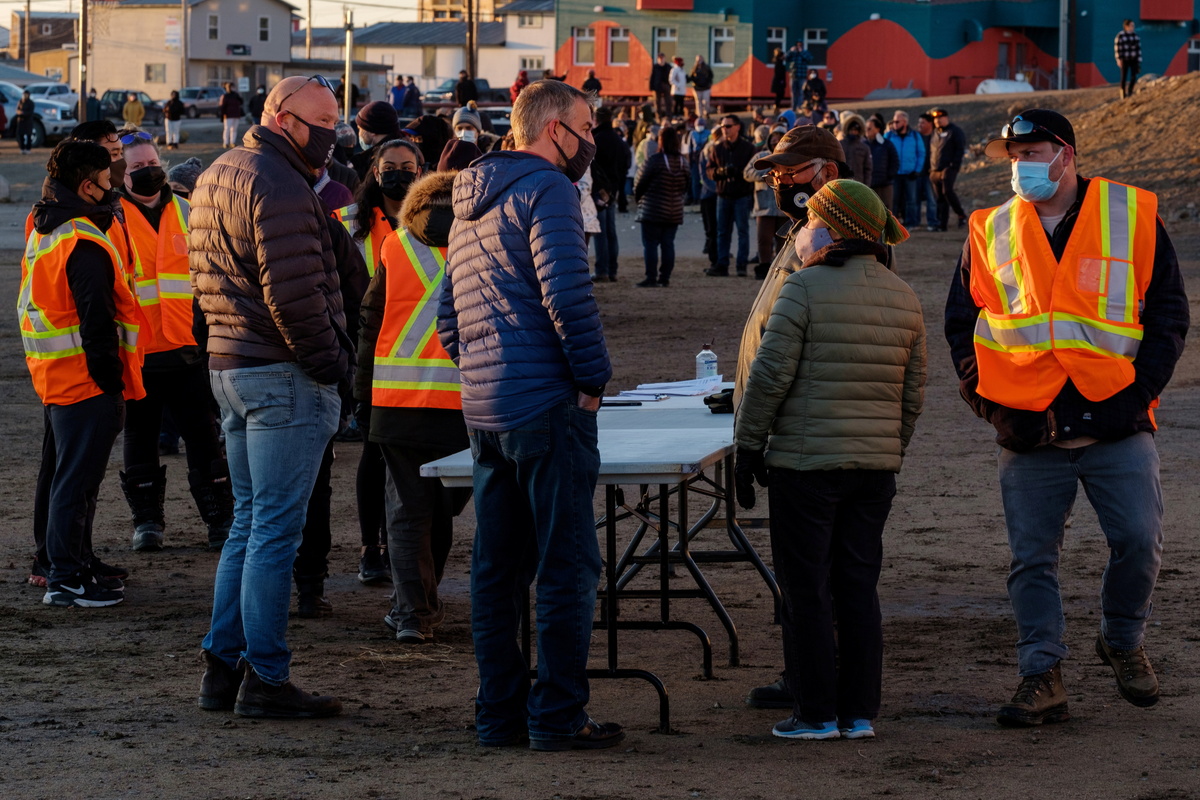
Water is a contentious issue for Liberal Prime Minister Justin Trudeau, who was first elected in 2015 with a promise to end all boil-water advisories within five years.
(Reporting by Moira Warburton in Vancouver; Editing by Sandra Maler)


.png?w=600)