OTTAWA/TORONTO (Reuters) - Canada's electronic spy agency said on Friday it was "very likely" that hackers will try to influence Canada's 2019 elections and it planned to advise political parties next week on how to guard against cyber threats.
The Communications Security Establishment (CSE) agency said it had not detected any nation-state attempts to interfere in prior Canadian elections but saw risk from hacktivists.

CSE said Canada's 2015 federal election, which brought Prime Minister Justin Trudeau's Liberals to power, was targeted by "low-sophistication cyber threat activity" that did not affect the outcome of the election, according to a report it released on Friday.
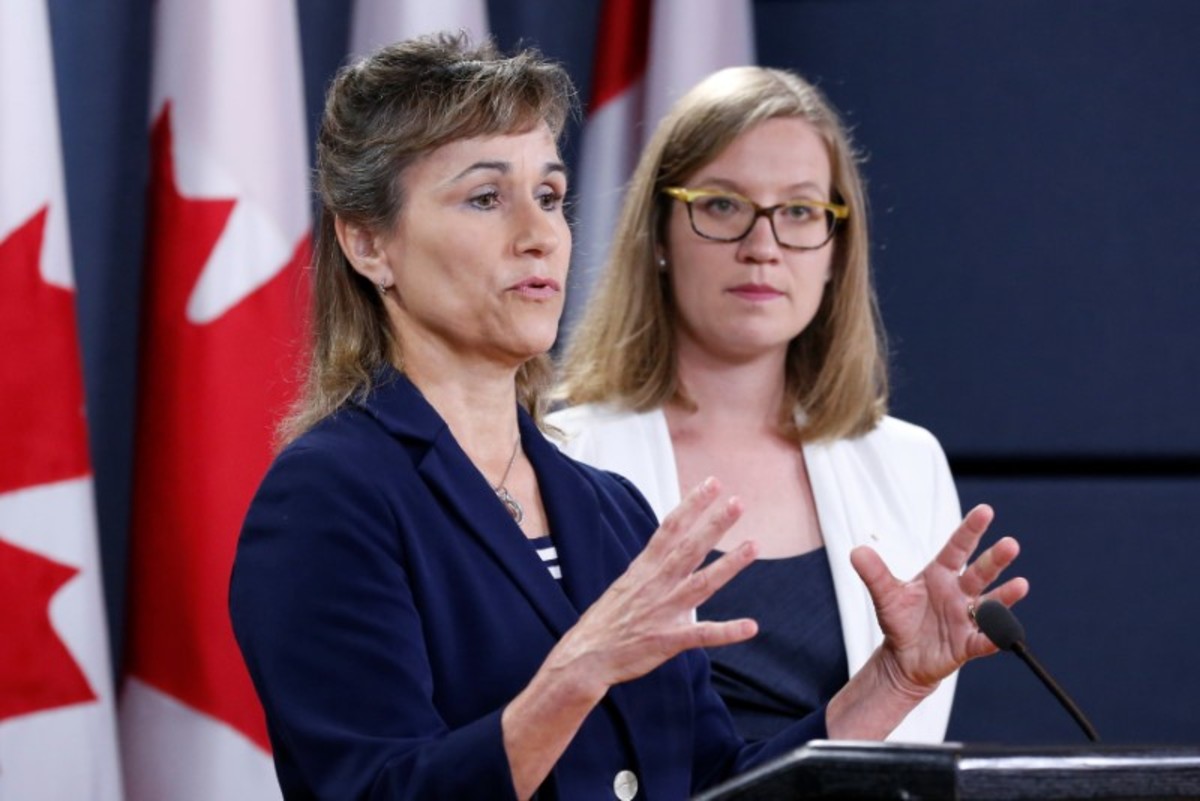
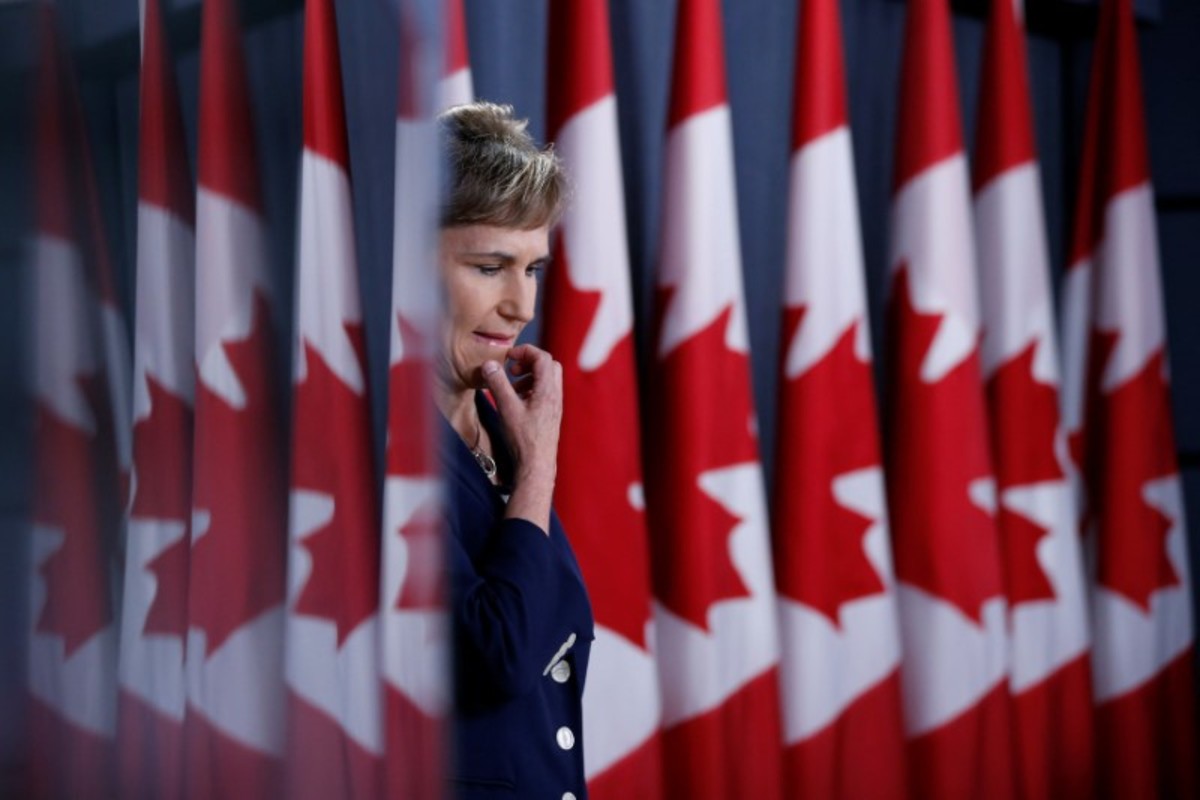
"CSE will be offering cyber advice and guidance to parliamentarians and to Canada's political parties," CSE chief Greta Bossenmaier told a news conference. "Cyber security is a team imperative; no one organization can go it alone," she added.
Worries about interference in democratic processes have come to the fore amid allegations of Russian meddling in the U.S. presidential election last November and the French election in May.

U.S. intelligence agencies concluded last year that Russia hacked and leaked Democratic Party emails as part of an effort to tilt the presidential election in favor of Donald Trump, something Russia denies.
A British intelligence agency in March told political parties to protect themselves against potential cyber attacks, while the French government in March dropped plans to let its citizens abroad vote electronically in this month's legislative elections because of concern about the risk of cyber attacks.
CSE said federal political parties, politicians and the media are more vulnerable to cyber threats than elections themselves, given that federal elections are largely paper-based.
Cyber security lawyer Imran Ahmed of Miller Thomson said engaging with political parties was "a good first step" but the spy agency should have already had a plan in place including expected standards for political parties to meet.
"We're two years away from 2019 and there's no timeline for what the next steps will be," he said.
CSE said it expects some hacktivist efforts in 2019 will be well-planned, with targets ranging from voter suppression and stealing party information to trying to discredit candidates.
(Reporting by Leah Schnurr in Ottawa and Alastair Sharp in Toronto; Editing by Phil Berlowitz)