Silver is prized for its brilliant shine and elegant appearance, but over time it naturally develops a dark coating known as tarnish. Tarnish forms when silver reacts with sulfur-containing compounds in the air, producing a thin layer of silver sulfide on the surface. Many household remedies claim to restore silver's shine, and one of the most common is the use of toothpaste. While toothpaste can sometimes make silver appear brighter, conservation experts generally advise that it should not be considered the preferred method for cleaning valuable silver items. This report examines how toothpaste works, its effectiveness, and the precautions recommended by professional organizations.
Why does Silver Tarnish?
Pure silver is relatively resistant to corrosion, but sterling silver—which contains about 92.5 per cent silver and 7.5 per cent other metals, usually copper—is more susceptible to tarnishing. Exposure to air pollution, humidity, certain foods, rubber, wool, cosmetics, and household chemicals accelerates the formation of tarnish. Although tarnish affects appearance, it usually does not damage the silver itself if removed correctly using appropriate cleaning methods.
READ ALSO: Fruit Fly problems: Homemade simple red wine vinegar trap and importance of prevention
How does Toothpaste Clean Silver?
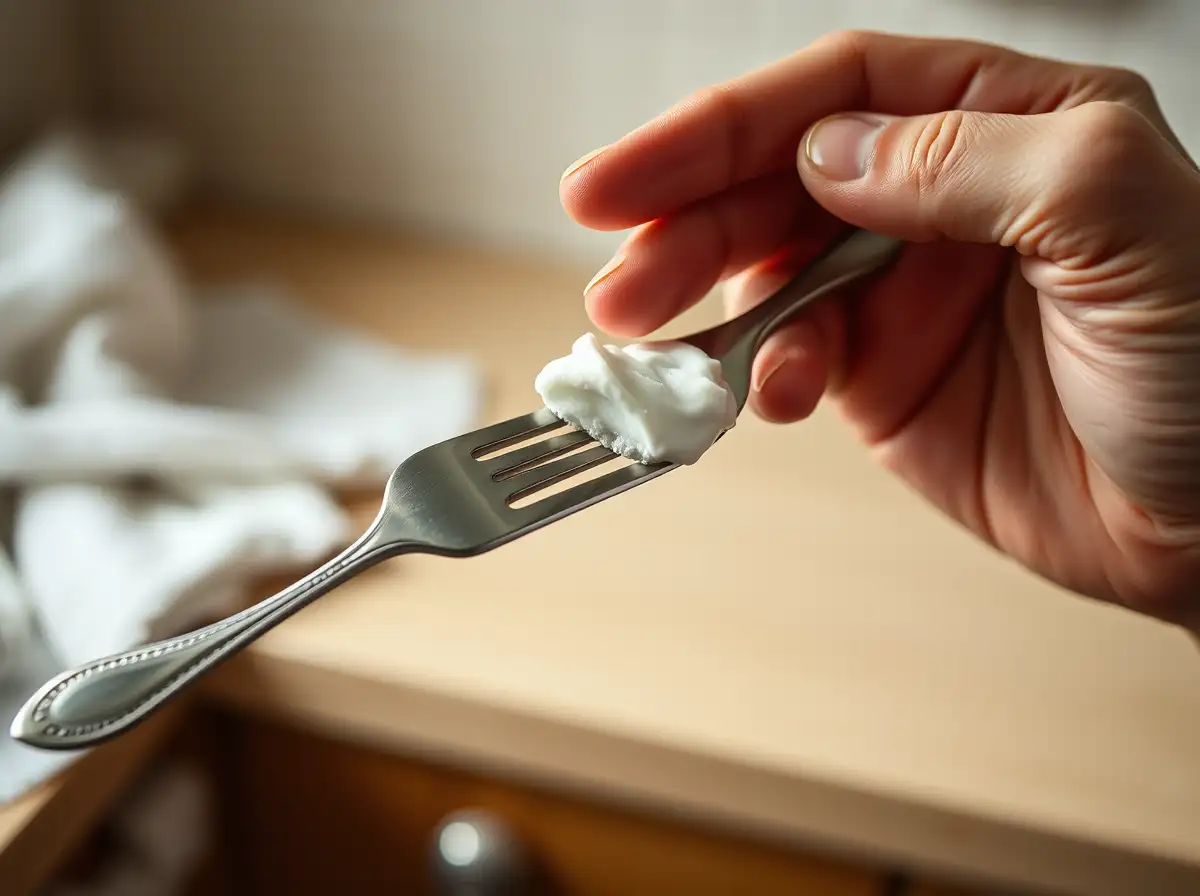
Toothpaste contains mild abrasive ingredients designed to remove plaque and surface stains from teeth. When rubbed onto tarnished silver with a soft cloth, these fine abrasive particles can remove part of the tarnish layer and restore some of the metal's shine. After polishing, rinsing thoroughly with clean water and drying with a soft cloth often leaves the silver looking brighter.
This explains why many people believe toothpaste "polishes silver beautifully." For lightly tarnished, inexpensive silver objects, the method may produce visible improvements in appearance.
Limitations of Using Toothpaste
Although toothpaste can polish silver, museums, conservation specialists, and silver-care experts generally discourage its routine use, especially for valuable antiques or heirloom pieces. The reason is that toothpaste is formulated for tooth enamel, not for precious metals.
Many toothpastes contain abrasive compounds that may leave fine scratches on polished silver surfaces. Repeated use can gradually wear away the surface, reducing the quality of highly polished finishes and potentially damaging intricate decorative details. Whitening toothpastes and products containing extra polishing agents are considered particularly unsuitable because they tend to be more abrasive.
Silver-plated objects require even greater care. Since they have only a thin outer layer of silver over another metal, excessive rubbing with abrasive materials can wear through the plating over time, permanently affecting the object's appearance.
Professional Recommendations
Conservation professionals recommend using products specifically formulated for silver cleaning instead of household abrasives. Commercial silver polishes are designed to remove tarnish while minimizing surface damage when used according to the manufacturer's instructions.
For routine maintenance, experts advise several preventive measures:
* Store silver in a cool, dry environment.
* Use anti-tarnish storage cloths or bags when possible.
* Avoid prolonged exposure to humidity and sulfur-containing materials.
* Clean fingerprints from silver after handling, as skin oils can contribute to tarnishing.
* Polish only when necessary rather than excessively.
These practices help preserve silver's appearance while reducing the need for aggressive cleaning.
Safe Cleaning Practices
If toothpaste is used despite professional recommendations, certain precautions can reduce the risk of damage. Only a plain, non-gel toothpaste without whitening crystals or baking-soda abrasives should be considered. A soft microfiber cloth or cotton cloth should be used instead of rough materials or stiff brushes. Gentle pressure is essential, as vigorous scrubbing increases the likelihood of scratches. After cleaning, the silver should be rinsed thoroughly to remove any residue and dried immediately with a soft cloth.
Before applying toothpaste to an entire object, it is wise to test it on a small, inconspicuous area to check for unwanted effects.
Better Alternatives
For most silver items, safer alternatives are available. Soft polishing cloths designed specifically for silver are widely recommended for light tarnish. For heavier tarnish, high-quality silver-cleaning products provide more controlled and effective cleaning.
Professional conservators should clean valuable antiques, museum-quality objects, and silver with historical significance. Improper household cleaning methods may reduce both aesthetic and monetary value.