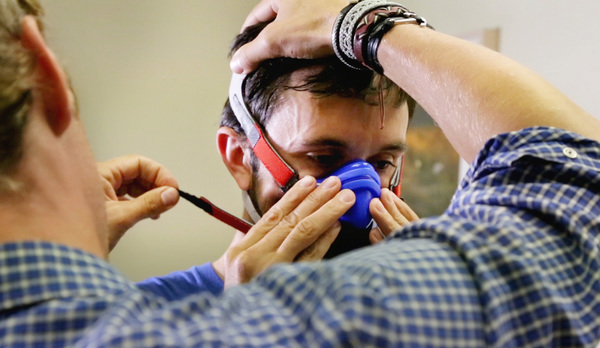
The Stanford campus is filled with sparkling architecture and gorgeous views. Exam room 10 in the Heart Clinic, on the second floor of the medical center, is not one of them.
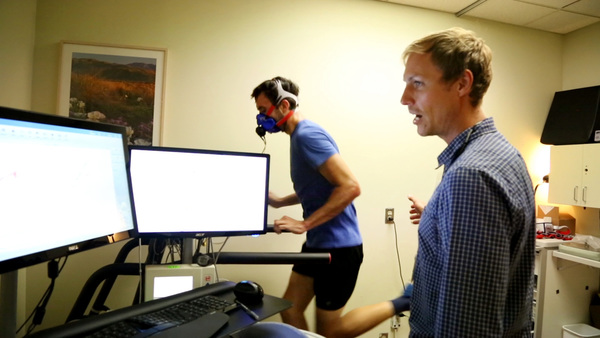
The room is small and spartan, with beige walls pleading for a makeover and a treadmill occupying the right side.
Unremarkable in appearance, this Trackmaster TMX425 has the same display and settings as those found in gyms and hotel fitness centers. Its purpose, however, is anything but typical.
The TMX425 is the whirring heart of a five-year-old Stanford study into extreme athletic performance that researchers hope could lead to medical advances that would change the world.
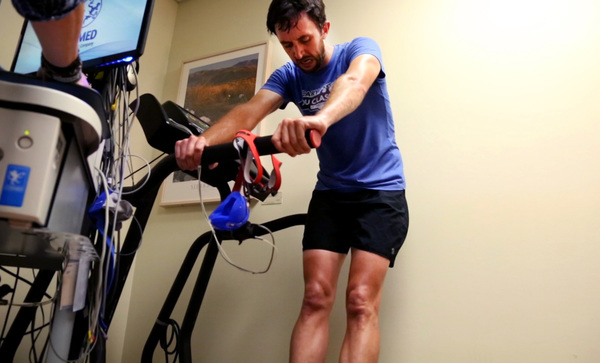
In exam room 10, and at partner clinics across the globe, test subjects undergo an impossibly difficult treadmill test designed to identify athletes with freakishly high cardiovascular efficiency. If the score meets the study's otherworldly threshold, the athlete's DNA is sampled and sequenced.
"There's a broader implication of studying the extreme," said Dr. Euan Ashley, a Stanford cardiologist who directs the project. "They have something to say that's relevant for everyone."
Once the DNA is sequenced, researchers on the ELITE project _ the name is an acronym for Exercise at the Limit: Inherited Traits of Endurance _ sift through the genetic data.
By comparing the results from approximately 800 athletes around the globe, the ELITE team hopes to pinpoint a handful of genetic mutations responsible for the superhuman heart-pumping power.
At that point, drugs could be manufactured to mimic the beneficial mutations and, eventually, rid the world of the killer of killers:
Heart disease.
"Some people have certain genes that allow them to do things better than other people, like build muscle or use energy," said Dr. Byron K. Lee, a cardiologist and electrophysiologist at UCSF Medical Center who is not affiliated with the ELITE study.
"If we understand what genes make elite athletes, we could turn them on in people who are sick. It's not too far-fetched. It could work, and it's potentially ground-breaking."