
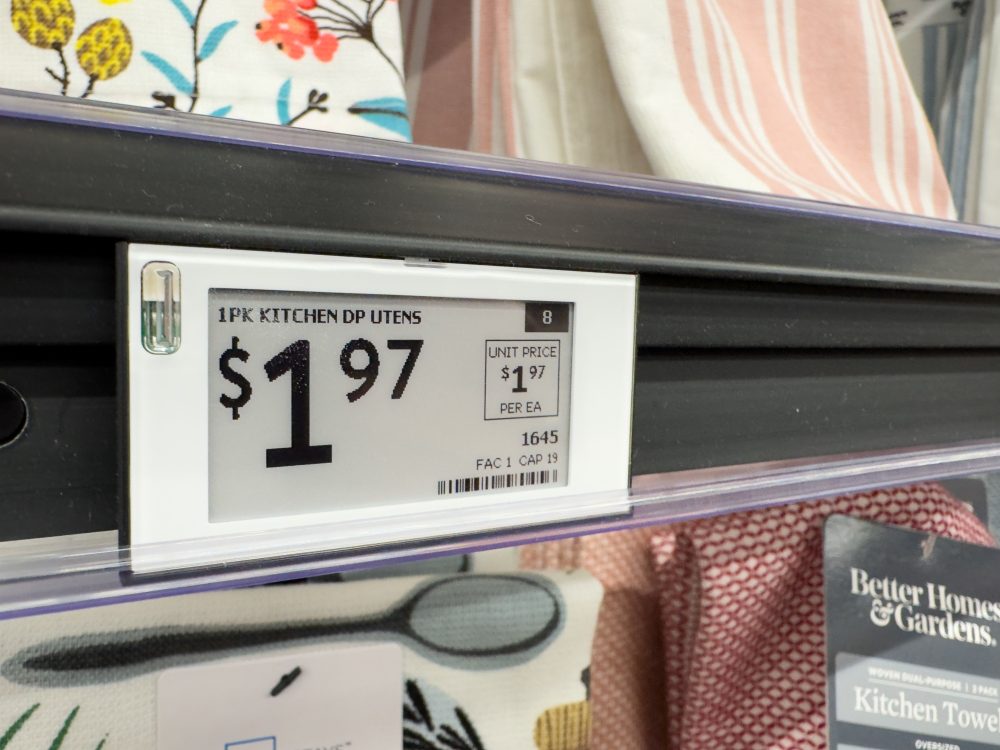
The era of the paper price sticker is quietly ending. In late 2025, retailers like Walmart, Kroger, and Aldi have aggressively replaced traditional shelf tags with Electronic Shelf Labels (ESLs). These digital screens promise efficiency, allowing stores to update prices instantly without the labor of manually swapping paper tags. However, for the coupon-savvy shopper, this technology introduces a new, invisible threat. The ability to change prices in real-time opens the door to dynamic pricing strategies that can erode the value of coupons and hide inflation in plain sight.
The Mechanics of Dynamic Pricing
Paper tags provided a guarantee: the price you saw at 9:00 AM was the same price you saw at 6:00 PM. ESLs remove that stability. They allow retailers to implement “dynamic” or “surge” pricing models similar to ride-sharing apps. A store can theoretically raise the price of cold brew coffee by fifty cents during the morning rush or hike the price of ice cream on a hot afternoon. For coupon users, this is dangerous. If you have a coupon for “$1.00 Off,” but the store raises the base price by fifty cents just before you arrive, your savings are effectively cut in half without you ever realizing it.
The “Coupon Gap” Problem
The disconnect between the digital coupon in your app and the digital price on the shelf is becoming a major friction point. In a traditional system, the shelf price was static. Now, there can be a lag between the price displayed on the ESL and the price your app recognizes as the “base.” You might clip a digital deal expecting a specific final price, only to find that the shelf price has surged due to local demand, rendering the math in your head incorrect. The coupon still works, but it is discounting a higher starting number, neutralizing the deal.
Vanishing Clearance
One of the best ways to save money is hunting for clearance stickers—the neon yellow tags indicating an item is about to expire. ESLs change this dynamic entirely. Instead of a physical sticker that stays on the product until it sells, an ESL can flash a “30% Off” sale for two hours and then revert to full price if the system detects that inventory is moving fast enough. The “treasure hunt” for clearance is no longer a static event; it is a moving target that can disappear while you are walking down the aisle.
The Personalization Paradox
The next evolution of ESL technology involves personalization. Industry insiders warn of a future where shelf labels interact with the shopper’s phone. As you walk by, the tag could display a price specific to you, based on your loyalty status or purchase history. While this sounds convenient, it makes price comparison impossible. You cannot know if you are getting a good deal if the person standing next to you sees a completely different number. It turns pricing into a black box where the retailer holds all the cards.
Hidden Intraday Inflation
Inflation usually happens in obvious jumps. A box of cereal goes from $4.99 to $5.49, and it stays there. ESLs allow for “micro-inflation.” A retailer can inch prices up by a few cents during peak hours and lower them during slow times. These small, intraday fluctuations are hard to track and impossible to prove without a paper trail. Over a year, these tiny, hidden spikes during your regular shopping time can add a high cost to your grocery bill without a single official “price hike” announcement.
Protecting Your Wallet
In an ESL world, your phone is your only defense. You must rely on the store’s app to verify the current price before you grab the item. Taking screenshots of digital coupons and their terms is essential in case of a dispute at the register. The visual guarantee of the paper tag is gone, meaning the savvy shopper must be more vigilant than ever to ensure that the price on the shelf matches the price on the receipt.
Are you suspicious of digital price tags? Have you ever noticed a price change while you were in the store? Let us know your experience!
What to Read Next
10 Smart Ways Middle-Class Shoppers Are Fighting Back Against Grocery Inflation
How “Smart Carts” Could Become Retail’s New Surveillance Tool
13 Sale Tags That Mislead Even Smart Shoppers
8 Pantry Staples Every Smart Shopper Buys in Bulk
6 Common Household Items That Are Now “Smart” But Less Reliable
The post Can Smart Shelf Labels Hide Price Spikes From Coupon Users? appeared first on Grocery Coupon Guide.