ITV’s remarkable post-recession turnaround may have made it a stock market star, but a lack of stardust on-screen is threatening to overshadow the revival as the broadcaster struggles to arrest a ratings slump.
ITV chief executive Adam Crozier moved to reassure shareholders last week that reversing a 6% drop in audience share on its main channel in the first quarter, and 3% across its network of channels, would be a major priority.
It is becoming an all too familiar refrain. Last year he promised a similar improvement, citing a schedule of winners including the return of hit Broadchurch, which did reasonably well but still failed to stop ITV falling to its worst January ratings on record.
By the time Crozier addresses investors at next year’s annual meeting, ITV will have said goodbye to mega-hit Downton Abbey, its most popular drama, and seen big rating Champions League football depart for BT.
“This time last year they stood up and said audience share was weak and that they would fix it, and they didn’t,” says Sarah Simon, media analyst at Berenberg. “They have relied heavily on banker shows, stuff made by [Simon Cowell’s] Syco [X Factor, Britain’s Got Talent] and other stuff, like Downton Abbey, has got a bit long in the tooth. And despite their big name hirings the breakfast slot hasn’t improved.”
While BGT continues to go from strength to strength, The X Factor has been hit by viewer fatigue – this year’s new-look show will be its 12th season – and the lifespan of the format is once again under scrutiny after last week’s move by Fox to call time on American Idol after 15 seasons.
ITV has not managed to plug the ratings hole, with a number of shows including Get Your Act Together, Planet’s Got Talent and Harry Hill’s take on Stars in Their Eyes failing to ignite the prime time weekend schedule.
The broadcaster’s problems have been exacerbated by a run of poorly rating factual shows, including former Countryfile presenter Julia Bradbury’s Wonder of Britain.
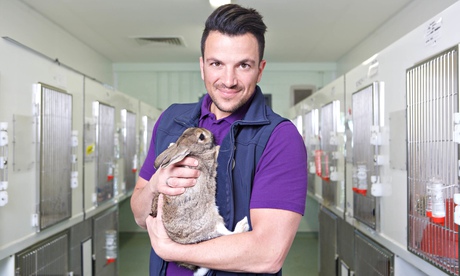
And its new midweek line-up, which includes Amanda Holden’s Give a Pet a Home and puppet show Newzoids, has had a lukewarm reception.
Little wonder ITV director of television Peter Fincham has met with Jeremy Clarkson and his former Top Gear colleagues. The show was BBC2’s biggest hit, consistently attracting more than 5 million viewers. A rebranded version would come with a legion of fans both home and abroad.
“The fall in viewing share is a reflection that everyone is raising their game,” says Dawn Airey, a former top executive at ITV, Sky and Channel 5, who now runs Yahoo’s European operation. “The truth is Sky is far stronger, BT is getting its act together. If ITV is down it means someone else has picked up share. TV is a great place at the moment full of unbelieveable choice, platforms like Netflix are growing like Topsy.”
ITV says that there is no ratings crisis, arguing the Rugby World Cup this autumn will draw sizeable audiences attractive to advertisers, albeit not on the scale football would bring.
And there are a slew of high-profile dramas – a genre Crozier has made a top priority – on the way including a Jekyll and Hyde adaptation starring Richard E Grant, a 13-part Beowulf, based on the Old English epic of monsters and heroes, which may draw Game of Thrones fans, and a new Thunderbirds Are Go!.
In financial terms ITV is in rude health. Its production operation ITV Studios continues to perform strongly, it has just acquired The Voice maker Talpa, and TV ad revenues are up.
In March, Crozier was able to announce a £250m special dividend on the back of a pre-tax profit of £712m last year, so does it really matter that the ratings are in bad shape?
Berenberg’s Simon says that the US market offers a cautionary tale to UK TV broadcasters. The combination there of falling TV audiences with the emergence of tools such as programmatic advertising – computerised systems that make it much easier for an advertiser to buy ad space across digital media – and an explosion in video consumption made for a perfect storm for traditional broadcasters.
“Is there a problem? I think there is a recipe for a problem,” she says. “The shift of ad budgets from television to online video is still pretty nascent in the UK. Audience share weakness renders ITV vulnerable to advertisers saying they will test out their budgets elsewhere. That is what drove the change in the US. ITV needs to deliver great ratings to make it less tempting for advertisers to move their budgets.”
The broadcaster has been growing viewing on online TV service ITV Player, with the number of shows viewed rising 44% year-on-year in the first quarter to 225m. But the ad revenues from the service are small. ITV’s broadcast and online division made £530m in revenues in the first quarter, with £435m coming from traditional TV ads. This means just £95m came from areas including pay-TV channel revenues from ITV Encore, online ads on ITV Player and sponsorship.
Simon says that the 5.6% year-on-year growth rate in those revenues in the first quarter was the slowest since 2012.
ITV may be facing the pressure of transitioning its business to cope with changing new age media consumption habits, but the answer to its problems couldn’t be more old school.
“I don’t think that ITV is going through a blue patch,” says Airey. “All it needs is one or two breakthrough hits and it will be back on track”. Easier said than done.