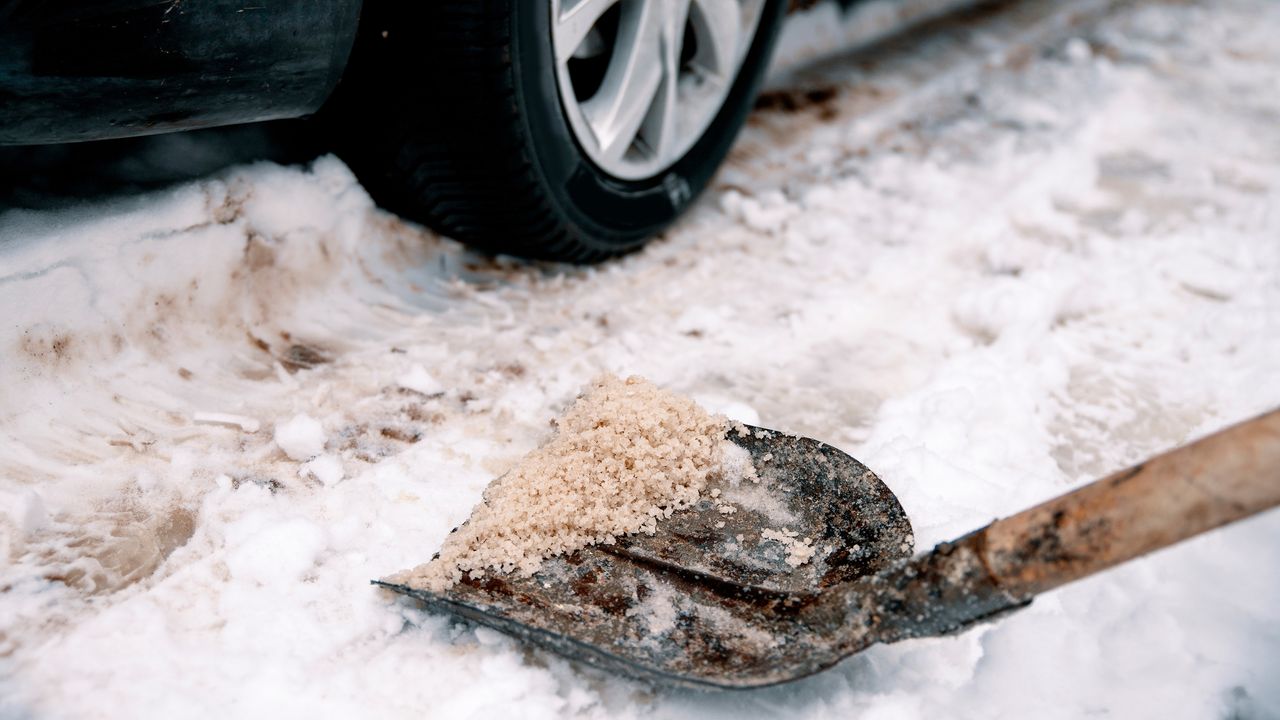
With the onset of arctic temperatures and NBC News reporting cold temperatures and winter storm systems continuing to sweep across the U.S., it’s very likely that you’ll be waking up to find a yard piled with ice, or a driveway that’s tricky to navigate.
And if you’re unprepared for the cold blast and haven’t got your usual supply of road salt to hand, you could be asking yourself, "Can I use table salt to de-ice a driveway?"
Can you use table salt to de-ice a driveway?
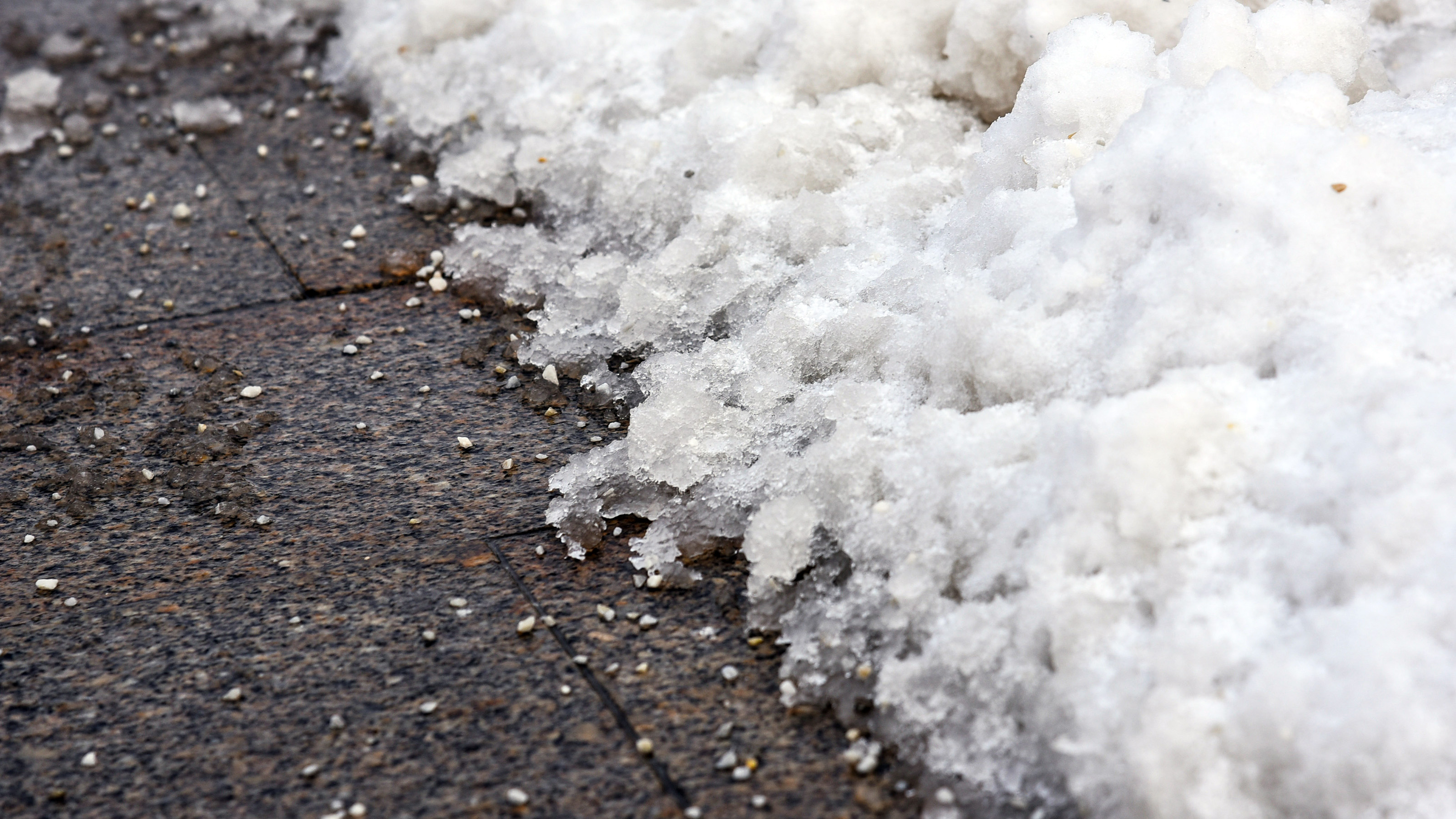
Table salt works effectively at around 15°F, but becomes increasing less efficient when the temperature drops
According to Standish Milling, you can use table salt to melt ice on a driveway, but it’s not as effective as using commercial salts when the temperature goes below freezing point, as it won’t work at such low temperatures.
Table salt works effectively at around 15°F, but becomes increasingly less efficient when the temperature drops, whereas a commercial snow and ice melt can deal with colder climes.
You’ll also have another problem:, if you’re using standard table salt from your pantry, it’s very likely that you won’t have enough to cover your driveway to clear it completely. Plus, it is much more expensive to use for large areas, as it’s sold in small food-grade quantities.
Standish Milling also advises that table salt turns ice into slush that needs to be shovelled, whereas commercial products can break ice into movable chunks.
So, if you get caught out this winter, you can use table salt to melt your driveway and paths, but it’s not the ideal solution to use all the time. And you'll still need to use a snow pusher to remove the icy sludge once the salt has done its job.
How does salt work to remove ice?
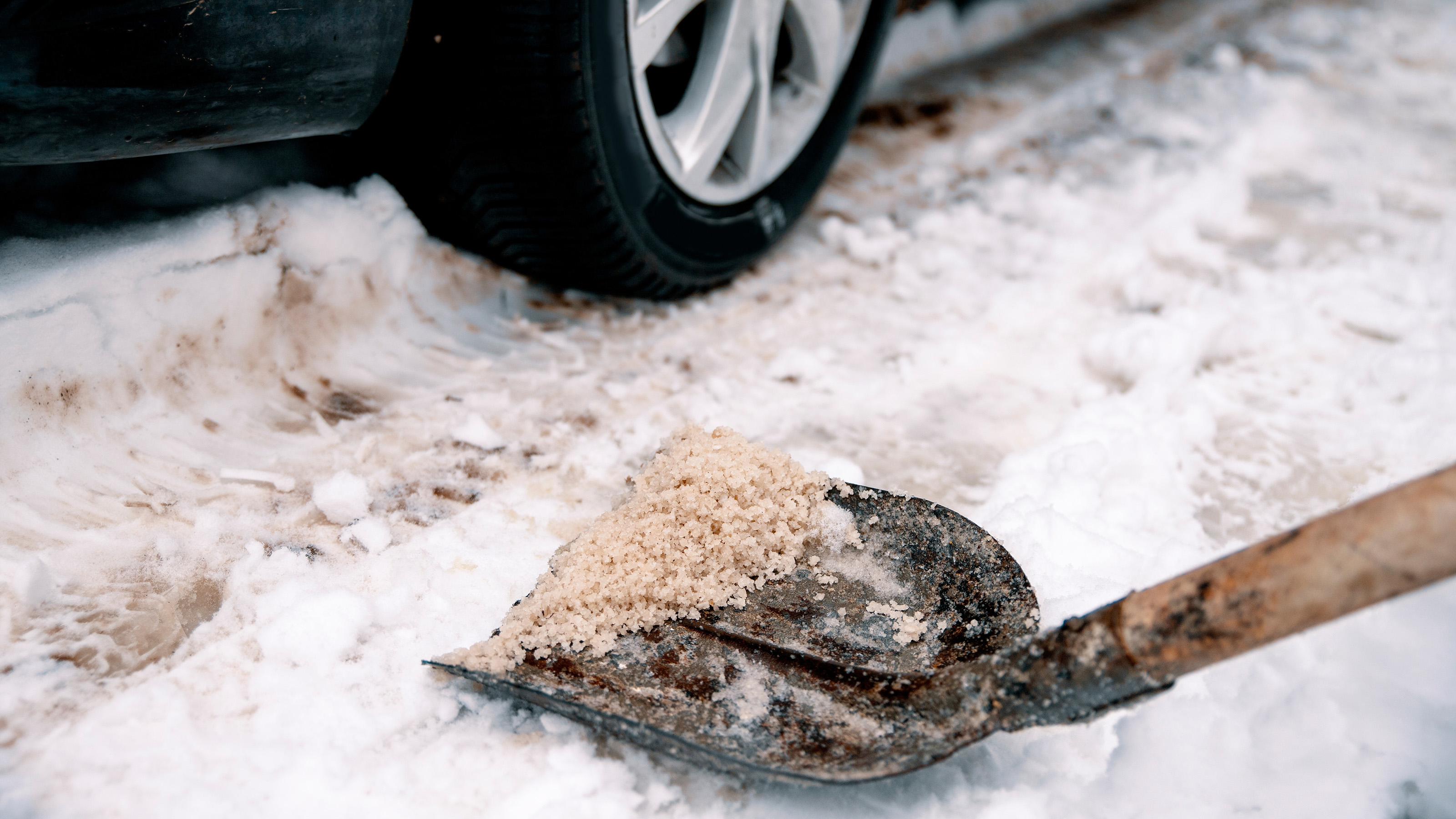
It’s good to understand how salt works to melt ice, and why it’s the regular solution used on roads, pathways and driveways to keep them safe.
It works by making water less likely to freeze — known as freezing-point depression.
“It basically disrupts the crystal structure that forms in the freezing of the ice,” says Julie Pollock, a chemist at the University of Richmond, as quoted in Scientific American.
Scientific American goes on to explain, “This power comes from the way salt dissolves in water and breaks down into ions: in the case of simple rock salt, which is a rawer, less pure version of table salt, each molecule splits into one ion each of sodium and chloride.
“When a high concentration of salt is mixed with ice, the latter melts and forms a salt brine solution, which spreads and speeds up the overall melting process,” states Standish Milling.
However, commercial salt works at lower temperatures than table salt, which makes it more effective.
When to salt your driveway
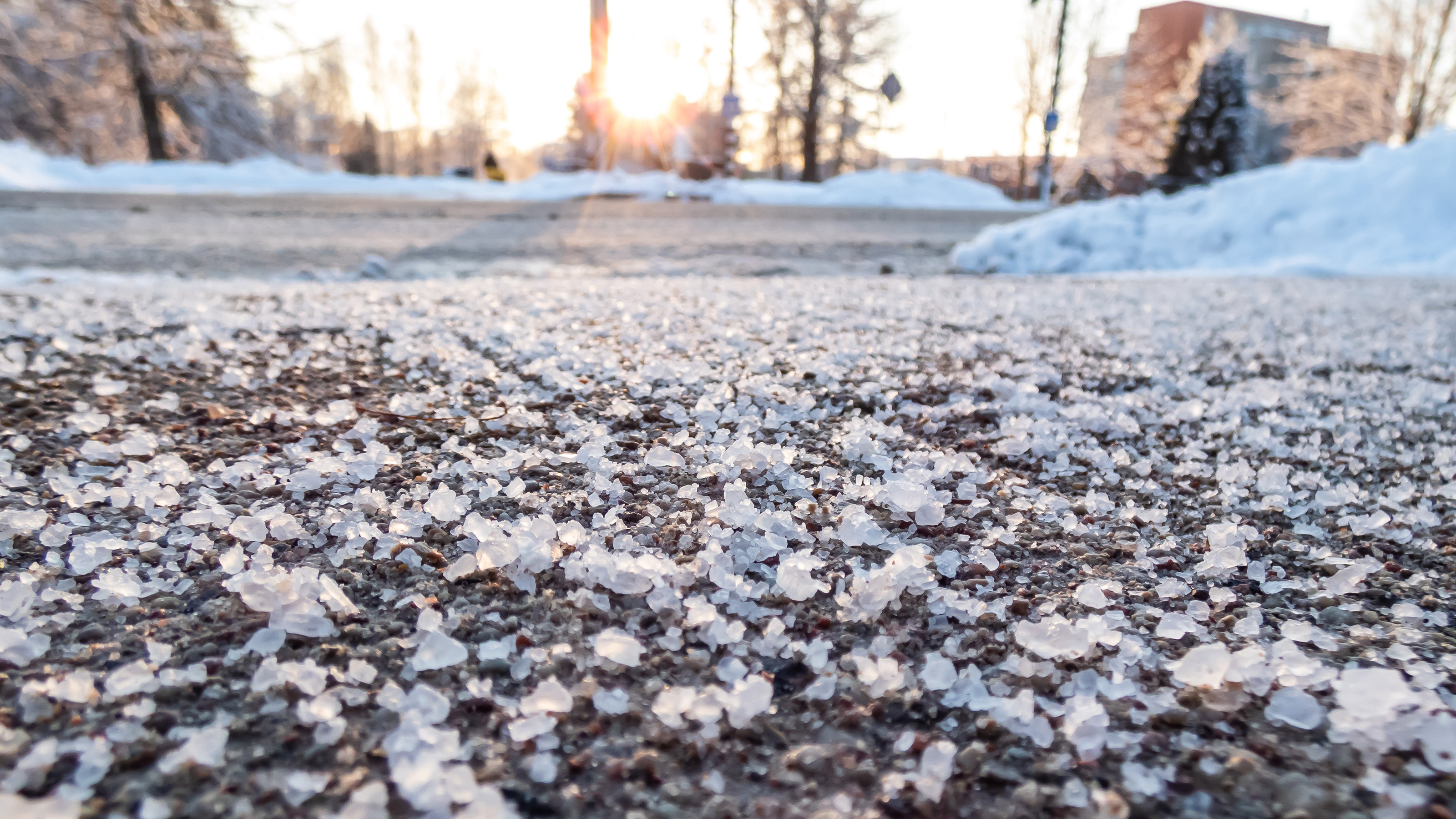
When the weather takes a dip in temperature, it’s best to keep a close eye on the forecast and salt your driveway before a heavy snowfall. This allows the salt to work into any existing ice layers, preventing the top layer of snow from freezing.

Follow Tom's Guide on Google News and add us as a preferred source to get our up-to-date news, analysis, and reviews in your feeds.