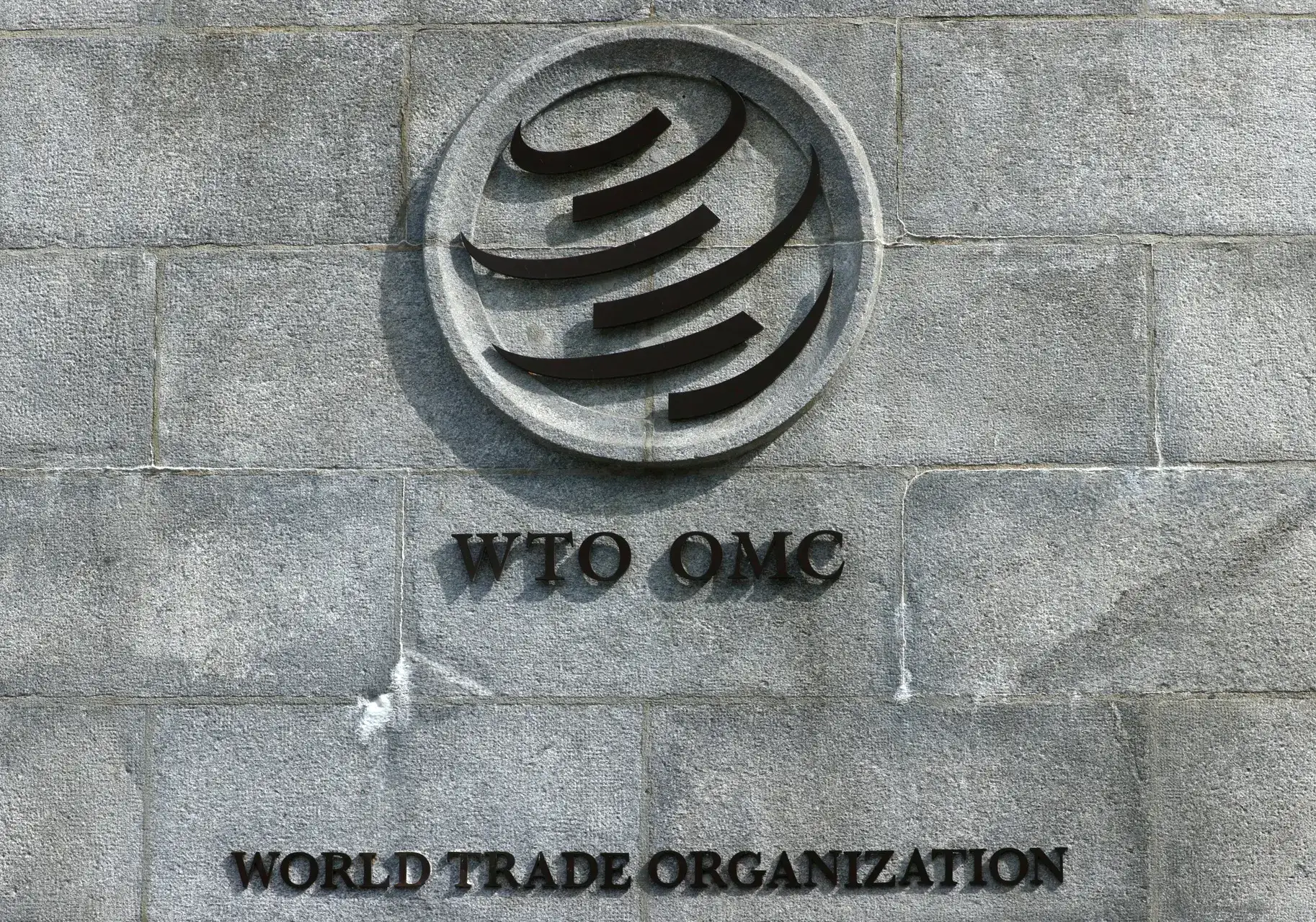
The multilateral trading system is facing a profound crisis of legitimacy. For much of the late twentieth and early twenty-first centuries, the World Trade Organization (WTO) functioned as the central pillar of global commerce, offering a rules-based framework that promised neutrality, predictability, and fairness. Today, however, that promise appears increasingly fragile. The erosion of trust in the WTO is not the result of a single failure, but rather the cumulative effect of structural imbalances, uneven enforcement, and the changing dynamics of global economic power.
At the heart of this crisis lies the hyper-concentration of global production and the persistence of predatory trade practices. Over time, supply chains have become deeply interdependent yet unevenly distributed, with a handful of dominant economies exercising disproportionate control over critical sectors. While this concentration has made global supply chains more efficient in some instances, it also significantly made them more vulnerable. Disruptions—whether geopolitical, economic, or environmental—now carry systemic consequences. As a result, supply-chain fragility is no longer viewed merely as an economic concern; it is increasingly framed as a matter of national security and economic survival.
This shift in perception has triggered a wave of policy responses that challenge the foundational principles of multilateralism. Countries are turning toward protectionist measures, aggressive industrial policies, and export controls designed to safeguard domestic interests. While such strategies may yield short-term resilience, they often undermine the cooperative spirit and legal framework of the WTO. The growing use of technological chokepoints, control over critical supply chains, and market access as instruments of geopolitical leverage signals a broader transformation: trade is no longer just about economic exchange, but also about strategic power.
A widely held view among WTO members is that the organization’s inability to hold major economies accountable to their commitments has contributed significantly to the present state of affairs. When rules are applied unevenly or enforcement mechanisms falter, confidence in the system erodes. For many countries, particularly in the Global South, this has reinforced perceptions that the WTO no longer functions as an impartial arbiter. Instead, it is seen as an institution struggling to adapt to the realities of a rapidly evolving global economy.
In this context, restoring the WTO’s credibility has become the central objective of reform efforts. Though there is a broad consensus amongst members on the need for WTO reform, yet there is little convergence on how to achieve it. Debates over the structure and substance of reform have become increasingly contentious. At the Ministerial Conference in Yaoundé, members reaffirmed their commitment to the WTO’s foundational principles, including non-discrimination, transparency, inclusivity, and consensus-based decision-making. These principles have long distinguished the WTO from other international institutions, ensuring that all members, regardless of size or economic power, have a voice in shaping global trade rules. However, the practical application of these principles has come under strain, particularly in discussions surrounding plurilateral agreements. These agreements, negotiated among subsets of WTO members, are seen by many—especially in the Global North—as a pragmatic solution to the challenges of consensus-based rulemaking.
In a membership characterized by vast disparities in development levels and national priorities, achieving unanimity on complex issues has become increasingly difficult. Plurilateral agreements offer a way to move forward, allowing willing participants to establish new rules without being held back by those not ready to commit, as the system existed in the GATT,1947 (General Agreement on Tariffs and Trade), prior to the WTO.
India’s stance on this issue reflects a careful balancing act. While acknowledging the potential of plurilateral agreements to advance rulemaking, India has consistently called for robust safeguards to ensure that such arrangements do not undermine the multilateral system. Plurilaterals must not bypass core WTO principles, dilute existing mandates, or disadvantage non-participating members. Instead, they should complement, rather than replace, the multilateral framework. India advocates for a comprehensive and systematic approach to integrating plurilateral agreements into the WTO architecture, rather than an ad hoc, agreement-by-agreement model.
Another critical dimension of the reform debate relates to the organization’s failure to deliver on past mandates. This remains a major source of dissatisfaction for many developing countries. These unfulfilled commitments—spanning areas such as agriculture, development, and special treatment provisions—represent not just gaps in rulemaking, but also missed opportunities to address longstanding inequities in the global trading system.
Agriculture, in particular, illustrates the depth of these imbalances. Developed countries continue to retain significant flexibility in providing subsidies to their agricultural sectors, enabling their farmers to remain competitive in global markets. At the same time, developing countries face constraints on the types and levels of support they can offer to their own farmers. This asymmetry perpetuates structural disadvantages, undermining the livelihoods of millions in the Global South and distorting global trade flows.
Beyond agriculture, there is a growing demand for more equitable frameworks governing technology transfer and capacity building. In an era defined by rapid technological advancement, access to knowledge, and innovation and know-how has become a key determinant of economic development. Yet, existing rules often reinforce existing hierarchies, limiting the ability of developing countries to move up the value chain. Addressing these disparities is essential for creating a more inclusive and balanced trading system.
The debate over Special and Differential Treatment (S&DT) further underscores the complexities of WTO reform. Originally designed to provide developing least developing and developing countries with a non-reciprocal market access and greater flexibility in implementing trade commitments, S&DT has become a contentious issue. Some developed countries argue that the current system of self-designation allows relatively advanced economies to continue benefiting from provisions intended for less developed nations. India acknowledges these concerns but cautions against simplistic solutions based on arbitrary metrics such as aggregate economic size.
Instead, the focus should be on ensuring that S&DT remains an effective tool for addressing genuine developmental needs. This requires a more nuanced approach—one that recognizes the diversity of economic conditions within the developing world and tailors flexibilities accordingly. This issue is further complicated by the fact that many of the developed countries continue to enjoy, what is sometimes called reverse S&DT, in agriculture in terms of subsidy entitlements. Ultimately, the future of the multilateral trading system depends on the ability of its members to reconcile competing interests and rebuild trust in shared institutions. The challenges are formidable, but the stakes are too high to ignore. A weakened WTO risks giving way to a fragmented global economy defined by unilateralism and power-based bargaining. Conversely, a reformed and revitalized WTO has the potential to anchor a more resilient, inclusive, and cooperative global order.
India’s broader trade strategy combines engagement in multilateral forums with the pursuit of bilateral and regional agreements. As trade policy becomes increasingly complex—encompassing regulatory standards, digital governance, and supply-chain integration—free trade agreements (FTAs) among like-minded partners have emerged as important tools for deeper economic integration. However, India’s constructive engagement in ongoing reform discussions reflects a recognition of both the urgency and the complexity of this task. By advocating for balanced, inclusive, and forward-looking reforms, India seeks to ensure that the WTO remains relevant in a rapidly changing world—an institution capable not only of managing trade, but of shaping a more equitable global economic future. More than anything else, WTO provides certainty, predictability, inclusivity, equity and simplicity to businesses, i.e., rules-based trading order.