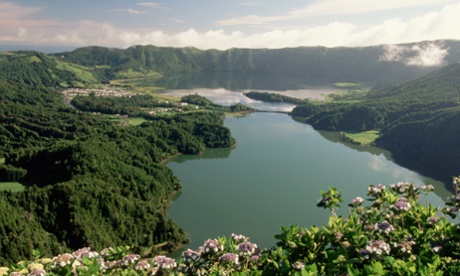
The idea of net positive has been around for a while. Simply put, it requires businesses to have more positive impacts than they do negative. In other words, the wellbeing of communities, society and the environment should be better because of their existence.
That’s a tough ask for a company and there seems little agreement on how net positive works in practice. How impacts are measured and managed and how any company can prove it’s successfully becoming net positive are still up for discussion.
The likes of Kingfisher and Coca-Cola have been early champions of embedding net positive into their business model, albeit only for certain areas of operation such as forests and water. Is this enough?
And which companies get to strive for the net positive label? More controversial companies are getting in on the act. Gambling company Caesars Entertainment, for example, has laid out a plethora of community, social and environmental goals – from recycling and repurposing to turning off the lights – as part of its aim to be a “good corporate citizen”. But when it’s core business rests on gambling, with all the social problems this can entail – some question whether it could ever be net positive for wellbeing.
When it comes to wellbeing, can businesses genuinely become net positive or is it always a matter of trade offs?
Join the live chat
Join a panel of experts on Thursday 18 June, 1-2pm BST in the comments section of this page where they’ll be taking questions on the topic. Questions we’ll explore will include:
• Is there enough agreement as to what net positive means and how it can be measured?
• Is it enough for businesses to be net positive in one aspect, for example, water or forests? Or should it cross their entire operation?
• Can more controversial businesses – for example alcohol or gambling businesses –have a net positive impact?
• Is negative impact worth paying the price for if companies enhance the wellbeing of their workers, customers and communities?
• Should a company’s net positive impact be directly reflected in the benefits delivered by its core products and services?
On the panel
Steve Downing, director, Henley Centre for Sustainable Enterprise, Reading University
Dax Lovegrove, director of sustainability and innovation, Kingfisher
Solitaire Townsend, co-founder, Futerra
Sally Uren, chief executive, Forum for the Future
Gabi Zedlmeyer, VP and chief progress officer, HP
Leave a question
You can submit questions for the panel in advance using the form below or tweeting them to @GuardianSustBiz using #askGSB.