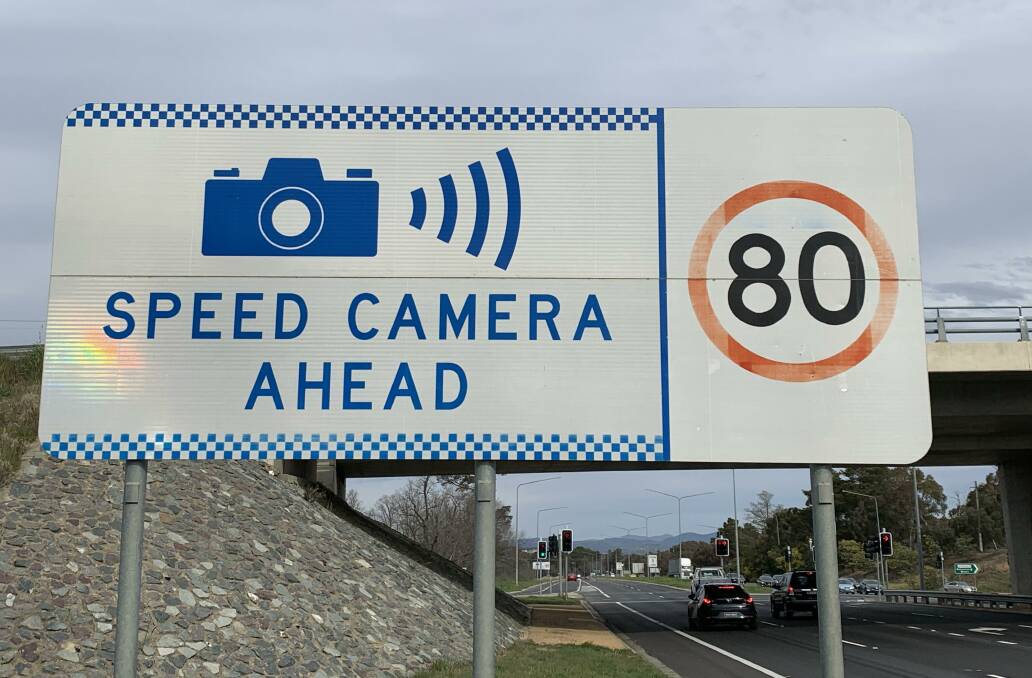
Fixed traffic cameras across the ACT recorded a massive 239 per cent spike in low level speeding infringements across the territory during August.
Infringement notices automatically issued by the ACT's Gatso fixed cameras for offences below 15km/h rose from 2249 in August 2020 to 7640 this year.
And despite a significant fall in daily traffic volumes - estimated by police at around half the usual number of vehicles - there have been 4440 people caught speeding by the newly calibrated cameras in Canberra's city centre and its new 40 km/h speed limit, since the lockdown started.
August's massive leap in speeding numbers, bringing with it hundreds of thousands of dollars in revenue for the ACT government, comes as the territory enters its fifth week of lockdown, and with it changes in driver behaviour which are troubling for police.
ACT accident investigation specialist Detective Sergeant Stephen Booth said that the speed increases seen in the ACT are a concern because speeding is an irrefutable contributor to road trauma.
"Unfortunately, this speeding behaviour wasn't unexpected," he said.
"We saw the same thing last year during lockdown; globally last year traffic volumes were down 50-60-70 per cent in some cases, and yet road trauma didn't change.
"People who are inclined to speed see the clear roads, the wide, open, good quality roads we have in Canberra, and they get too heavy with their right foot.
"The fixed cameras are signposted, they have been there for years and yet for some reason, people are still speeding through them.
"Maybe it's complacency, maybe it's laziness. It's hard to explain. But it is inexcusable."
Higher recorded speed infringements on the cameras - between 15 - 30km/h - were fewer, but still double the number recorded in August 2020. Very high speeds recorded - those over 45km/h - were much the same number.
Low level infringements generated by the ACT's fleet of mobile traffic camera vans, which patrol the known black spots and identified speeding zones around the suburbs, fell by 57 per cent for August. A response was sought from the government as to whether mobile van deployment had decreased over the period.
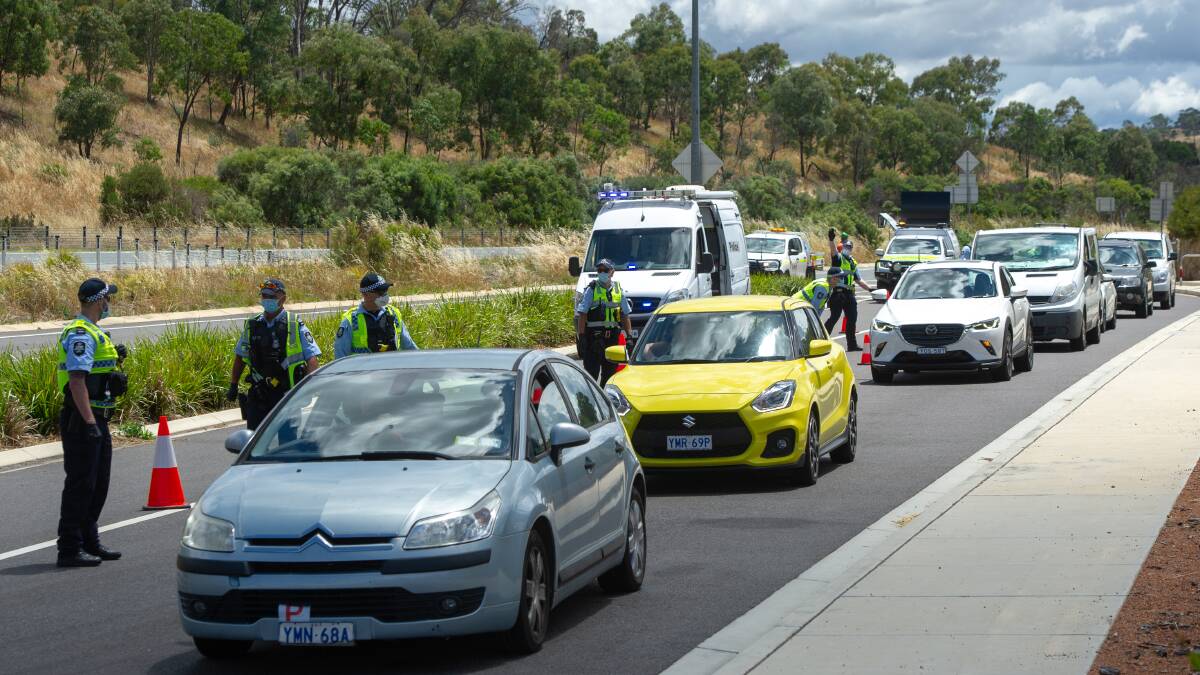
Police, too, are catching fewer speeding motorists during lockdown as much of their specialised Road Policing officers have been swung into border checks, with over 4000 roadside checks in the past week.
During August speeding infringements issued separately by ACT police last month fell to double digits - 96 in total - the lowest level recorded since police began publishing the data to its website over seven years ago.
"We [police] have made so secret of the fact that we are swinging our Road Policing resources into COVID compliance border checks," Sgt Booth said.
"The policing priority here is keeping the people of the ACT safe by working to keep the virus out of the territory."
Yet in complete contrast to the spike in fixed traffic camera infringements, the fines issued by the ACT's 10 mobile traffic camera vans fell dramatically even though deployment of the vans onto Canberra's streets had stayed the same.
Just over 1000 infringements were recorded by the mobile vans during August, compared with 2669 for the same month last year.
The ACT government's explained this fall was as a result of "significantly reduced traffic movement across the ACT resulting in a reduction of infringements, including in 40km/h school zones due to school closures".
The ACT's fixed cameras have been a source of some contention among motorists. Last year, in 12 days from February 29, the cameras recorded 563 infringements which were processed with incorrect dates. The infringements had a face value of $226,114.
The government admitted the fault, and it was later declared an unjust outcome by the courts, and yet in the majority of cases neither the fines nor the demerit points were refunded.
Noel O'Brien, whose publication Penalty Rip Off details how speeding is used as a blatant revenue raiser by governments around Australia, said the ACT ACT has one of the highest low range speeding fines in Australia, and globally, excluding Sweden.
"The system is grossly unfair, drivers are being fleeced, yet it's not containing the road toll," he said.