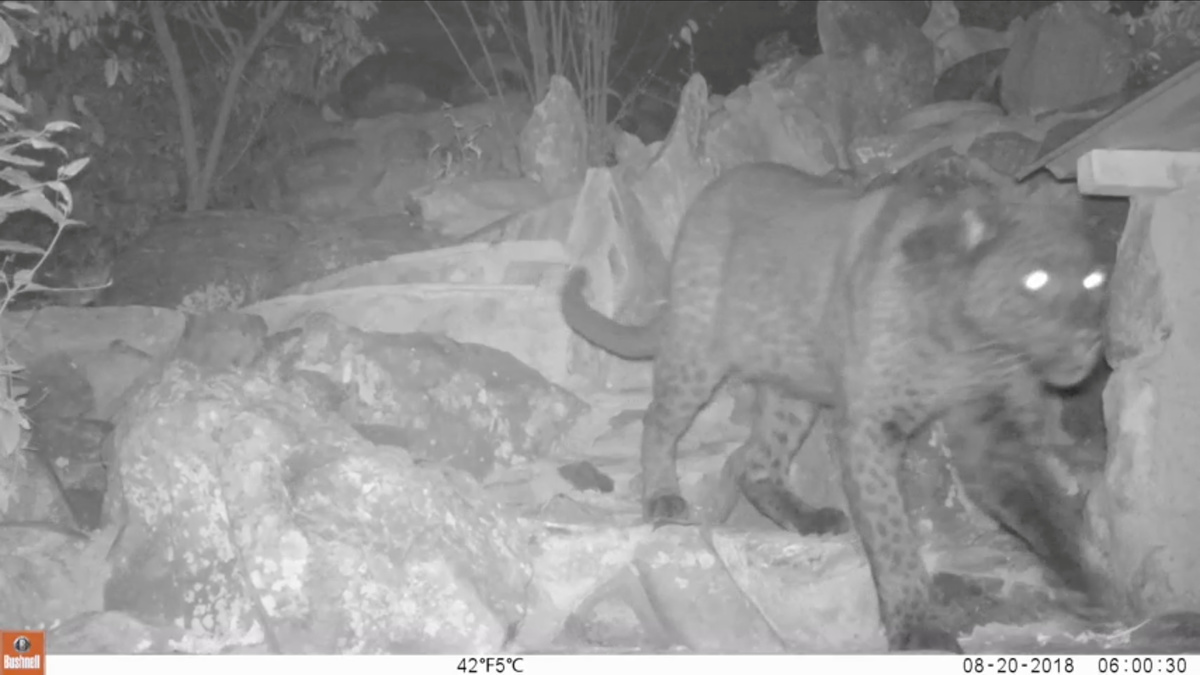
LOISABA CONSERVANCY, Kenya (Reuters) - Images of a rare African black leopard have been captured in Kenya, the first verifiable record of the animal for nearly 100 years, researchers have said.
Using motion-sensitive cameras set up near water holes, researchers from San Diego Zoo Global and the Loisaba Conservancy captured video of the largely nocturnal cat after receiving reports of sightings from local pastoralists in Laikipia County in northern Kenya.
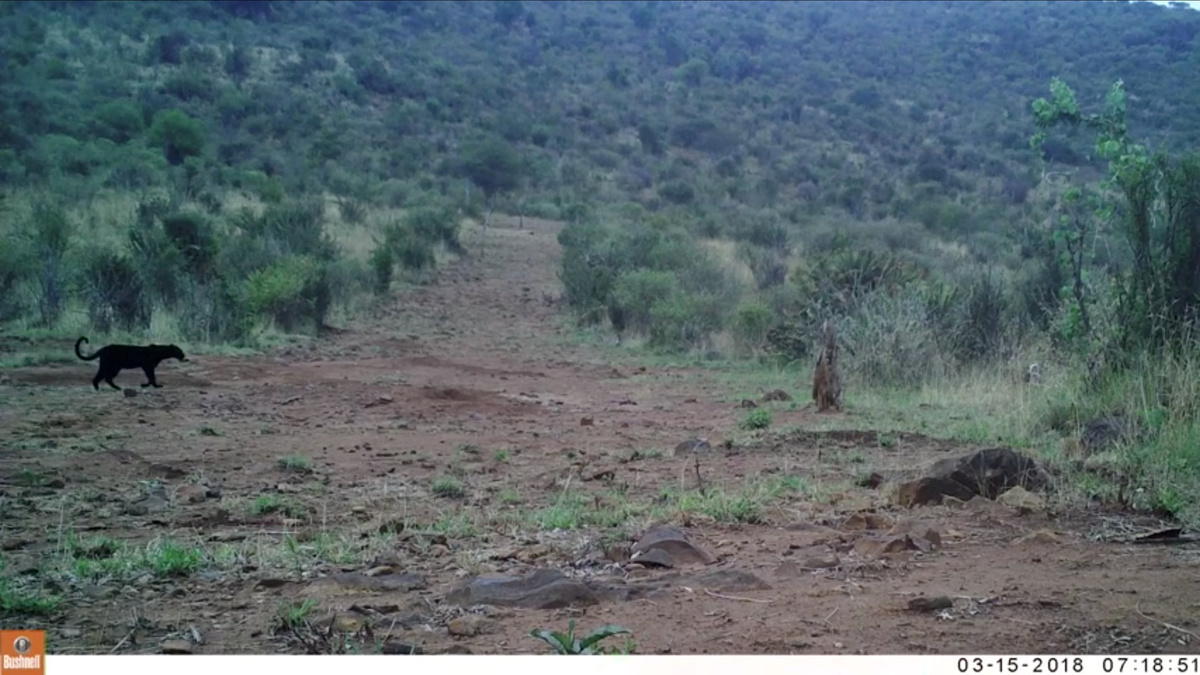
While they were working in the area over the past year, the team was shown another image of a black leopard taken at the Ol Ari Nyiro Conservancy, also in Laikipia County, in 2007.
Black leopards - or panthers - carry a gene mutation for "melanism" that makes their coats appear black, but these images were of a high-enough quality to reveal the spots.
"Collectively, these are the first confirmed images in nearly 100 years of black leopard in Africa," said Nicholas Pilfold of the San Diego team, also lead researcher for a leopard conservation program in Laikipia County.
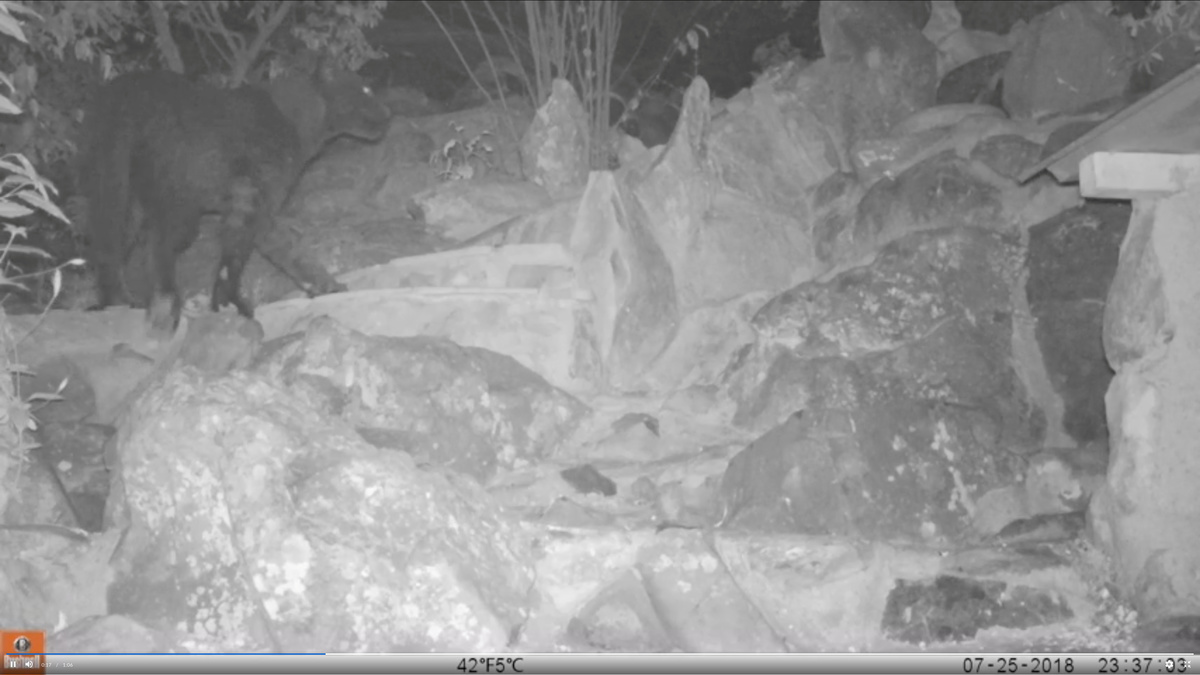
The researchers published their findings in the African Journal of Ecology in January.
The same month, British wildlife photographer Will Burrard-Lucas captured additional high-quality images of the cat in Laikipia Wilderness Camp.
"I'm able to set up a kind of studio-like lighting and just leave my cameras set up for weeks or months," he told Reuters.
Burrard-Lucas heard from a friend that a black leopard had been spotted in the area and, after contacting the landowners, headed off to set out his cameras near the animal's tracks.
"It's very dusty, so you can pick up tracks especially early in the morning after the night," he said. "You can see everything that's passed."
Scientists had assumed that a black coat was an evolutionary response to leopards moving out of the dense forests where their spots camouflage them, San Diego Zoo said in its statement. The discovery of a black leopard in an open, arid habitat in Kenya raises questions about that theory, however.
(Reporting by Hereward Holland in Loisaba Conservancy; Additional reporting by George Sargent in London; Editing by Kevin Liffey, Alexandra Zavis and Frances Kerry)