Australians are being warned about encouraging radicalisation by demonising people with opposing viewpoints.
Monash University's social cohesion program chief investigator Susan Carland raised concerns about social media pigeonholing people, which then removed any understanding of opposing views.
"Never demonise them to the point where they don't have an off-ramp anymore," she told a Universities Australia summit in Canberra on Tuesday.
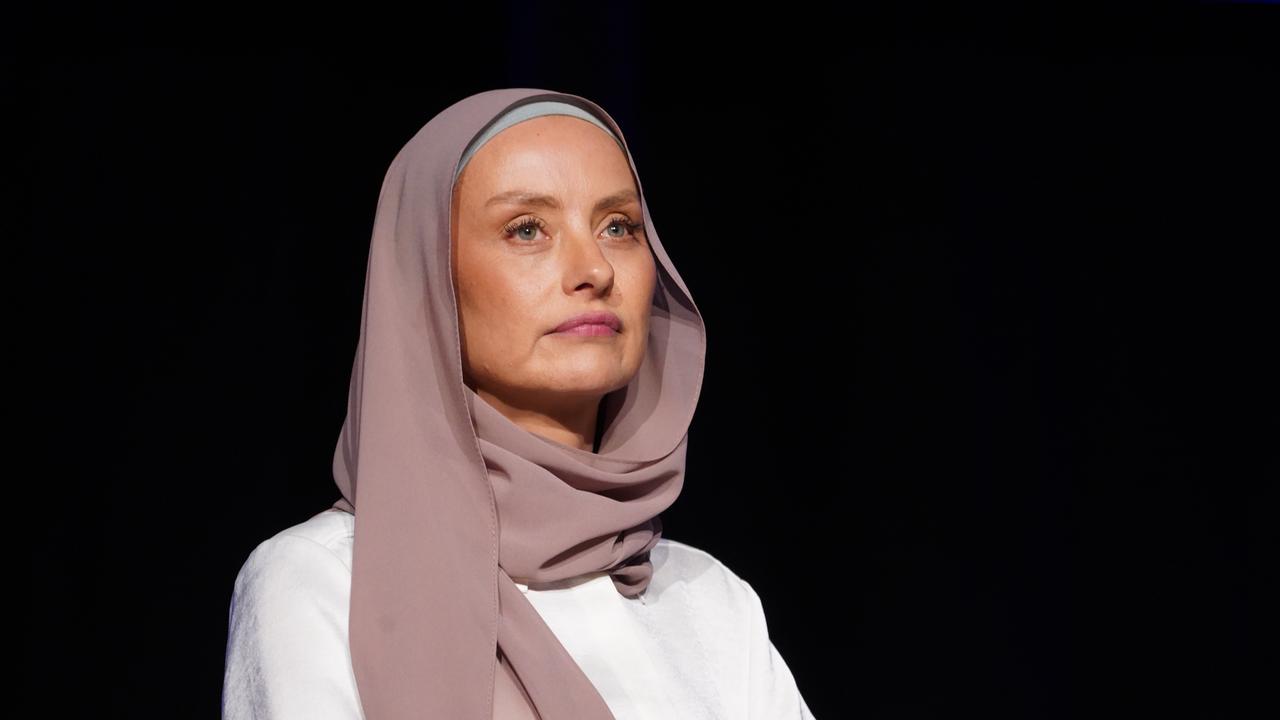
There always had to be room to bring people back to the table when they were ready to talk to avoid entrenching static perspectives, Dr Carland said.
"One of the things that worries me the most about online culture ... is the really toxic role of shame. We love to humiliate people, we love to shame them," she told the summit.
"It's so hard for people to come back from shame and humiliation."
People turned too rapidly to demanding punishment, Australian Centre for Jewish Civilisation director David Slucki said.
"There are people demanding punishment as a response rather than a sort of broader, holistic way of thinking about ... how do we bring people in a room and focus on things like healing, on difficult discussions," he told the summit.
"Not just on throwing a book at someone because we didn't like what they said or did."
McKinnon Foundation CEO and former NSW premier Mike Baird went a step further, saying people had lost the ability to see those on the other side as human beings.
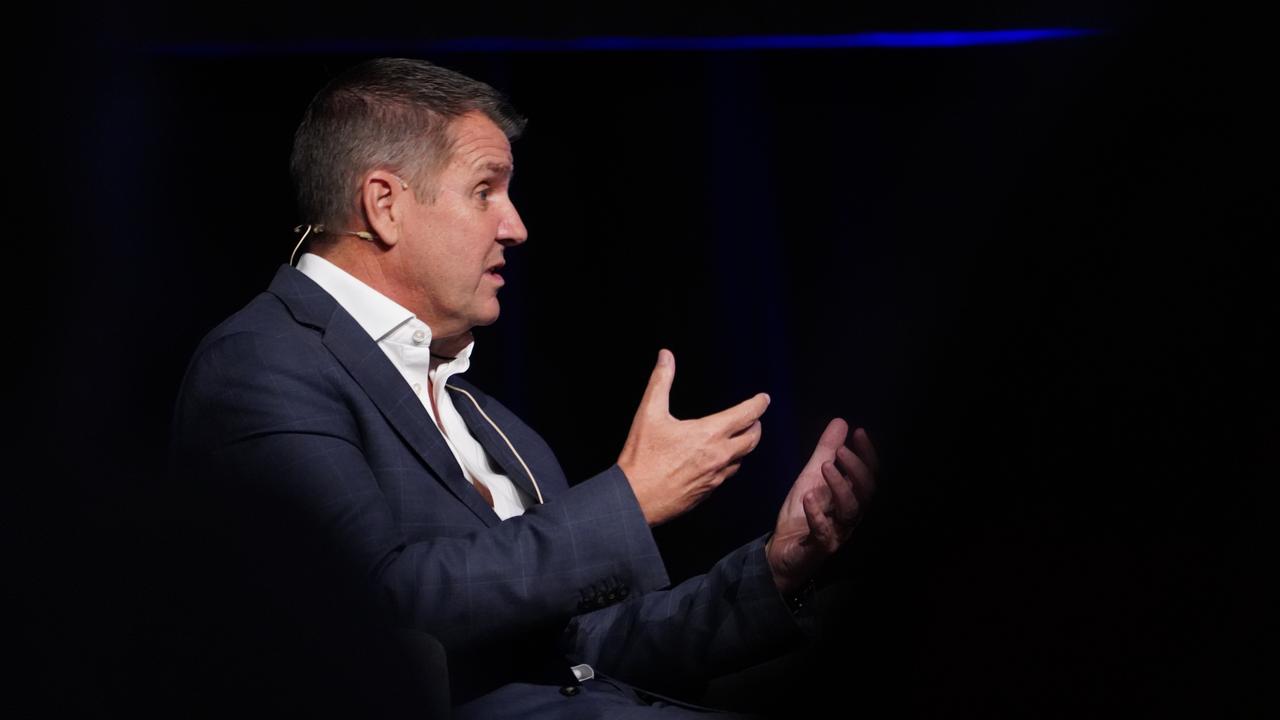
"There is this depth and incredible veracity to every single human and somewhere we've lost ... and we've lost the wonder of humanity," he said.
One in five people said they couldn't have friends with different political views while 15 per cent said they'd be prepared to undertake violence or violent activity to some form, according to McKinnon's research.
"You have this increasing polarisation, people feel disempowered, they don't feel part of democracy, they don't feel they're being represented and then they start to take into their own hands," Mr Baird said.
University of Canberra vice-chancellor and former federal Labor leader Bill Shorten called for conservative leaders to work with the sector "rather than just simply complain about 'wokedom' at universities".
There was a misconception that universities churned out progressive voters, Mr Shorten said.
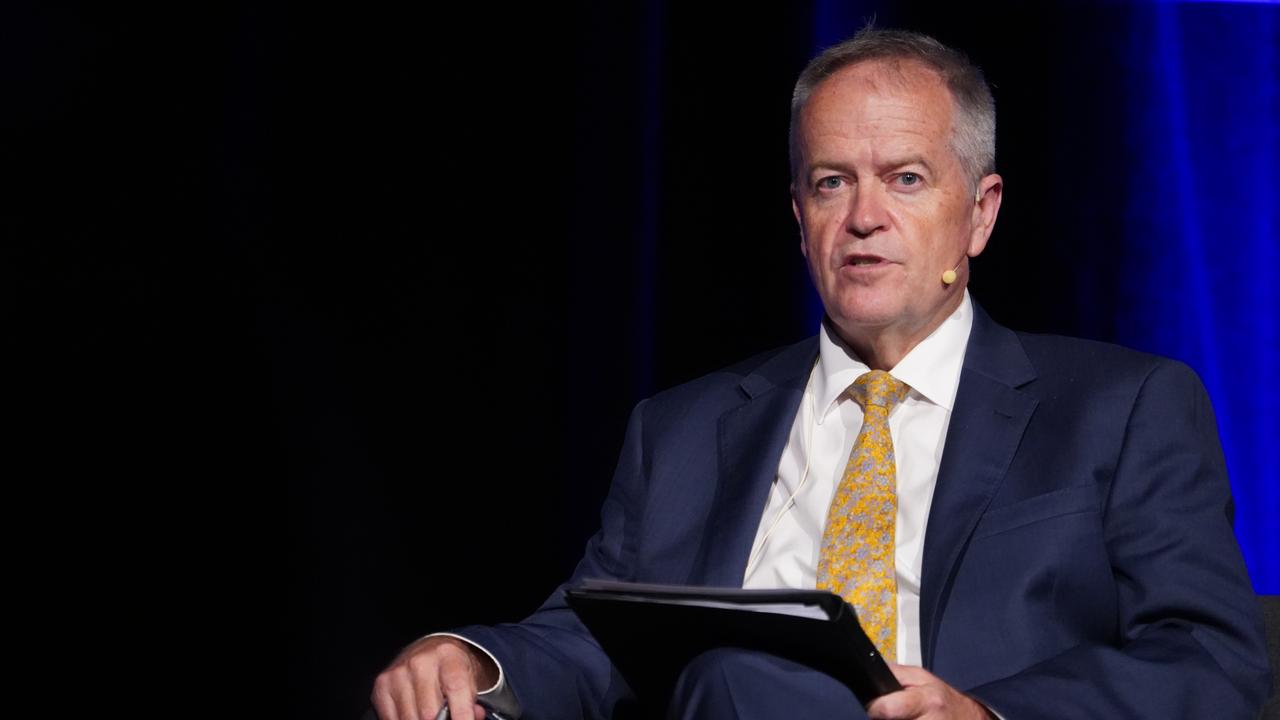
"Some of the political right in Australia need to hop off universities' backs a little bit."
While there needed to be hard speed limits to ensure universities were safe places for people from all backgrounds, but the sector could walk and chew gum, ensuring there was still a place for robust debate, Mr Shorten said.
"We can encourage a culture of you don't have to destroy your opponent, but hear what they have to say," he said.
"It's a lot harder to hate what you know."