Three million households across the UK are being forced to skip meals and cut back on family visits as the cost of living crisis continues to bite, according to a new survey.
Consumer confidence has plummeted to its lowest level since the height of the crisis in 2022, with Which?’s latest Consumer Insight Tracker recording a score of minus 62 this month.
The poll paints a stark picture of the nation’s economic outlook, revealing that 71% of UK adults anticipate the economy will worsen over the next 12 months, while only 9% believe it will improve.
Concerns over soaring food prices are particularly acute, with 85% of adults now worried – an increase from 83% in February.
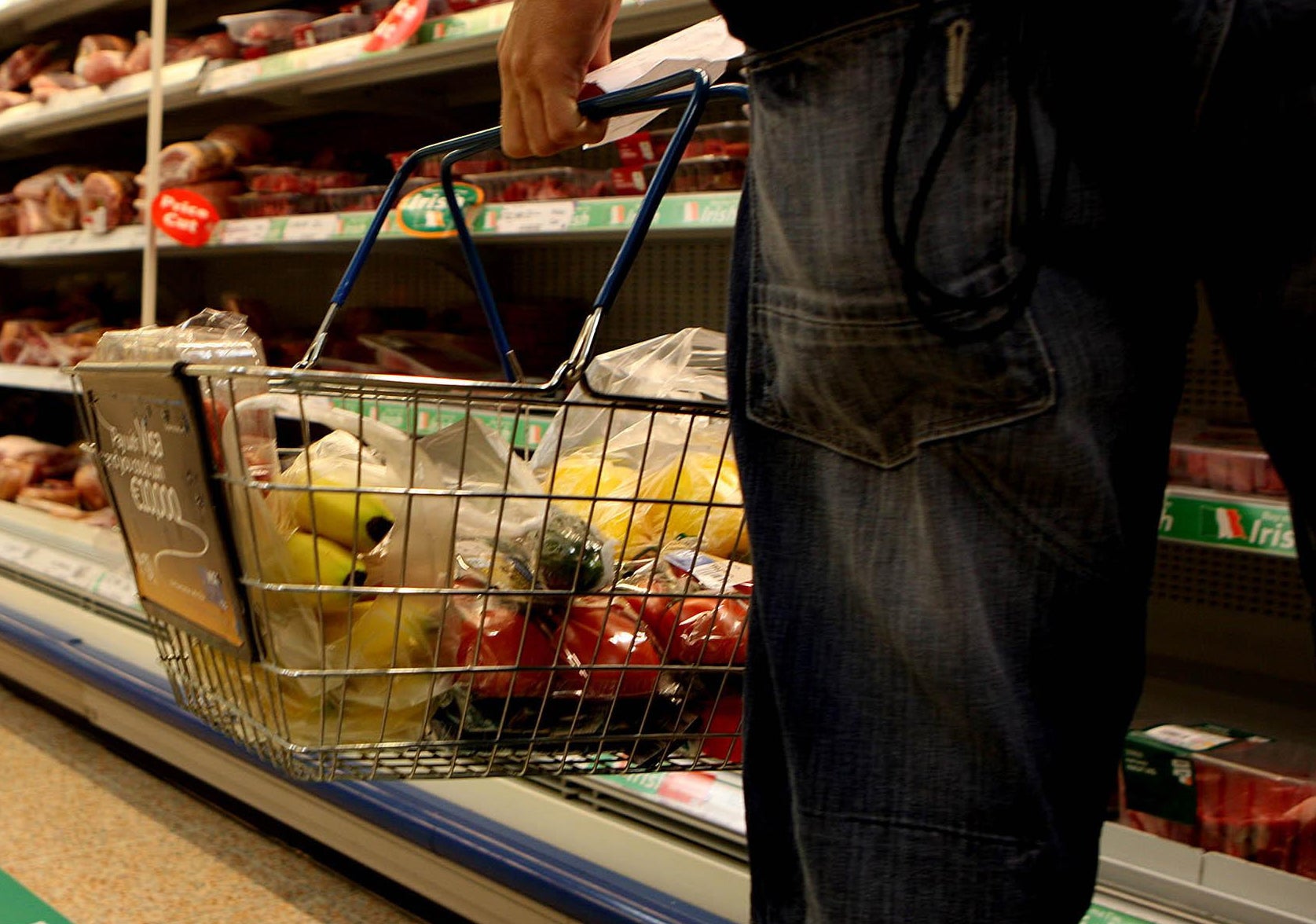
This widespread anxiety is driving significant lifestyle changes, as two-thirds of households (67%) have altered their shopping or eating habits in the past month to reduce food expenditure.
Common adjustments include opting for cheaper products (43%), buying supermarket own-brand items (37%), and stocking up on promotions (31%).
Alarmingly, 15% of households are now going without certain foods, and one in ten – equating to three million families – are skipping meals entirely to manage their weekly budget.
Fuel prices are another major worry for 83% of people, up from 71% in February. This has led 69% to modify their driving habits, with a direct impact on their social and family lives.
The most common adjustments included making fewer leisure trips over the last month (33%), and planning journeys more carefully (23%).
About one in eight said they had visited friends and family less (13%).
In the month to April 10, over half (53%), or an estimated 15 million UK households, made adjustments to cover essential spending, such as cutting back on essentials (29%), using savings (25%), selling possessions (9%), or borrowing from friends or family (9%).
Some 7.7% of UK households missed a house bill, loan or credit card payment.
Which? is calling for urgent policy interventions outlined in a manifesto launched in Parliament this week to tackle unfair rip-offs and improve access to essentials, including a reform of the Healthy Start food scheme.
Which? warned that its value had failed to keep pace with food inflation and is urging the Government to uprate payments, expand eligibility to all families on Universal Credit, and encourage supermarket support to ensure those struggling most can afford a healthy diet.
Rocio Concha, Which? director of policy and advocacy, said: “Our latest research highlights the deepening strain not only on household finances, but also on people’s physical and social wellbeing as cost-of-living pressures bite.
“Many are already making difficult choices, such as skipping meals. Without meaningful interventions the number of people taking drastic measures is likely to increase.
“We need to see urgent action, as set out in our Cost of Living Manifesto, to address these costs and help restore confidence before even more households are pushed into serious financial difficulty.”
Can the government protect us from the financial impacts of the war?
The gift of a shiny gold bell from the King did not make Trump listen on Iran
Iranian ambassador summoned to Foreign Office over embassy’s social media post
‘Bittersweet’ as four lives saved by eight-year-old boy’s organ donation
Cheaper to rent than buy UK homes as mortgage rates surge
What is ‘No Mow May’? The movement aiming to boost nature in UK gardens