
Gendered violence must be recognised as preventable, says a scholar ship-winning student as she joins a next-generation chorus of doctors urging governments to respond to the crisis.
Gender-based abuse is the leading cause of death and disability for Australian women between the ages of 18 and 44.
One each week is killed by a current or former partner.
Yet many health professionals say they have limited formal training in recognising and responding to patient disclosures of violence.
The reality of gendered violence and its widespread impact in Australia has been historically minimised and dismissed, according to University of Melbourne medical student Zoe Dowling.
This has had real consequences for how it has been prioritised within the health system and by policy makers, despite billions of dollars invested in a 10-year plan to end violence against women and children.
"By not treating gendered violence as a serious and urgent public health issue, we'll continue to not provide the critical healthcare that survivors often need and under-utilise the systems and services that could be involved in early recognition and intervention," Ms Dowling said.
"We lack comprehensive data that captures the true prevalence and complexity of gendered violence, as well as the experiences of people who use violence.
"This can pose as a barrier for public policy think tanks, for example, to work on this issue."
Ms Dowling works as a sexual harm response co-ordinator while undertaking her Doctor of Medicine and Master of Public Health.
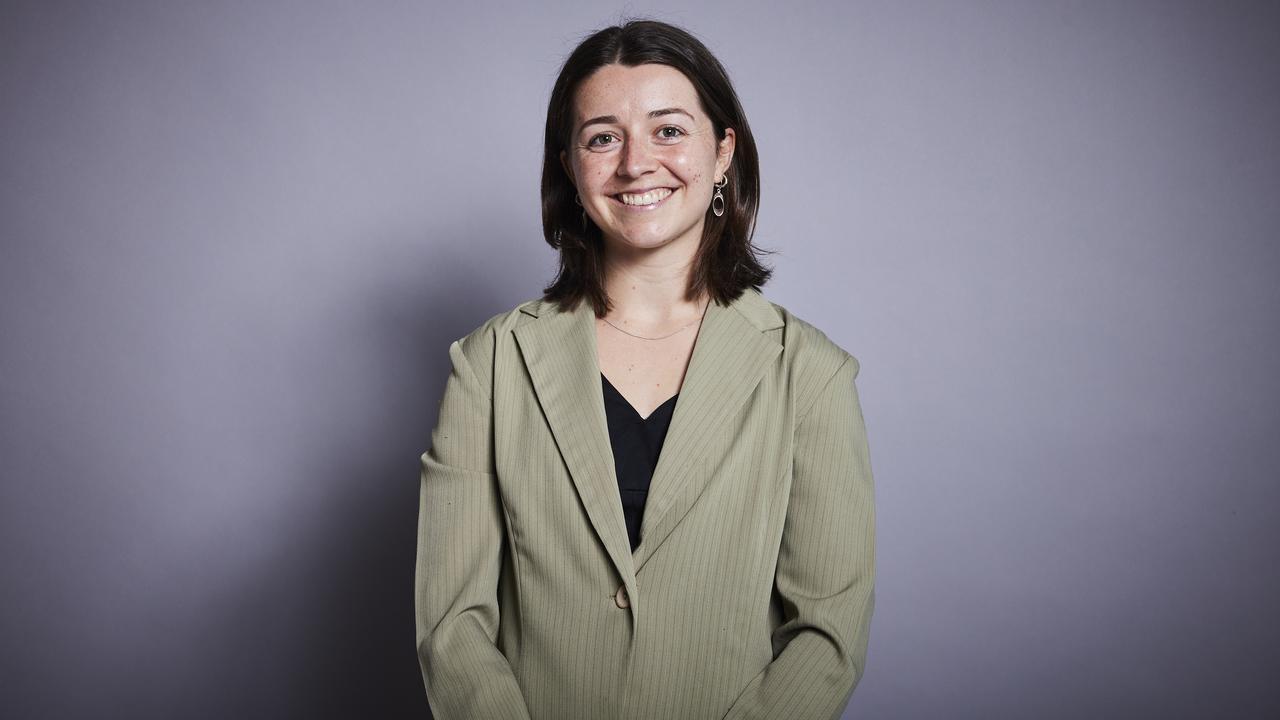
She has recently been awarded a scholarship from the Westpac Scholars Trust to back her research into large-scale interventions on domestic violence, policy reform, workforce training and trauma-informed service design.
During her four-year medical degree, Ms Dowling said there was just one face-to-face session and one online module about recognising gendered violence and trauma informed care.
But she wants this topic to be embedded into every year of a medical degree.
"It's not that we need every healthcare worker to provide ongoing specialised gendered violence support," she said.
"We need people in the health system to understand gendered violence enough to be able to recognise the nuanced early warning signs.
"We need them to provide a safe and sensitive first line response which includes referral to the right support services."
Since 2020, the Readiness Program funded by the federal government has helped train primary care providers to effectively recognise, respond, refer and record domestic and family violence.
Developed by University of Melbourne's Safer Families Centre, the program's boldly stated aim is to "transform the whole of the health system to respond to domestic, family and sexual violence".
An interim evaluation has shown it is strengthening responses in primary care and increasing referrals to specialist services.
But Ms Dowling noted that even when health professionals asked their patients about gendered violence and referred them to support, there are dangerously long wait times for them to access help.
"Safe and appropriate first-line responses are critical," she said.
"A supportive initial response to a disclosure of violence has a direct impact on someone's willingness to seek further help and support.
"It's essential that recognition and response education is coupled with the development of strong and established pathways to support."
1800 RESPECT (1800 737 732)
Lifeline 13 11 14
Men's Referral Service 1300 766 491