"Whoa, that's the most beautiful thing I've ever seen in my life," my 9-year-old nephew Deegan whispered, staring at a night sky that was pitch black and dotted with starlight.
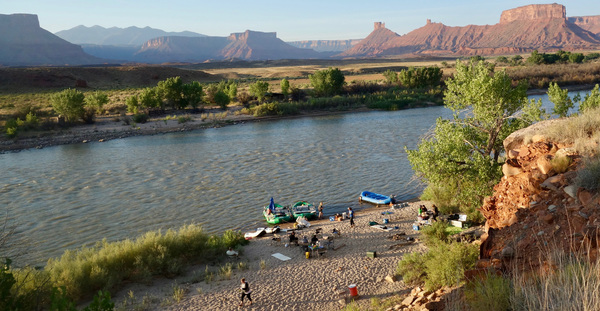
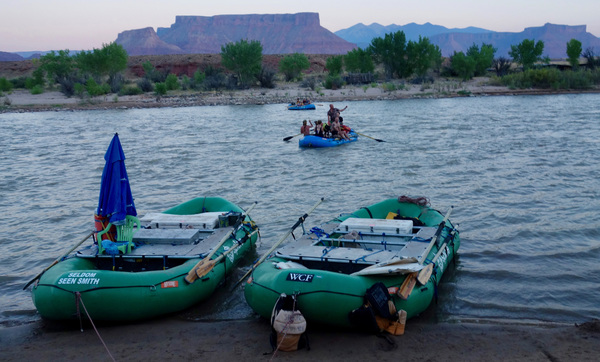
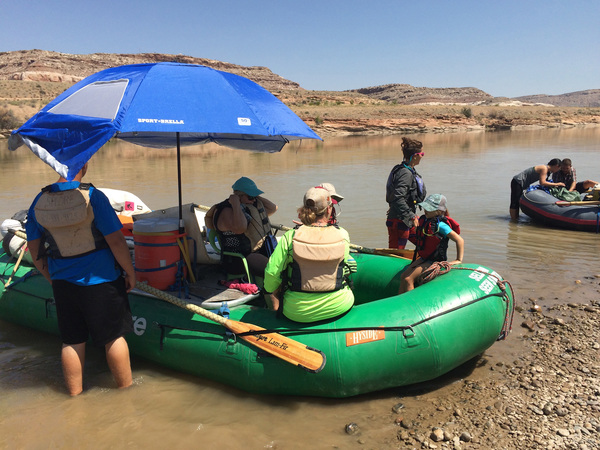
Worn out after a day of rafting, nearly a dozen of us were zipped into sleeping bags, strewn about the sandy banks of the Colorado River like pieces of driftwood tossed ashore. The wild river bubbled a few yards from our feet, invisible except for a few moonlit ripples.
I had to agree.
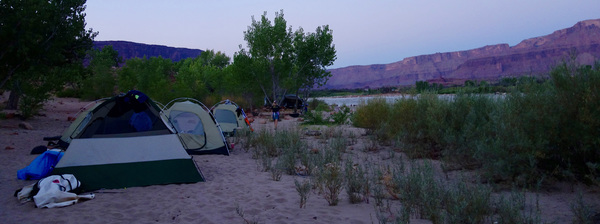
That calm scene near Arches National Park in Utah was a startling contrast to the chaos of an August morning two days earlier. That's when 10 assorted family members and I gathered in a Twin Cities suburb to pack ourselves into a 36-foot RV _ an RV that I drove 2,600 miles on our collective quest to raft a stretch of the Colorado River that borders the national park.
The trip was inspired by my mom, aka Grandma Mary, whose appreciation of the Colorado is fierce. For years, she has paused before family meals to give thanks to the hands that made the meal and for the "hardworking Colorado River," for providing power and water to people and fields, ensuring fresh vegetables for Minnesotans in January.
So when Grandma turned 70, she didn't want a typical party blowout. She wanted a family white-water pilgrimage to the high desert of Utah. After years of talking about the power of the river, she'd finally get the chance to experience it with some of her offspring.
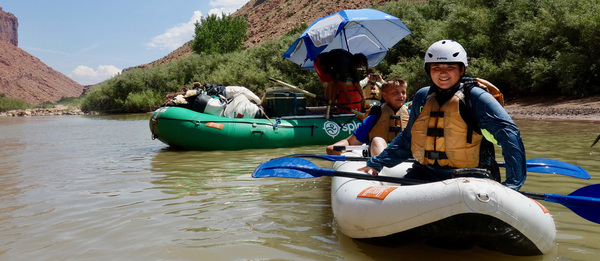
Getting to the river, and getting on it, though, were no easy feats.
The Colorado, perhaps best known as the river that forged the Grand Canyon, traces a meandering 1,450-mile route from the central Rocky Mountains of Colorado to the Gulf of California in Mexico. It slices through seven states, two nations and 11 U.S. national parks, so there are a mind-boggling number of ways to get on the water.
Travelers with plenty of time _ and money _ book multiday float trips through the Grand Canyon in Arizona that start or end with a helicopter ride out of the canyon. There are easy, rollicking half-day trips along an untamed section of the river that parallels an interstate just below its source in Rocky Mountain National Park. Several outfitters offer lazy day trips on a calm stretch of water below the Glen Canyon Dam in Arizona, one of two major dams that create massive reservoirs that help quench the thirst of 40 million people.
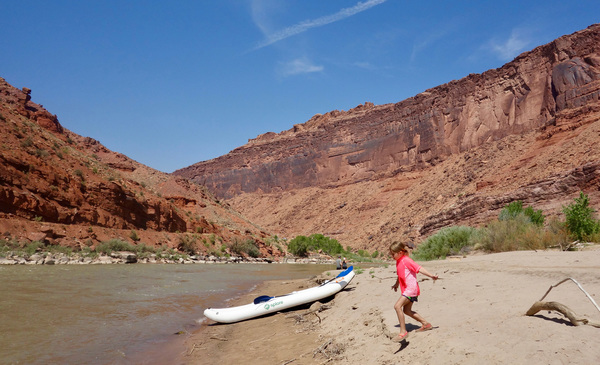
None of the options were right for our multigenerational group, ranging from 7 to 70, including a few non-swimmers, a couple who had never camped and a few bad backs and knees. I combed the internet in search of an organization such as Twin Cities-based Wilderness Inquiry, which aims to let people of varying abilities experience the wilderness.
After dozens of searches, I hit the Google jackpot with Splore, a nonprofit outfitter that provides "adaptive adventures in Utah." I quickly booked an overnight trip. We were assigned a trip leader, Smiles, who was more than willing to accommodate the many needs of our group, including my 7-year-old niece, Faith, who was about half the minimum weight requirement for the trip.
Smiles signed her emails "River love," so I knew we'd click.