California is turning to an unusual set of environmental helpers, worms and microbes to tackle one of agriculture’s most serious pollution problems. Scientists and farmers are beginning to use these small creatures to convert livestock manure into fertilisers using a natural process that not only keeps pollutants out of the environment but also reduces greenhouse gas emissions and foul odours. The technology could help address environmental problems in California’s livestock and dairy industry, which generates millions of tons of manure each year.
Get breaking news anytime, anywhere. Download the TOI app now!
The scientists argue that the technology uses a controlled community of microbes and composting worms to break down the organic matter more effectively than the current manure lagoons do. This means the manure is turned into useful material instead of releasing methane and ammonia into the air or water. Interest in biological manure treatment aligns with California’s efforts to cut agricultural emissions and protect water without adding costs for farmers.
Tiny organisms tackle a massive pollution problem
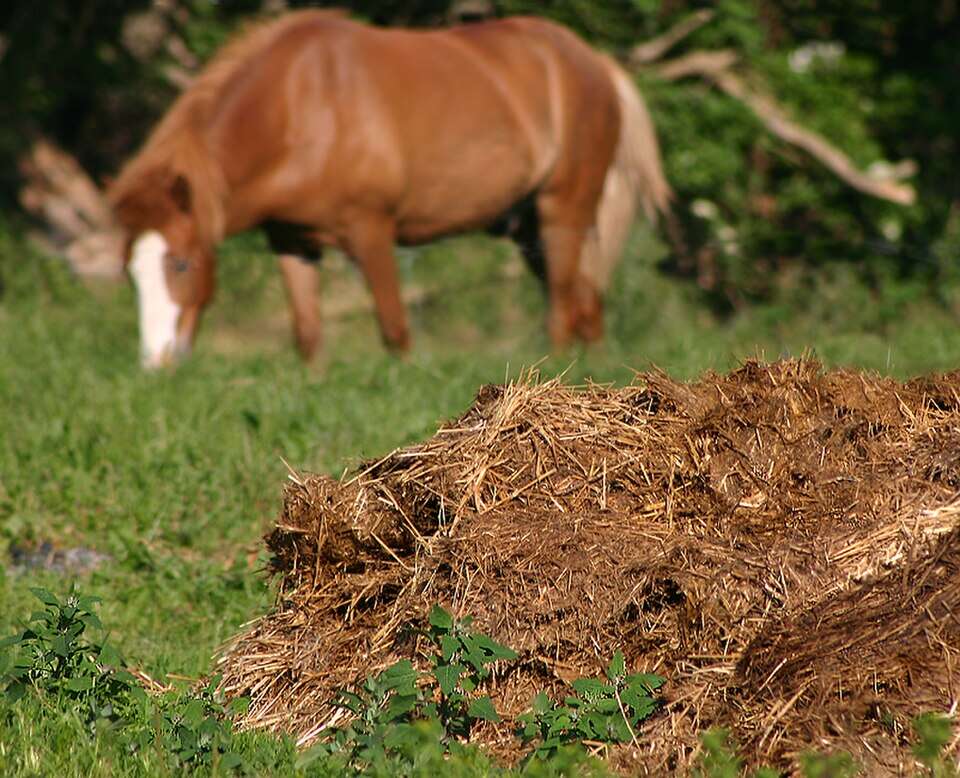
California is home to one of the world's largest dairy industries, with millions of cows producing enormous quantities of manure every day. While manure is a valuable source of nutrients for crops, storing and handling it can create serious environmental problems if not managed properly.
Traditional manure lagoons release methane, a greenhouse gas that is significantly more effective at trapping heat than carbon dioxide over 20 years. Runoff from manure can also carry excess nitrogen and phosphorus into rivers, lakes and groundwater, contributing to algal blooms, declining water quality and ecosystem degradation.
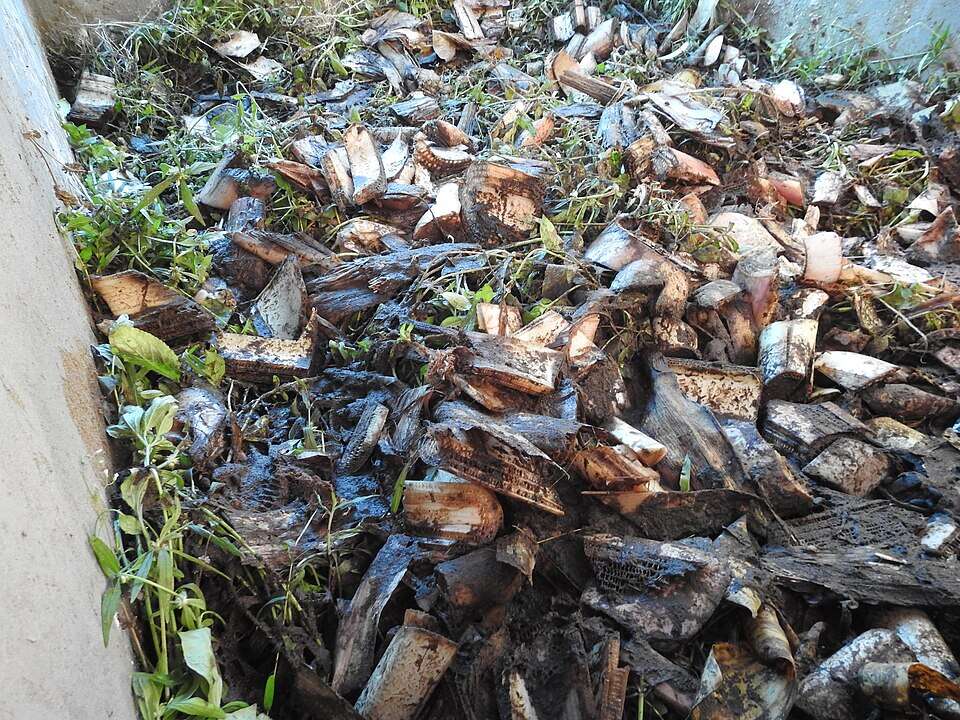
According to MIT, to address these challenges, researchers and agricultural companies are exploring vermicomposting that uses worms for composting and specialised microbial communities to accelerate the natural decomposition process. As worms consume organic matter, they produce nutrient-rich castings, while beneficial microbes break down complex compounds and reduce harmful pathogens. The result is a more stable fertiliser that contains valuable nutrients while generating fewer emissions than conventional storage methods.
Unlike expensive industrial treatment systems, biological approaches require relatively simple infrastructure and can often be integrated into existing farming operations, making them attractive for both large commercial dairies and smaller livestock farms.
From waste to valuable fertiliser
Researchers increasingly view manure not as a disposal problem but as a resource that can be recycled as an agricultural input. In the process of vermicomposting, worms tear up organic matter to increase the surface area of the material where microbial action can take place. This helps convert nutrients into plant-available forms, reduces odours and stabilises the material.
According to the U.S. Environmental Protection Agency (EPA ), composting livestock manure not only reduces the volume of waste but also lowers pathogen levels and creates a safer fertiliser for agricultural use. Properly managed compost can also reduce methane emissions compared with storing manure under oxygen-free conditions in lagoons.
The process is also attracting attention because it may reduce reliance on synthetic fertilisers, which require large amounts of energy to produce and contribute to greenhouse gas emissions. As fertiliser prices fluctuate, turning agricultural waste into soil amendments can offer environmental and economic benefits.
Scientists are experimenting with microbial blends designed to improve nutrient recovery, reduce nitrogen loss and produce higher-quality compost. This could potentially allow for increased efficiency of biological treatment of manure in the future. The biological treatment process is also attracting attention because it may reduce reliance on synthetic fertilisers, whose production requires large amounts of energy and contributes to greenhouse gas emissions. As fertiliser prices fluctuate globally, converting agricultural waste into valuable soil amendments offers both environmental and economic benefits.
Scientists have begun experimenting with blends of microbial cultures chosen for their ability to increase nutrient recovery, reduce nitrogen loss and create high-quality compost. This could potentially allow for increased efficiency of biological treatment of manure in the future.
,
Research supports nature-based solutions for sustainable farming
The growing use of worms and microbes reflects a broader shift toward nature-based solutions in agriculture. A study published in Bioresource Technology found that vermicomposting significantly improves nutrient availability while reducing organic pollutants and harmful microorganisms in livestock manure. The researchers concluded that worm-assisted composting offers an environmentally sustainable method for managing agricultural waste while producing high-quality organic fertiliser.
Moreover, the state's interests in the technologies under discussion coincide with its more general climate agenda. The agricultural sector produces a considerable share of methane emissions in California, the majority of which comes from the manure of dairy cattle. Although anaerobic digesters have been heavily invested in for capturing the gas to produce renewable energy, experts state that biological ways of composting offer another solution that might work better for the farms that cannot afford to build expensive facilities.
As pressure grows to reduce agricultural pollution while continuing to produce food, scientists see strong potential in using worms and bacteria to support sustainable farming. Thus, as they turn livestock manure into useful fertiliser rather than a pollutant, these organisms show how the processes in nature may be used to resolve modern environmental issues.