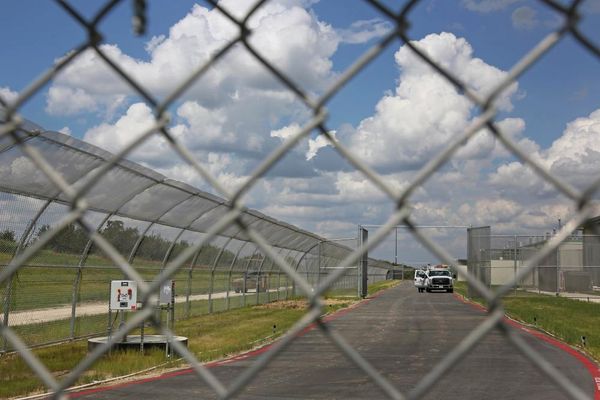
LOS ANGELES _ In short order, the coronavirus pandemic has ushered in a sweeping and historic emptying of California's overcrowded prisons and jails, as officials have dramatically lowered the number of people held in custody to avert deadly outbreaks.
State data show California's prisons have released about 3,500 inmates while the daily jail population across 58 counties is down by 20,000 from late February.
The exodus is having a profound and still-evolving effect: Those leaving custody enter a vastly different world in which a collapsed economy, scant job opportunities and the closure of many government offices have compounded the challenges of getting lives back on track.
Reentry programs are struggling to meet the deluge of incoming inmates as the disease has forced them to close shelters and serve fewer people.
"People are continuously getting out. ... Where are those folks going?" said Jay Jordan, executive director of Californians for Safety and Justice, a nonprofit criminal justice reform group. "Seventy-five percent of people getting out of prison right now have no plan. Nowhere to go."
Some of those released from jails unknowingly carry the novel coronavirus, potentially infecting family, friends and the community. Advocates say many run the risk of ending up homeless when jailers don't connect them to services.
Others have taken advantage of the pandemic to commit more offenses, in some cases within hours of leaving jail. Law enforcement leaders and many district attorneys see an intensifying public safety threat posed by the mass release as well as a trampling of the rights of crime victims.
"There was a one-size-fits-all approach which was really difficult to understand," said Sheriff Ian Parkinson of San Luis Obispo County, where no jail staff or inmates have contracted the virus. "Now I'm putting people out on the street that a judge might not put out."