LOS ANGELES _ California officials Wednesday said they will press ahead with a smaller version of a long-planned water delivery project, initially building one, instead of two, massive tunnels in the heart of the state's vast waterworks.
The decision to downsize California WaterFix boils down to money. The urban and agricultural water districts that are supposed to pay for the multibillion-dollar project have only committed to enough funding for one water tunnel that would extend 35 miles under the Sacramento-San Joaquin Delta.
The reduction is yet another setback for a decade-old proposal that was originally pitched as a grand fix for the ecologically failing delta and the key to sending more water south to San Joaquin Valley agribusiness and Southern California cities.
Questions about WaterFix's effect on the delta environment, opposition by delta interests and funding shortfalls have steadily whittled down the project's ambitions and scope. A major habitat restoration program was dropped. The construction footprint was reduced. And now, instead of a $17-billion, two-tunnel project, the state is proposing one tunnel that would cost $10.7 billion.
The changes are likely to add more delays to WaterFix. The Metropolitan Water District of Southern California and other agencies that approved funding for the two-tunnel plan have to decide if a scaled-back version will yield the desired improvements in water deliveries.
Conservation groups will argue that the new plan needs a new environmental review. And shrinking the project is unlikely to quiet criticism that big tunnel diversions on the Sacramento River will hurt migrating salmon and worsen water quality in the delta.
The project also has yet to finish the permitting process, which could throw still more hurdles in its path.
The tunnel proposal is the latest attempt to halt the delta's steep environmental decline while continuing major water exports that have helped drive that decline. The project's many stumbles illustrate how difficult _ if not impossible _ it is to attain that goal.
In a memo to water contractors, state officials said the ultimate scope of WaterFix depended on the participation of local agencies _ construction could begin on a second tunnel if additional funding materialized. "Being prepared and having the option of a staged implementation of WaterFix is prudent, fiscally responsible and meets the needs of the public water agencies funding the project," wrote Karla Nemeth, director of the State Department of Water Resources.
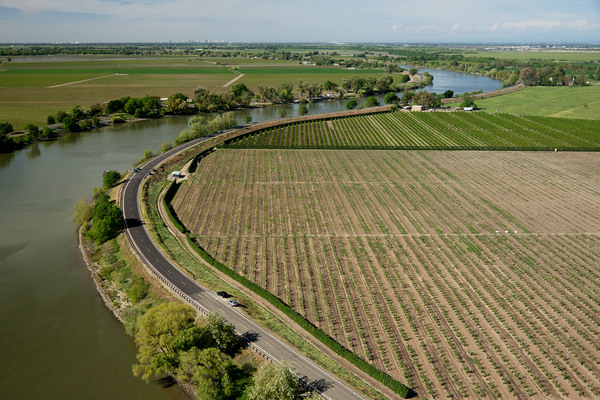
Even a smaller WaterFix would involve a mammoth construction job. Two new intakes would be built on the Sacramento River in the north delta near Courtland. The tunnel _ taller than a three-story building and buried up to 150 feet underground _ would feed existing government pumping plants in the south delta.
Those pumping operations are so powerful that they have altered delta hydrology, caused delta channels to flow backward and pushed imperiled native fish closer to extinction _ triggering endangered species protections that at times restrict southbound water exports.
WaterFix is intended to diminish the environmental impacts of the pumping _ heading off further export restrictions. But opponents argue that the new river diversions will create another set of environmental problems, while years of construction will disrupt one of California's most tranquil farming regions.
The original funding plan called for the largely urban water agencies supplied by the State Water Project to pay for 55 percent of the tunnels, while the largely agricultural customers of the federal Central Valley Project paid for the remaining 45 percent.
But the Central Valley Project districts balked at the costs, saying their growers couldn't afford the tunnel water. That left Metropolitan and other State Water Project contractors holding the bill _ forcing the change to a smaller and less expensive design.