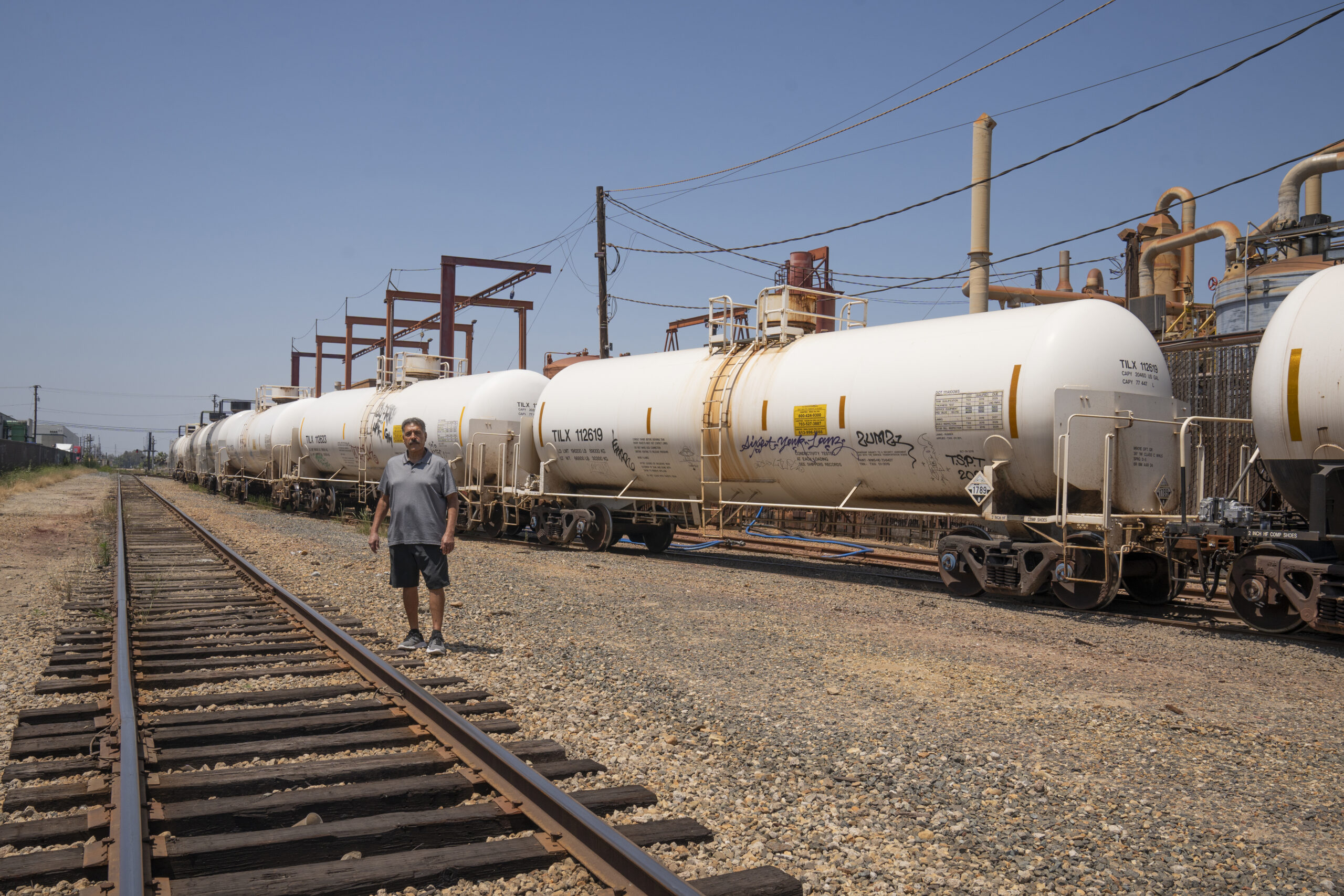
Wherever they turn, residents in and around Santa Fe Springs, California, contend with toxic hazards.
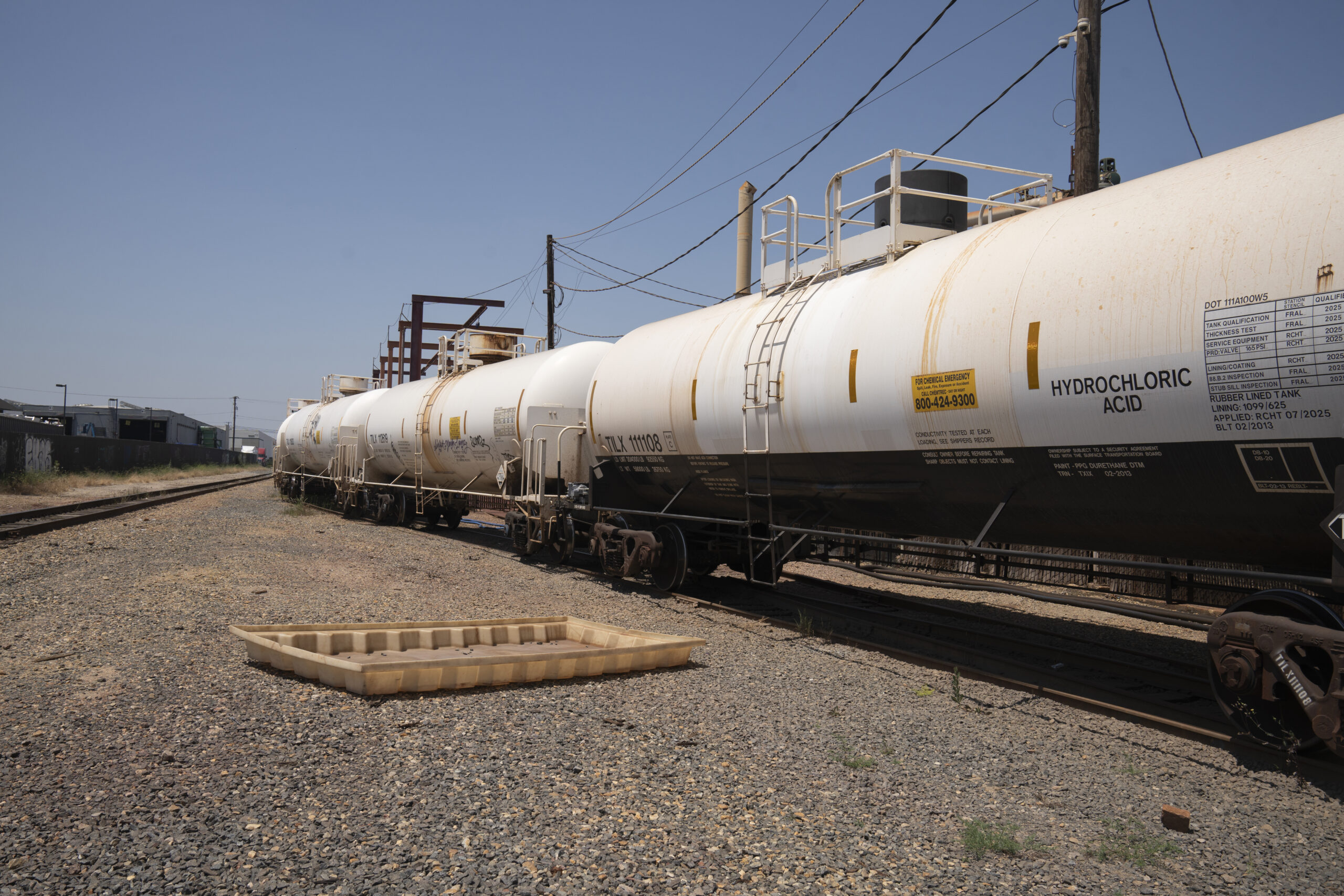
A freight rail line runs through the city’s bustling business district that includes steel fabricators, chemical manufacturers, chrome platers and warehouses operating a stone’s throw from a tidy residential neighborhood of trim lawns and well-kept gardens. Santa Fe Springs, located about 10 miles southeast of downtown Los Angeles, is bordered on two sides by traffic-choked freeways that bring droves of soot-belching diesel trucks.
Groundwater beneath the eastern portion of Santa Fe Springs is contaminated with cancer-causing chemicals such as perchloroethylene and trichloroethene so much so the entire groundwater plume is on the U.S. Environmental Protection Agency’s Superfund list of the nation’s worst cleanup sites.
Near the edge of the city’s industrial park is Phibro-Tech Inc.’s chemical manufacturing and recycling facility, which has a long history of environmental violations from California regulators, including at least two dozen of the most severe infractions citing significant threats to human health or the environment since 2014.
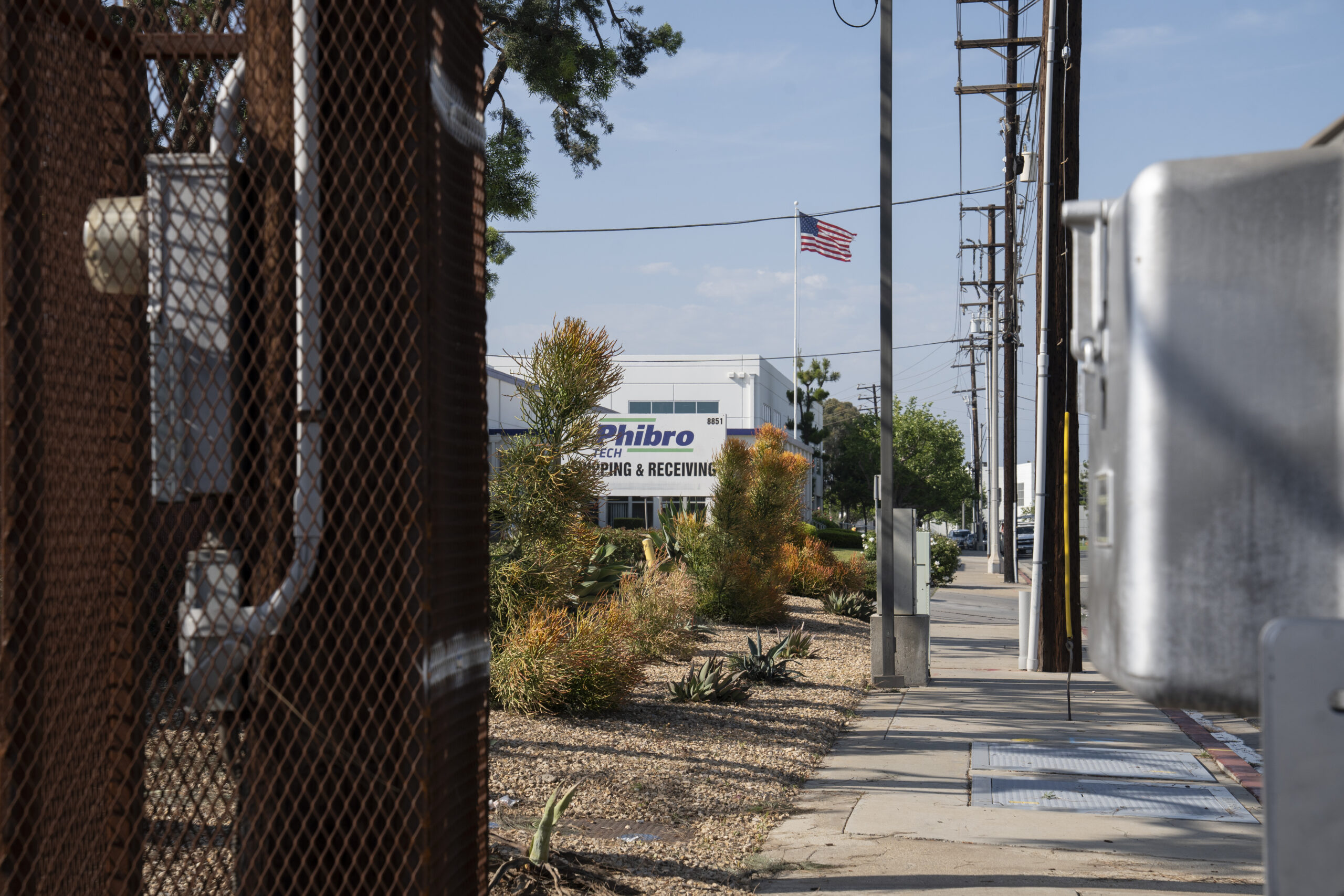
Over the last five years alone there have been a fire at the facility and a hydrochloric acid spill that harmed two workers. The California Department of Toxic Substances Control cited the facility for illegally disposing of hazardous wastes into the municipal sewer, among other violations. In 2019, the state fined the company nearly $500,000 for illegally storing and treating hazardous waste.
Phibro-Tech did not respond to Capital & Main emails and calls seeking comment.
For decades the Department of Toxic Substances Control allowed Phibro-Tech to continue operating on a permit that expired in 1996. The department renewed its permit last year. But many local residents — some as close as 600 feet to the facility’s fence line — have urged the state to deny its permit and shut it down permanently on the grounds that its environmental effects, combined with those from many other pollution sources nearby, are simply too much for the communities of Santa Fe Springs and the neighboring unincorporated community of Los Nietos to bear.
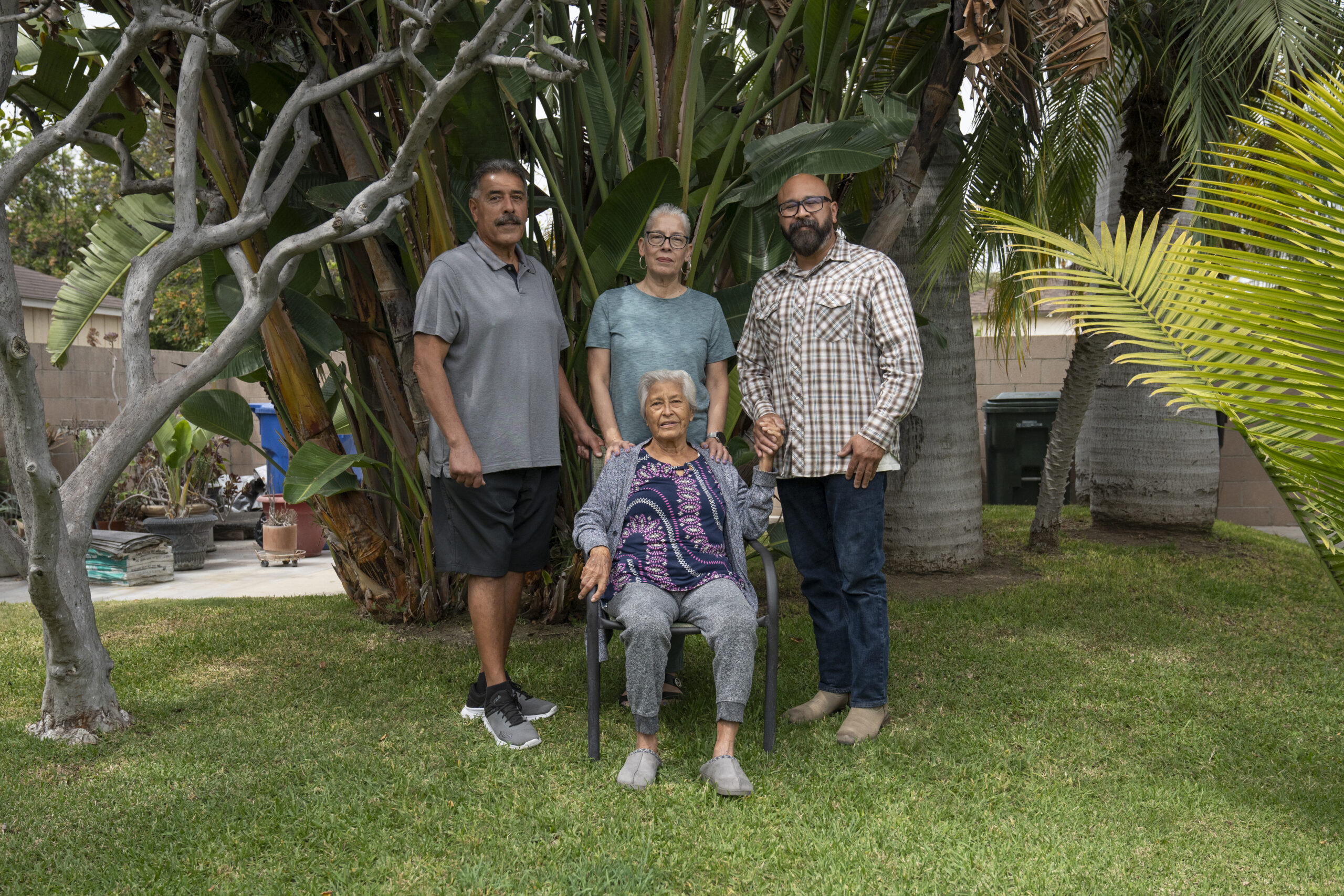
“Let’s eliminate Phibro-Tech from the equation, and we’ll deal with the remainder,” said Jaime Sanchez, 70, of Los Nietos, who is a member of Neighbors Against Phibro-Tech, a community group appealing the permit decision.
Sanchez’s reasoning is based on a bedrock principle of environmental justice known as “cumulative impacts,” which says that in communities hit hard by environmental health risks, people’s exposure often isn’t the result of a single polluting facility but rather of multiple pollution sources piled on top of each other. The concern isn’t confined to Phibro-Tech. The majority of California’s hazardous waste facilities are located in heavily polluted neighborhoods classified by the state as disadvantaged, many of them low-income communities of color.
Ten years ago, California passed a law requiring new rules for permitting hazardous waste facilities. Lawmakers gave the Department of Toxic Substances Control a 2018 deadline to rewrite the rules and gave it the option to include provisions allowing regulators to deny permits to facilities if pollution and health risks in surrounding communities were unacceptably high.
More than eight years after that deadline, the new rules remain unfinished, and the department’s proposal to complete them would largely preserve the status quo.
Under a plan that is close to being finalized, regulators will continue to make permitting decisions primarily based on an individual facility’s emissions and won’t be able to deny permits based on a community’s exposure to pollution from multiple local sources.
Environmental justice groups pushed hard for the law’s passage a decade ago in a bid to reform the troubled department and better help pollution-plagued communities. They said the department’s proposal falls seriously short of the law’s goals and marks another missed opportunity for an agency long criticized for failing to deliver on its mandate to protect human health and the environment.
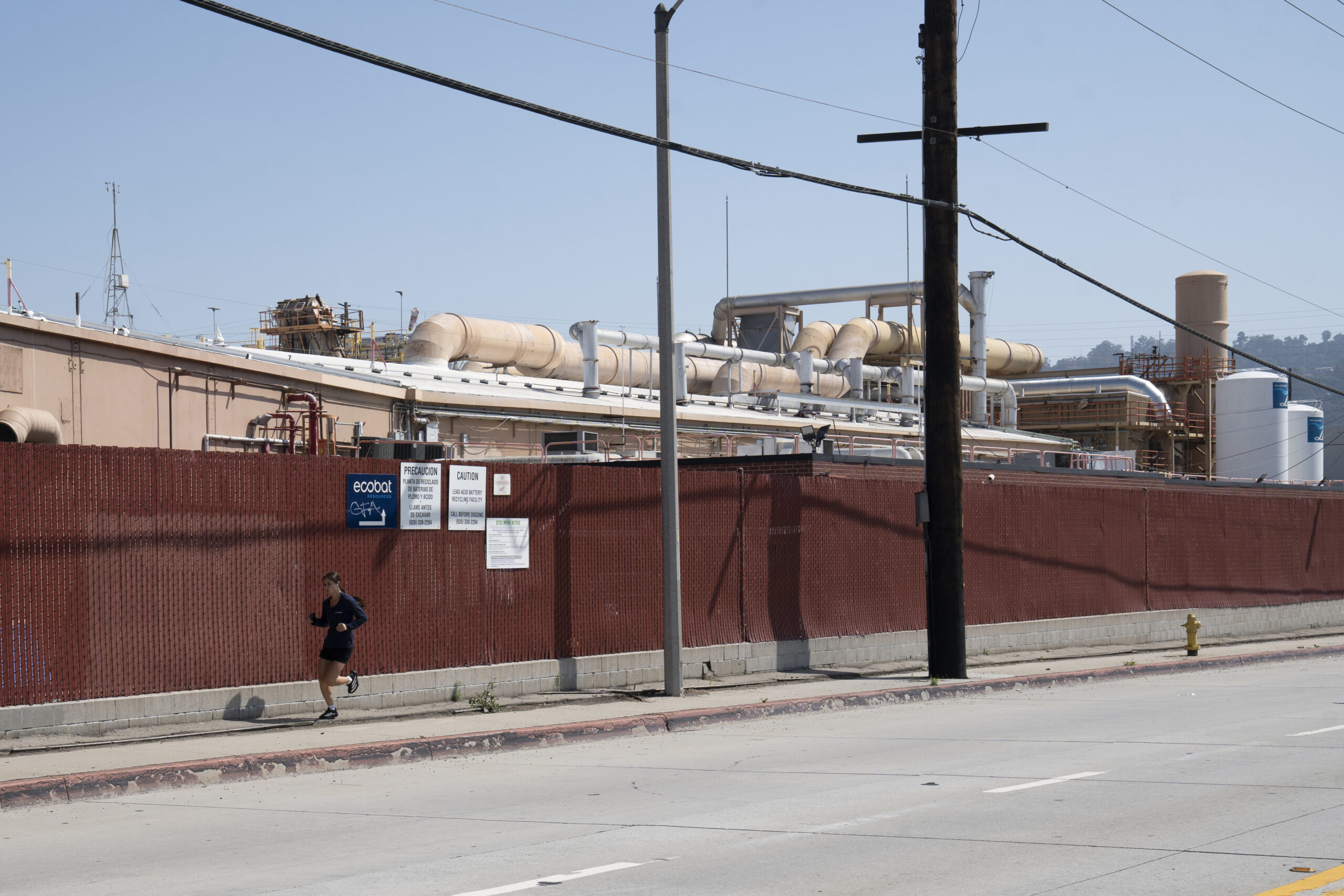
One Los Angeles community’s own study of the pollution around a lead-acid battery recycling plant called Ecobat Resources California in the City of Industry, for example, identified significantly more health risks to the residents than it said would be found under the department’s proposed approach.
All this is playing out at the same time Gov. Gavin Newsom touts his environmental bona fides on the world stage.
“It’s been an exercise in futility,” Sanchez said about the end result from a decade-long journey towards a formal set of cumulative impact rules. He said a persistent sulfurous smell comes from the Phibro-Tech plant and a frequent chemical haze hovers above it.
The term “cumulative impacts” has even disappeared from proposed rules during the department’s yearslong rulemaking process. An earlier 2021 draft document used that phrase dozens of times, but it’s not mentioned once in the latest version of the proposed rules.
The department implemented five requirements of the law in 2019. The latest proposal is the last remaining piece and is running the farthest behind schedule.
“It’s a really polluter-friendly draft regulation,” said Bradley Angel, executive director of the environmental group Greenaction for Health and Environment Justice. “It’s clearly been weakened, as is evident by the vast amount of text that’s been deleted that’s still on the DTSC’s own website.”
The Department of Toxic Substances Control, whose director Katherine M. Butler was appointed by Newsom, declined multiple interview requests. Department spokesperson Alysa Pakkidis did not answer written questions from Capital & Main and said they would be addressed instead through the public comment process.
Pakkidis did provide a brief statement, writing that the rules were drafted after listening to communities across the state. She added that permit applicants must provide a “quantified health‑risk analysis that leads to a direct, enforceable way to require risk reductions or deny a permit when a facility’s operations would put the environment or people’s health at risk.”
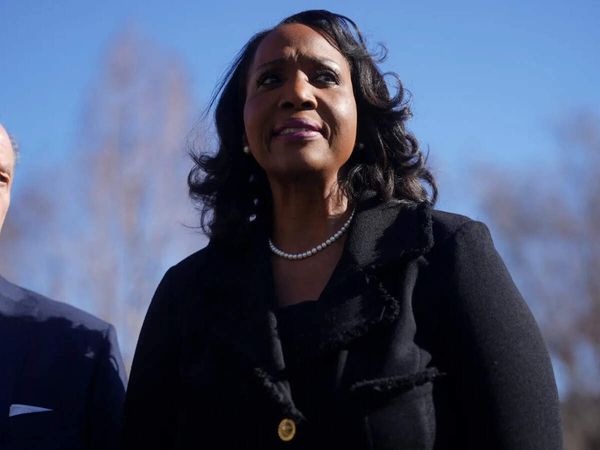
Los Angeles County Supervisor Janice Hahn, whose district includes Santa Fe Springs, called in 2024 for Phibro-Tech to be shut down unless it could clean up its act. In an email, she said that the department’s proposed regulations need more work. “I am hopeful that there will be room for stakeholders and the communities most impacted by pollution to weigh in and further strengthen these rules,” she said.

Diluted and Delayed
Before the passage of SB 673, the department was under fire.
In 2014, the California State Auditor found that the department had failed to hold polluters accountable for their toxic messes, including nearly $200 million in unbilled or uncollected cleanup costs.
In 2015, the U.S. Attorney’s Office stepped in to close down the Exide Technologies lead-acid battery recycling plant in Vernon after the Department of Toxic Substances Control let it operate for decades on an expired permit and after the company had racked up scores of environmental violations. The widespread lead pollution stemming from the facility constitutes the largest, most expensive environmental cleanup in state history.
Environmental justice groups saw SB 673 as a way for the department to start making amends for its failures. But giving the department power to suspend or deny a permit based on cumulative impacts would be a political hot potato.
Regulated industries said they shouldn’t be held legally responsible for other people’s pollution, especially if their facilities have already been operating in communities for many years.
Industry groups and companies with financial interests in hazardous waste management — including Phibro-Tech, the California Chamber of Commerce and the Western States Petroleum Association, one of the biggest spenders on lobbying in Sacramento — earlier this year warned in a joint letter to state regulators that tougher rules could lead to more hazardous waste being shipped out of state.
Capital & Main reached out to the petroleum association and the Chamber of Commerce. Both declined to comment for this story, as did Newsom’s office.
Community and environmental groups, for their part, said regulators should have to consider the combined effect of all nearby pollution sources when deciding whether to issue a permit to a facility.
“People have a right to health more than any one business has a right to exist in any one place,” said Ivana Castellanos, toxics program manager for Physicians for Social Responsibility-Los Angeles, an environmental health advocacy group.
For more than two decades, California regulators have recognized the value of addressing the cumulative impacts of pollution — at least in principle. As a 2010 report by the California Environmental Protection Agency put it: “Achievement of environmental justice will require new tools and approaches to address the combined effects of various pollutants, rather than considering them one at a time.”
In 2022, when the department was still working on its rules, the agency sought guidance from the New Jersey Department of Environmental Protection, according to emails obtained through California Public Record Act requests. New Jersey had passed its own version of SB 673 in 2020. In 2023, that state adopted landmark laws allowing regulators to deny permits on new facilities based on cumulative impacts.
Cracks in California’s approach, however, emerged years ago when state lawmakers were still drafting the legislation. An early version of the bill said the department “shall adopt regulations establishing additional criteria” in issuing permits and specified that the criteria “shall include” cumulative impacts.
By the time SB 673 was signed into law seven months later, that language had been revised. The law that was passed said the department “may include” additional benchmarks for permit denials or suspensions and can “consider” cumulative impacts as part of any such new criteria.
That softening frustrated Andria Ventura, legislative and policy director with the nonprofit Clean Water Action, who was involved in the discussions around SB 673. But it didn’t come as a surprise to her given how such massaging of language is typical during the legislative process, she said.
“We’re trying to be more prescriptive in our bills,” Ventura said, “because I’ll tell you this: If you give too much leeway to an agency, often they drop the ball.”
A Gift to Industry?
At a February public hearing, about a dozen environmental advocates and community members criticized the draft rules, saying they wouldn’t meaningfully improve the status quo.
“There are no identifiable additional protections to the community,” said Jenny Nack with the environmental advocacy group Parents Against Santa Susana Field Laboratory during the meeting. “It’s just extremely frustrating.”
As outlined, the proposed rules use only one new clear threshold for the department to deny or suspend a permit, and that’s based on the cancer risk from a facility’s emissions rather than from cumulative impacts. It’s an approach environmentalists said sets such a high bar for failure that it’s likely no facility will ever be denied on that basis.
Environmental health experts and community groups have also found fault with other elements of the proposed rules. They said that community vulnerability assessments, which facility operators in disadvantaged neighborhoods would have to conduct, aren’t stringent enough and that the proposed rules are too vague about the steps facilities would have to take to reduce toxic emissions.
At the same time, the department appears to have made changes to the rules during the rulemaking process that reflect the wishes of industry groups.
In 2021, the Department of Toxic Substances Control issued a detailed 100-plus page draft document for the rules centered on an approach to place facilities into tiers using a state mapping tool called CalEnviroScreen. This tool evaluates census tracts based on pollution burdens and socioeconomic factors. The facilities in the most vulnerable neighborhoods would have been given the toughest regulatory scrutiny.
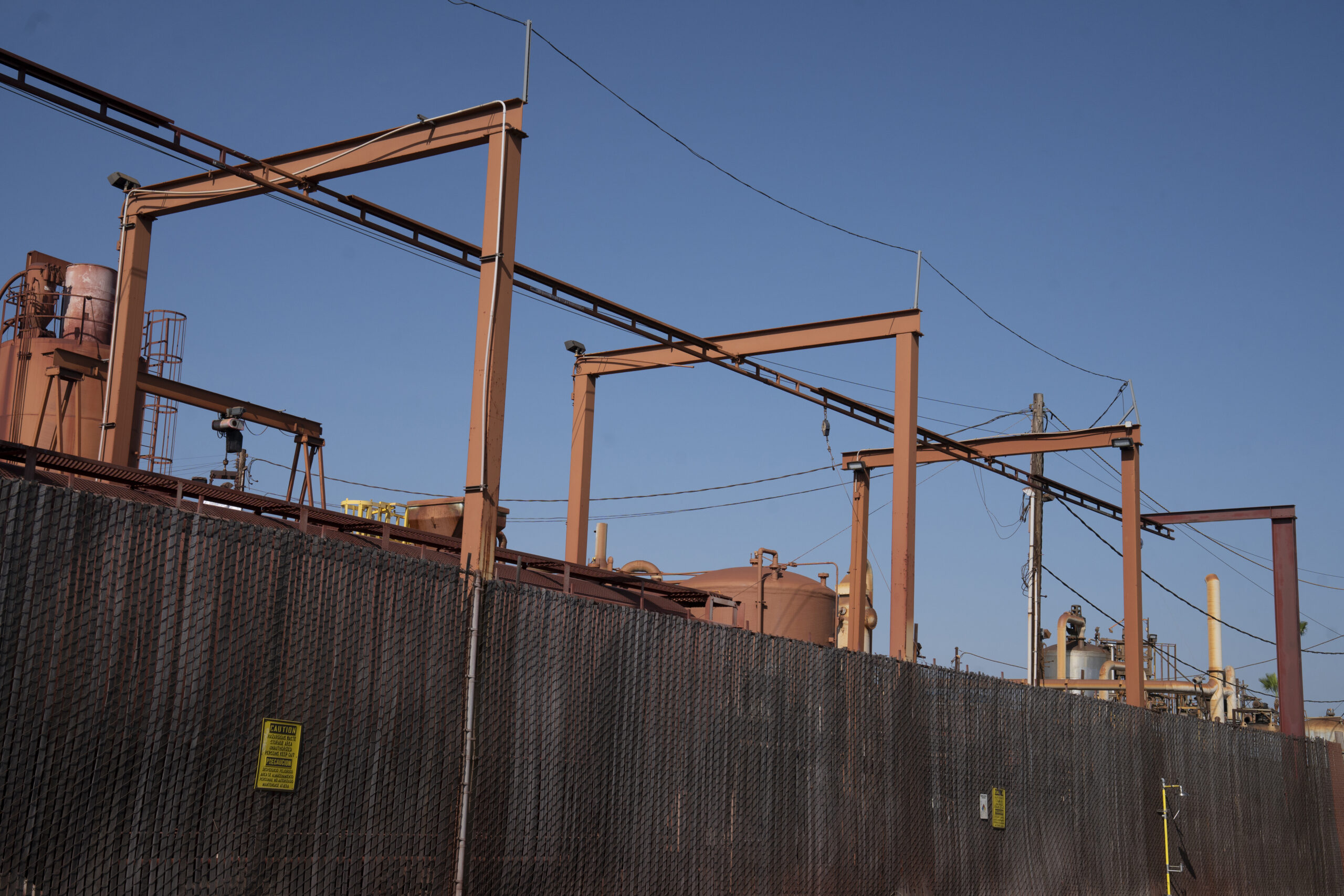
Industry representatives, however, railed against the proposal. Clean Harbors Inc., which operates the Buttonwillow hazardous waste landfill in Kern County and hazardous waste storage and treatment facilities elsewhere in California, described the plan as “inherently unfair” to existing facilities in part because it would make them responsible for pollution “entirely unrelated to the facility” — pollution, they said, they’re not legally accountable for. The tiered approach, the company added, would never pass scientific scrutiny.
The department ultimately agreed, rejecting its tiered plan citing feedback it had received that it was “too complex and difficult to understand.”
But environmental justice groups said the department’s latest proposal is too weak to make a meaningful difference in their communities.
Among them is the Clean Air Coalition of North Whittier and Avocado Heights, a community group that has long fought operations at the nearby Ecobat lead-acid battery recycling plant. Despite a long history of infractions, including hazardous waste storage violations detailed in a consent order with the state last year, Ecobat’s facility in the City of Industry had been operating on a permit that expired in 2015 until the Department of Toxic Substances Control approved its renewal last year.
State environmental agencies had already identified the area around the plant as one of the worst polluted communities in California. Last year, the community group spent more than six months trying to determine just how bad its exposure to pollution was. Its self-described “ground-truthing” study found about 75% more pollution sources, including some near daycare centers and other sensitive locations, than would be identified under the department’s proposed approach, which would evaluate a much narrower range of facilities.
“How can you even possibly allow and commit a facility to continue under these conditions?” said Daniel Talamantes, a member of the Clean Air Coalition who worked on the study.
Angela Johnson Meszaros, senior attorney with the environmental nonprofit Earthjustice, said that the state’s proposed plan fails to answer a fundamental question: How much pollution is too much?
“DTSC had a decision to make,” Johnson Meszaros said. “And they decided to read their authority in a way that has them standing with industry instead of standing with communities.”