California deals with dementia among aging inmates
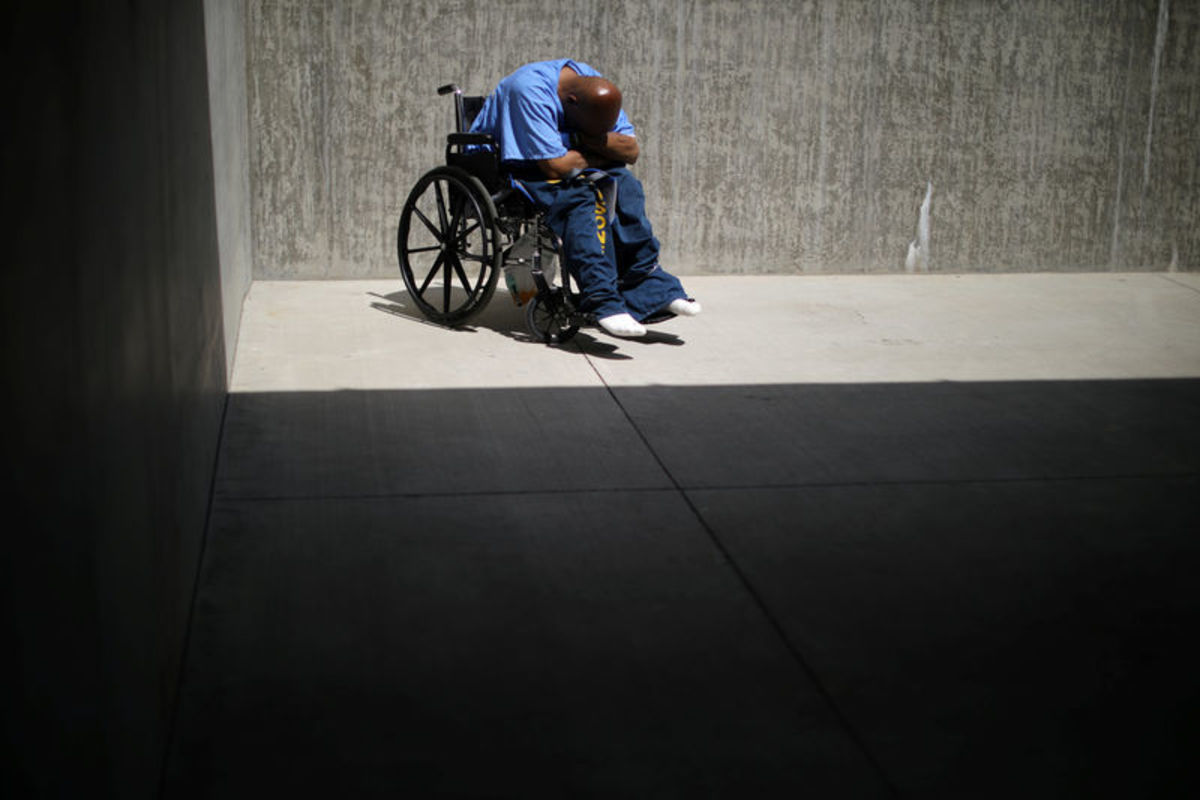
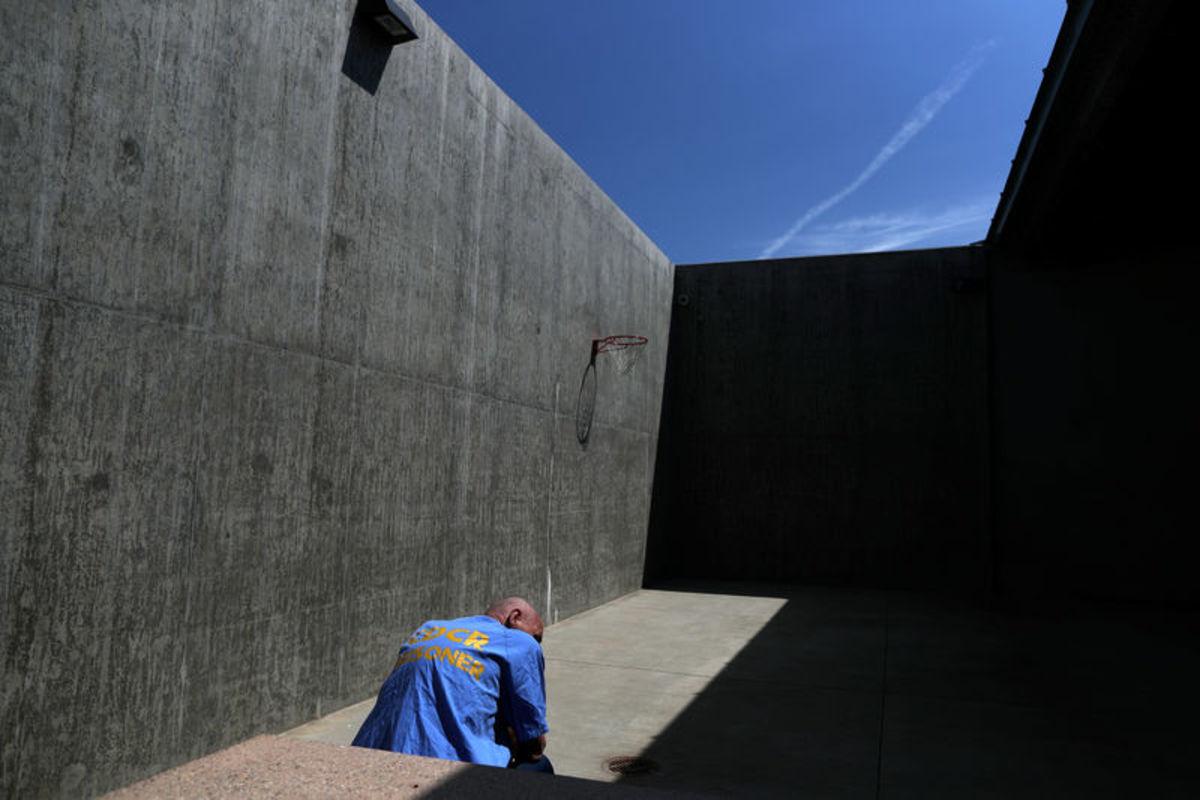
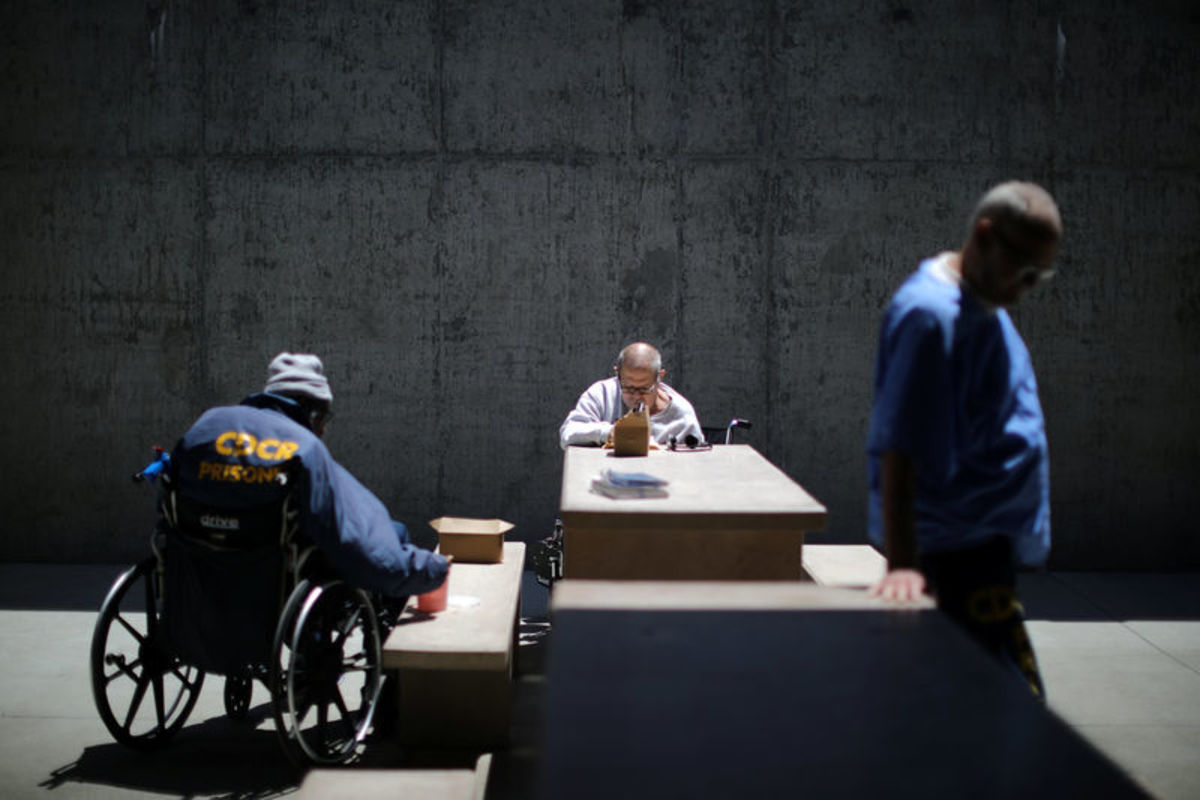
An inmate sits in the yard of a cellblock which mainly houses prisoners with cognitive decline, Alzheimer's, and dementia, at the California Health Care Facility in Stockton, California, U.S., May 24, 2018. REUTERS/Lucy Nicholson
STOCKTON, Calif. (Reuters) - California prison inmate Richard Arriola does not remember the digestion problems that drove him to the doctor on a recent morning, or details of the conviction for child molestation that sent him to prison at age 88.
Arriola is one of about 18,400 inmates over the age of 55 in California prisons, according to the California Department of Corrections and Rehabilitation.
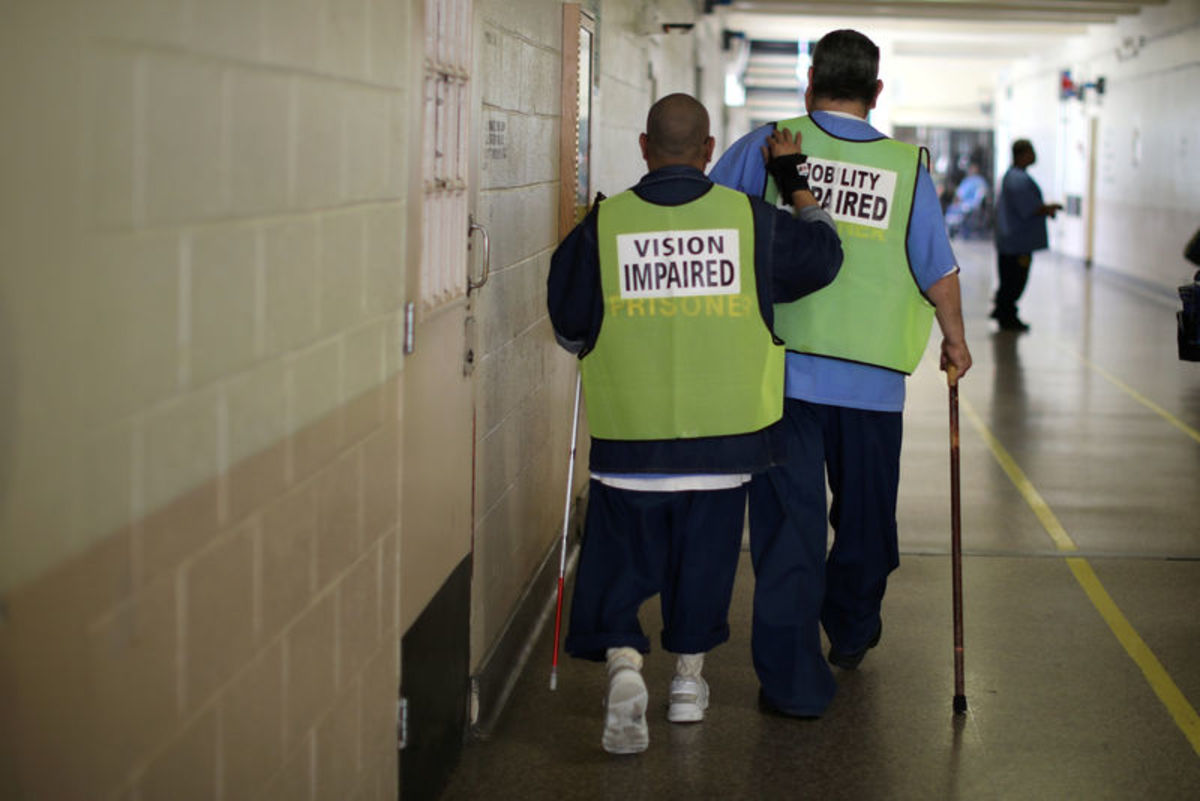
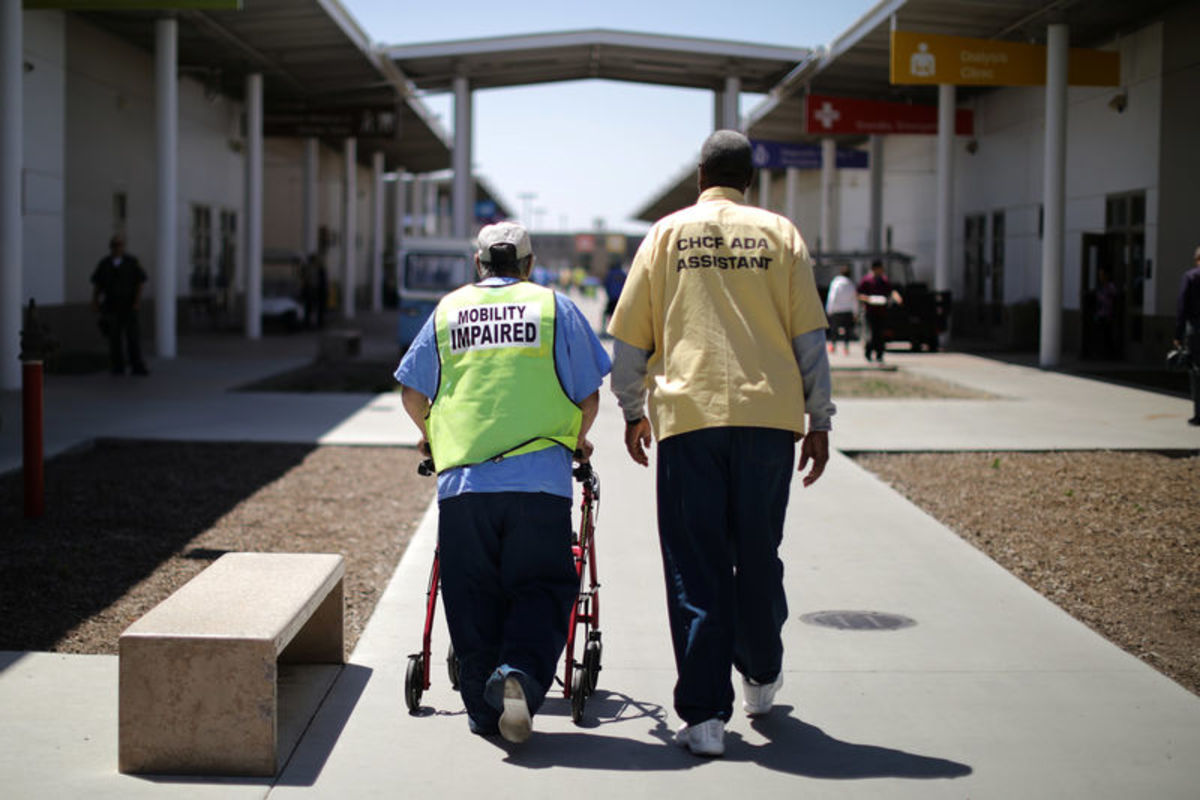
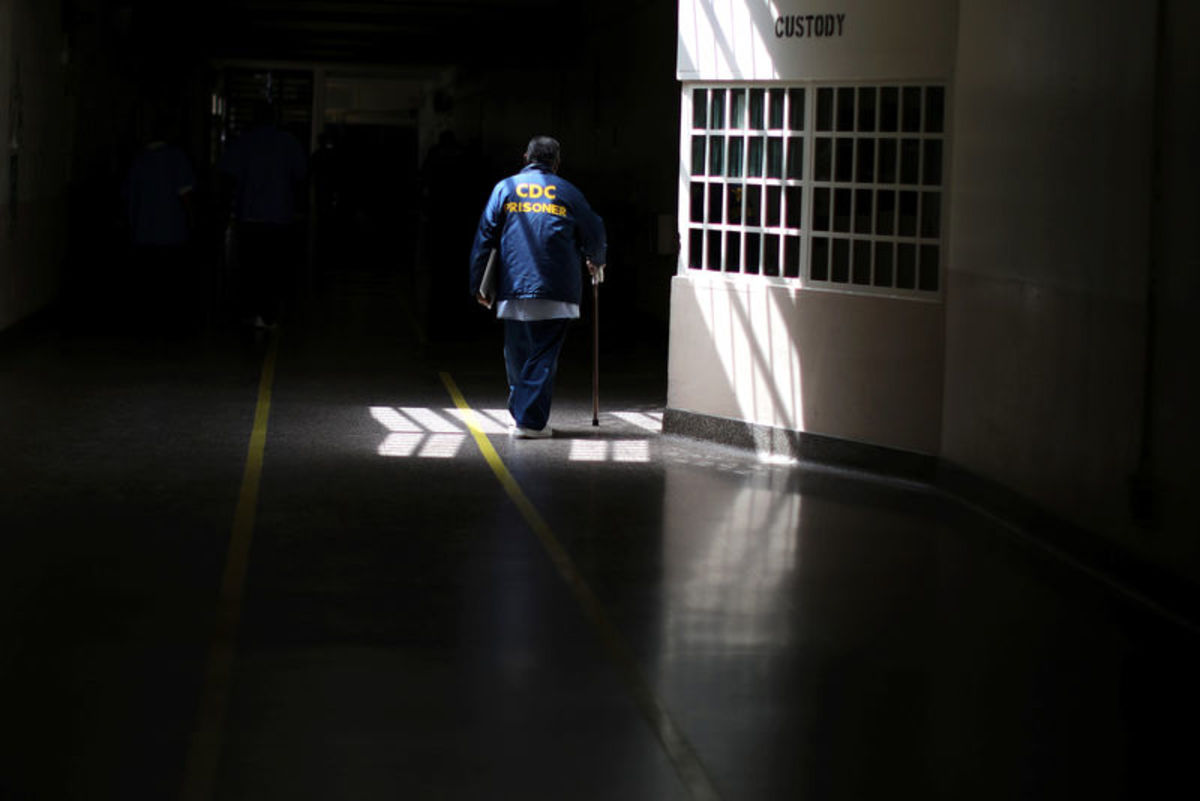
Inmates help each other walk down a corridor at the California Medical Facility prison in Vacaville, California, U.S., May 22, 2018. REUTERS/Lucy Nicholson
It is a swelling population that has led authorities to take the first steps toward creating a dementia unit at the state's main prison medical facility in the San Joaquin Valley city of Stockton, Reuters has learned.
"We have identified a specific need for a specialized unit for our dementia population and are in the very early phases of concept development," said Elizabeth Gransee, spokeswoman for California Correctional Health Care Services.
The wing would mark a shift from California's earlier efforts to treat prisoners with cognitive decline, relying on inmate volunteers and a modest staff to help them rather than a more expensive medical unit.
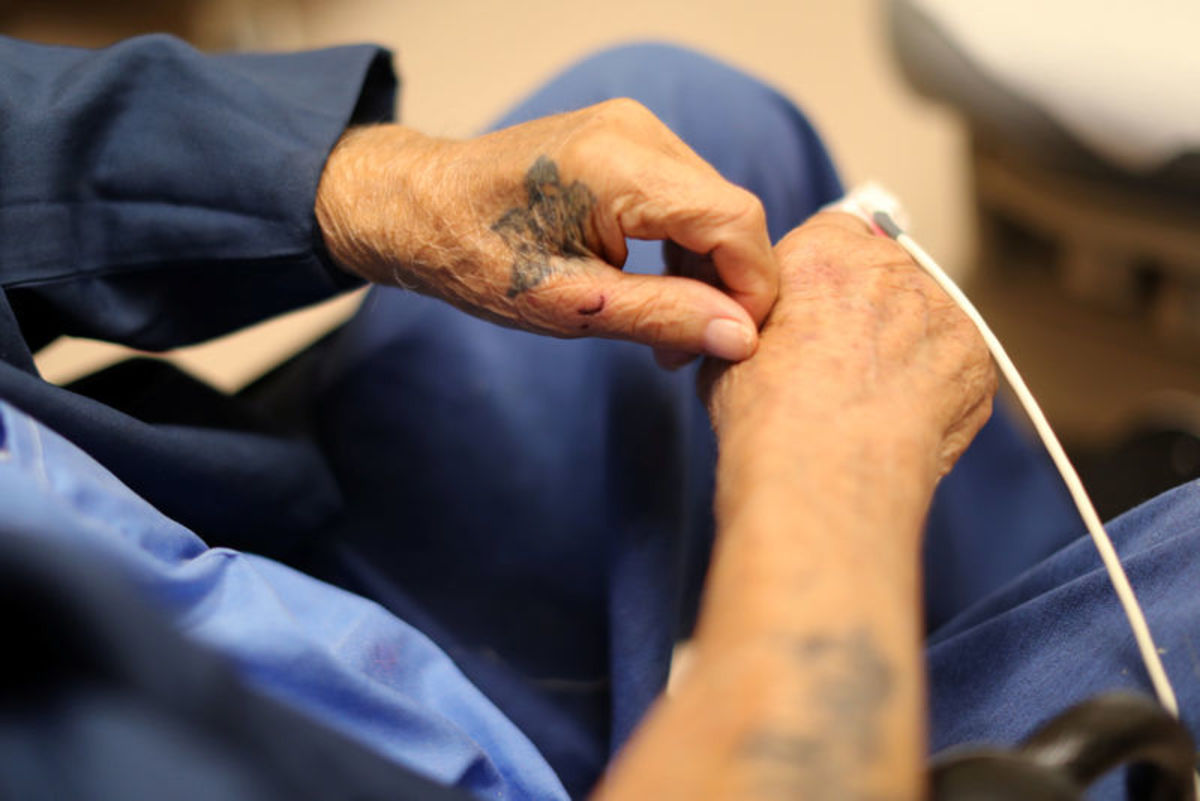
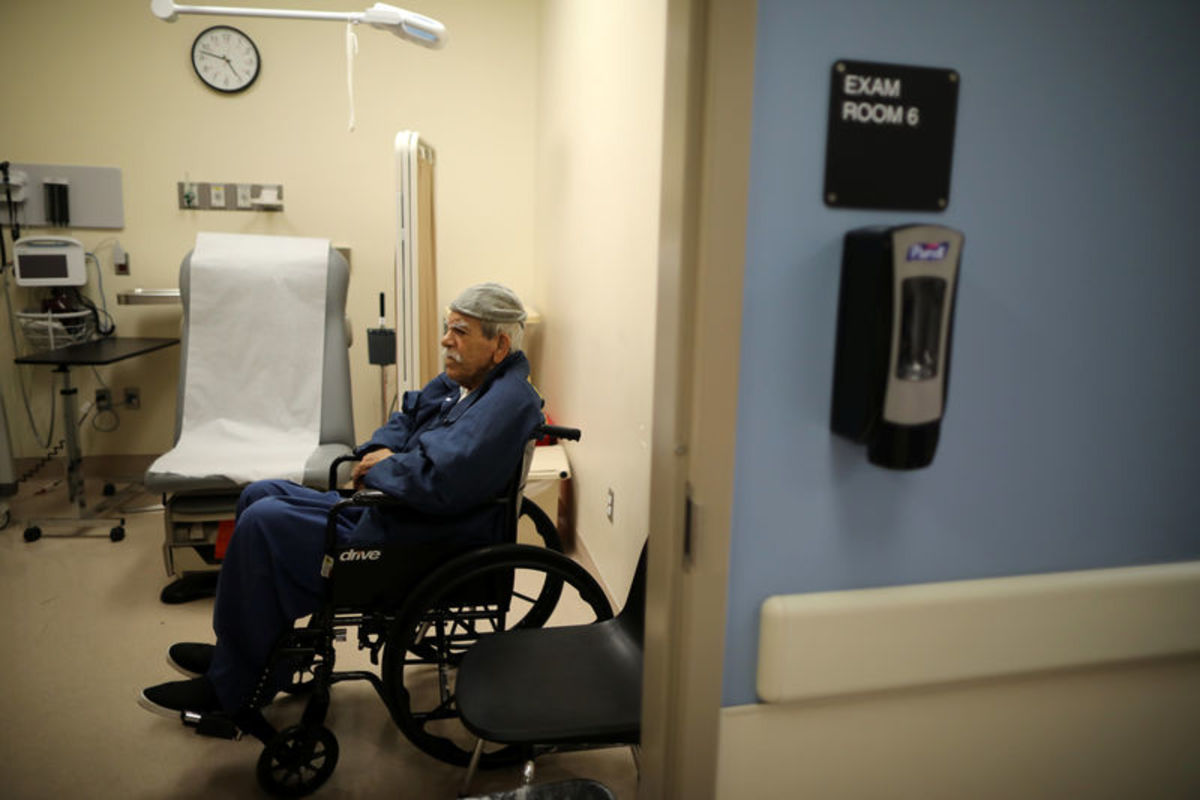
Inmate Richard Arriola, 88, has medical tests at the California Health Care Facility in Stockton, California, U.S., May 24, 2018. REUTERS/Lucy Nicholson
Reuters visited two California prisons recently to look at the challenges states face, as improved medical care, long sentences from tougher crime laws, and a steady increase of older adults entering prison has contributed to an extraordinary rise of elderly inmates.
In California, seven percent of the state's 130,000 prisoners were over the age of 60 in 2016, the most recent year for which data is available, compared to just 1 percent 20 years earlier, according to a report by the California Department of Corrections and Rehabilitation.
"We and all of the jails and prisons around the country need to be able to do a better job with individuals who have cognitive impairment," said Dr. Joseph Bick, chief medical executive at the California Medical Facility in Vacaville.
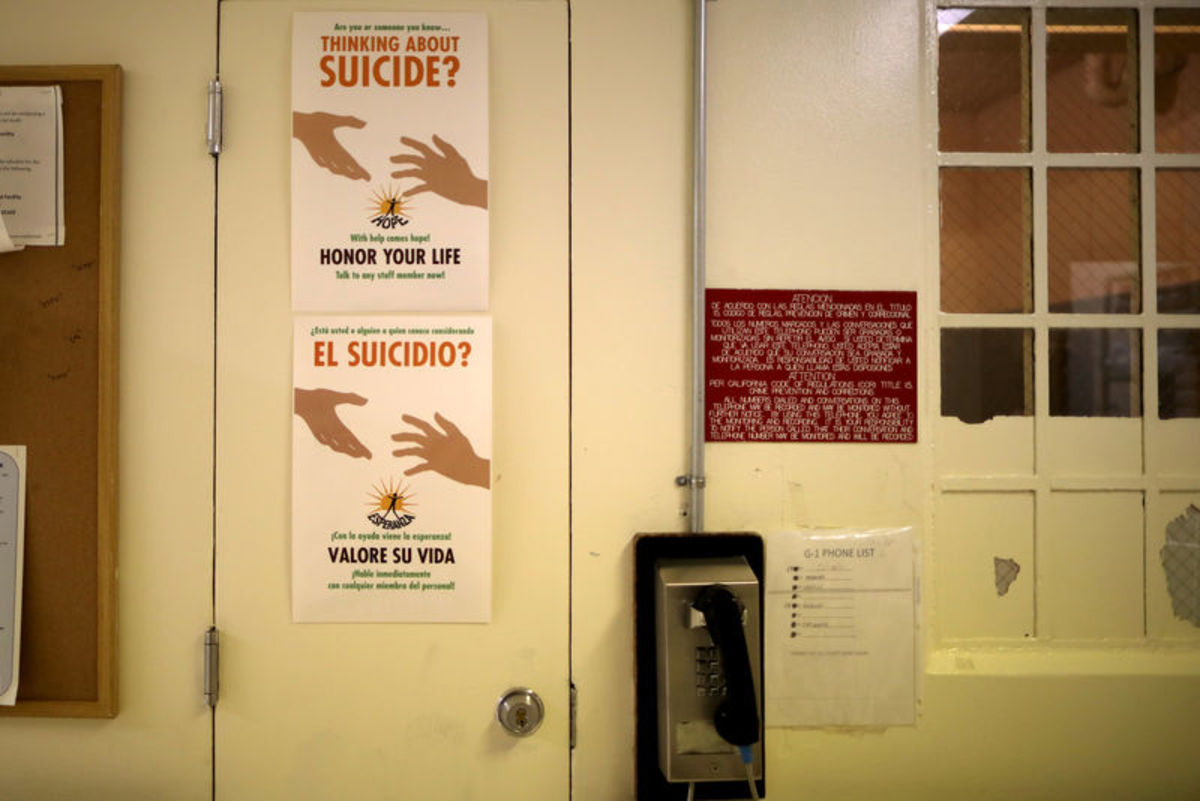
A poster targeting suicidal inmates is seen at the California Medical Facility prison in Vacaville, California, U.S., May 22, 2018. REUTERS/Lucy Nicholson
Throughout the United States, states are grappling with similar challenges as prisoners age. Inmate medical costs amount to about $3 billion per year nationwide, according to a recent report by the state of Georgia, where medical care for inmates over the age of 65 costs $8,500 per year, compared to $950 for those who are younger, the report showed.
Nationwide, 44 percent of inmates over the age of 50 have disabilities, compared to 27 percent of prisoners overall, a 2015 report by the Department of Justice shows. About 20 percent have cognitive disabilities, the report showed.
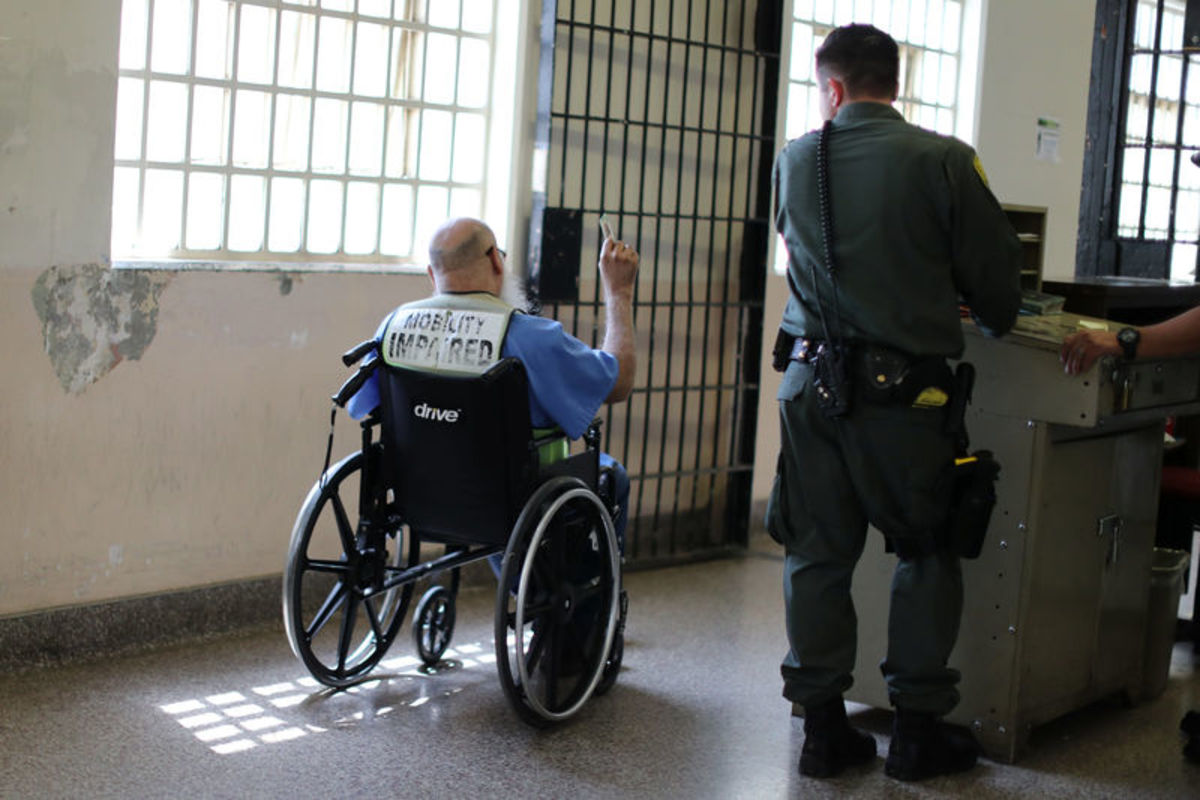
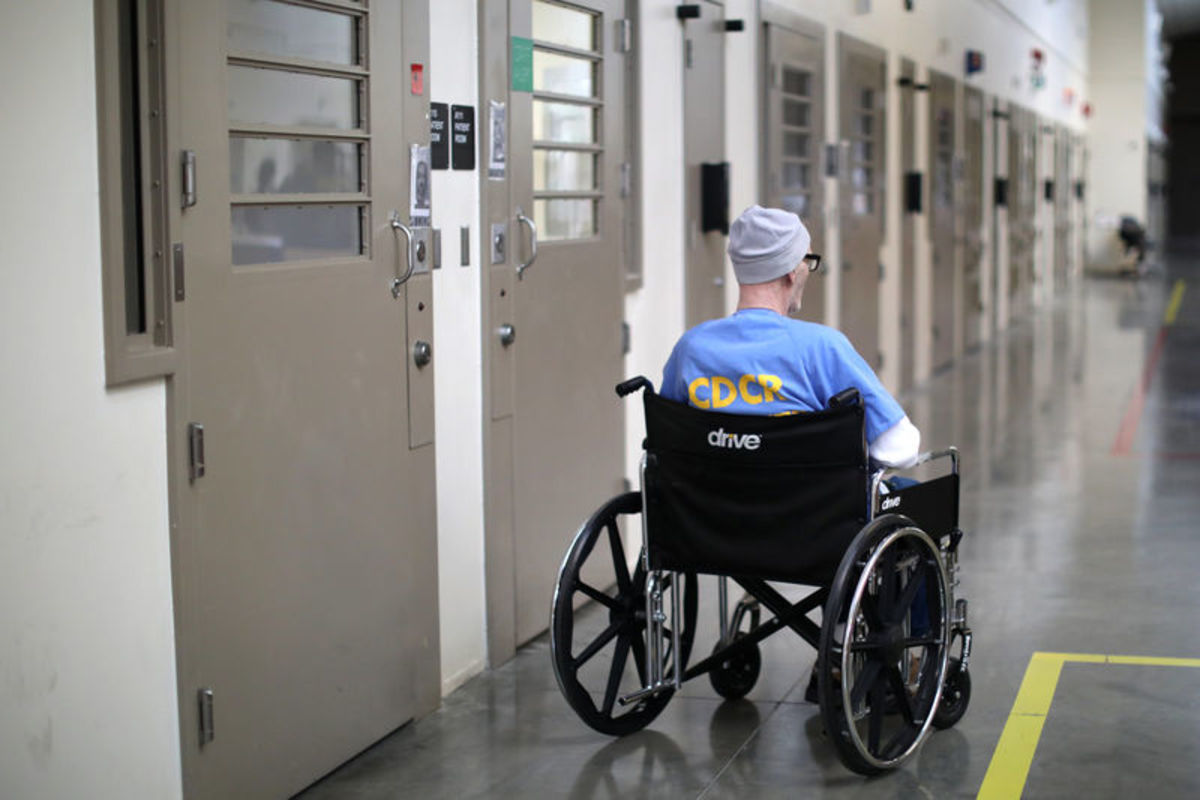
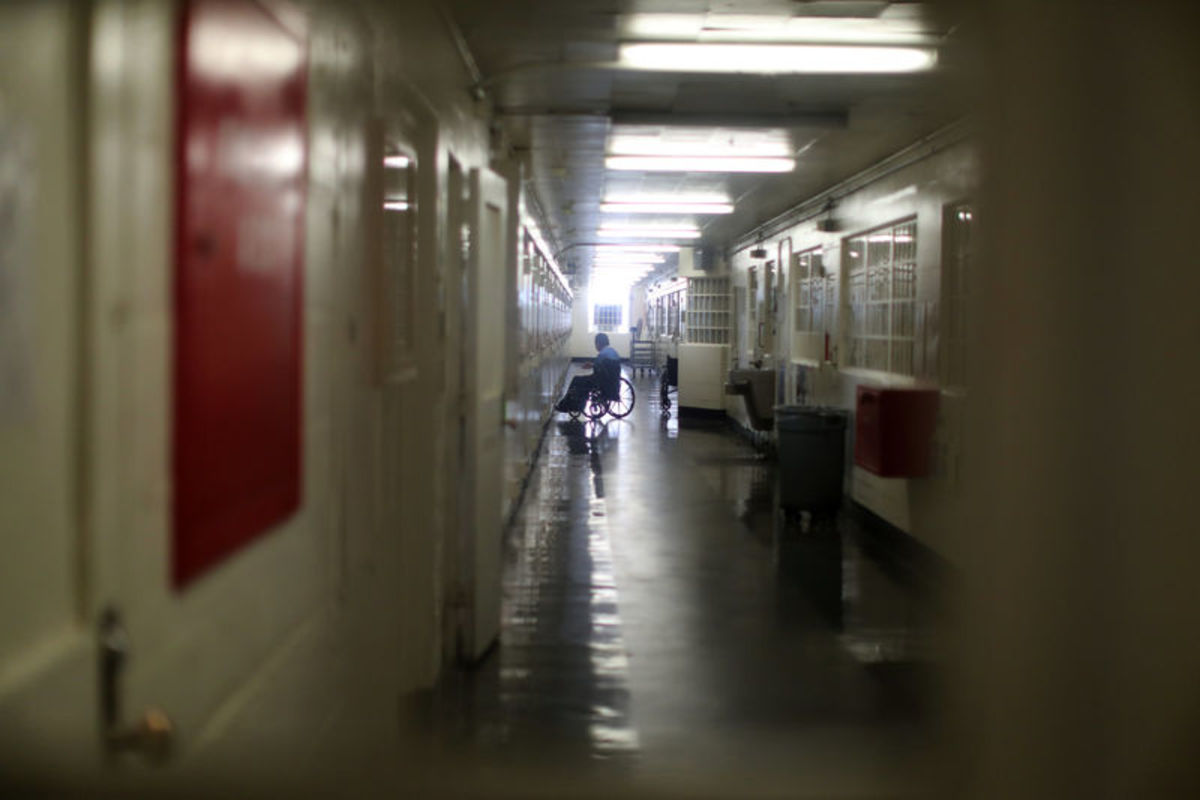
An inmate in a wheelchair passes a guard at the California Medical Facility prison in Vacaville, California, U.S., May 22, 2018. REUTERS/Lucy Nicholson
ROUND-THE-CLOCK CARE
Prisoners with cognitive decline can require round-the-clock care and help with dressing themselves, brushing teeth and going to the restroom. Because prison life - and for many, life on the streets before prison - is so difficult, inmates are considered geriatric after the age of 55 in California and many other states.
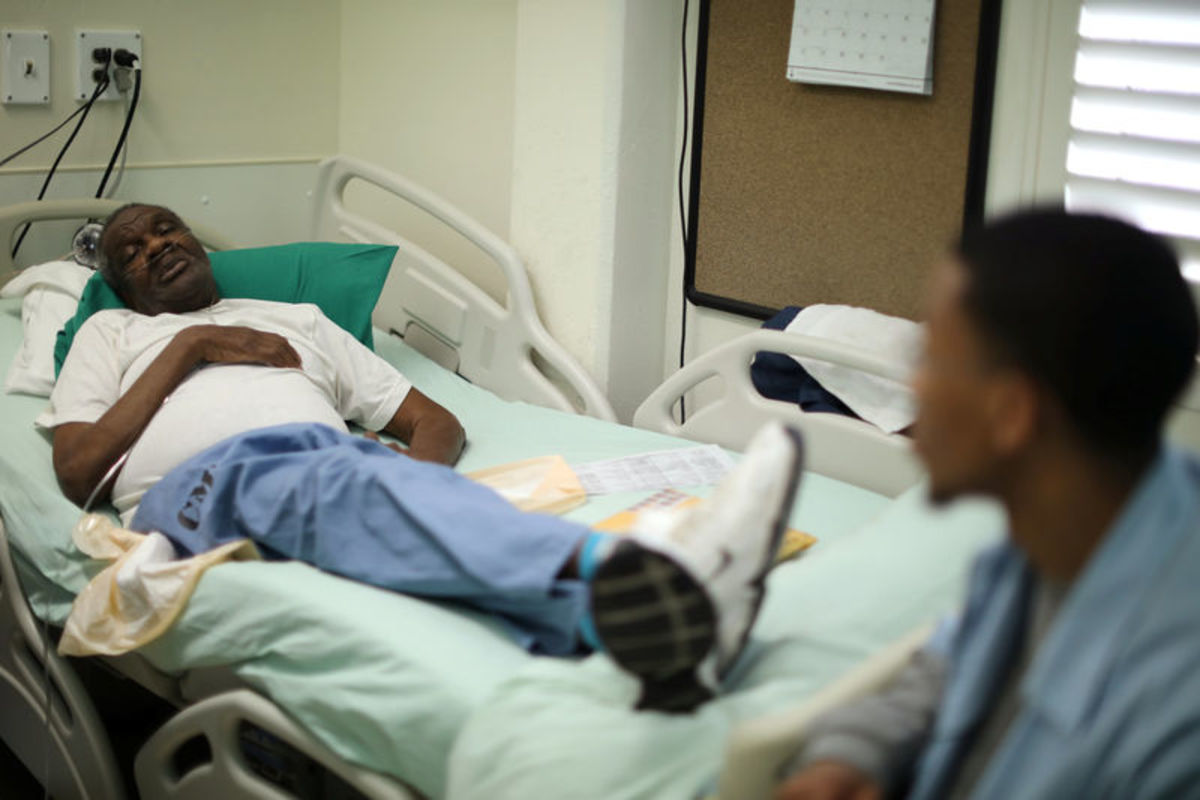
Arriola, who is housed with about 2,600 prisoners with chronic conditions at the California Health Care Facility in Stockton, came on a Thursday morning in May for a follow-up visit with a gastroenterologist. But he talked distractedly to the doctor, and said he did not recall having stomach problems.
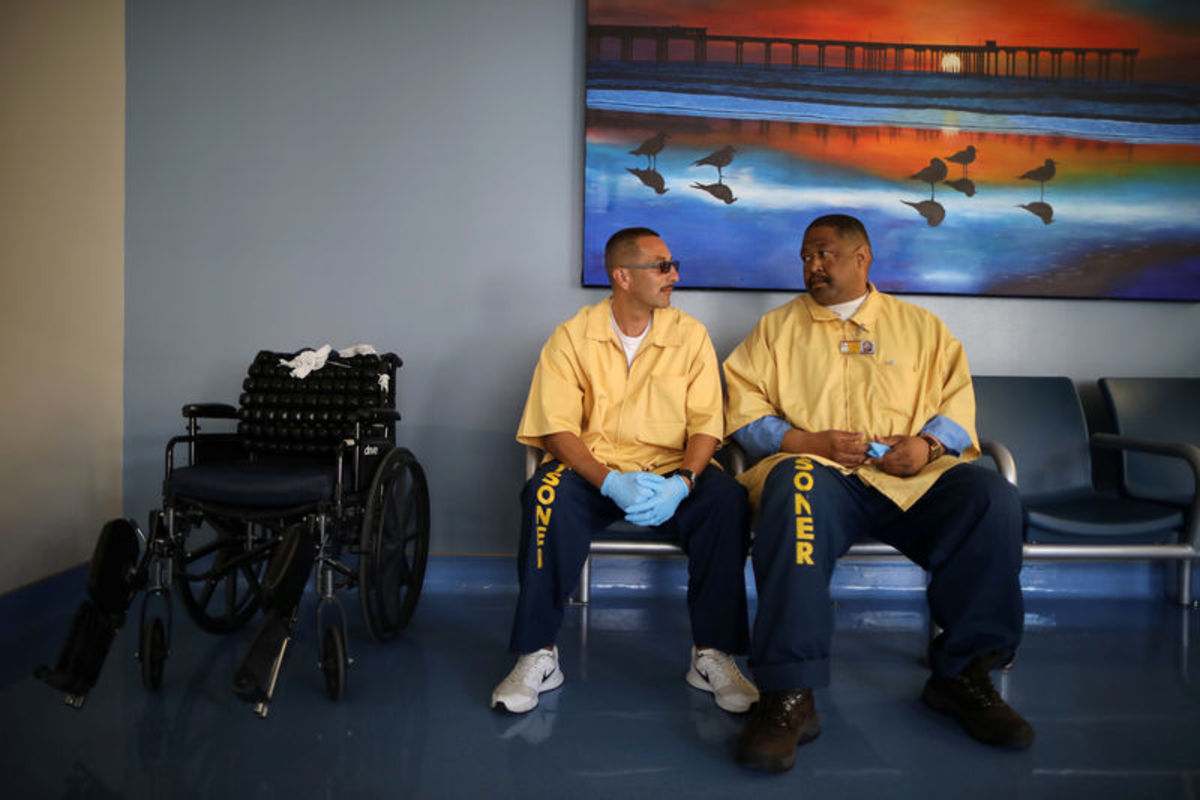
A Gold Coat inmate helps another inmate walk to a medical appointment at the California Health Care Facility in Stockton, California, U.S., May 24, 2018. REUTERS/Lucy Nicholson
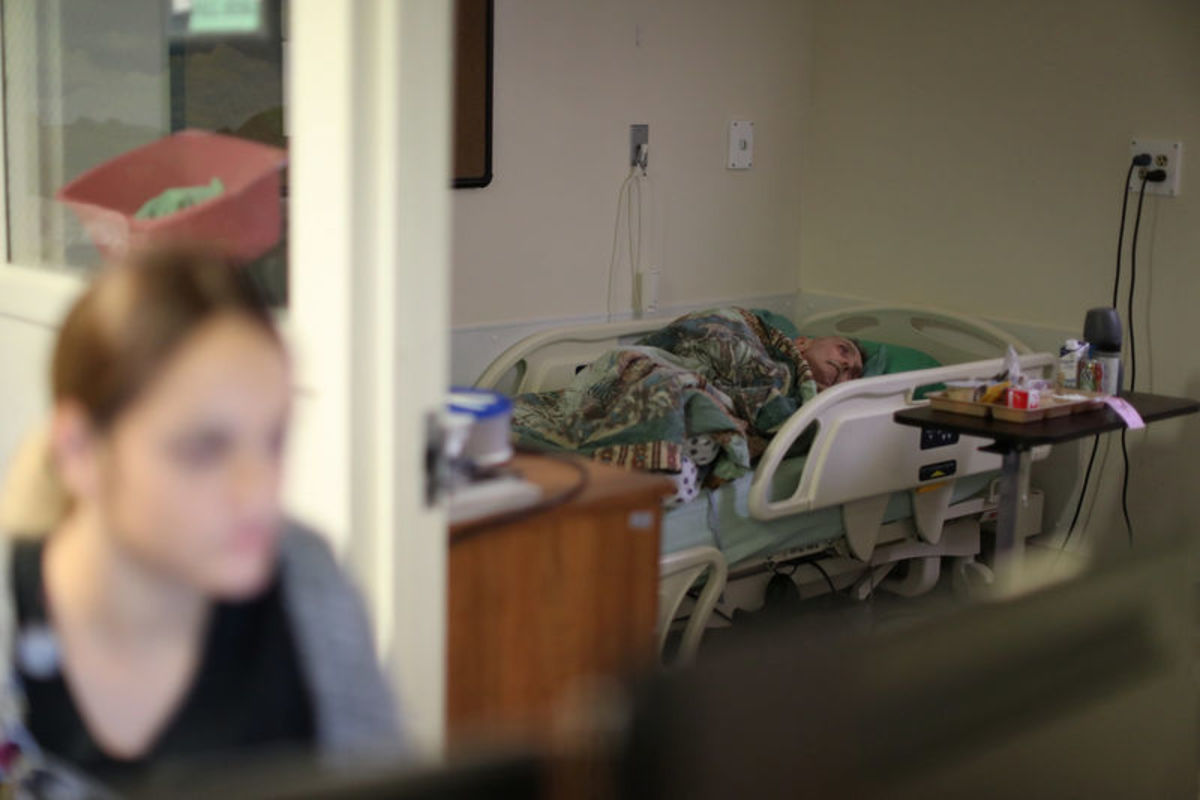
It is not an uncommon situation at the Stockton facility, where physicians and nurses are trained to work with an increasing number of patients experiencing cognitive decline, said Dr. Anise Adams, the chief medical officer.
About 500 prisoners are being treated for dementia or Parkinson's Disease in California prisons, including 200 at Stockton, officials said.
"It's hard for them to explain to the nurses what they want or how they feel," said inmate Scottie Glenn, 47, who participates in a program in which able-bodied inmates help those who are ill.
An inmate sits in the yard of a cellblock which mainly houses prisoners with cognitive decline, Alzheimer's, and dementia, at the California Health Care Facility in Stockton, California, U.S., May 24, 2018. REUTERS/Lucy Nicholson
On a recent May morning, Glenn, who is serving 25 years to life for murder, was assisting a wheelchair-bound inmate who needed to see a doctor. Sometimes, he writes letters for inmates, or helps them to communicate.
HOSPICE CARE
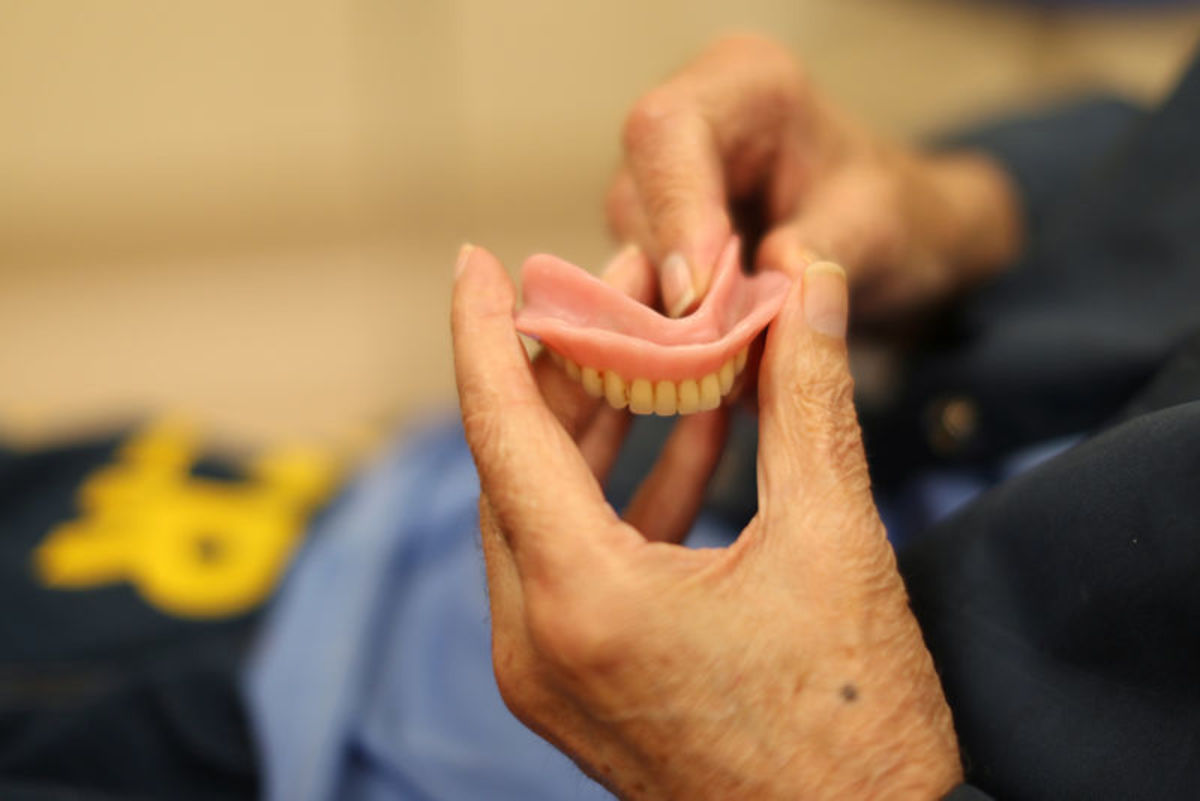
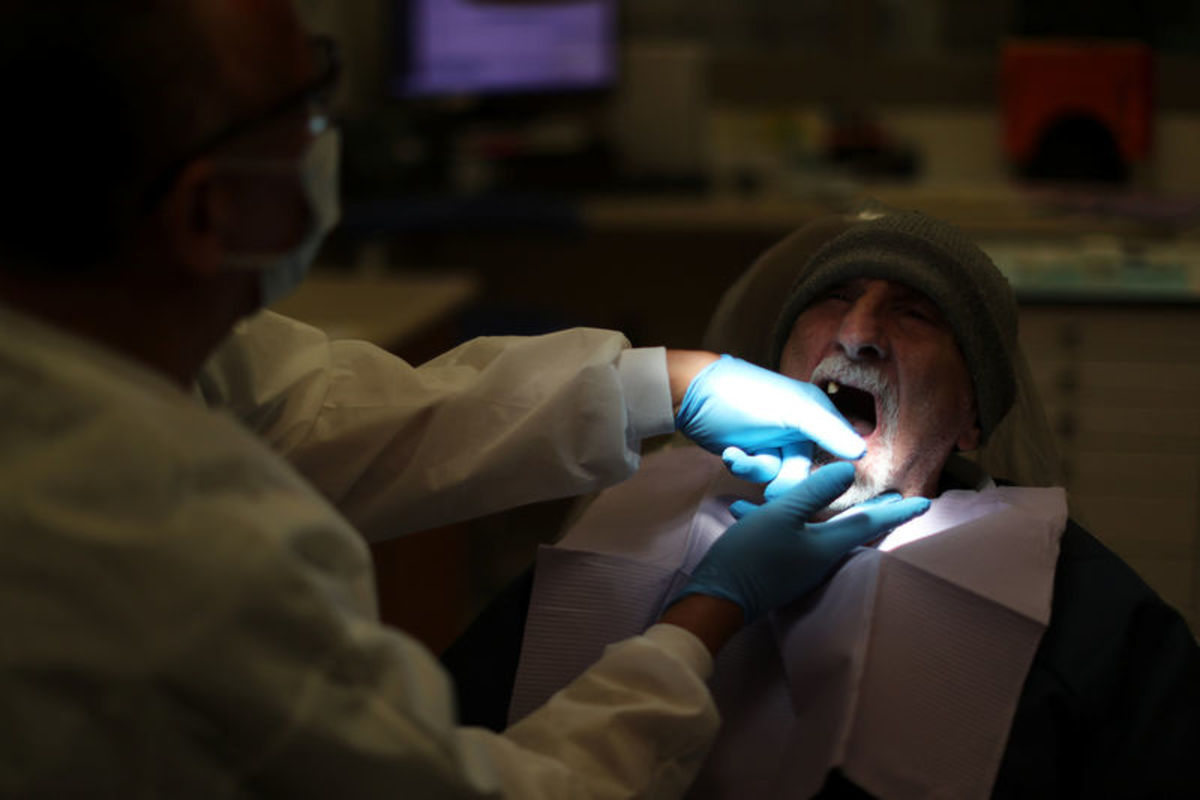
Louis Henson, 74, has his dentures fixed at the California Health Care Facility in Stockton, California, U.S., May 24, 2018. REUTERS/Lucy Nicholson
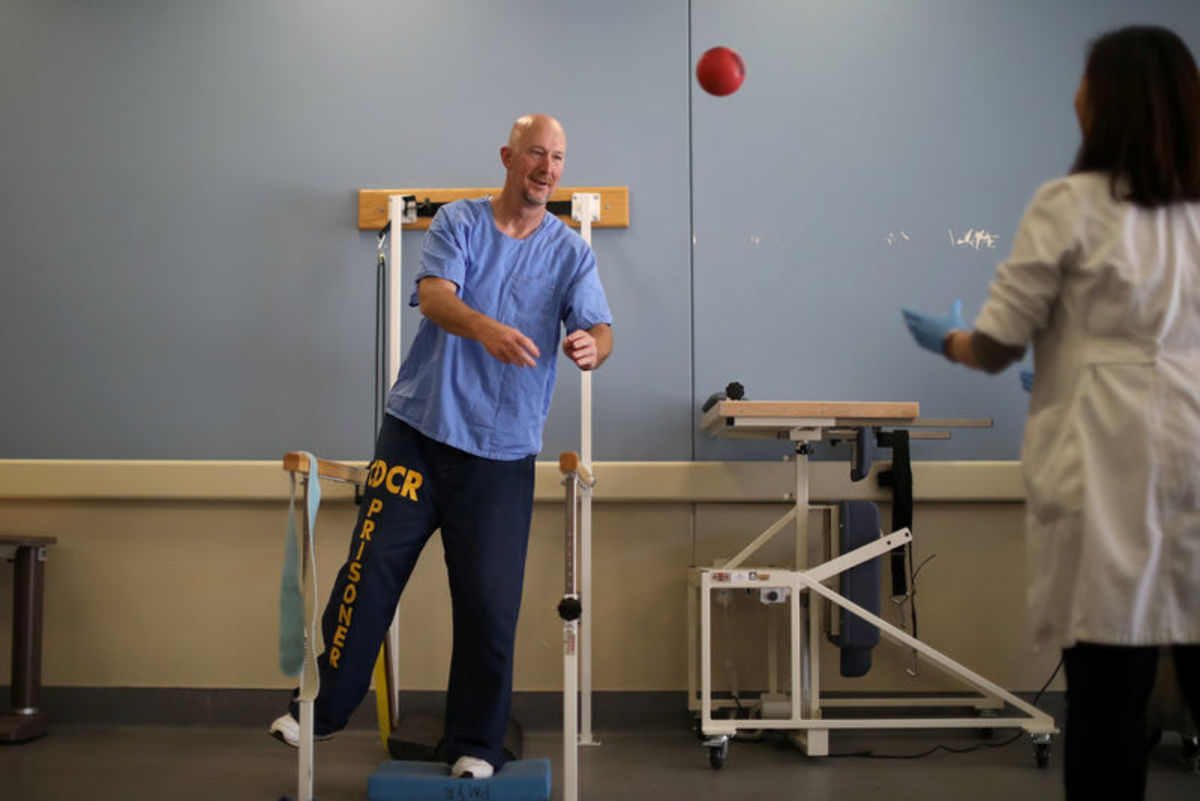
Older inmates' needs have led the state to build a large dialysis center, stock hundreds of wheelchairs and offer assistance with hearing and declining vision. Stockton's medical facility has a physical therapy center, and a palliative care unit is set to open in the next few weeks.
The California Medical Facility in Vacaville set up a hospice decades ago during the AIDS crisis, which now houses more inmates dying of old age diseases, officials said. The state expects to spend about $26,000 per inmate on health care next year.
Once a dementia unit is set up, California would follow New York, which opened one for its much smaller prison population in 2006. New York spends about $2.7 million annually to care for 29 patients in the unit, the state corrections department said.
An inmate does physical therapy at the California Health Care Facility in Stockton, California, U.S., May 24, 2018. REUTERS/Lucy Nicholson RIES.
California officials say it is too soon to know how much the unit they hope to create will cost, but it would not be difficult to re-purpose an existing ward for use by dementia patients.
Such patients wake up in the middle of the night not knowing where they are, requiring trained staff to comfort them. Others behave in ways that normally get an inmate in trouble, such as batting away a doctor's hand during an injection.
In a normal prison ward, that is considered assault, said Captain Paul Vasquez, whose job includes reviewing behavioral issues at the Stockton facility.
Louis Henson, 74, has his dentures fixed at the California Health Care Facility in Stockton, California, U.S., May 24, 2018. REUTERS/Lucy Nicholson
Inmates can be handcuffed, lose privileges and even be sent to the Security Housing Unit, where prisoners are kept in near-isolation, he said.
"We need to learn to respond to them a different way - and not in a regular mainline type of prison," Vasquez said.
For photo essay please click on: https://reut.rs/2lhHvs5
An inmate sits in a cellblock which mainly houses prisoners with cognitive decline, Alzheimer's, and dementia, at the California Health Care Facility in Stockton, California, U.S., May 24, 2018. REUTERS/Lucy Nicholson
(For a graphic on 'At the end of the sentence' click https://tmsnrt.rs/2JY2D1d)
(Reporting by Sharon Bernstein; Additional reporting by Jane Ross; Editing by Bill Tarrant and Diane Craft)
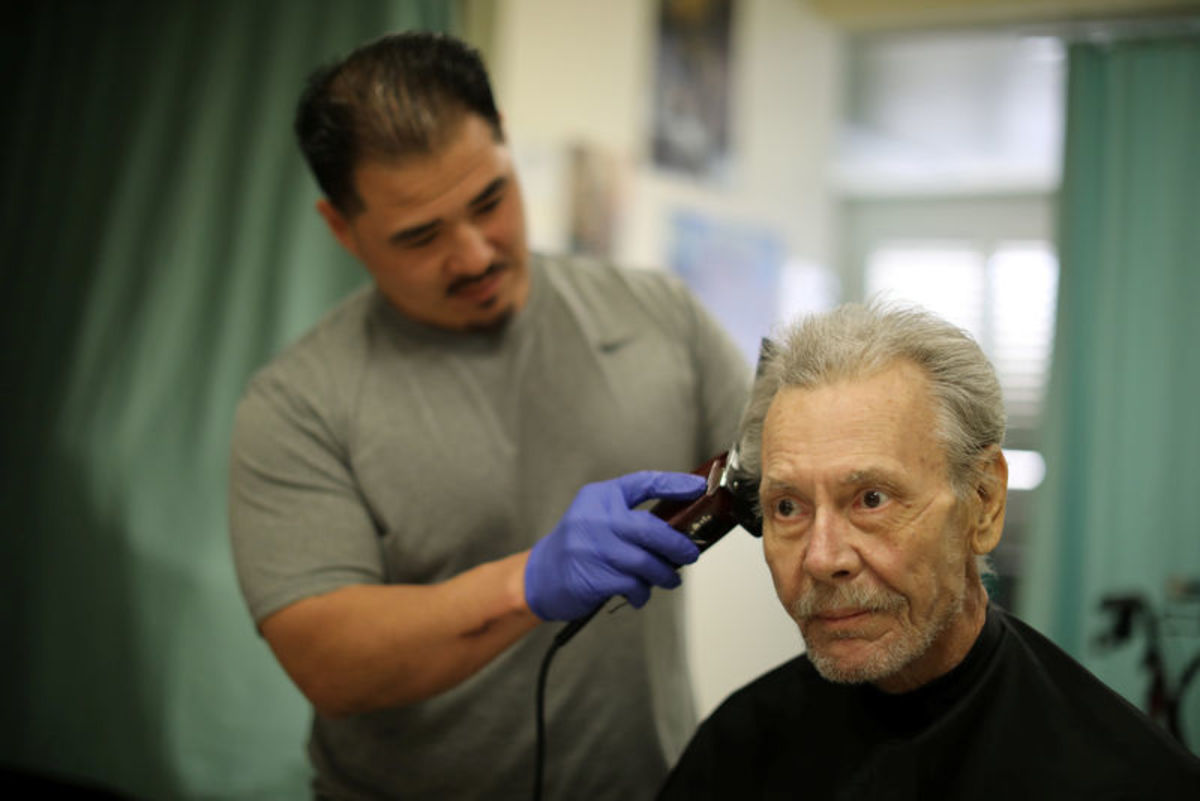
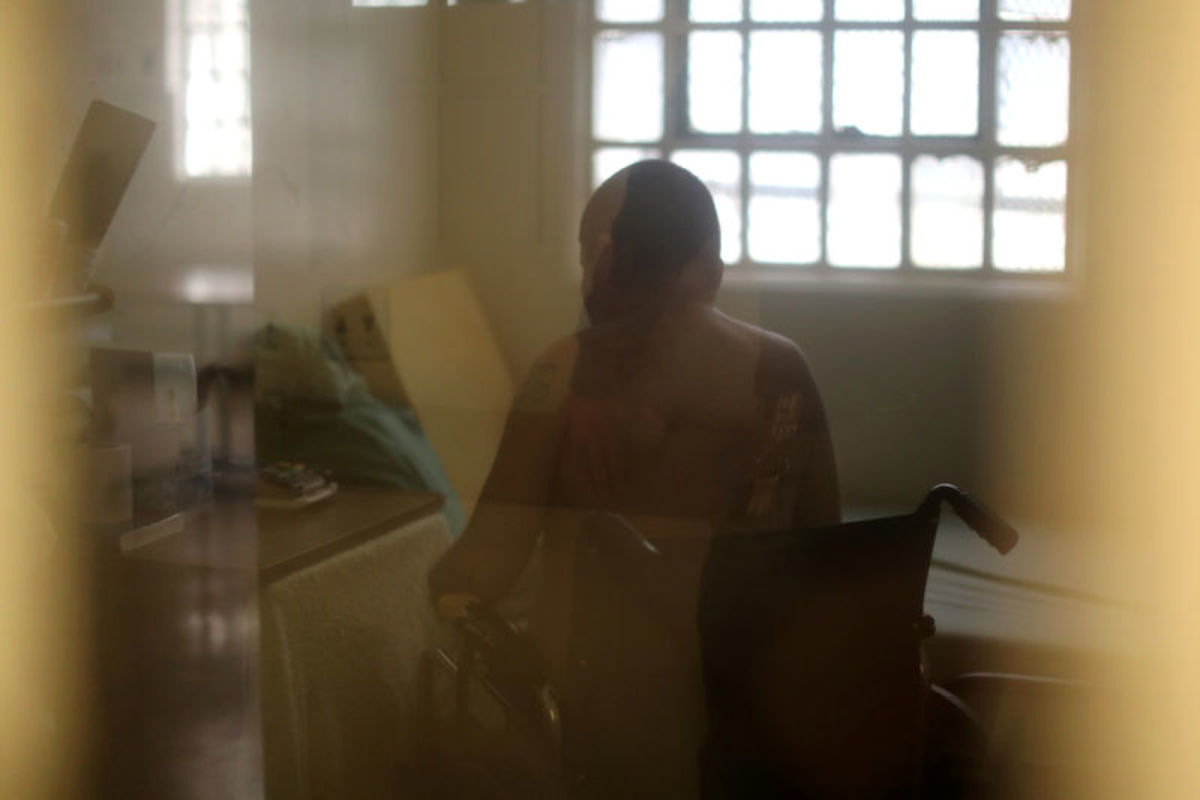
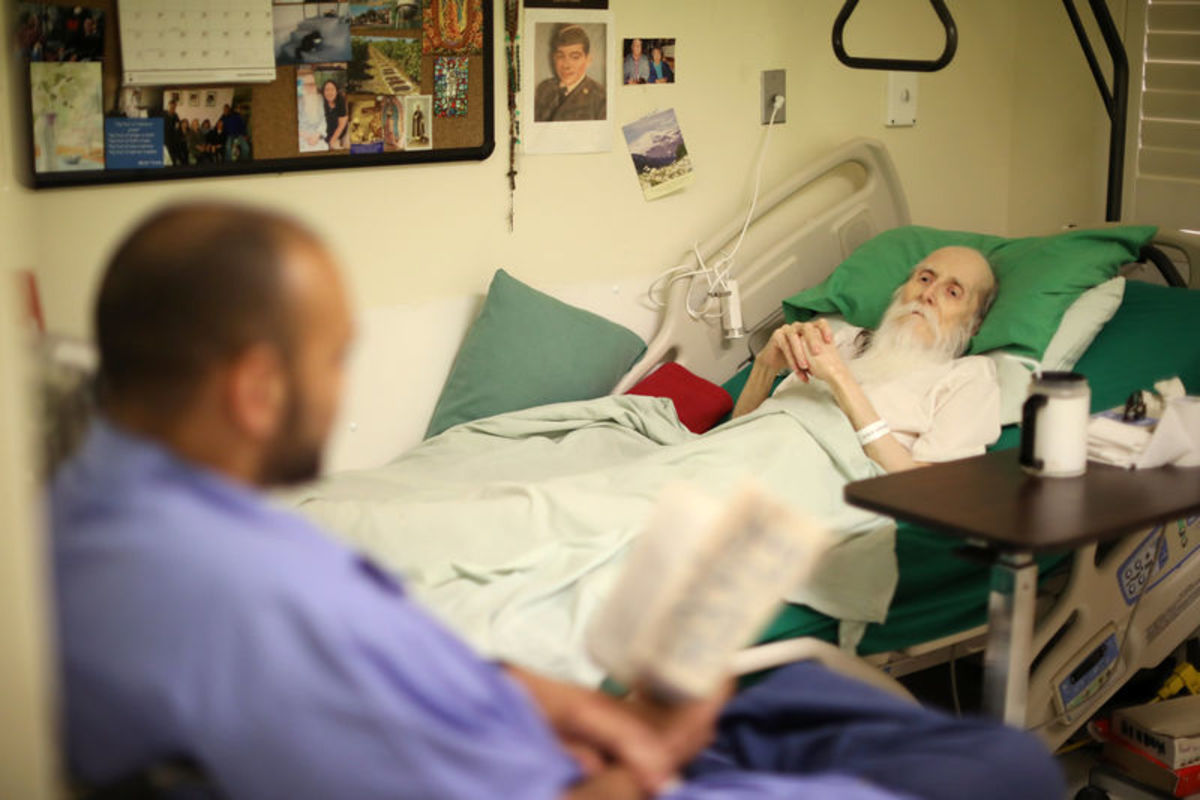
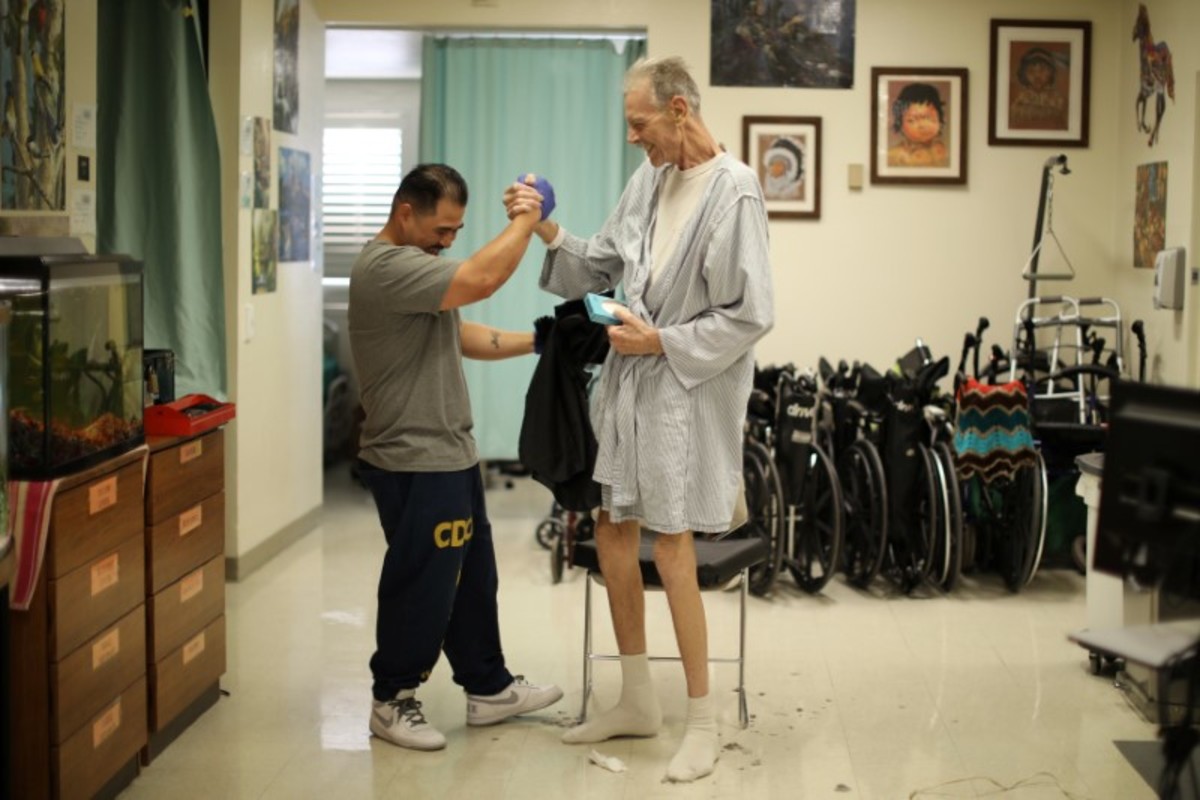
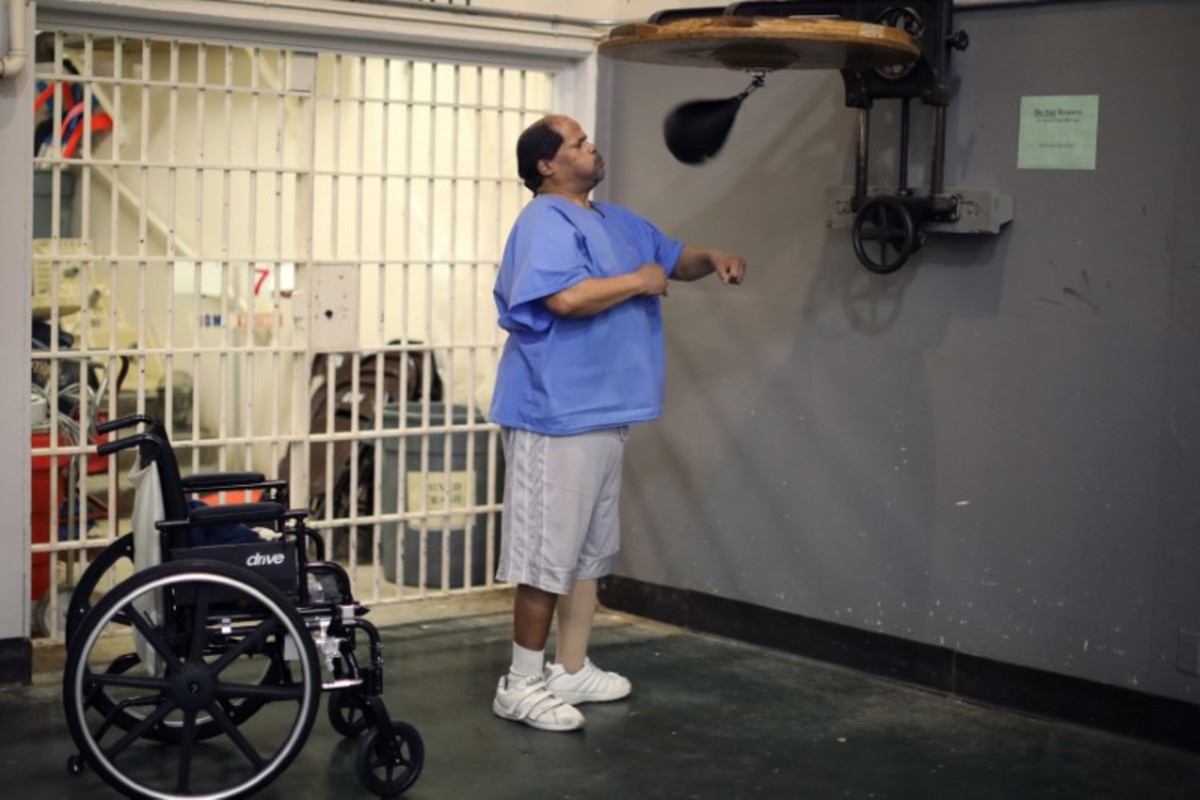
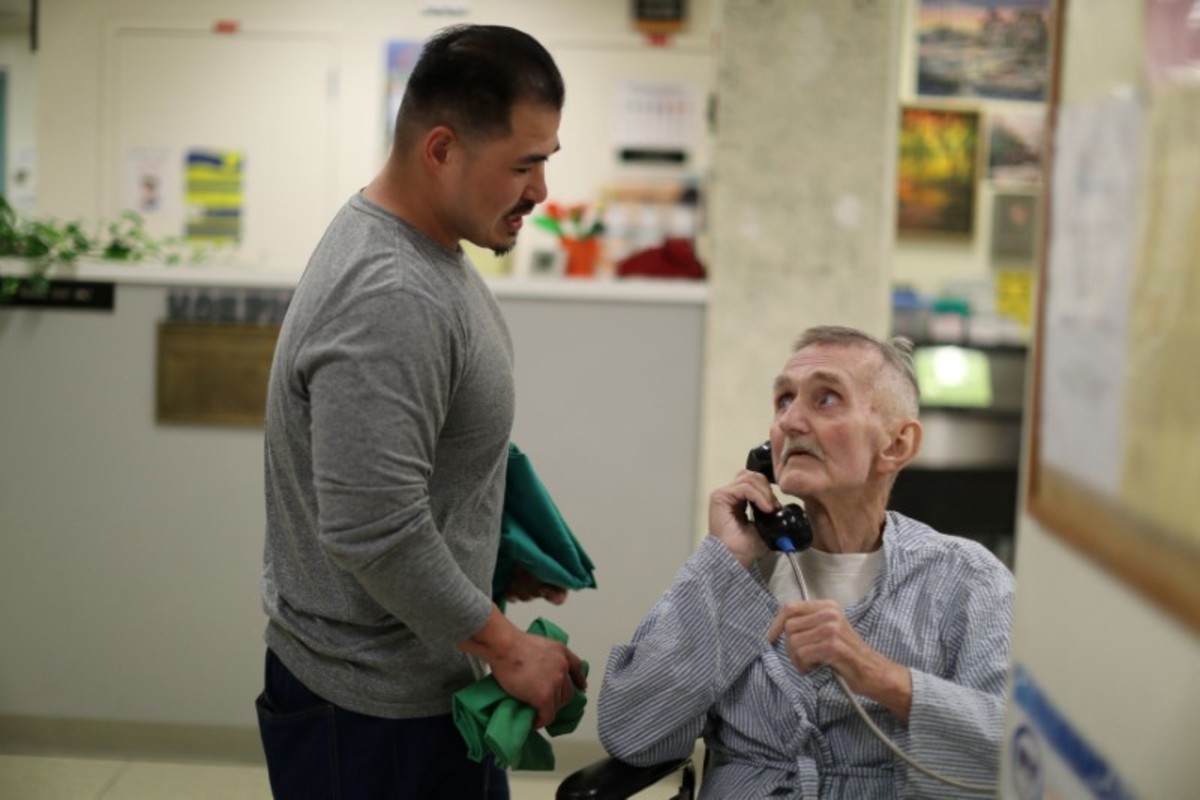
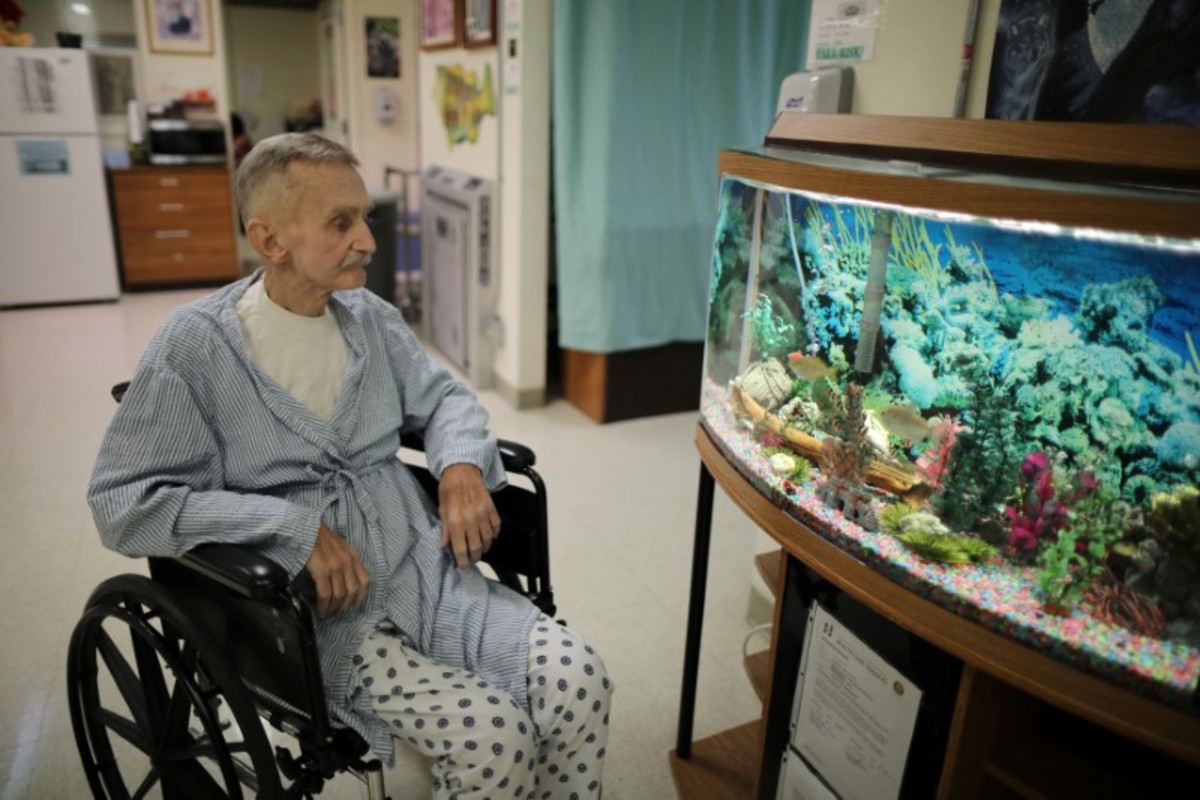
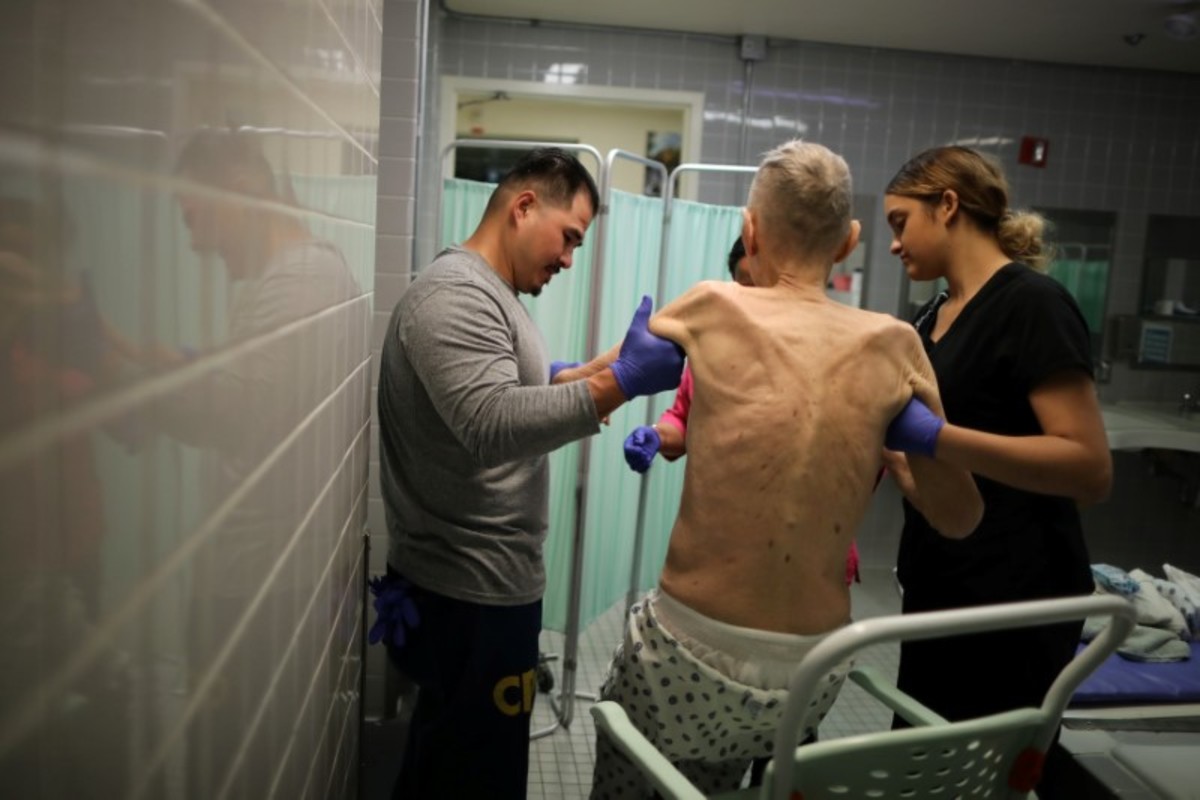
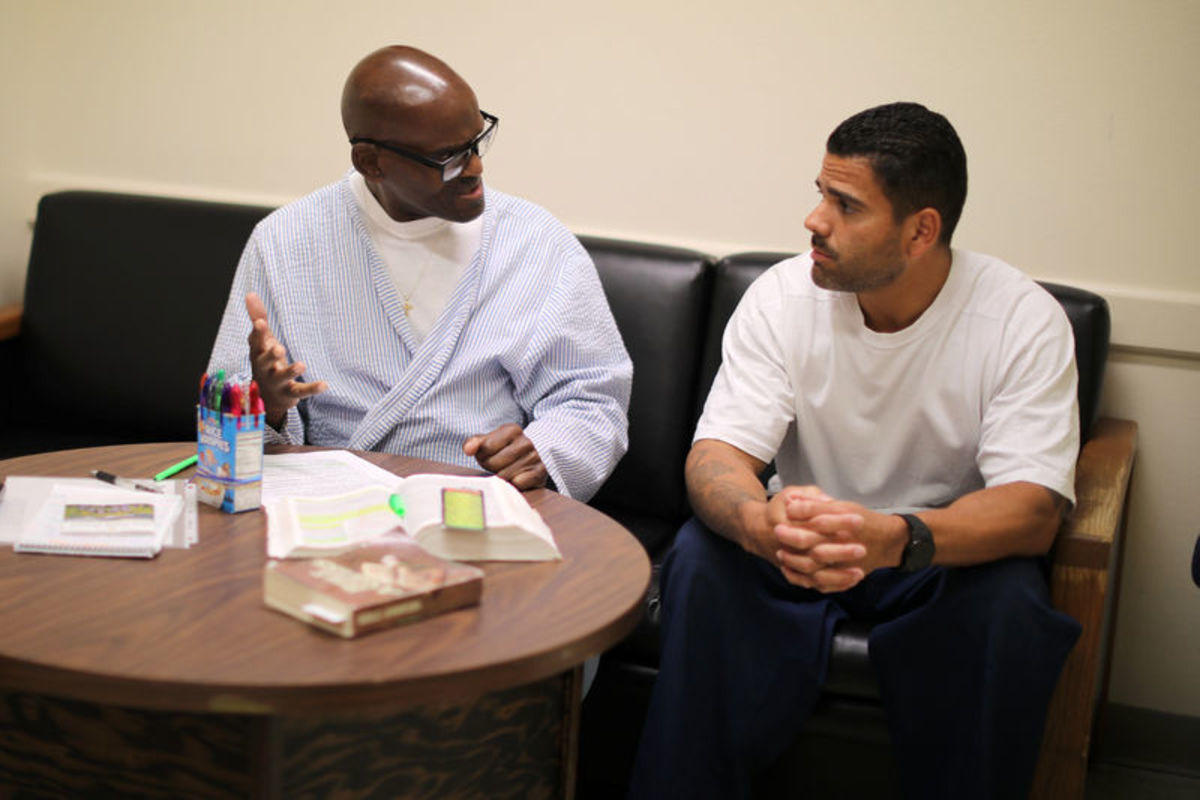
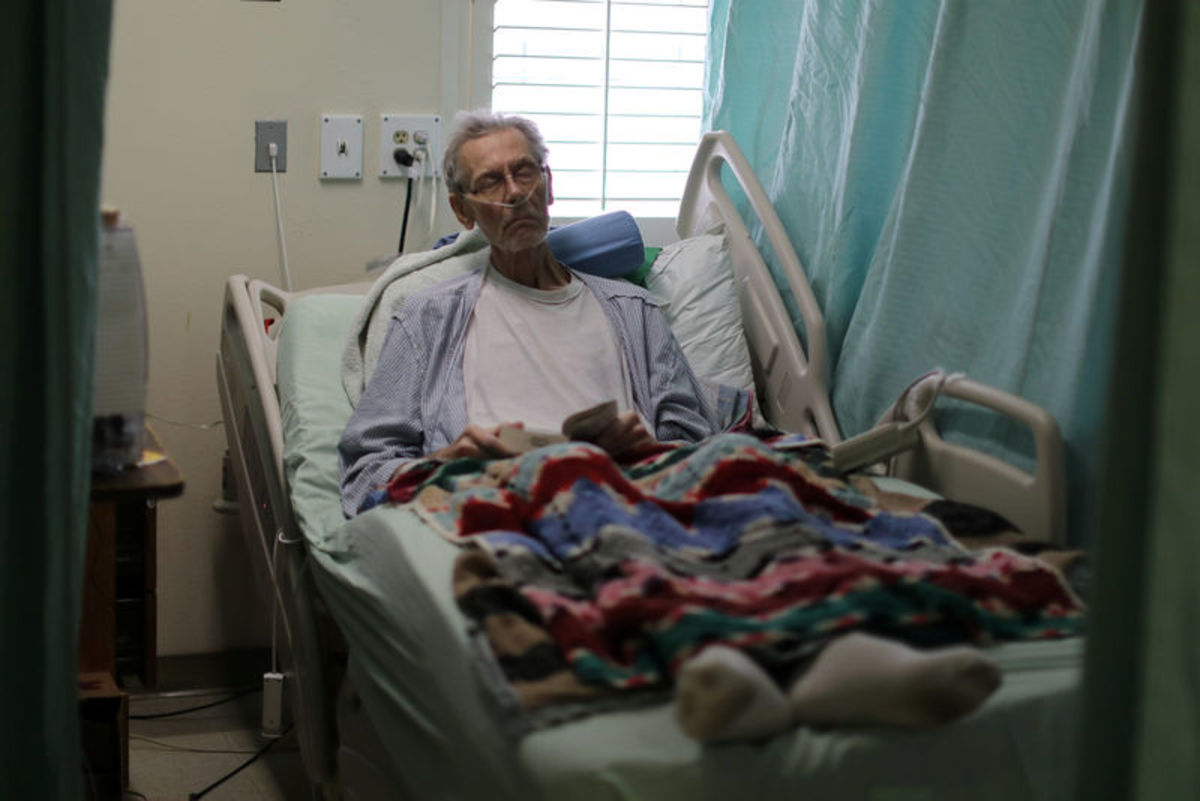
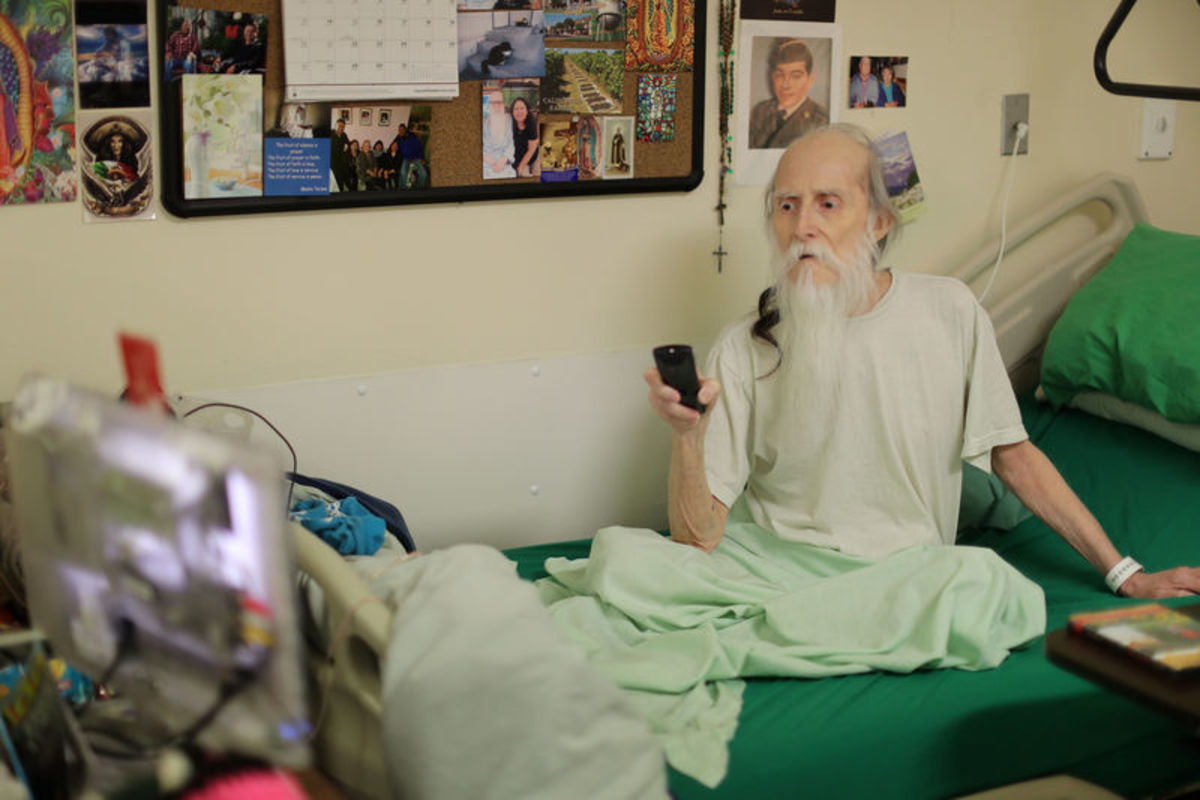
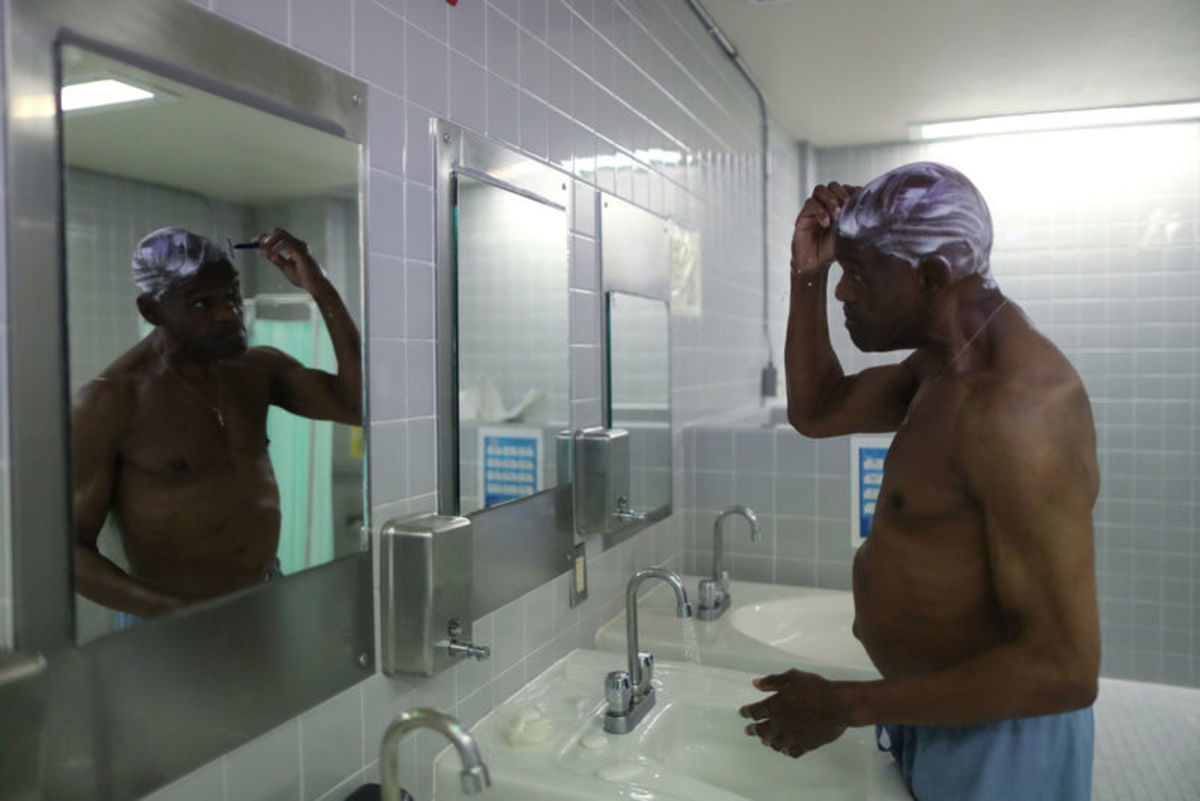
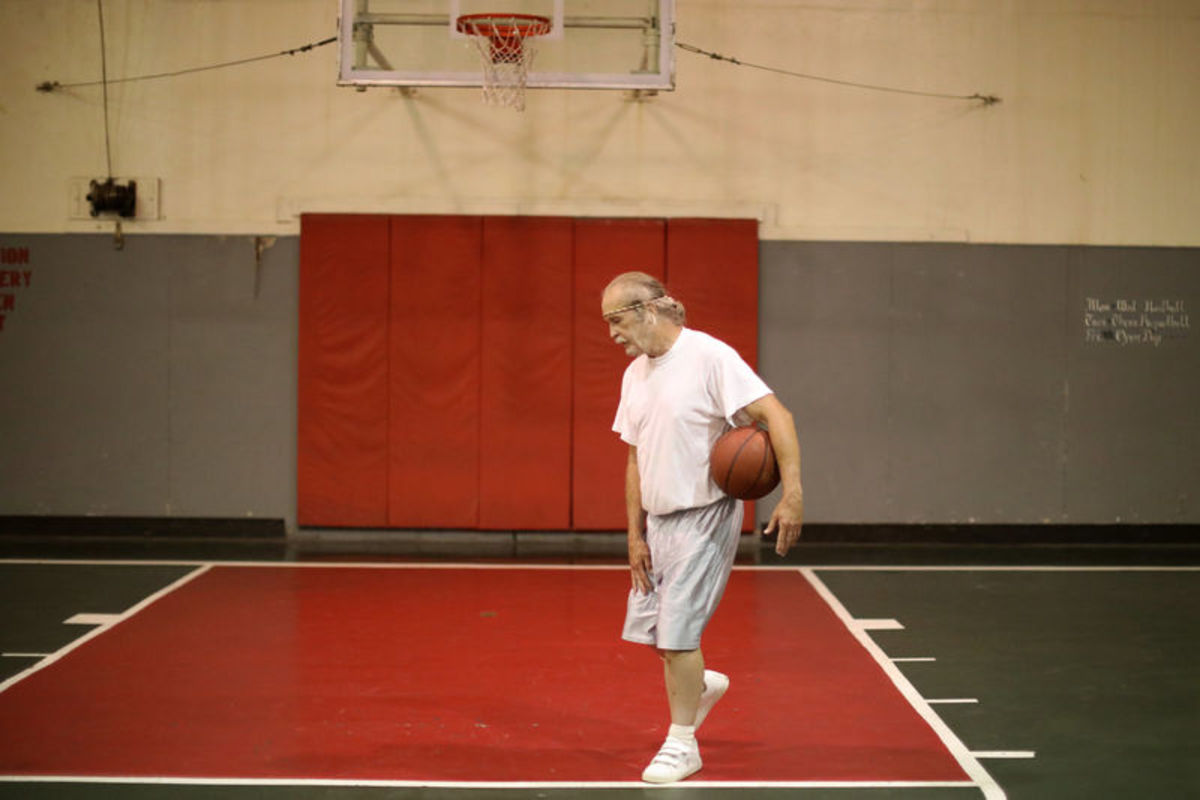
Inmate Richard Arriola, 88, has medical tests at the California Health Care Facility in Stockton, California, U.S., May 24, 2018. REUTERS/Lucy Nicholson Inmate William Michael Dalby, 70, (C) sits in the yard of a cellblock which mainly houses prisoners with cognitive decline, Alzheimer's, and dementia, at the California Health Care Facility in Stockton, California, U.S., May 24, 2018. REUTERS/Lucy Nicholson Gold Coat inmate workers who help other prisoners with health problems, Eleazar Ibarrola, 43, (L) and Scottie Glenn, 47, chat at the California Health Care Facility in Stockton, California, U.S., May 24, 2018. REUTERS/Lucy Nicholson Pastoral Care Services Worker and inmate Kao Saephanh gives a haircut to Eddie Van Houton, 71, who has cancer, in the hospice at the California Medical Facility prison in Vacaville, California, U.S., May 23, 2018. REUTERS/Lucy Nicholson An inmate in a wheelchair sits in his cell at the California Medical Facility prison in Vacaville, California, U.S., May 22, 2018. REUTERS/Lucy Nicholson Pastoral Care Services Worker and inmate Billy Ray Worth (L) reads Harry Potter to inmate Michael Patrick Rodriguez, 62, who has skin cancer, in the hospice at the California Medical Facility prison in Vacaville, California, U.S., May 23, 2018. REUTERS/Lucy Nicholson The California Medical Facility prison is seen in Vacaville, California, U.S., May 22, 2018. REUTERS/Lucy Nicholson A prisoner walks with the aid of a stick at the California Medical Facility prison in Vacaville, California, U.S., May 23, 2018. REUTERS/Lucy Nicholson Pastoral Care Services Worker and inmate Kao Saephanh helps inmate Eddie Van Houton, 71, who has cancer, stand up after giving him a haircut in the hospice at the California Medical Facility prison in Vacaville, California, U.S., May 23, 2018. REUTERS/Lucy Nicholson Andrew Rachal, 58, punches a speed bag in the gym at the California Medical Facility prison in Vacaville, California, U.S., May 23, 2018. REUTERS/Lucy Nicholson Pastoral Care Services Worker and inmate Kao Saephanh (L) helps inmate Joseph Morrow, 69, who has bladder cancer, make a phone call in the hospice at the California Medical Facility prison in Vacaville, California, U.S., May 22, 2018. REUTERS/Lucy Nicholson Inmate Joseph Morrow, 69, who has bladder cancer, looks at a fish tank in the hospice at the California Medical Facility prison in Vacaville, California, U.S., May 22, 2018. REUTERS/Lucy Nicholson Pastoral Care Services Worker and inmate Kao Saephanh (L) helps inmate Joseph Morrow, 69, who has bladder cancer, take a shower in the hospice at the California Medical Facility prison in Vacaville, California, U.S., May 22, 2018. REUTERS/Lucy Nicholson Pastoral Care Services Worker and inmate Fernando Murillo, 38, (R) talks to inmate Derrick Brooks, 65, who has cancer, in the hospice at the California Medical Facility prison in Vacaville, California, U.S., May 23, 2018. REUTERS/Lucy Nicholson Inmate Eddie Van Houton, 71, who has cancer, sleeps in the hospice at the California Medical Facility prison in Vacaville, California, U.S., May 22, 2018. REUTERS/Lucy Nicholson Inmate Michael Patrick Rodriguez, 62, who has skin cancer watches a meditation video in the hospice at the California Medical Facility prison in Vacaville, California, U.S., May 22, 2018. REUTERS/Lucy Nicholson Inmate Derrick Brooks, 65, who has cancer, looks in the mirror as he shaves in the hospice at the California Medical Facility prison in Vacaville, California, U.S., May 23, 2018. REUTERS/Lucy Nicholson Inmate Quentin Murphy, 50, shoots hoops at the California Medical Facility prison in Vacaville, California, U.S., May 23, 2018. REUTERS/Lucy Nicholson Inmate Eddie Galloway, 80, who has cancer, talks to a pastoral care services worker at the California Medical Facility prison in Vacaville, California, U.S., May 23, 2018. REUTERS/Lucy Nicholson An inmate sits in a wheelchair at the California Medical Facility prison in Vacaville, California, U.S., May 22, 2018. REUTERS/Lucy NicholsonInmate Joseph Morrow, 69, who has bladder cancer, lies in bed at the California Medical Facility prison in Vacaville, California, U.S., May 22, 2018. REUTERS/Lucy Nicholson
Sign up to read this article
Read news from 100’s of titles, curated specifically for you.