With Washington set to become the first state to allow human composting, other states are considering implementing similar laws.
Last year, Democratic Governor Jay Inslee signed a law that would permit human composting in Washington, with the practise set to go into effect on 1 May.
Now, California Assemblywoman Cristina Garcia is hoping California will legalise the practise as well.
“I would love to be a tree one day,” Ms Garcia, who introduced human composting Assembly Bill 2529, told the Los Angeles Times. “I think this is about giving people another option.”
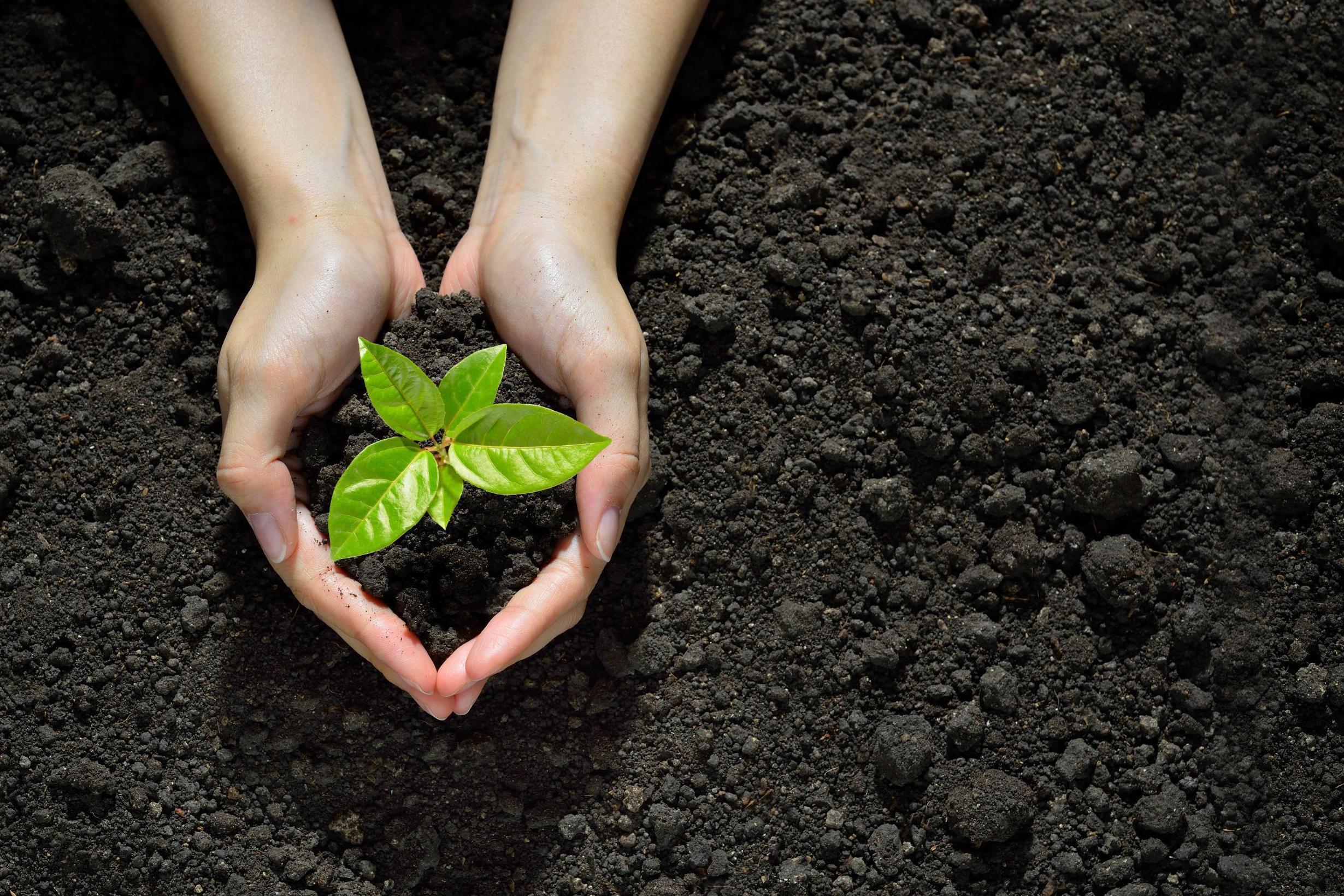
Human composting is the process of breaking the body down into soil, which can then be given to the family of the deceased or donated to conservation land for use.
The process, which will be conducted by Seattle company Recompose, involves placing a body inside a vessel filled with wood chips, alfalfa and straw, where it is broken down in a few weeks by “microbial activity”.
The result is about a cubic yard of soil per person, according to Recompose, which hopes the $5,500 process will become an alternative to current funerary practices, which are “environmentally harmful and, for some, psychologically unsatisfying”.
“The current practises are part historical convention and part funeral industry mandate,” the company explains on its website. “Each year, 2.7m people die in the US, and most are buried in a conventional cemetery or cremated, emitting carbon dioxide and particulates into the atmosphere. These practises consume valuable urban land, pollute the air and soil, and contribute to climate change.”
According to Recompose, human composting, otherwise known as organic reduction, performed better than conventional burial, cremation and natural burial in terms of environmental impact, with the company estimating that “a metric ton of CO2 will be saved each time someone chooses organic reduction over cremation or conventional burial”.
Katrina Spade, the CEO of Recompose, explained in a TedX talk that she first became interested in human composting after learning that farmers use a similar process to recycle animal remains.
As of now, recomposition will need to be legalised on a state-by-state basis, as burial regulations vary by state.
However, people living in states apart from Washington are already expressing an interest in the end-of-life alternative.
I knew the moment I heard about this, it was what I wanted to do," Nikolaus Kraemer, from Los Angeles, told the LA Times. “I think this is a peaceful way to go back to where we came from.”