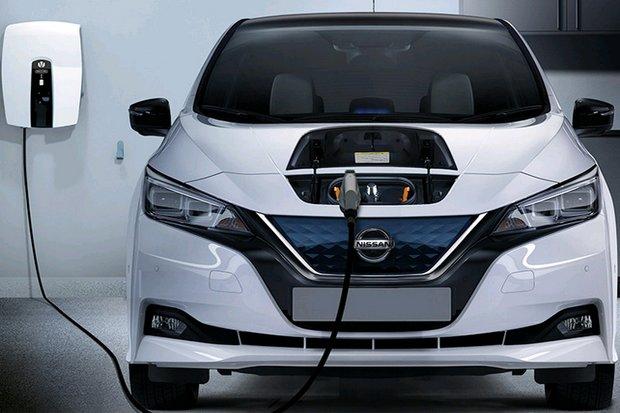
The cabinet on Tuesday approved a Finance Ministry proposal to eliminate the excise tax for full electric vehicles from Jan 1, 2020 to Dec 31, 2022 to speed up full EV manufacturing and reduce emissions.
The waiver will only be offered to projects that won promotional privileges from the Board of Investment (BoI).
The current excise tax for promoted full EV projects is 2%. Investment projects that did not win BoI incentives are subject to an excise tax of 8% for full EVs.
Finance Minister Apisak Tantivorawong said the excise tax waiver is meant to entice manufacturers to speed up their manufacturing of full EVs.
EVs are one of the government's 12 targeted industries identified as new engines of economic growth under the S-curve policy.
There are four car categories under the Excise Department's tax structure. The levy varies depending on carbon emissions.
The four categories are passenger cars powered by gasohol, natural gas vehicles and hybrid cars; pickup passenger vehicles and pickup trucks; eco-cars; and EVs and fuel-cell cars.
In related news, Mr Apisak said the cabinet agreed to reduce the excise tax for passenger pickup vehicles that release less than 200 grammes of CO2 per km and have CO2 emissions of less than 0.005 micrometres (PM 0.005) to 2% from the current 2.5%.
Pickups that release more than 200 grammes of CO2 per km and have emissions of less than 0.005 PM will be taxed at 3%, down from 4%.
Double-cab pickups that release less than 200 grammes of CO2 per km and emissions of less than 0.005 PM will be taxed at 9%, down from 10%.
Double-cab pickups that release more than 200 grammes of CO2 per km and emissions of less than 0.005 PM will be taxed at 12%, down from 13%.
Mr Apisak said the government forecasts losing revenue of up to 1.5 billion baht a year from the tax cuts, but the measure is seen as worthwhile to reduce emissions and promote a better environment.
The government also expects the tax cuts to prompt manufacturers to speed up diesel engine development to reduce emissions and conform to Euro 5 standards.