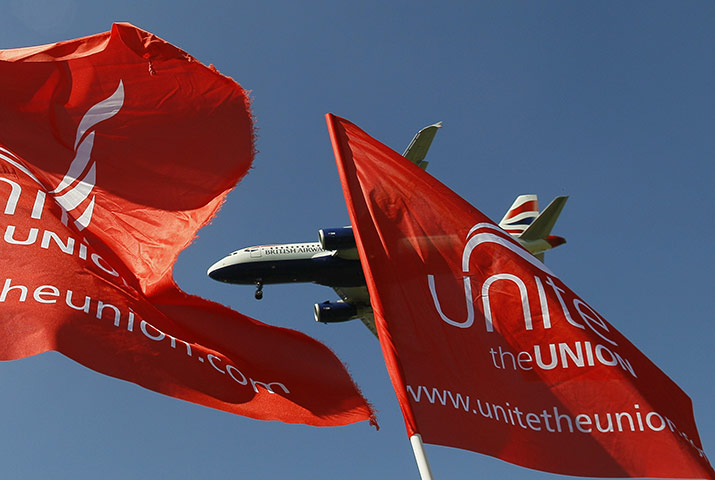
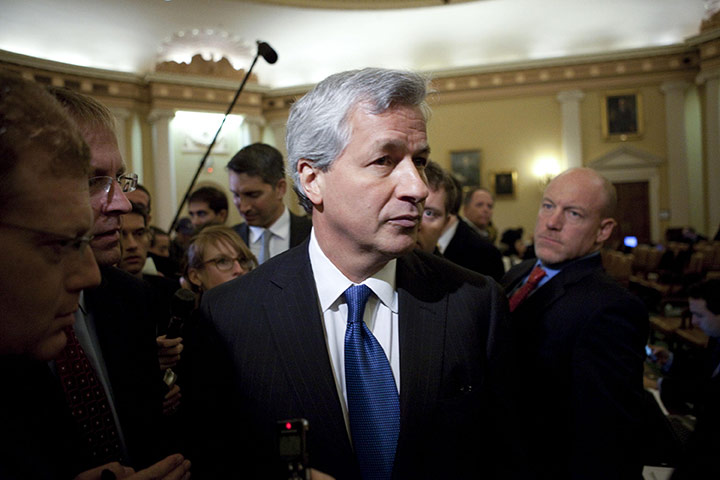
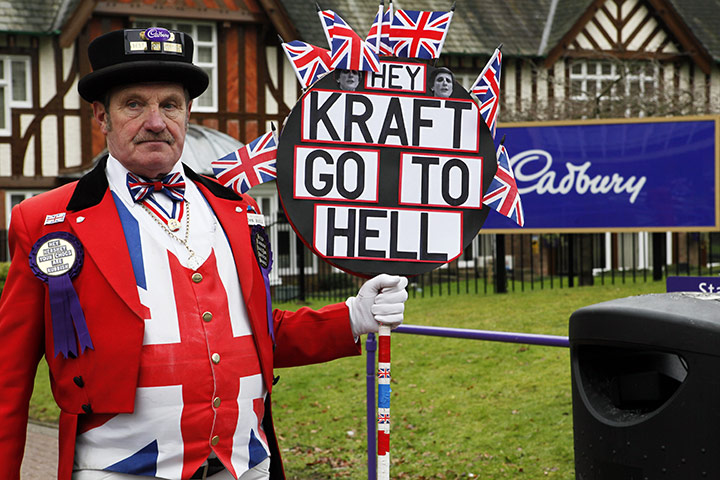
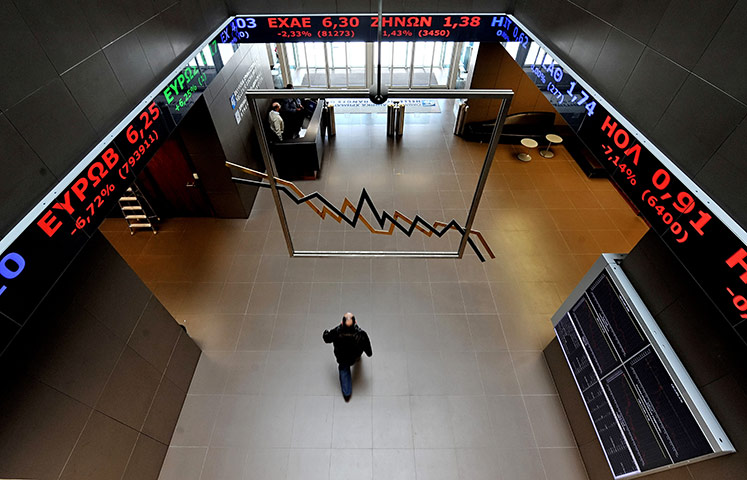
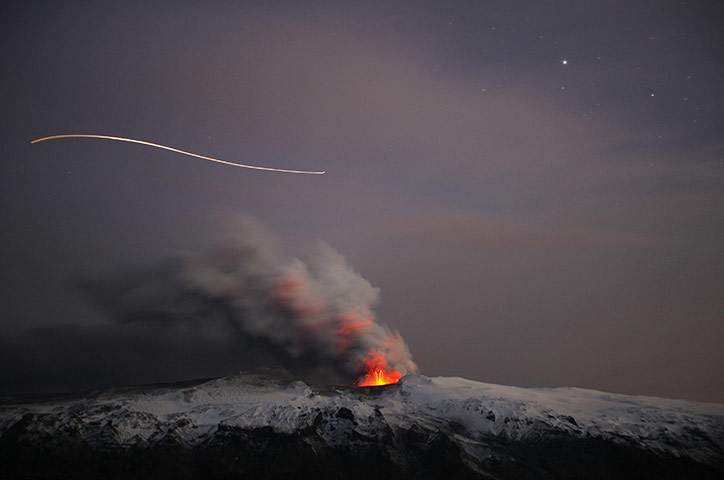
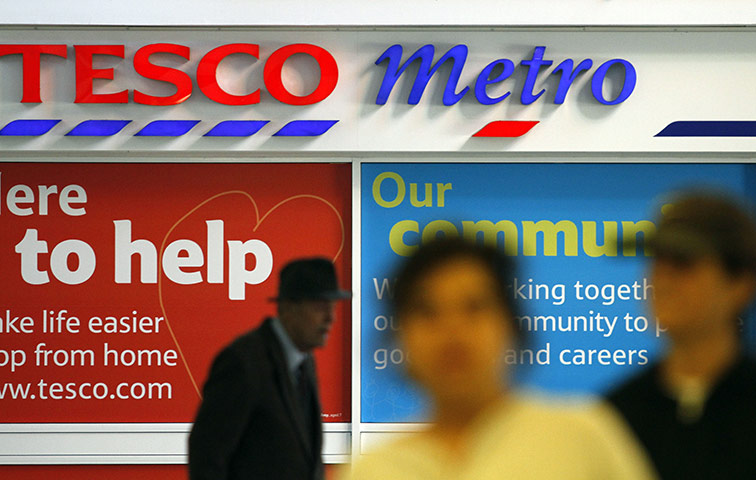
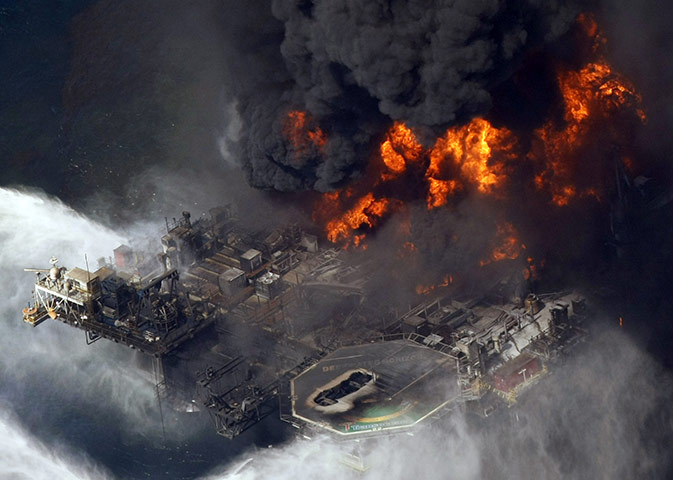
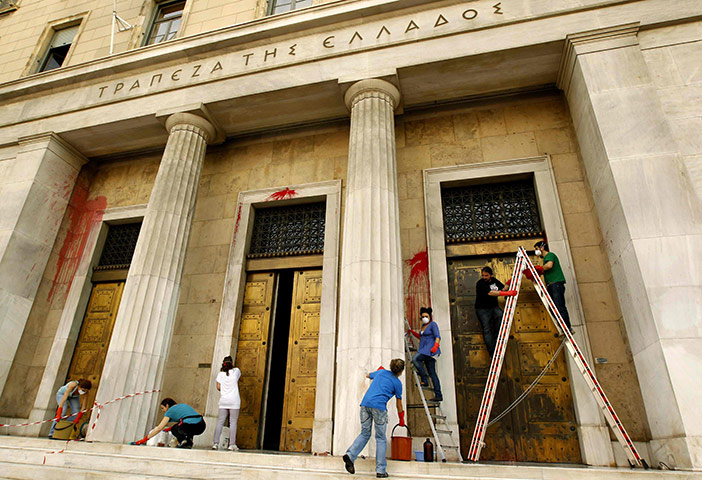
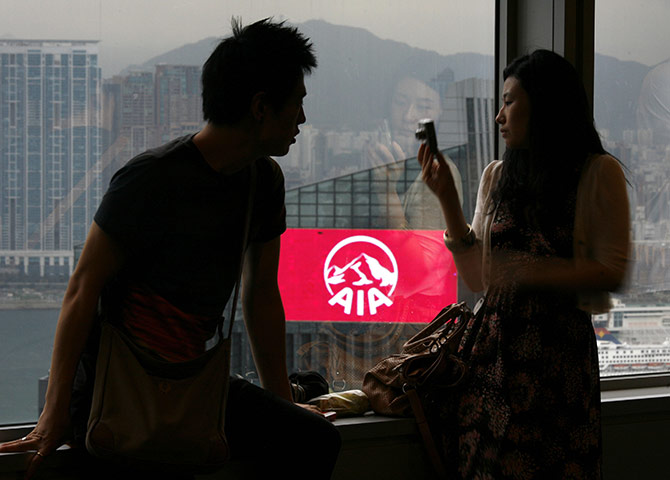
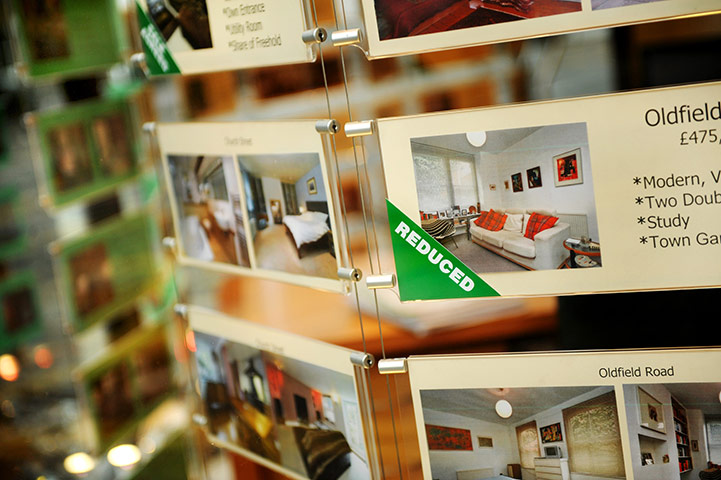
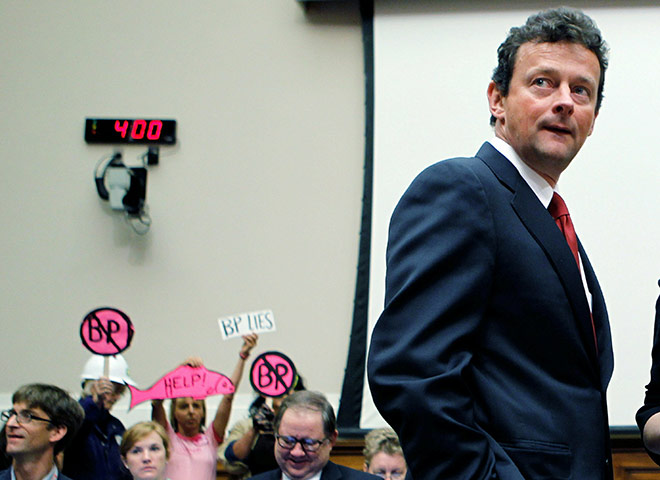
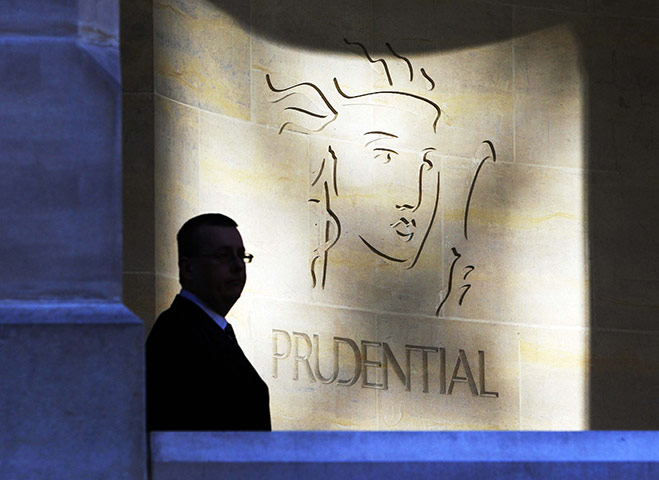
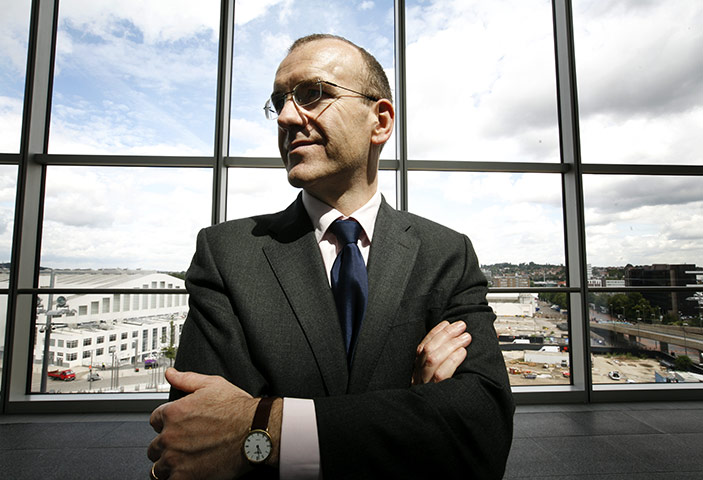
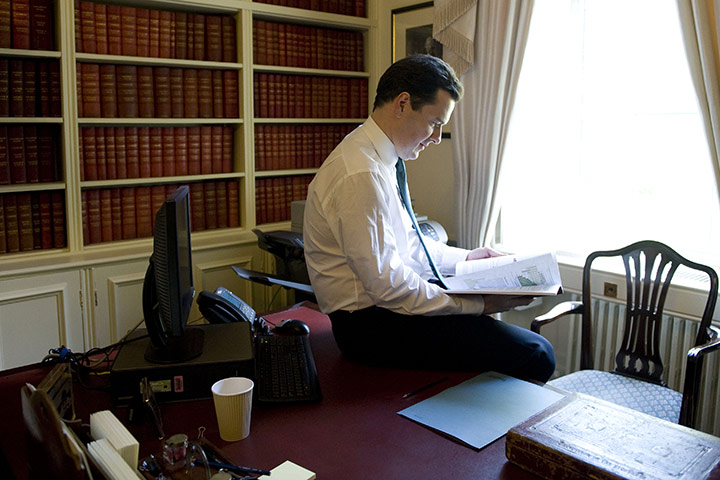
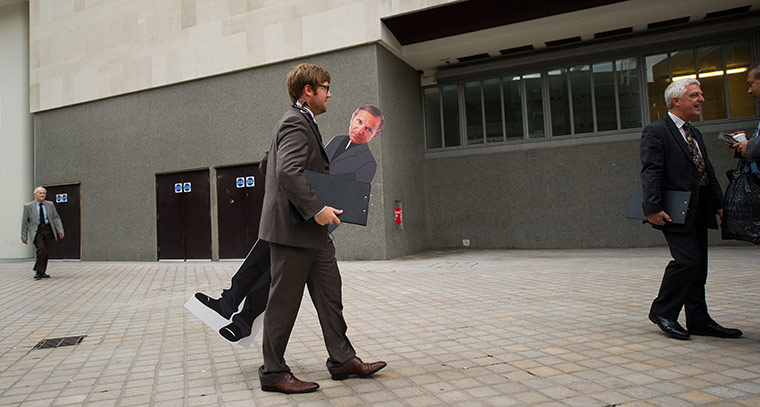
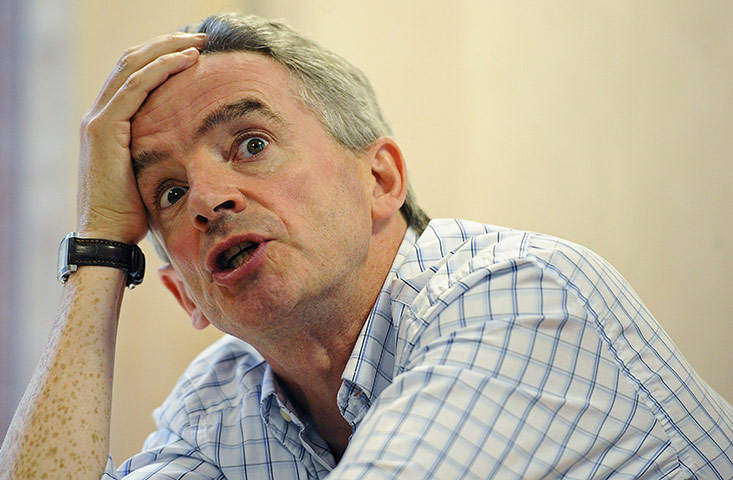
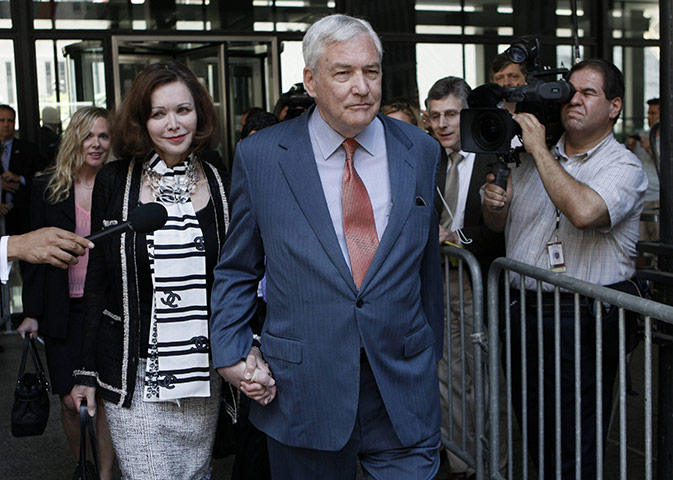
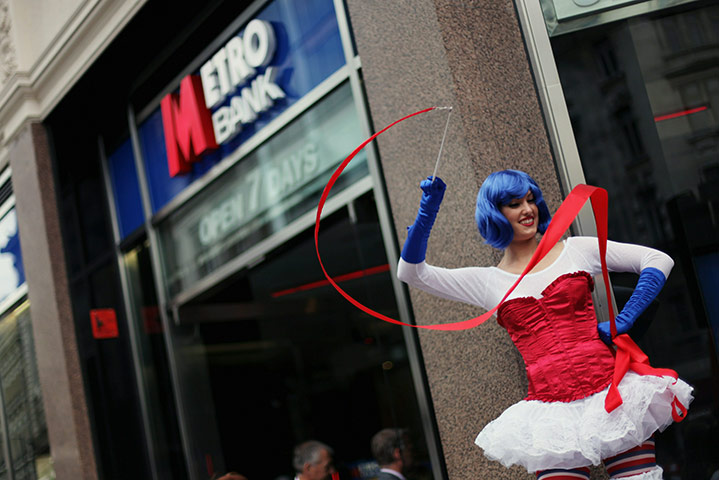
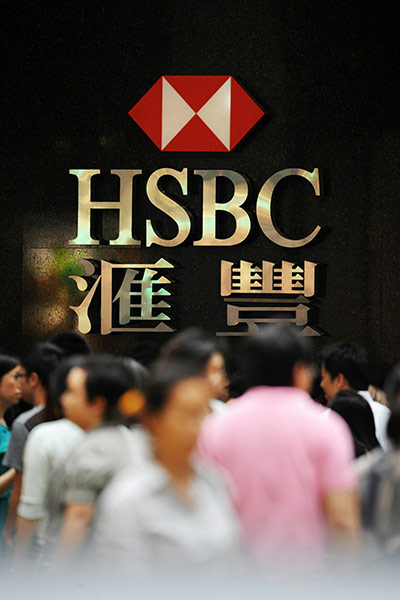
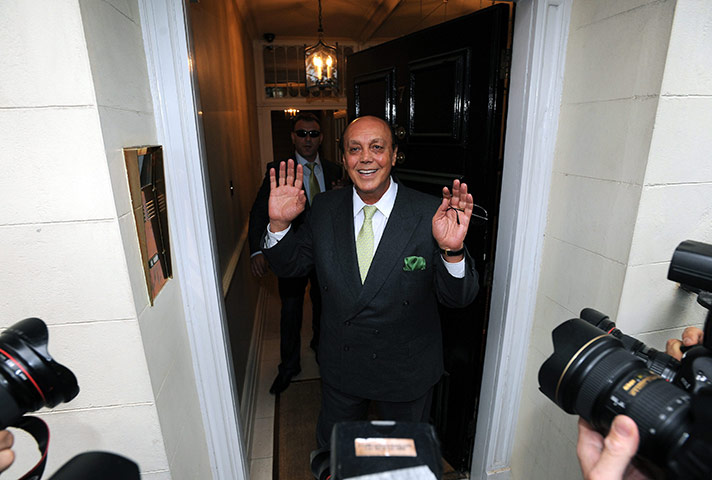
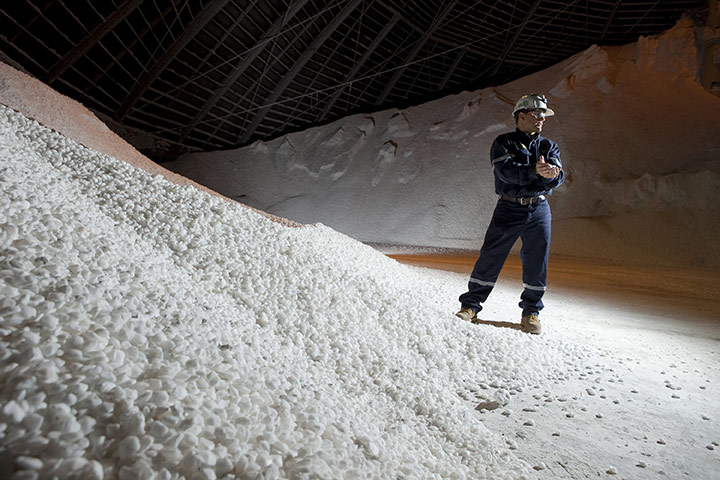
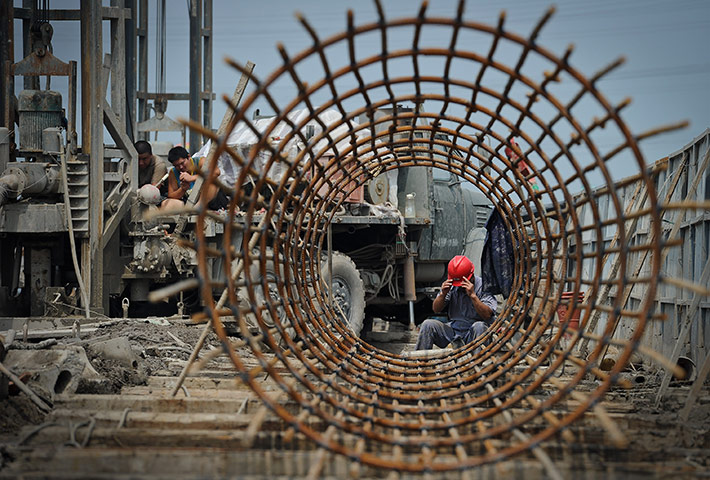
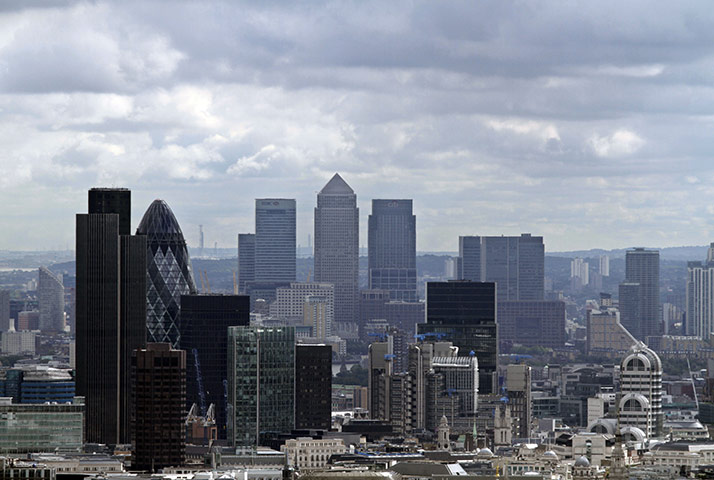
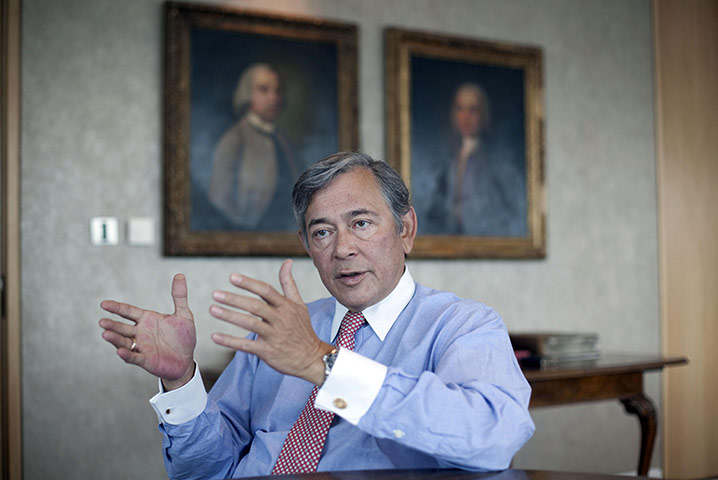
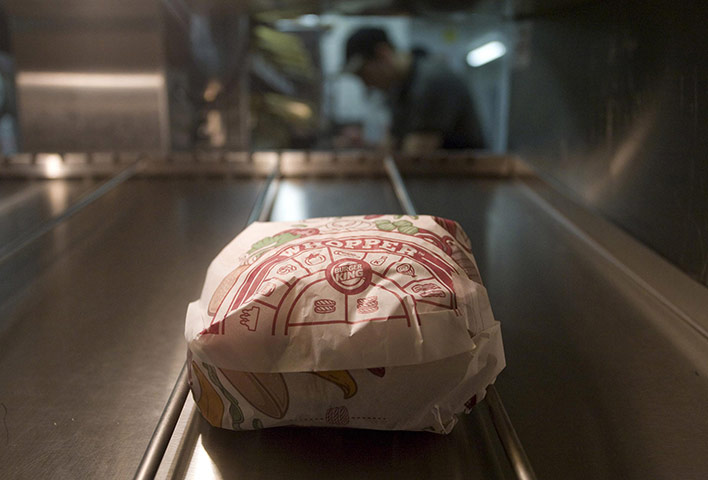
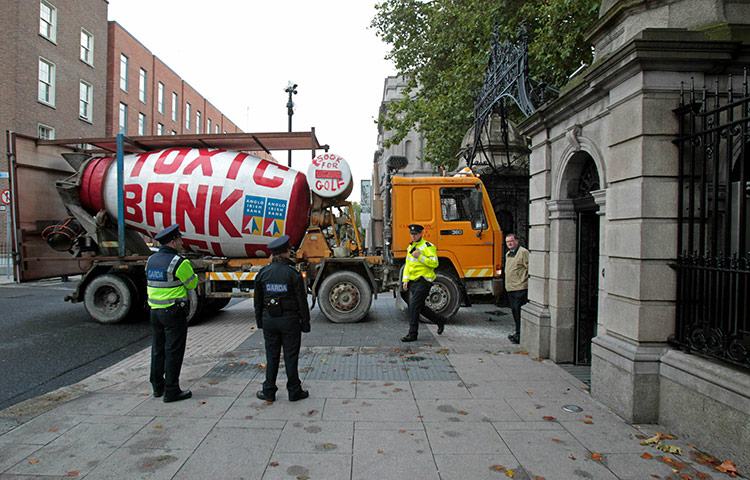
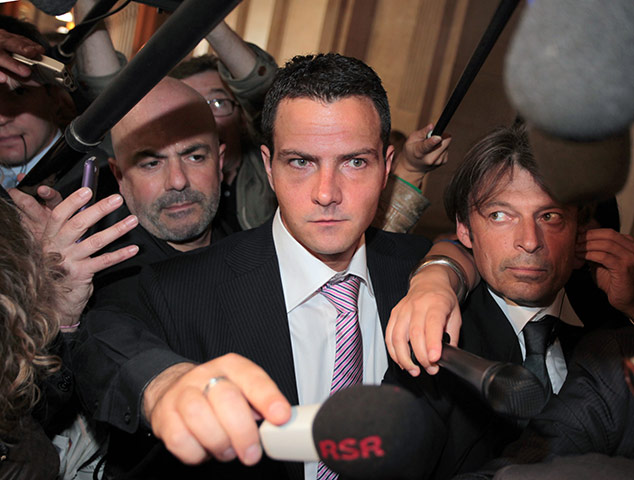
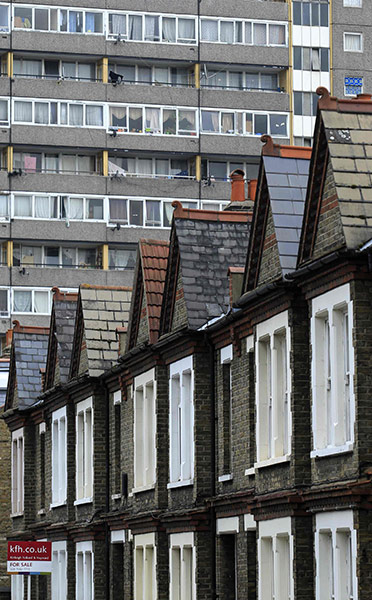
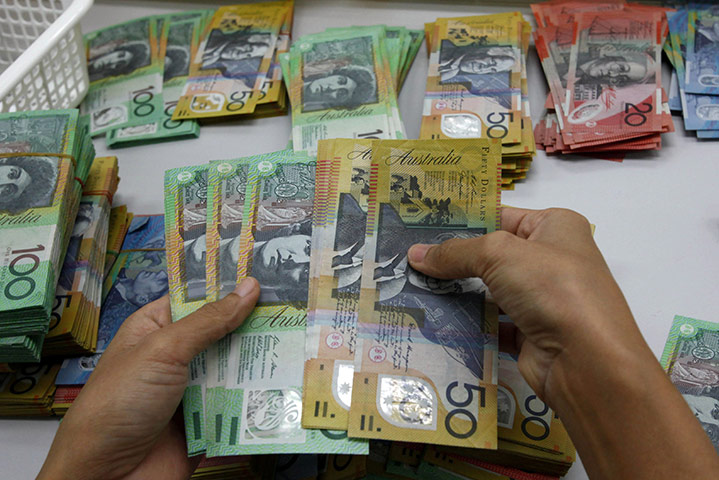
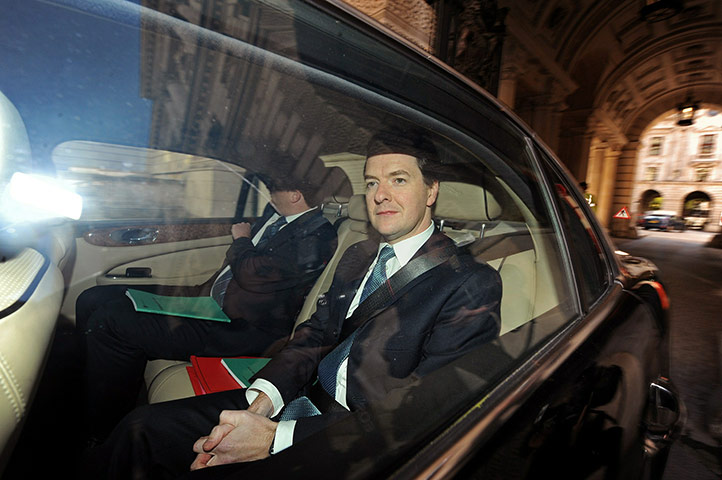
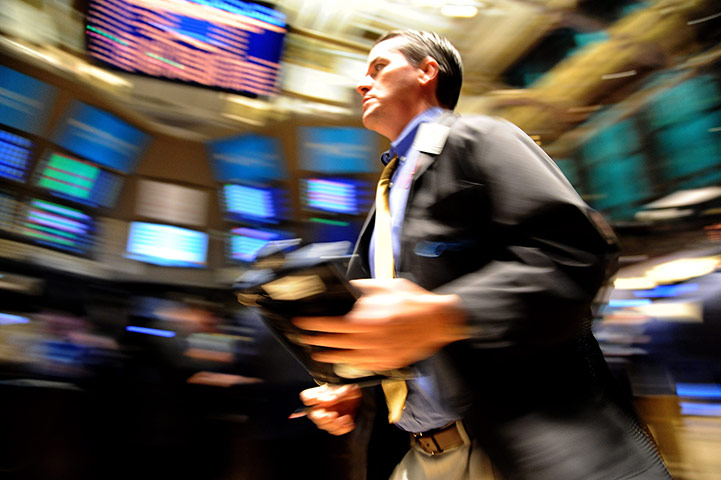
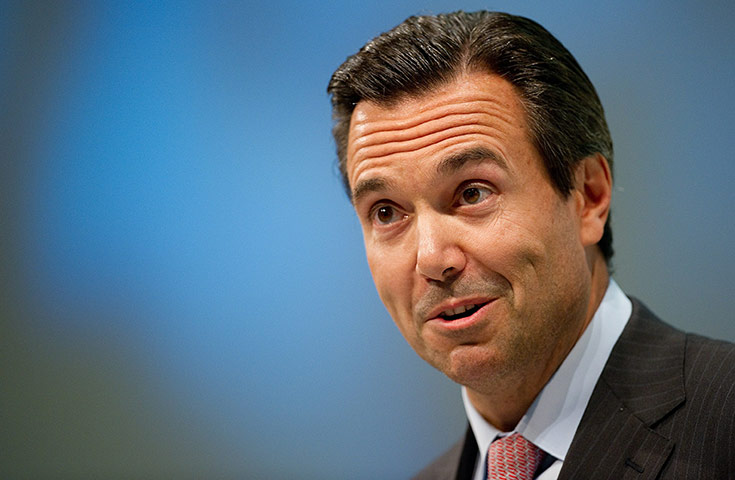
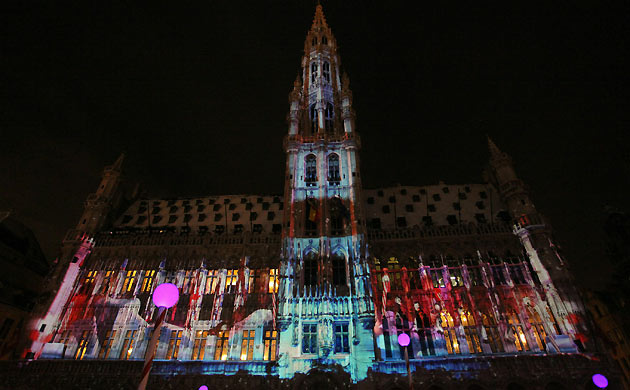
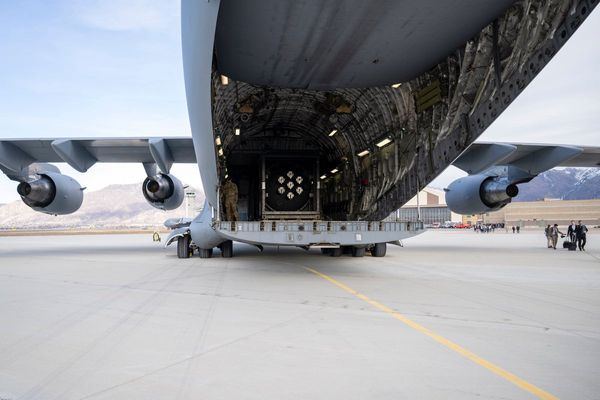
January: British Airways executives held peace talks with representatives of the Unite trade union in a bid to avert crippling strike action by cabin crew Photograph: Kirsty Wigglesworth/APJanuary: Jamie Dimon of JP Morgan (pictured), Goldman's Lloyd Blankfein and John Mack of Morgan Stanley faced the Financial Crisis Inquiry Commission in Washington. They admitted they had underestimated the severity of the financial crisis and apologised for making mistakes. But just a few days later, Goldman Sachs claimed it had shown 'restraint' in paying out $16bn in bonuses to staff after a surge in profitsPhotograph: Bloomberg via Getty ImagesJanuary: Cadbury finally accepted defeat in its battle to stay independent by recommending a £12bn takeover from US rival Kraft. The 186-year-old chocolate maker decided to throw in the towel after a long battle that triggered a debate about the vulnerability of British industry Photograph: David Sillitoe/The Guardian
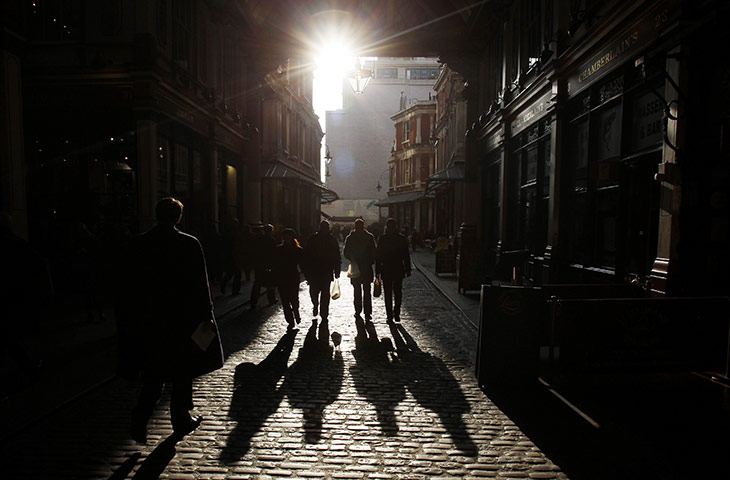
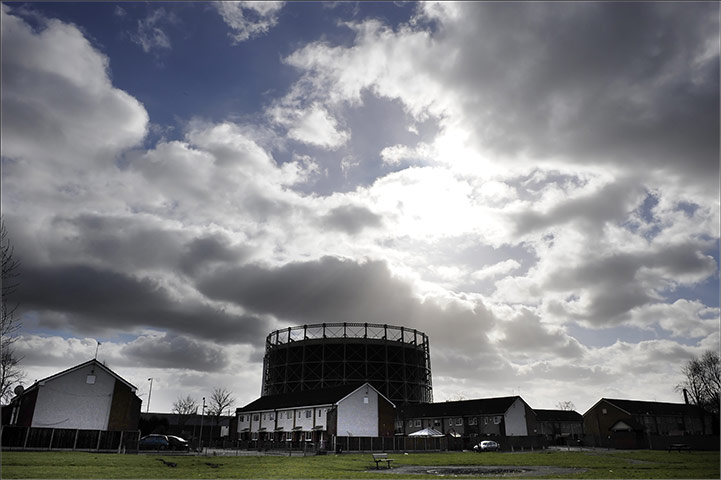
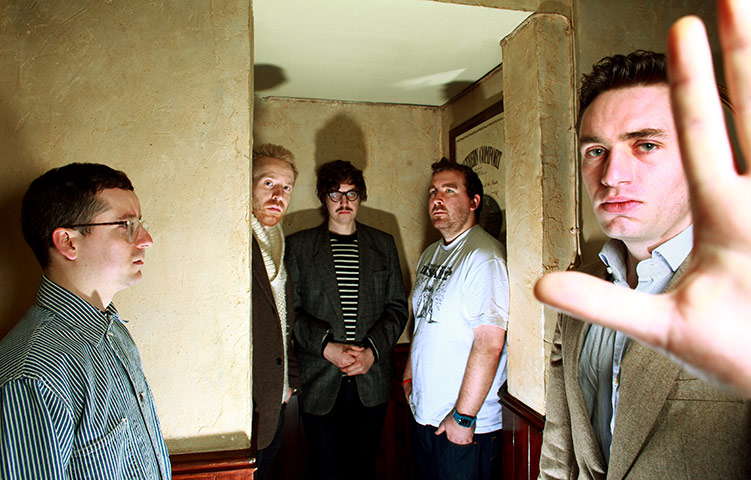
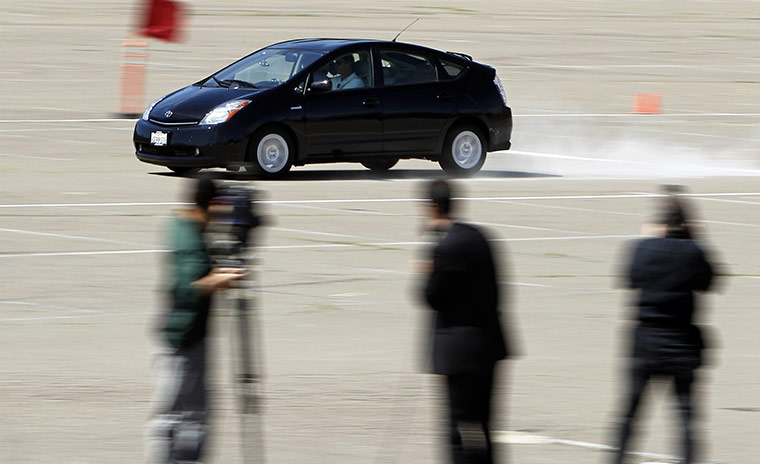
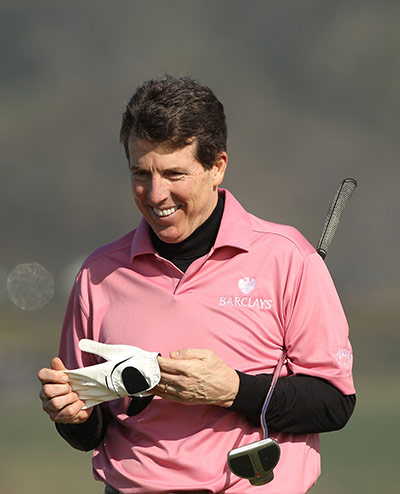
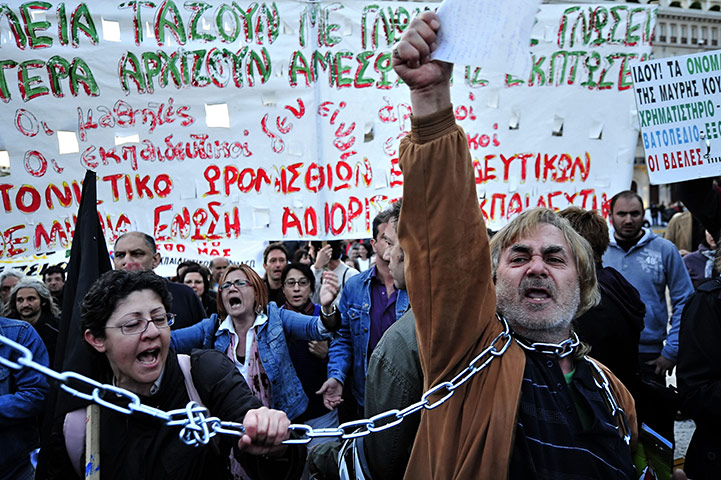
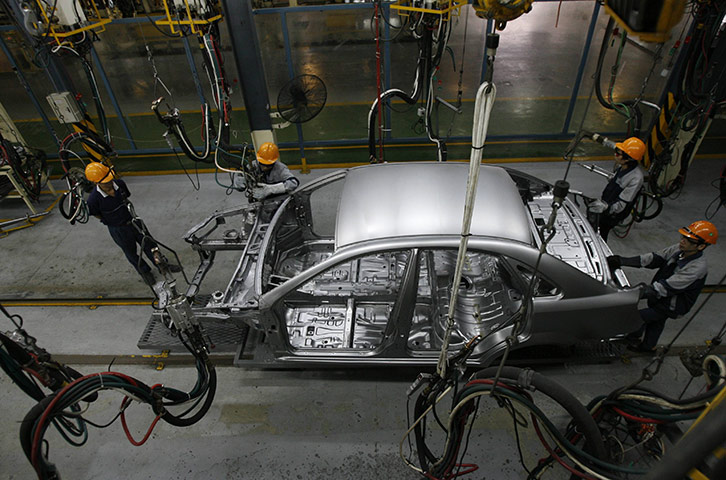
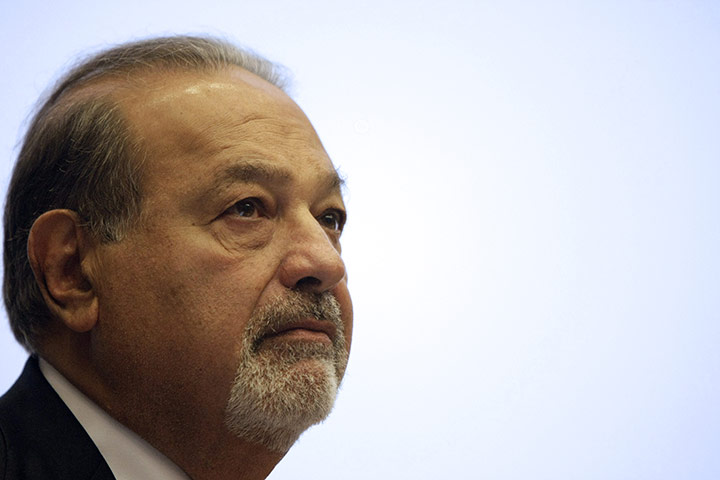
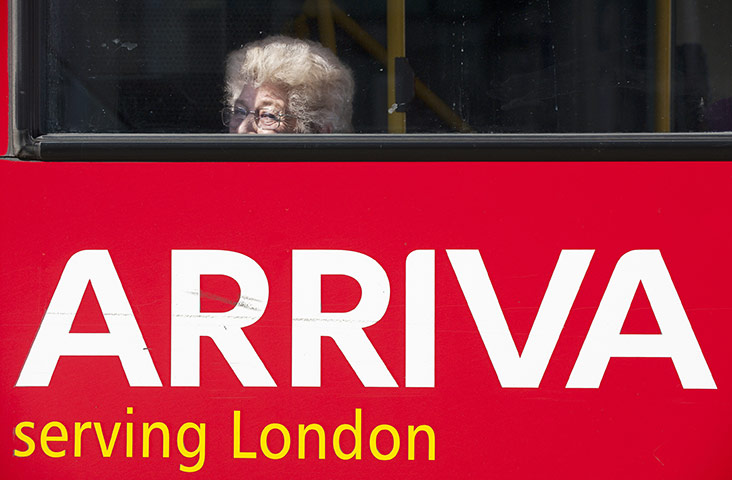
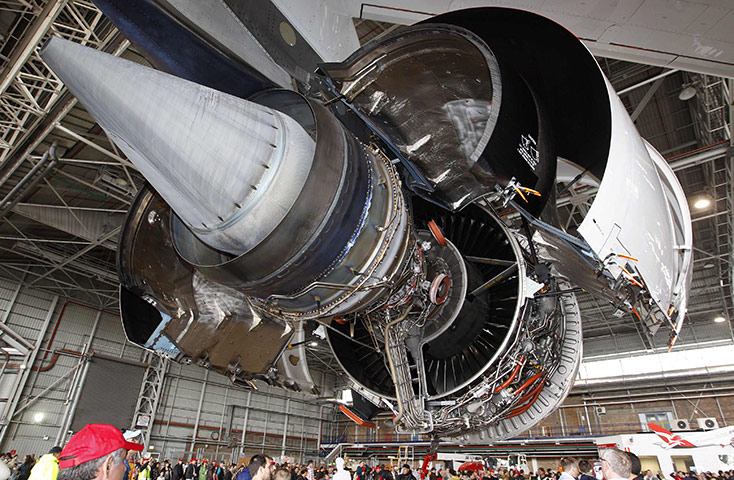
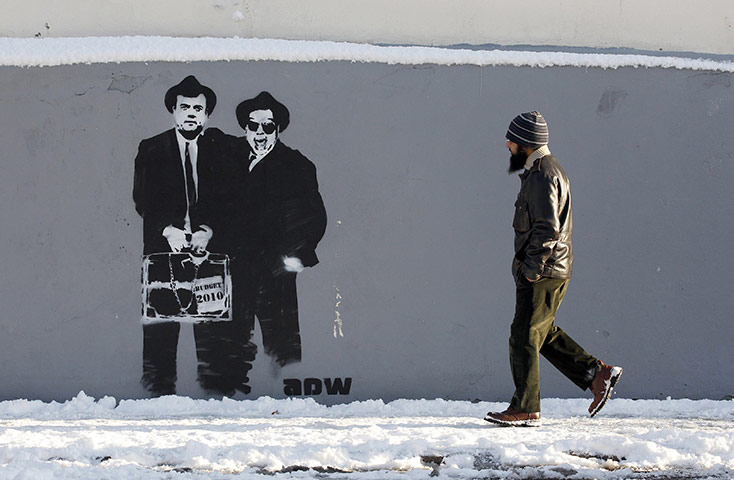
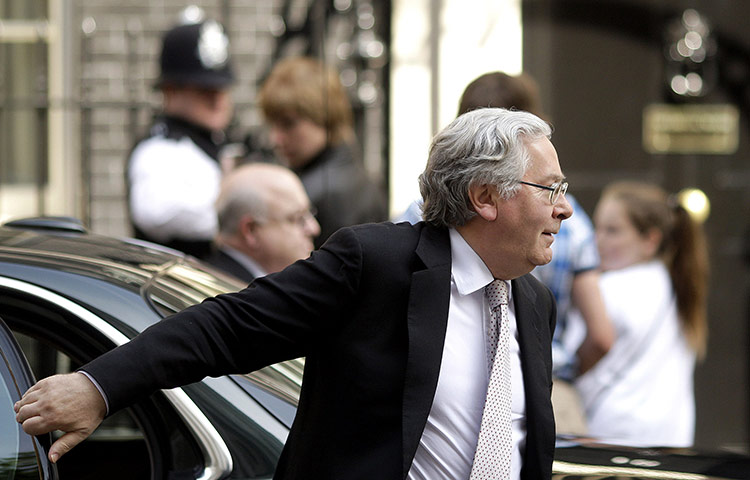
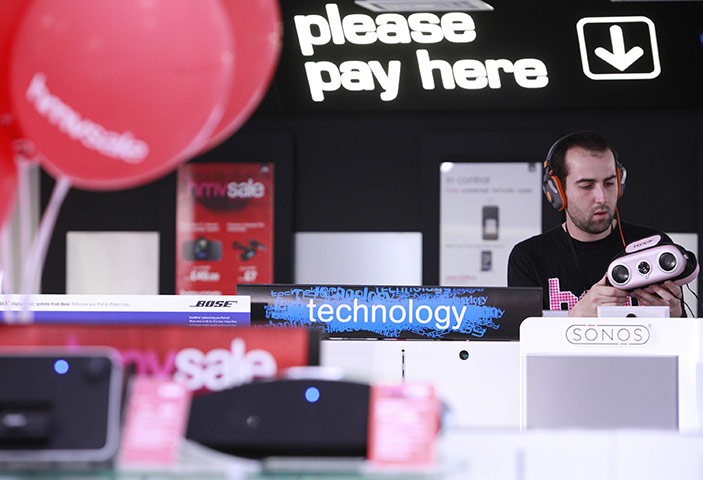
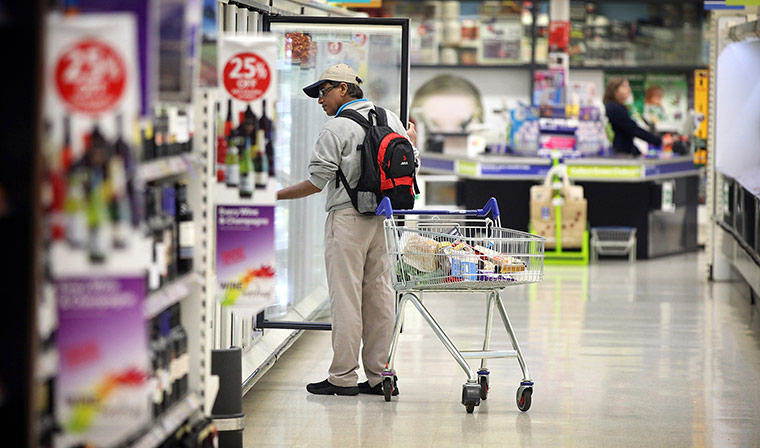
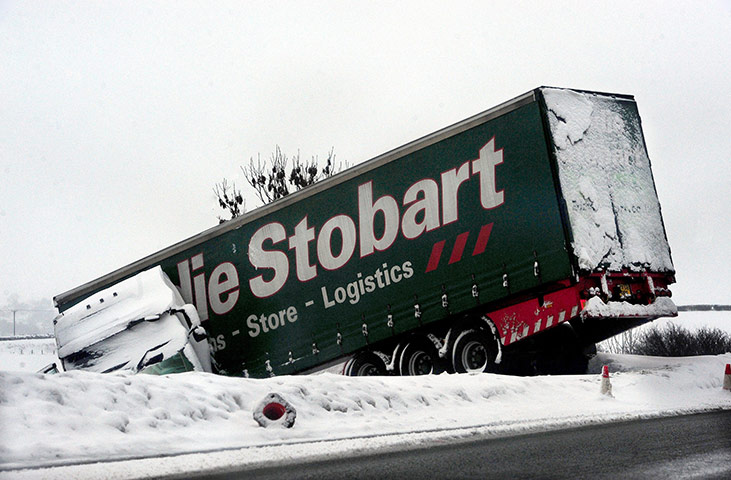
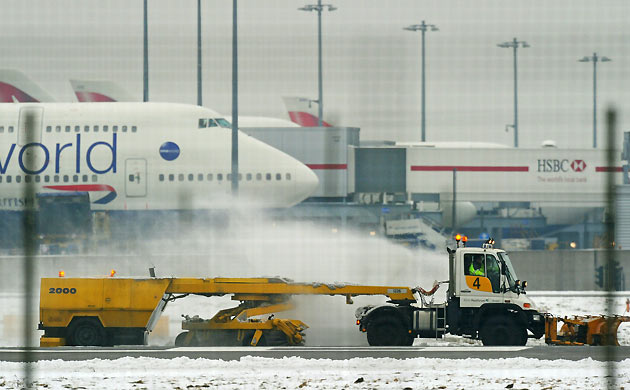
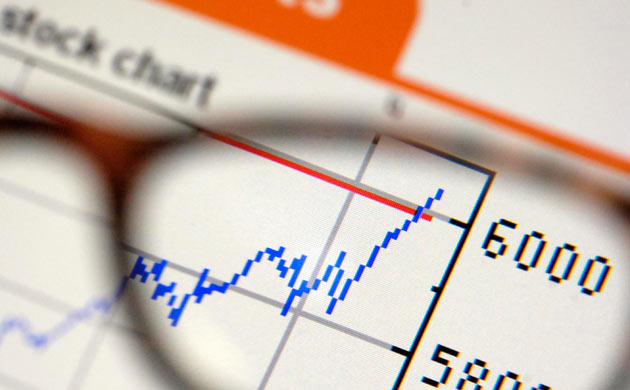
January: At last, Britain's economy clawed its way out of its deepest recession since the 1930s in the fourth quarter of 2009, but it only managed to expand by a much-weaker-than-expected 0.1%Photograph: Luke MacGregor/ReutersFebruary: British Gas announced it was cutting residential gas prices by an average of 7% with immediate effect, a move that was expected to put pressure on other suppliers to follow suit. This was the third time the energy giant cut prices in the past 12 months. It later reported record profits of £595m for 2009Photograph: Christopher Thomond for the GuardianFebruary: EMI, the music group behind artists such as Pink Floyd, Hot Chip and Katy Perry, crashed £1.75bn into the red last year. The loss was one of the biggest black holes ever seen in a private equity-backed business and threatened to shred the reputation of Guy Hands, the outspoken City financier whose Terra Firma group paid over £4bn for EMI just before the credit crunch took hold in the summer of 2007 Photograph: Graeme Robertson for the GuardianFebruary: Toyota said it would recall almost half a million hybrid cars worldwide, including 8,500 of its Prius model in the UK, in the latest blow to the carmaker's reputation following a string of safety scaresPhotograph: Mike Blake/ReutersFebruary: Barclays reported record profits, and prepared to pay out bonuses of more than £2bn to its 23,000 investment bankers. Its president Bob Diamond (pictured), who declined a bonus, along with CEO John Varley, called on people to celebrate the bank's 'remarkable' financial comeback. Lloyds Banking Group boss Eric Daniels also waived a £2.3m bonus, while Royal Bank of Scotland faced criticism over its decision to hand out £1.3bn of bonuses despite making a loss of £3.6bn Photograph: Ezra Shaw/Getty ImagesMarch: Protesting Greeks were again told that they faced seeing their country go bankrupt unless they accepted more austerity measures. The Germans, though, were losing patience with the Greek debt situation, with two rightwing MPs telling Greece it should consider a fire sale of its islands, historic buildings and artworksPhotograph: Aris Messinis/AFP/Getty ImagesMarch: Workers assemble a car at the GM Daewoo plant in Hanoi. There was more bad news for the car industry as Nissan announced it was recalling more than 500,000 vehicles, mainly in the US, because of problems with their brakes and petrol gauges. The move came just hours after General Motors recalled more than 1.3m carsPhotograph: Kham/ReutersMarch: Carlos Slim, the titan of mobile phones in Mexico, was crowned the richest person in the world by Forbes magazine, which calculated his net worth at $53.5bn (£35.7bn)Photograph: Joseph Eid/AFPMarch: Arriva, the company that runs the rail franchise between Penzance and Aberdeen, received a £1.2bn takeover bid from Deutsche Bahn, the German state-run transport group, just weeks after ending merger talks with French rail operator SNCF. It agreed a £1.6bn deal in April. And BA cabin crew went on strike despite last-ditch talks between the airline and unionPhotograph: Frantzesco Kangaris/Bloomberg via Getty ImagesApril: The euro rallied after the eurozone's finance ministers agreed the terms of a €30bn (£26bn) bailout fund for Greece. But soon markets were in turmoil again after Standard & Poor's cut Greece's credit rating to junk status and downgraded its view of Portugal in the clearest evidence yet that the European sovereign debt crisis was spreadingPhotograph: Louisa Gouliamaki/AFP/Getty ImagesApril: The path of a plane is seen over the top of an erupting volcano near Eyjafjallajokull, Iceland. The volcanic ash cloud over Europe wreaked havoc at airports. The cost of the disruption to the global airline industry spiralled to £1.1bn, according to the International Air Transport Association. It demanded that European governments compensate the airline industry. Ryanair sparked a furious response from politicians and consumers by refusing to pay the hotel and food bills of passengers stranded by the volcanic ash cloud, in a blatant refusal to abide by strict EU consumer rulesPhotograph: Lucas Jackson/ReutersApril: Supermarket group Tesco rang up record annual profits yet again despite the economic downturn, and declared there was little danger of a double-dip recession in Britain. Britain's biggest retailer posted underlying pre-tax profits of £3.4bn for the 12 months to the end of February, a 10.1% rise on the previous year. Sir Terry Leahy, Tesco's chief executive, told the City that his company had 'weathered the storm'Photograph: Lefteris Pitarakis/APApril: BP smashed City forecasts with a 135% jump in profits, thanks to rising oil prices. But the oil firm's strong performance was overshadowed by the explosion the previous week at a drilling rig in the Gulf of Mexico. Eleven people were missing and presumed dead after Deepwater Horizon, hired by BP and owned by US firm Transocean, caught fire and sankPhotograph: Gerald Herbert/APMay: The Greek crisis escalated; communist protesters stormed the Acropolis and the economic crisis claimed its first lives as a fire broke out when a bank was attacked. In Berlin, leaders issued stark warnings about the prospects for the eurozone – and even the EU. Financial markets were calmed, momentarily, by a €750bn (£630bn) European rescue plan for GreecePhotograph: Yiorgos Karahalis/ReutersMay: Tidjane Thiam, chief executive of Prudential, was fighting to keep his job after City regulators forced the insurer to delay a £14.5bn rights issue to fund its £24bn takeover of Asian rival AIA. The record-breaking fundraising was eventually pulled as the audacious bid fell apartPhotograph: Bobby Yip/ReutersMay: High street banks were forced to fend off fresh attacks that they were obstructing first-time buyers and throttling the housing market, after data showed mortgage lending had fallen almost 90% since its peak three years agoPhotograph: Linda Nylind for the GuardianMay: A new era got under way at Marks & Spencer as chief executive Sir Stuart Rose unveiled his last set of annual profits before handing over to new boss Marc Bolland. In the US, Apple launched its iPad, and the Detroit-based automotive empire General Motors bounced back from the brink of financial oblivion to achieve its first profit for almost three yearsPhotograph: Carl Court/AFP/Getty ImagesJune: BP shares took a pounding as the oil giant faced a US criminal inquiry (attended by chief executive Tony Hayward) over the Gulf of Mexico oil spill and faced demands from US senators to suspend its dividendPhotograph: Alex Wong/Getty ImagesJune: Prudential bosses suffered the embarrassment of withdrawing their offer for the Asian arm of insurer AIG, a failed takeover that was estimated to cost the insurer £450m. The chairman and the chief executive faced down calls from angry shareholders to resignPhotograph: Luke MacGregor/ReutersJune: Sir Terry Leahy, the man who turned Tesco into a supermarket juggernaut with sales of £60bn, bowed out after a 14-year stint as chief executive. Leahy, who will retire in March, said his work was 'almost complete'. He will be replaced by Philip Clarke, the man who currently leads the international arm of the businessPhotograph: David LeveneJune: Britain's leading tax experts challenged George Osborne's claims to have delivered a 'tough but fair' budget, concluding that the measures in the emergency package would hit the poor harder than the rich. The Institute for Fiscal Studies said the chancellor could only assert that the better off were the big losers from the austerity move by including reforms announced by Labour. But the budget won plaudits from business leaders and financial marketsPhotograph: Andrew Parsons for the Conservative PartyJuly: A man carries a cardboard cutout of M&S chief executive Marc Bolland into the Royal Festival Hall. M&S and Sainsbury's executives faced shareholders at AGMs where investors voiced concern over executive pay. More than 16% of M&S shareholders failed to support its remuneration report, but Sainsbuury's won 98% supportPhotograph: Leon Neal/AFPJuly: Ryanair boss Michael O'Leary was forced to apologise to Stelios Haji-Ioannou after the firm's ad portrayed the easyJet chief as a Pinocchio figure in newspaper adverts that alleged he had deliberately withheld data about easyJet's punctuality performance Photograph: Carl De Souza/AFP/Getty ImagesJuly: The former Daily Telegraph owner Conrad Black was freed from the low-security Coleman Federal Correctional Institution in Florida, where he served less than three years of a six-and-a-half year sentence for fraud and obstruction of justicePhotograph: John Gress/ReutersJuly: After two years of preparation, Metro Bank became the first new bank to open on Britain's high streets for more than a century. And BP finally gave in to pressure and axed CEO Tony Hayward, as it reported one of the largest losses in British corporate historyPhotograph: Dan Kitwood/Getty ImagesAugust: HSBC kicked off the banking results season by more than doubling its pre-tax profits to $11.1bn (£7.2bn). Lloyds Banking Group stormed back into profit, prompting calls that the biggest bank on the high street should be broken up. Northern Rock provided mixed news for the taxpayer - the so-called 'good bank' remained loss-making while the 'bad bank' – shut to new business - shot into profitPhotograph: Ed Jones/AFP/Getty ImagesAugust: Thousands of holidaymakers faced the prospect of losing or having to rearrange their summer vacations after a third UK travel group in just over a month ceased trading. And after nearly two decades on the run Asil Nadir, the former boss of Polly Peck, headed back to the UK to face fraud chargesPhotograph: Daniel Deme/EPAAugust: Australian mining group BHP Billiton launched a hostile takeover bid for Potash Corporation, the Canadian fertiliser company. Meanwhile, American Apparel, the US fashion chain known for its brightly coloured leggings and T-shirts, warned it was close to running out of cashPhotograph: David Stobbe/ReutersAugust: Workers at a highway under construction in Tianjin, China. China overtook Japan as the world's second-largest economy during the second quarter of this year, marking another milestone in the country's transformation from impoverished communist state to economic superpowerPhotograph: Andy Wong/APSeptember: Banks will be forced to hold much more capital to prevent a repeat of the financial crisis, under the new Basel III rules. Bank of England governor Mervyn King voiced his anger at bank bonuses and pay, and declared that banks should 'never again' be allowed to get into a state where they damage the prospect of recoveryPhotograph: Lefteris Pitarakis/APSeptember: The world of banking saw a flurry of departures. Lloyds Banking Group announced that chief executive Eric Daniels (pictured) was to stand down in a year's time … and HSBC lost its chief executive, Michael Geoghegan in a brutal boardroom power struggle over who would become the next chairmanPhotograph: Heathcliff O'Malley/Rex FeaturesSeptember:Burger King was sold to private equity firm 3G for $4bn (£2.6bn), and the merger of United and Continental airlines created the world's largest airline. The price of spot gold reached a new record of $1,282 (£820) an ounces. And George Osborne's plans to cut the budget deficit received the backing of ratings agency Moody's, which opted to maintain its AAA rating for the UKPhotograph: Chris Ratcliffe/Bloomberg via Getty ImagesSeptember: Irish police look at the cement mixer which was driven into the gate of Ireland's parliament building, in Dublin. The Irish crisis kicked off in earnest after Ireland's central bank admitted the cost of bailing out the stricken Anglo Irish Bank could rise to €34bn (£29.1bn) under a worst case scenario. The country's finance minister Brian Lenihan also warned that allowing the bank to fail would 'bring down' IrelandPhotograph: AFP/Getty ImagesOctober: French rogue trader Jérôme Kerviel was sentenced to jail and ordered to pay €4.9bn (£4.2bn) in damages to his former employer, Société Générale. Guy Hands, the UK private equity financier, sought a staggering £7bn in damages from Citigroup. EasyJet agreed to pay its founder, Sir Stelios Haji-Ioannou, at least £65m over 10 years to settle a long-running and acrimonious dispute over the 'easy' brand namePhotograph: Thibault Camus/APOctober: The International Monetary Fund raised the prospect of a double dip in Britain's property market when it said house prices were overvalued and vulnerable to a fall, while the next day the Halifax reported a drop of 3.6% in September – the biggest monthly fall since it started collecting data in 1983Photograph: Luke MacGregor/ReutersOctober: For the first time, the US dollar (briefly) achieved parity with its Australian equivalent. Investors in the failed UK insurer Equitable Life won a government compensation package of £1.5bn – more than three times the figure recommended by an official reportPhotograph: Sukree Sukplang/ReutersOctober: The chancellor, George Osborne, delivered his long-awaited comprehensive spending review to parliament and imposed a £2.5bn a year levy on the banking industry. But the Institute for Fiscal Studies called the spending cuts regressive – meaning that the poorest will be hit hardest. And the first major shopping centre in the City of London, One New Change, opened its doors to bankers, city residents and touristsPhotograph: Ben Stansall/AFP/Getty ImagesNovember:Stock markets around the world rallied after the US Federal Reserve's long-awaited decision to pump more money into the American economyPhotograph: Andrew Gombert/EPANovember: António Horta-Osório, the head of Santander UK, was appointed as the new chief executive of Lloyds Banking Group, and could collect more than £8m next year in a controversial pay and perks packagePhotograph: Leon Neal/AFP/Getty ImagesNovember: The cost of food in the UK rose at its fastest rate in more than a year. Meanwhile, Rolls-Royce attempted to contain the widening safety crisis over its aero engines after Qantas said it was grounding its fleet of superjumbos, following an engine explosion over IndonesiaPhotograph: Daniel Munoz/ReutersNovember: The Irish banking sector faced nationalisation. After resisting for days, Ireland was finally forced to accept an €85bn international rescue package. Britain will provide around £7bn as part of the dealPhotograph: Cathal McNaughton/ReutersDecember: Leaked US embassy cables revealed that the head of the Bank of England privately criticised David Cameron and George Osborne for their lack of experience, the lack of depth in their inner circle and their tendency to think about issues only in terms of their electoral impact. Mervyn King told the US ambassador he had held private meetings with the two politicians before the election to urge them to draw up a detailed plan to reduce the deficitPhotograph: Shaun Curry/AFP/Getty ImagesDecember:Shares in HMV plunged after it reported disappointing sales figures and warned that the icy weather was keeping customers away from its shopsPhotograph: Jason Alden/Bloomberg via Getty ImagesDecember: Tesco stopped the rot in its UK business with the supermarket group reporting its first market share gain in six months as extra clubcard vouchers and "guerrilla" promotions on non-food ranges helped it to outflank rival MorrisonsPhotograph: Simon Dawson/Bloomberg via Getty ImagesDecember: A cold snap across the UK could cause the bill for lost sales and extra costs to business to soar above £6bn. The insurer RSA estimated that the freezing weather could cost the UK economy up to £1.2bn a day, with retailers and the restaurant and bar industries likely to be the worst affected. But worse was to come ...Photograph: Owen Humphreys/PADecember: Britain's major airports seized up as Christmas approached, with the wintry weather bringing the UK's transport network to a shuddering halt. Colin Matthews, chief executive of BAA, waived his bonus following widespread criticism of Heathrow's response to the disruptionPhotograph: Adrian Dennis/AFP/Getty ImagesDecember: Christmas lights in Brussels, Belgium. The ratings agencies got their teeth into the eurozone's weaker members this month. Ireland's credit rating was slashed by five notches, while Spain, Belgium and Portugal were all warned that they will probably be downgraded in the next few monthsPhotograph: Mark Renders/Getty ImagesDecember: Britain's economy is still recovering from the recession, but not as fast as we thought. Official estimates for GDP growth were surprisingly revised down in December, showing that the UK grew by 0.7% in the third quarter of 2010. Economists fear that growth in 2011 will be anaemic at bestPhotograph: Gary Gladstone/Corbis2010 has been a good year for shares. The FTSE 100 defied the euro crisis, the austerity and the snow to smash through the 6000 point mark on December 23th. The blue chip index is on track for its best December ever, with mining stocks benefiting from the boom in commodities. Next stop, 7000?Photograph: Jason Alden/NewsCast
Sign up to read this article
Read news from 100’s of titles, curated specifically for you.